
Wnt1 Rabbit Polyclonal Antibody($99/20μL)

Wnt1 Rabbit Polyclonal Antibody($99/20μL)

Cat: APRab00547
Size:20μL Price:$99
Size:50μL Price:$150
Size:100μL Price:$280

Size:200μL Price:$520
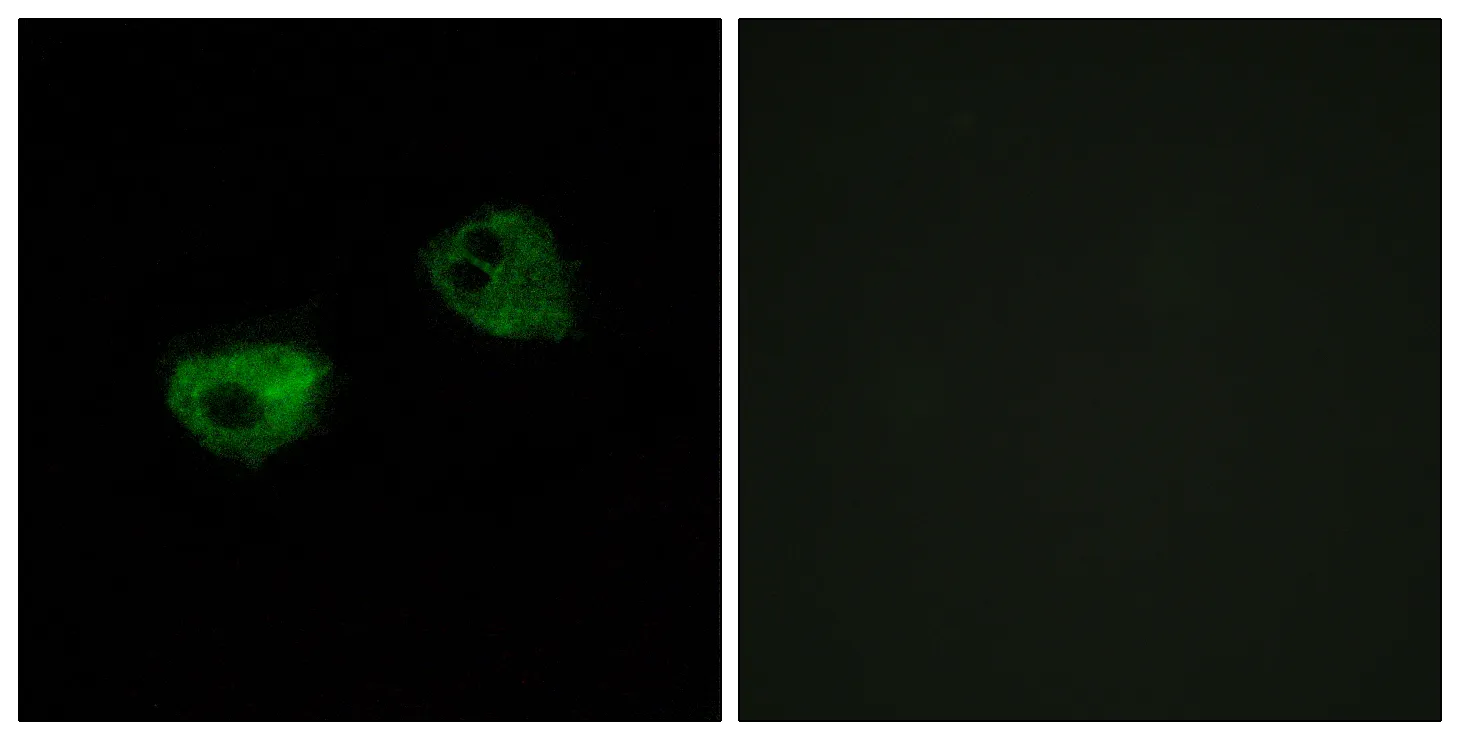
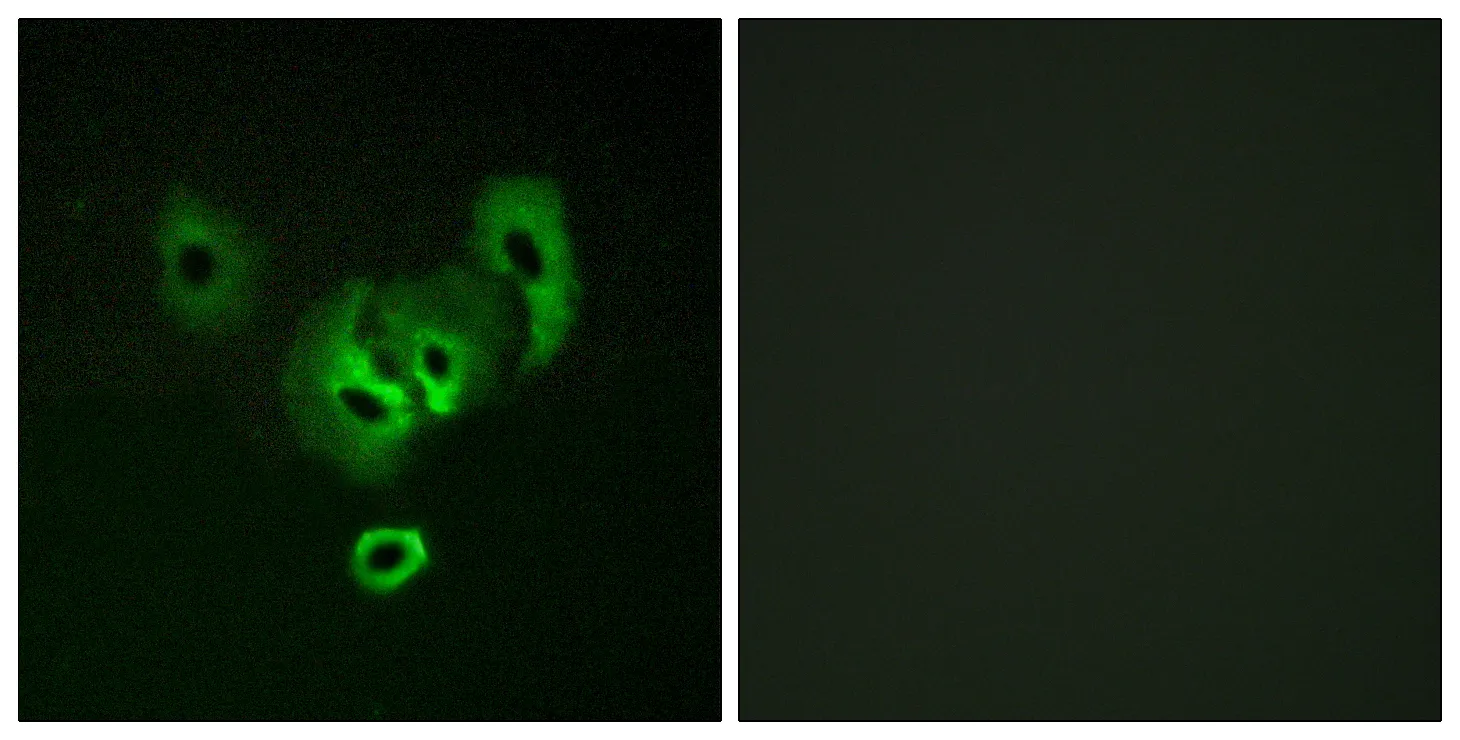
Application:WB,IHC,ICC/IF,ELISA

Reactivity:Human,Mouse
Conjugate:Unconjugated
Optional conjugates: Biotin, FITC (free of charge).
See other 26 conjugates.

Gene Name:WNT1 Category: Polyclonal Antibody Tags: , , , , , , , ,

Summary

Production Name

Wnt1 Rabbit Polyclonal Antibody

Description

Rabbit polyclonal Antibody

Host

Rabbit

Application

WB,IHC,ICC/IF,ELISA

Reactivity

Human,Mouse


Performance

Conjugation

Unconjugated

Modification

Unmodified

Isotype

IgG

Clonality

Polyclonal

Form

Liquid

Storage

Store at 4°C short term. Aliquot and store at -20°C long term. Avoid freeze/thaw cycles.

Buffer

Liquid in PBS containing 50% glycerol, 0.5% protective protein and 0.02% sodium azide, pH 7.3.

Purification

Affinity Purification


Immunogen

Gene Name

WNT1

Alternative Names

WNT1; INT1; Proto-oncogene Wnt-1; Proto-oncogene Int-1 homolog

Gene ID

7471

SwissProt ID

P04628


Application

Dilution Ratio

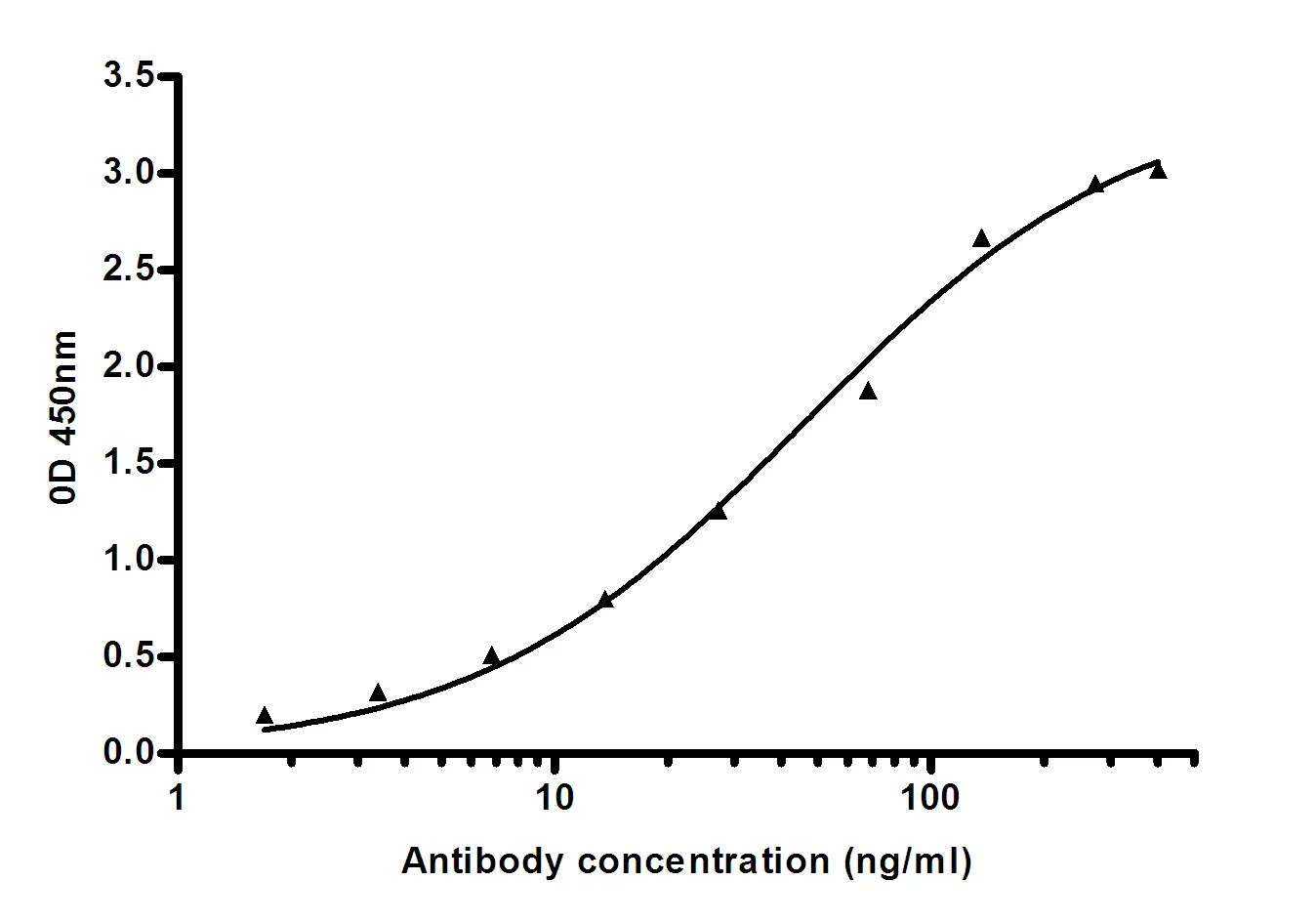
WB 1:500-1:1000,IHC 1:50-1:100,ICC/IF 1:50-1:200,ELISA 1:5000-1:20000

Molecular Weight

Calculated MW: 41 kDa; Observed MW: 45 kDa


Background

WNT1: wingless-type MMTV integration site family, member 1. The WNT gene family consists of structurally related genes which encode secreted signaling proteins. These proteins have been implicated in oncogenesis and in several developmental processes, including regulation of cell fate and patterning during embryogenesis. This gene is a member of the WNT gene family. It is very conserved in evolution, and the protein encoded by this gene is known to be 98% identical to the mouse Wnt1 protein at the amino acid level. The studies in mouse indicate that the Wnt1 protein functions in the induction of the mesencephalon and cerebellum. This gene was originally considered as a candidate gene for Joubert syndrome, an autosomal recessive disorder with cerebellar hypoplasia as a leading feature. However, further studies suggested that the gene mutations might not have a significant rolein Joubert syndrome. This gene is clustered with another family member, WNT10B, in the chromosome 12q13 region.


Research Area

Stem Cells
   💬 WhatsApp