IP / Co-IP: Principles and Concise Guide
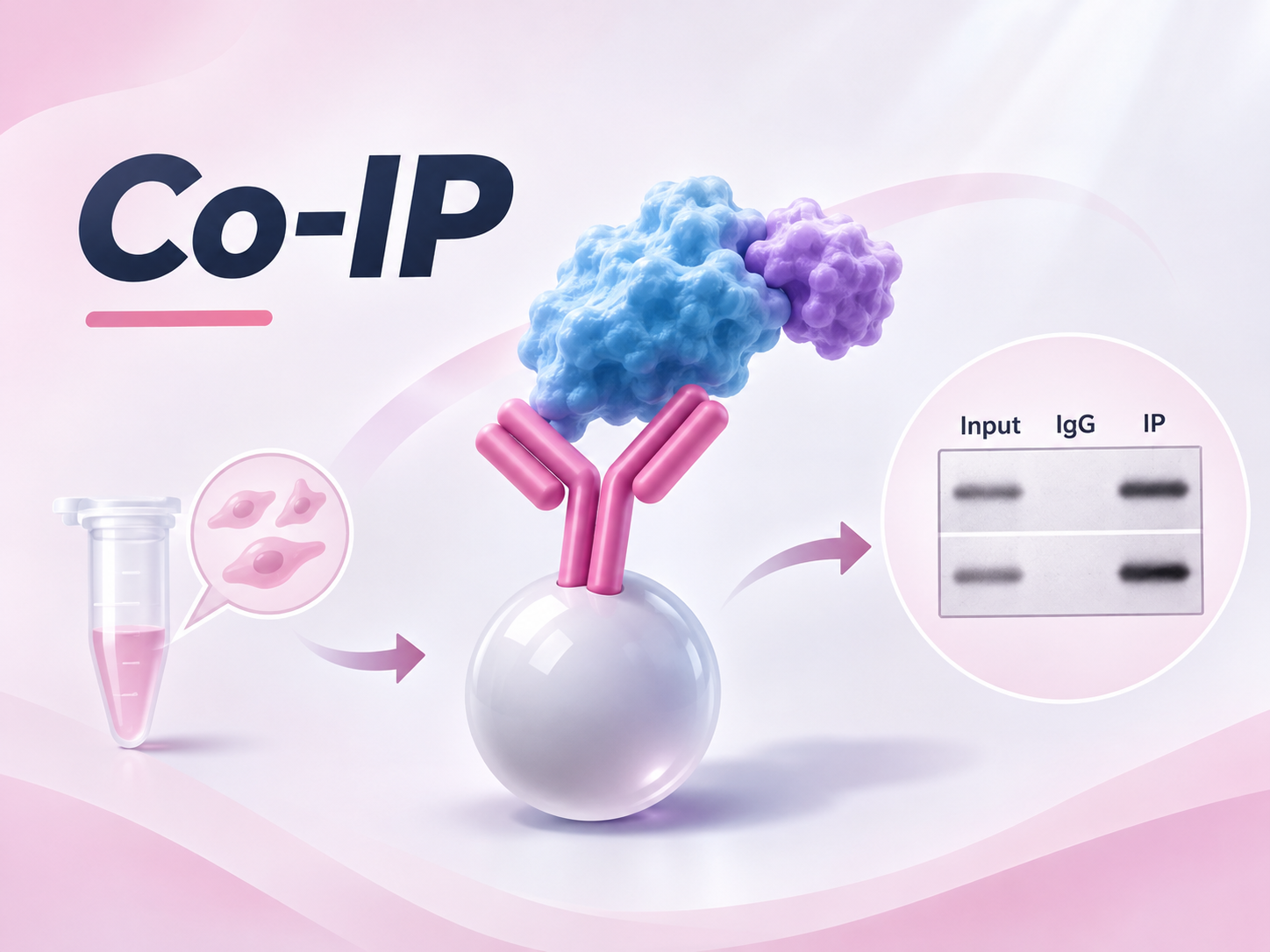
This article introduces the principles of IP and Co-IP, outlines key experimental procedures, and explains essential controls, troubleshooting considerations, and Western blot result interpretation.

CiteAb compiles this final ranking by scoring antibody reagents based on their citation share in publications over the past year. The list covers monoclonal, polyclonal and recombinant antibodies. The ranking prioritizes citation count — a metric measuring how frequently a product appears in peer-reviewed published researchCiteAb.
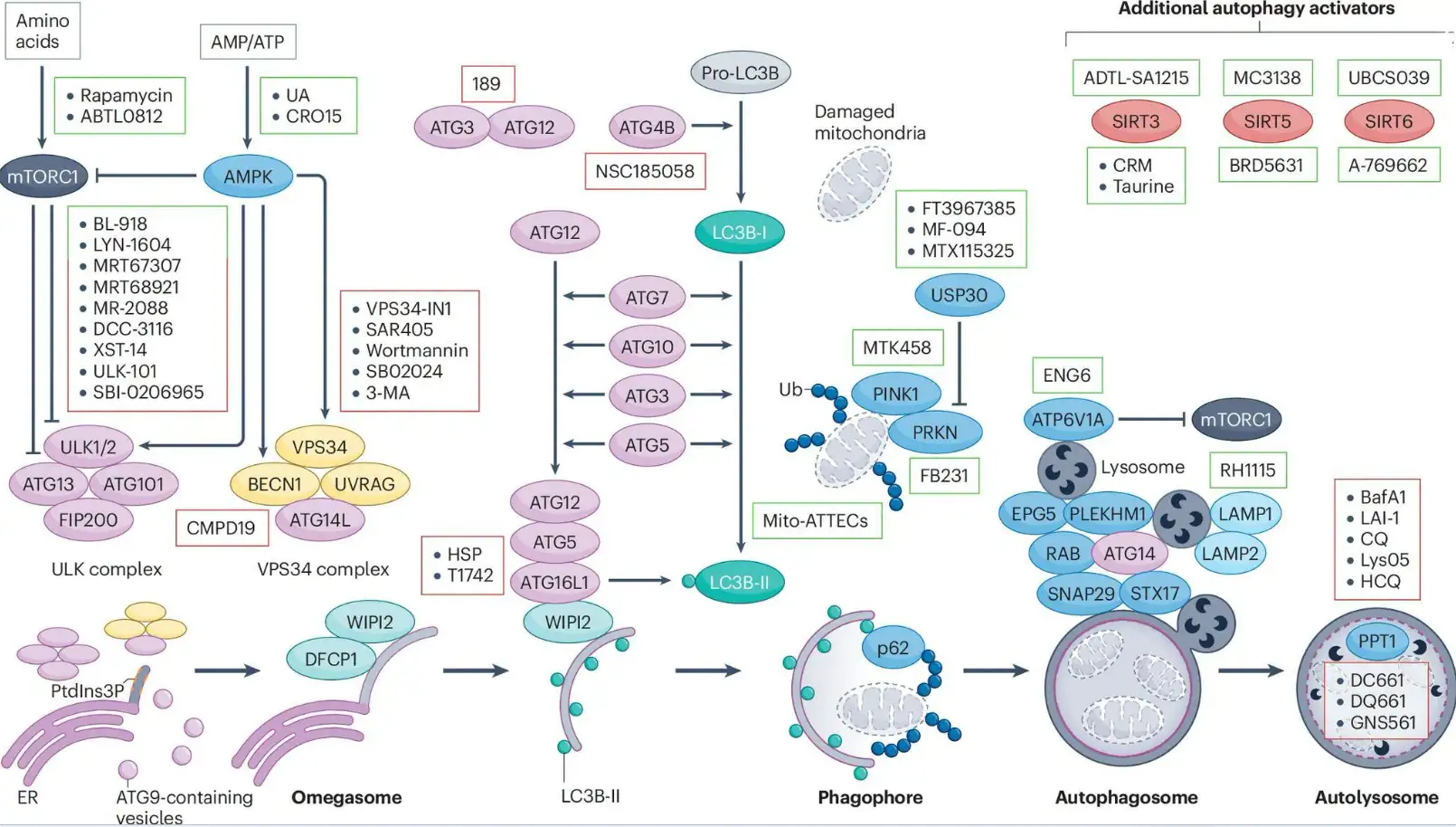
This authoritative review article was published in Nature Reviews Drug Discovery in 2026, entitled Autophagy modulation in cancer. It was written by Emma Guilbaud, Kevin M. Ryan, Douglas R. Green and Lorenzo Galluzzi. The central premise of this article is that autophagy exerts diametrically opposite effects at distinct stages of cancer development and progression.
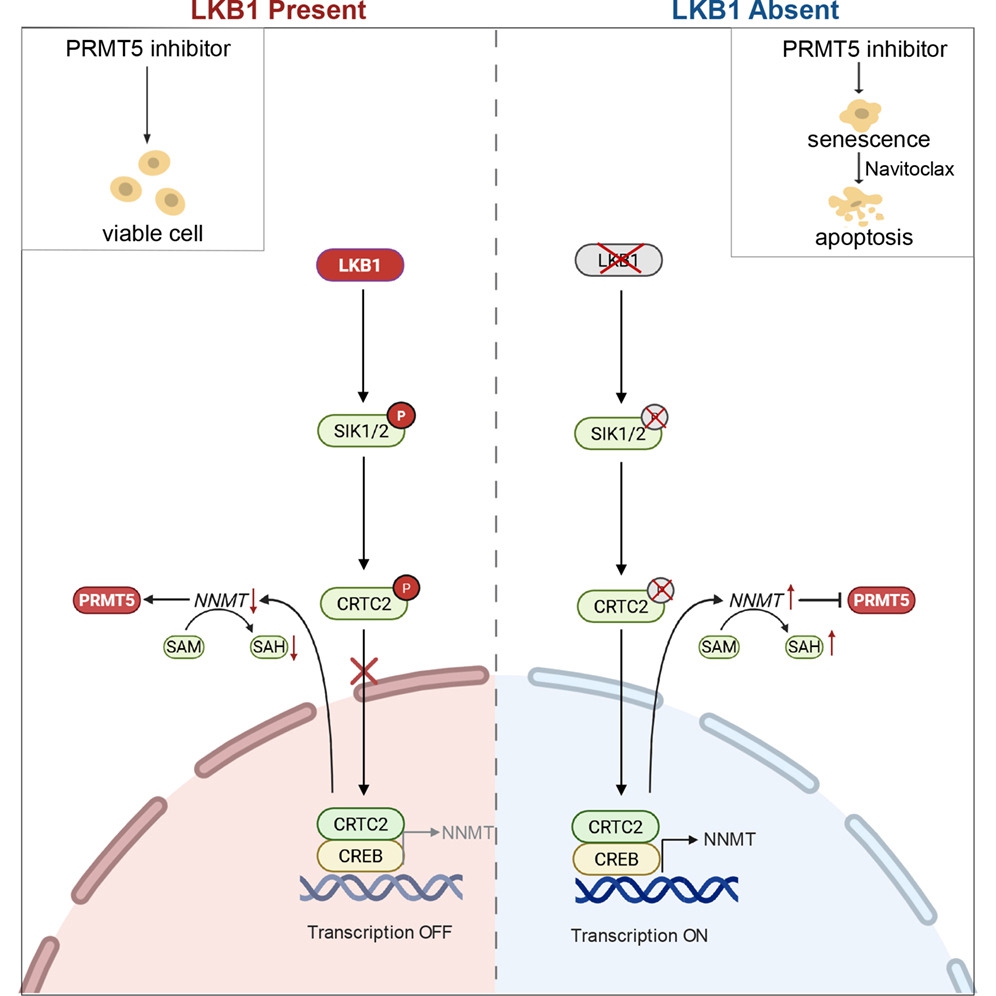
This study establishes for the first time the LKB1‑SIK/CRTC‑NNMT‑SAM/SAH‑PRMT5 regulatory axis. It elucidates the metabolic‑epigenetic basis underlying PRMT5‑inhibitor sensitivity in LKB1‑deficient lung cancer, identifies LKB1/NNMT as novel biomarkers for PRMT5‑targeted therapy, and provides solid pre‑clinical evidence supporting the "PRMT5 inhibitor plus Navitoclax" combination regimen.
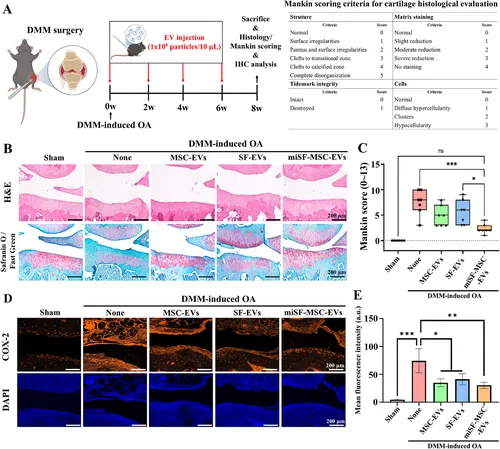
Existing studies have directly co cultured MSCs with synovial fibroblasts, allowing MSCs to receive microenvironmental information from SF sources. MSCs that have undergone this "pretreatment" are defined as miSF MSCs (microenvironment transferred SF MSCs). Subsequently, further collection of EVs produced by these cells, namely miSF MSC EVs, was conducted, and their molecular characteristics and therapeutic effects were compared with those of ordinary MSC EVs and SF EVs. The author hopes to establish a complete research chain through this approach, from changes in cellular microenvironment, MSC status, EV cargo changes, to enhanced OA treatment efficacy.
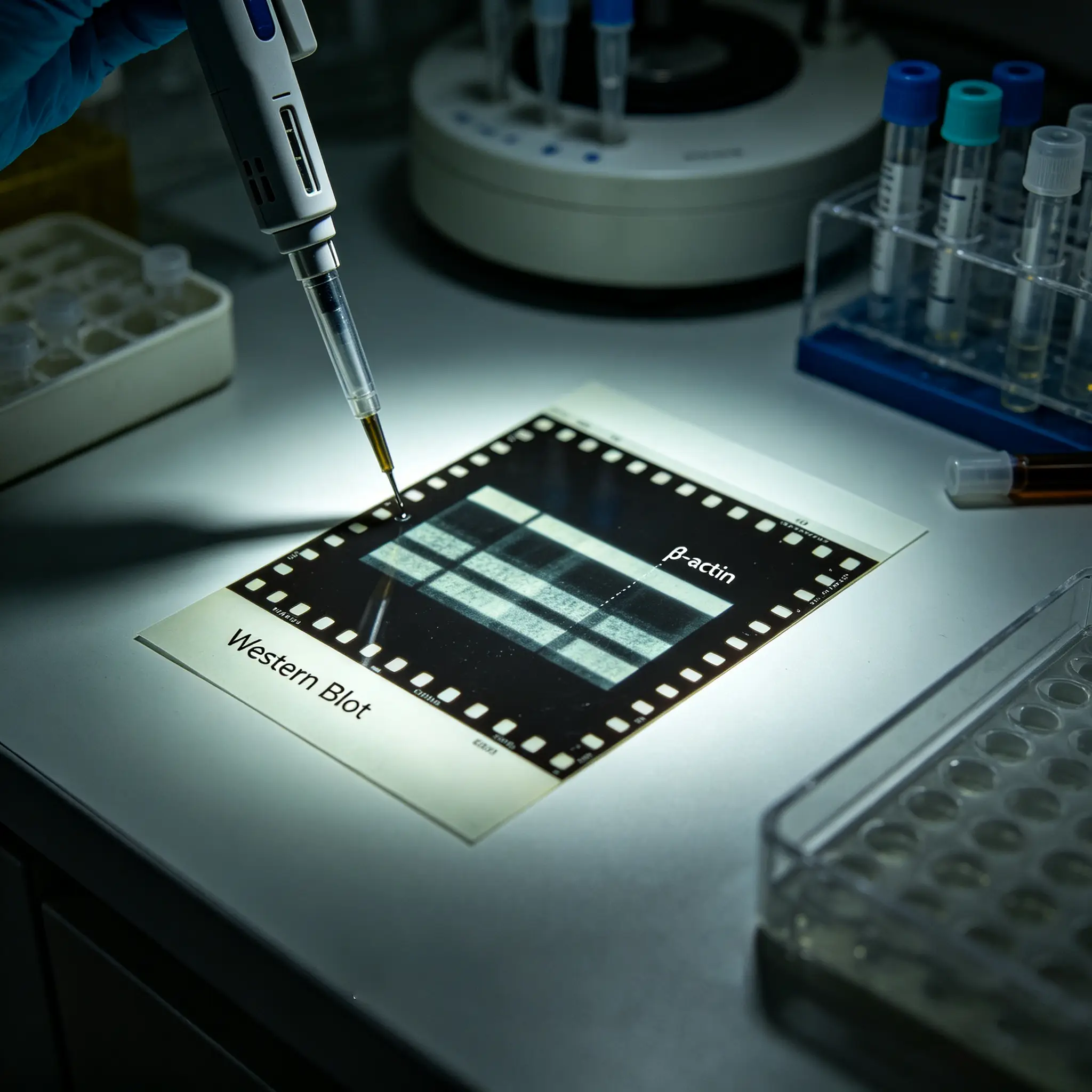
There is no "universal loading control", only the most suitable loading control for your experimental conditions. The key is to make a reasonable selection based on your cell line/tissue source, treatment conditions, and the molecular weight of the target protein.