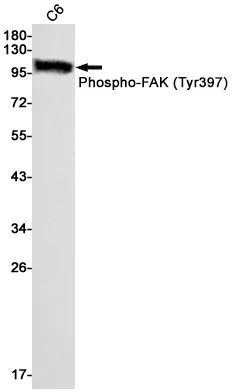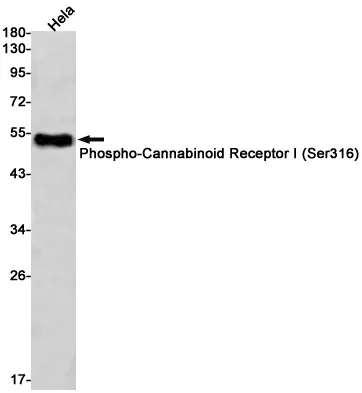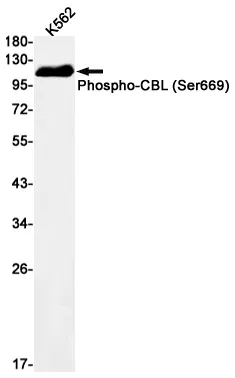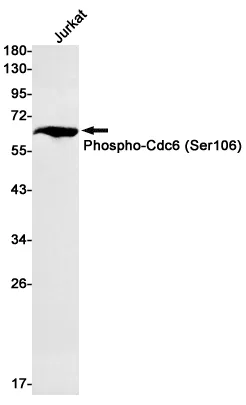

Summary
Performance
Immunogen
Application
Background
Catalyzes the first step in the oxidation of the side chain of sterol intermediates; the 27-hydroxylation of 5-beta-cholestane-3-alpha,7-alpha,12-alpha-triol. Has also a vitamin D3-25-hydroxylase activity. Cytochrome P450 monooxygenase that catalyzes regio- and stereospecific hydroxylation of cholesterol and its derivatives. Hydroxylates (with R stereochemistry) the terminal methyl group of cholesterol side-chain in a three step reaction to yield at first a C26 alcohol, then a C26 aldehyde and finally a C26 acid (PubMed:9660774, PubMed:12077124, PubMed:21411718, PubMed:28190002). Regulates cholesterol homeostasis by catalyzing the conversion of excess cholesterol to bile acids via both the 'neutral' (classic) and the 'acid' (alternative) pathways (PubMed:9660774, PubMed:1708392, PubMed:11412116, PubMed:2019602, PubMed:7915755, PubMed:9186905, PubMed:9790667). May also regulate cholesterol homeostasis via generation of active oxysterols, which act as ligands for NR1H2 and NR1H3 nuclear receptors, modulating the transcription of genes involved in lipid metabolism (PubMed:9660774, PubMed:12077124). Plays a role in cholestanol metabolism in the cerebellum. Similarly to cholesterol, hydroxylates cholestanol and may facilitate sterol diffusion through the blood-brain barrier to the systemic circulation for further degradation (PubMed:28190002). Also hydroxylates retinal 7- ketocholesterol, a noxious oxysterol with pro-inflammatory and pro- apoptotic effects, and may play a role in its elimination from the retinal pigment epithelium (PubMed:21411718). May play a redundant role in vitamin D biosynthesis. Catalyzes 25-hydroxylation of vitamin D3 that is required for its conversion to a functionally active form (PubMed:15465040).
Research Area
Cardiovascular