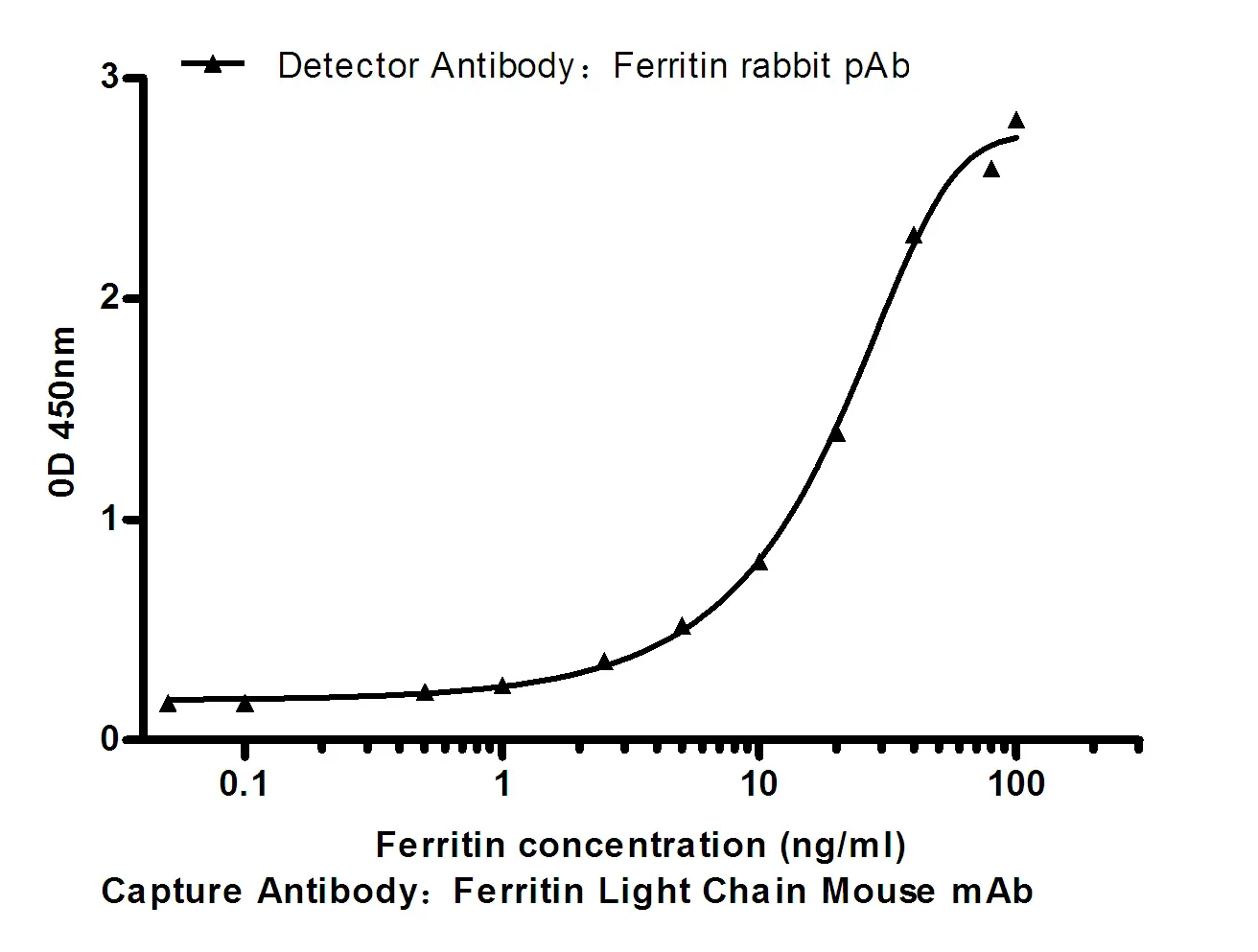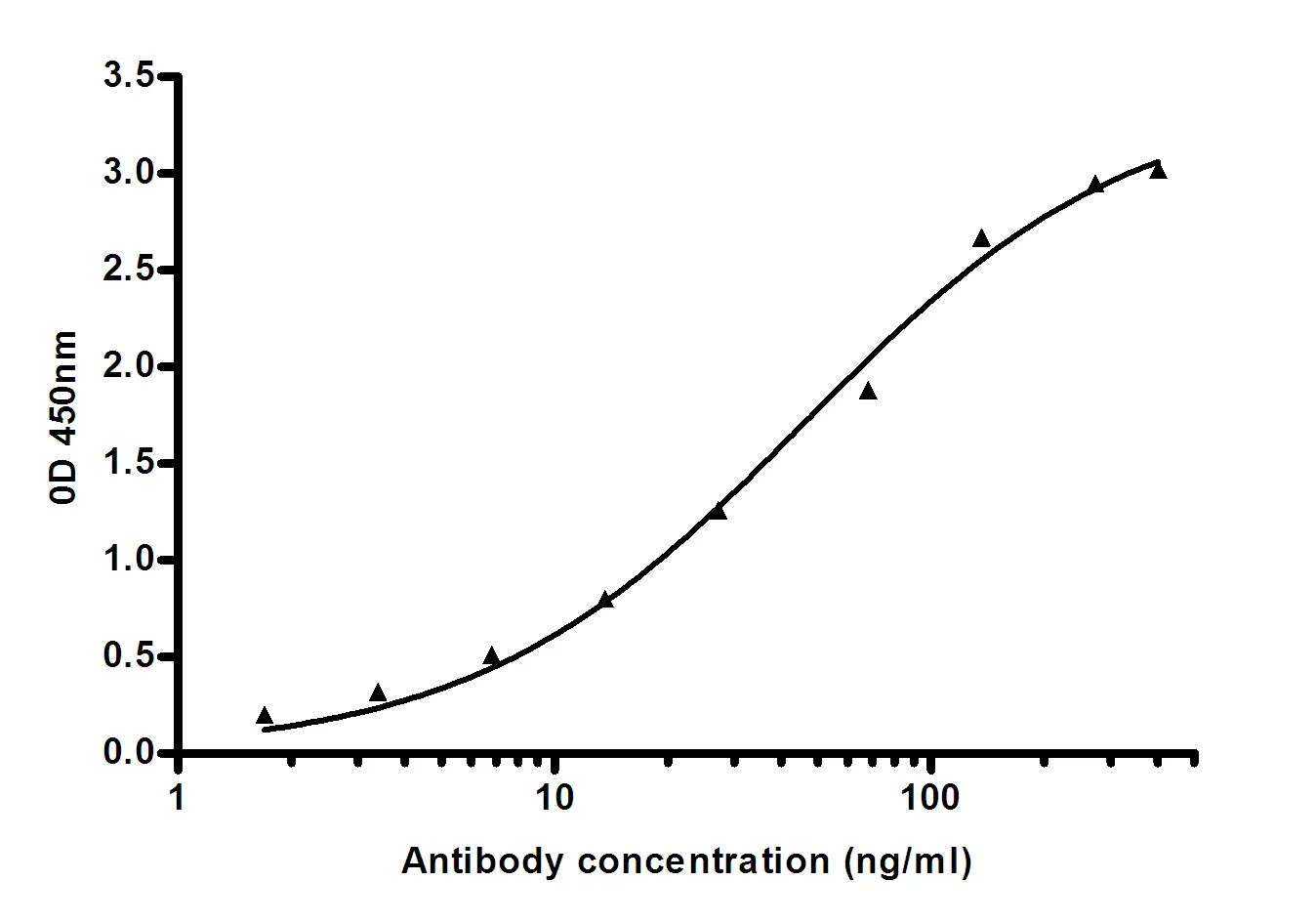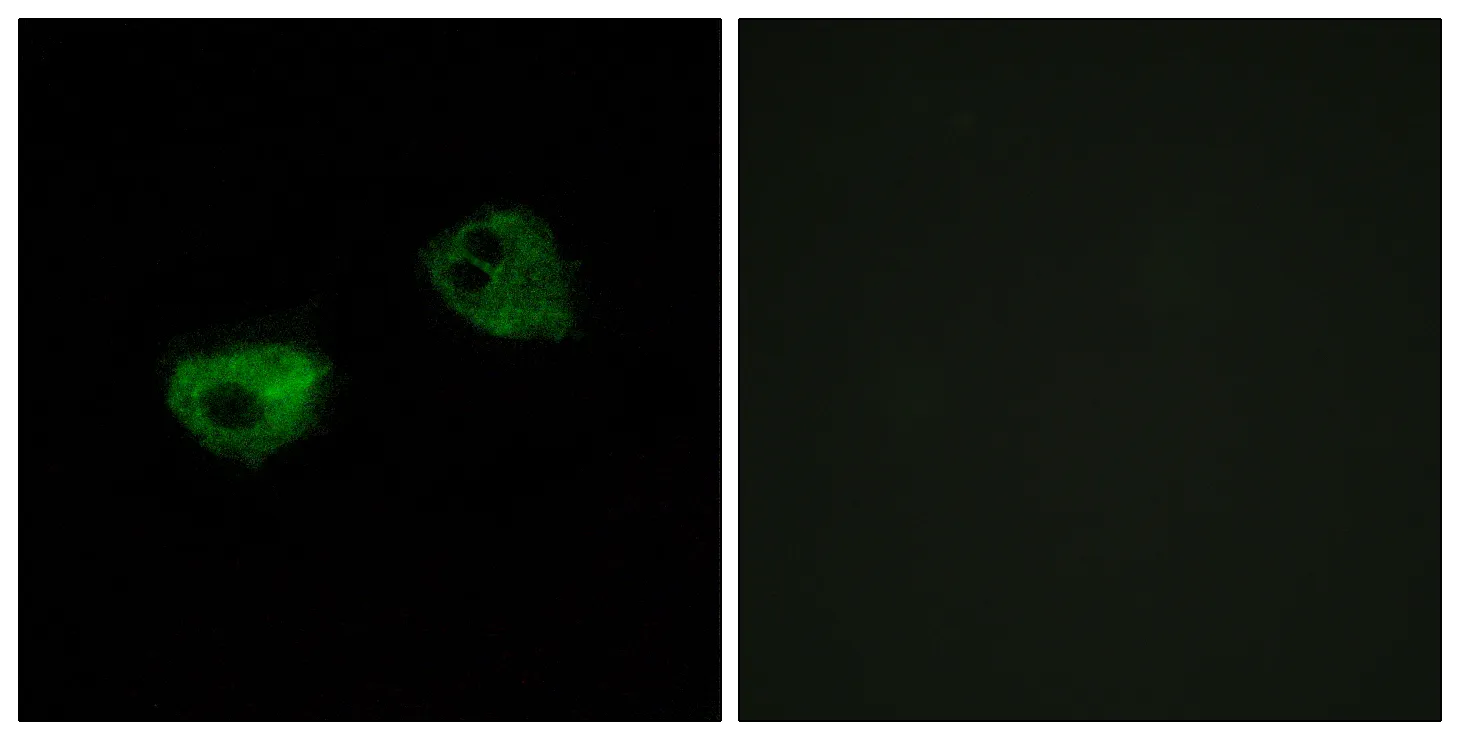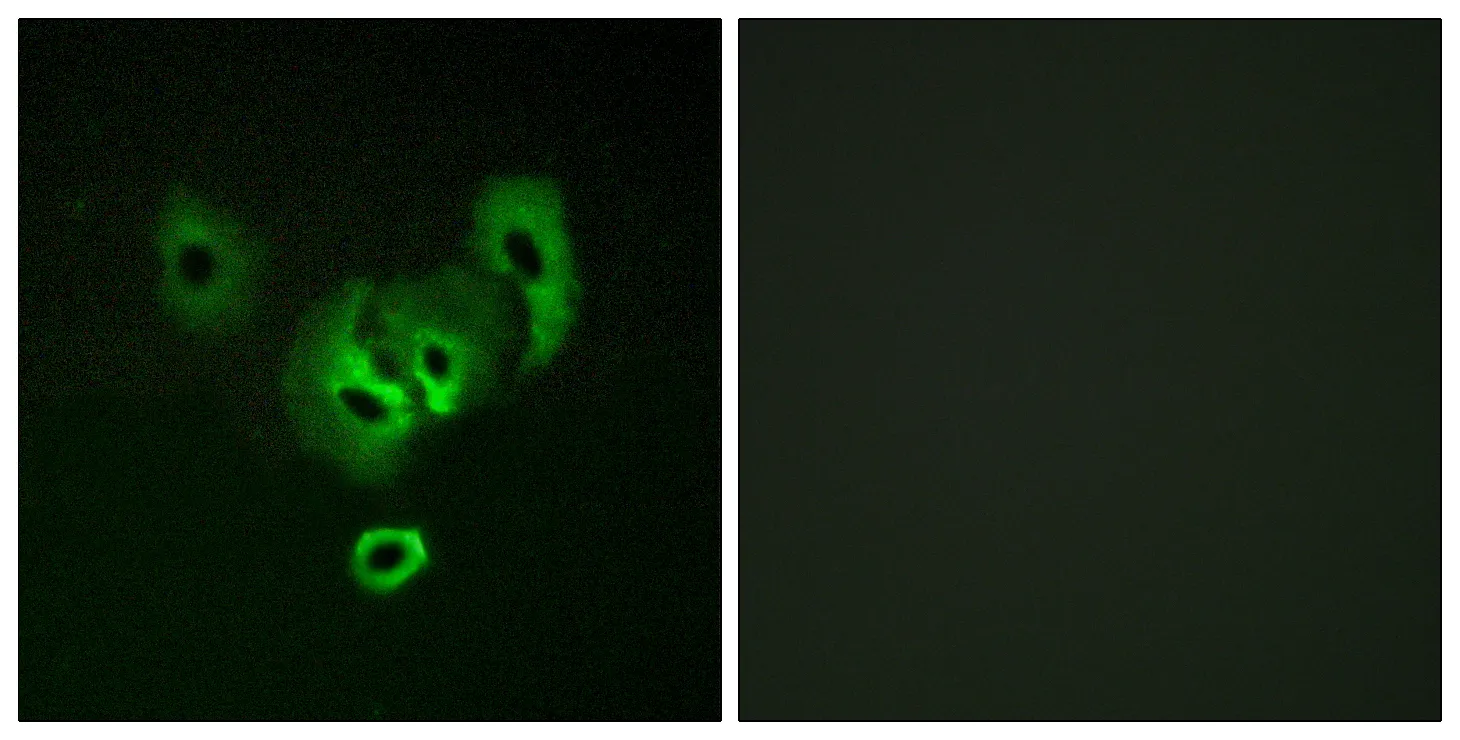


Summary
Performance
Immunogen
Application
Background
This gene encodes a bifunctional enzyme that catalyzes the first two steps in the mammalian lysine degradation pathway. The N-terminal and the C-terminal portions of this enzyme contain lysine-ketoglutarate reductase and saccharopine dehydrogenase activity, respectively, resulting in the conversion of lysine to alpha-aminoadipic semialdehyde. Mutations in this gene are associated with familial hyperlysinemia. [provided by RefSeq, Jul 2008],catalytic activity:N(6)-(L-1,3-dicarboxypropyl)-L-lysine + NAD(+) + H(2)O = L-glutamate + 2-aminoadipate 6-semialdehyde + NADH.,catalytic activity:N(6)-(L-1,3-dicarboxypropyl)-L-lysine + NADP(+) + H(2)O = L-lysine + 2-oxoglutarate + NADPH.,disease:Defects in AASS are the cause of hyperlysinemia [MIM:238700]. Hyperlysinemia is an autosomal recessive condition characterized by hyperlysinemia lysinuria and variable saccharopinuria.,function:Bifunctional enzyme that catalyzes the first two steps in lysine degradation. The N-terminal and the C-terminal contain lysine-ketoglutarate reductase and saccharopine dehydrogenase activity, respectively.,induction:Induced by starvation.,pathway:Amino-acid degradation; L-lysine degradation via saccharopine pathway; glutaryl-CoA from L-lysine: step 1/6.,pathway:Amino-acid degradation; L-lysine degradation via saccharopine pathway; glutaryl-CoA from L-lysine: step 2/6.,similarity:In the C-terminal section; belongs to the saccharopine dehydrogenase family.,similarity:In the N-terminal section; belongs to the AlaDH/PNT family.,subunit:Homodimer.,tissue specificity:Expressed in all 16 tissues examined with highest expression in the liver.,
Research Area
Lysine biosynthesis;Lysine degradation;