

AKAP 149 Rabbit Polyclonal Antibody($99/20μL)

AKAP 149 Rabbit Polyclonal Antibody($99/20μL)

Cat: APRab06721
Size:20μL Price:$99
Size:50μL Price:$118
Size:100μL Price:$220

Size:200μL Price:$380
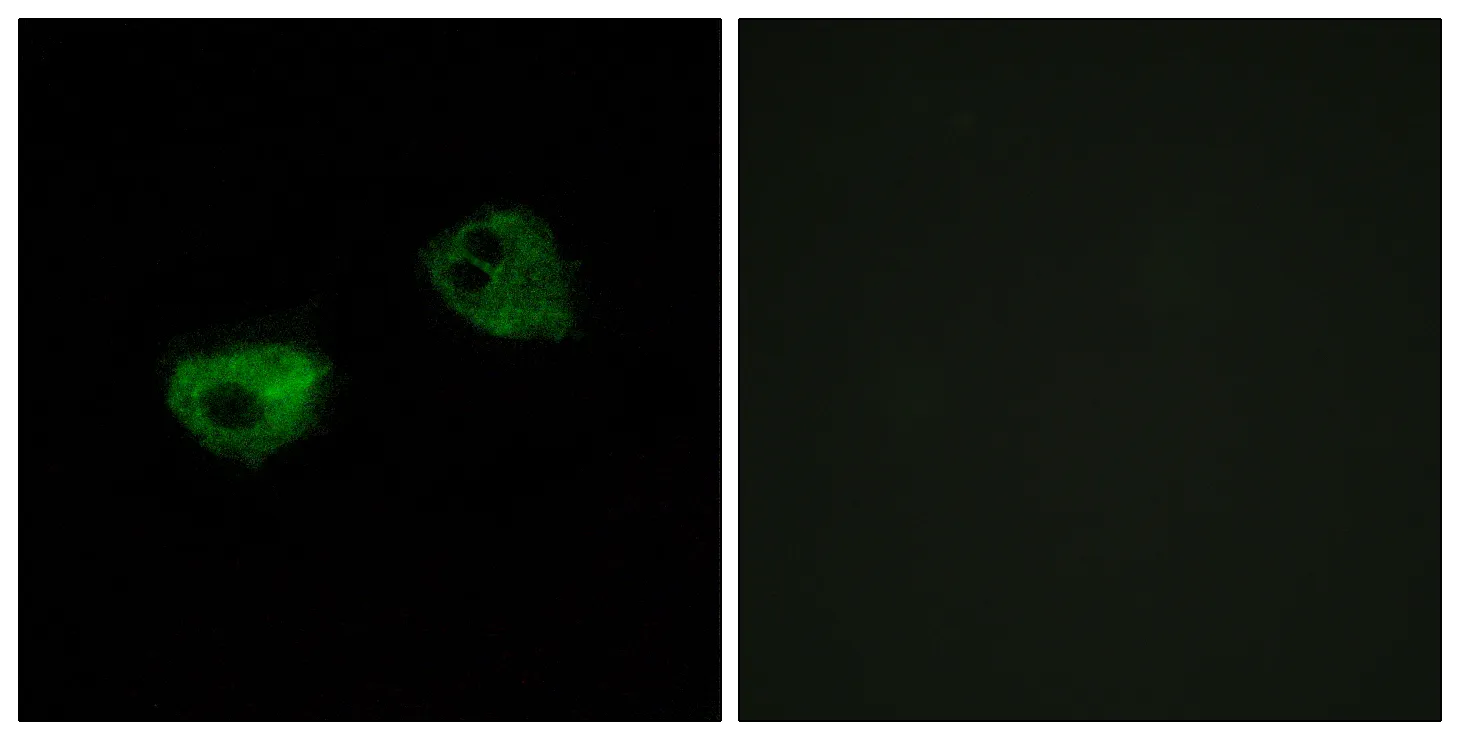
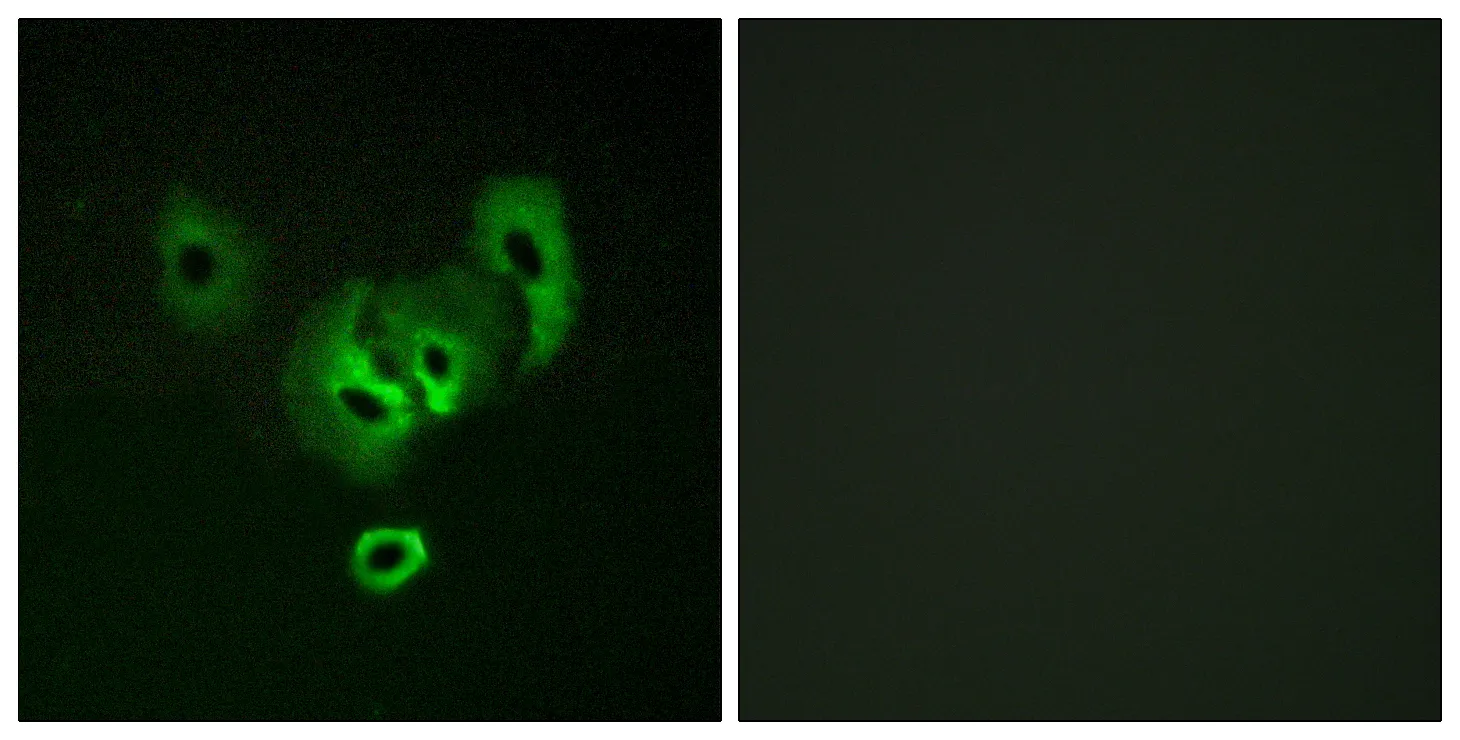
Application:WB,IHC,ICC/IF,ELISA

Reactivity:Human,Rat,Mouse
Conjugate:Unconjugated
Optional conjugates: Biotin, FITC (free of charge).
See other 26 conjugates.

Gene Name:AKAP1 Category: Polyclonal Antibodies Tags:

Summary

Production Name

AKAP 149 Rabbit Polyclonal Antibody

Description

Rabbit polyclonal Antibody

Host

Rabbit

Application

WB,IHC,ICC/IF,ELISA

Reactivity

Human,Rat,Mouse


Performance

Conjugation

Unconjugated

Modification

Unmodified

Isotype

IgG

Clonality

Polyclonal

Form

Liquid

Storage

Store at 4°C short term. Aliquot and store at -20°C long term. Avoid freeze/thaw cycles.

Buffer

Liquid in PBS containing 50% glycerol, 0.5% protective protein and 0.02% New type preservative N.

Purification

Affinity purification


Immunogen

Gene Name

AKAP1

Alternative Names

AKAP1; AKAP149; PRKA1; A-kinase anchor protein 1; mitochondrial; A-kinase anchor protein 149 kDa; AKAP 149; Dual specificity A-kinase-anchoring protein 1; D-AKAP-1; Protein kinase A-anchoring protein 1; PRKA1; Spermatid A-kinase anchor prot

Gene ID

8165

SwissProt ID

Q92667


Application

Dilution Ratio

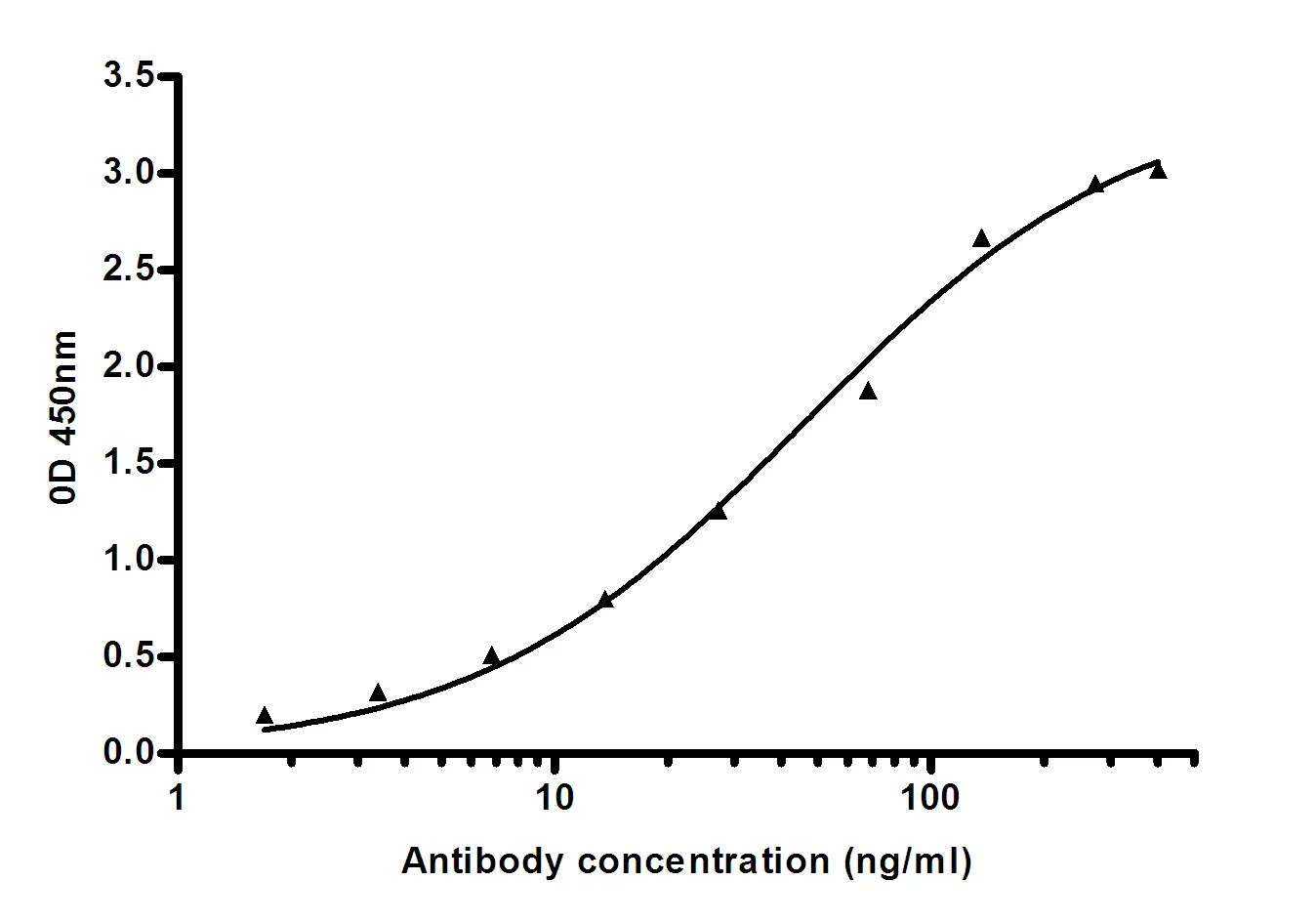
WB 1:500-1:2000,IHC 1:100-1:300,ICC/IF 1:200-1:1000,ELISA 1:5000-1:10000

Molecular Weight

90kDa


Background

The A-kinase anchor proteins (AKAPs) are a group of structurally diverse proteins, which have the common function of binding to the regulatory subunit of protein kinase A (PKA) and confining the holoenzyme to discrete locations within the cell. This gene encodes a member of the AKAP family. The encoded protein binds to type I and type II regulatory subunits of PKA and anchors them to the mitochondrion. This protein is speculated to be involved in the cAMP-dependent signal transduction pathway and in directing RNA to a specific cellular compartment. [provided by RefSeq, Jul 2008],domain:RII-alpha binding site, predicted to form an amphipathic helix, could participate in protein-protein interactions with a complementary surface on the R-subunit dimer.,function:Binds to type I and II regulatory subunits of protein kinase A and anchors them to the cytoplasmic face of the mitochondrial outer membrane.,similarity:Contains 1 KH domain.,similarity:Contains 1 Tudor domain.,tissue specificity:AKAP149 is highly expressed in prostate and small intestine whereas S-AKAP84 is expressed in kidney, pancreas, liver, lung and brain. AKAP149 is also expressed in colon carcinoma.,


Research Area
   💬 WhatsApp