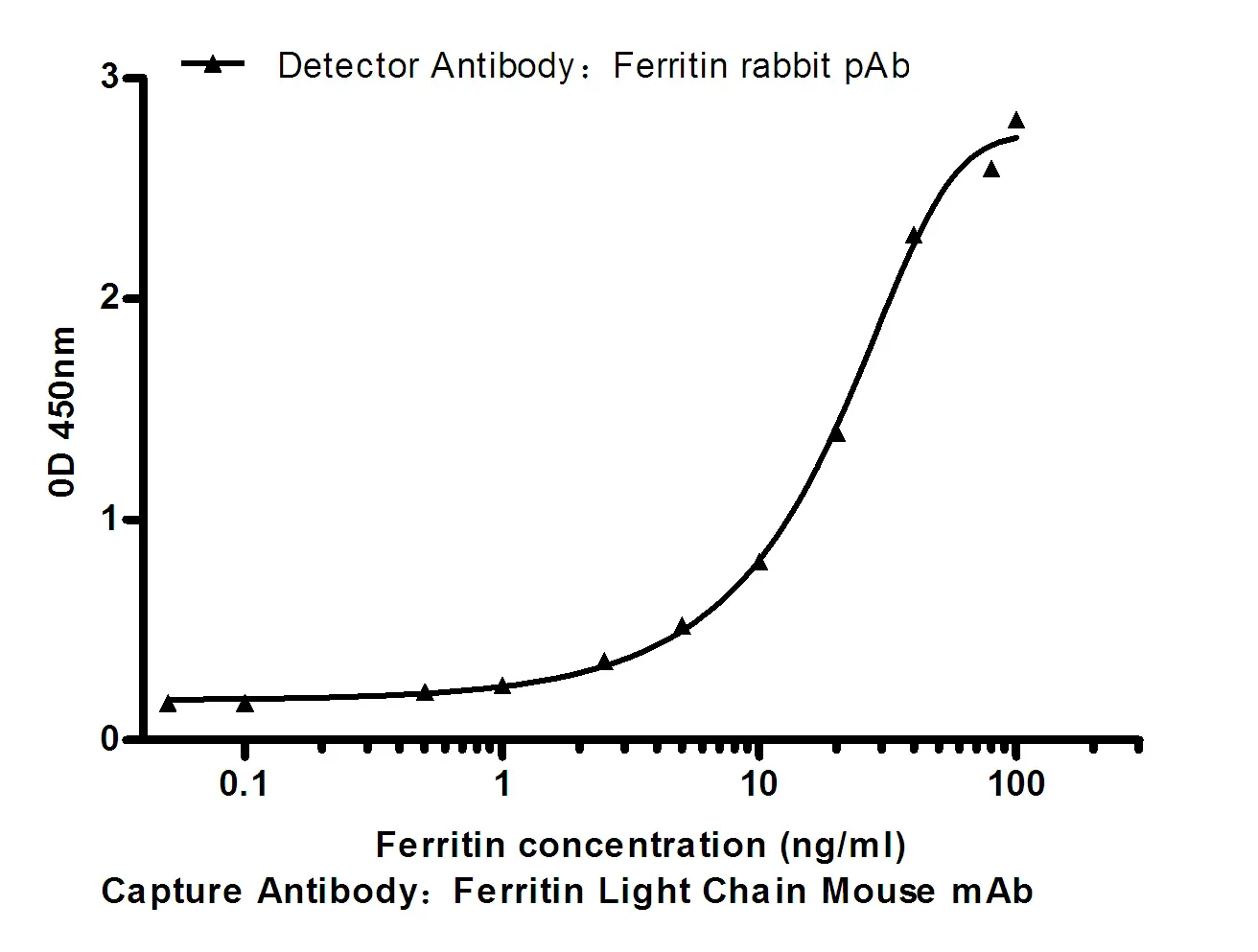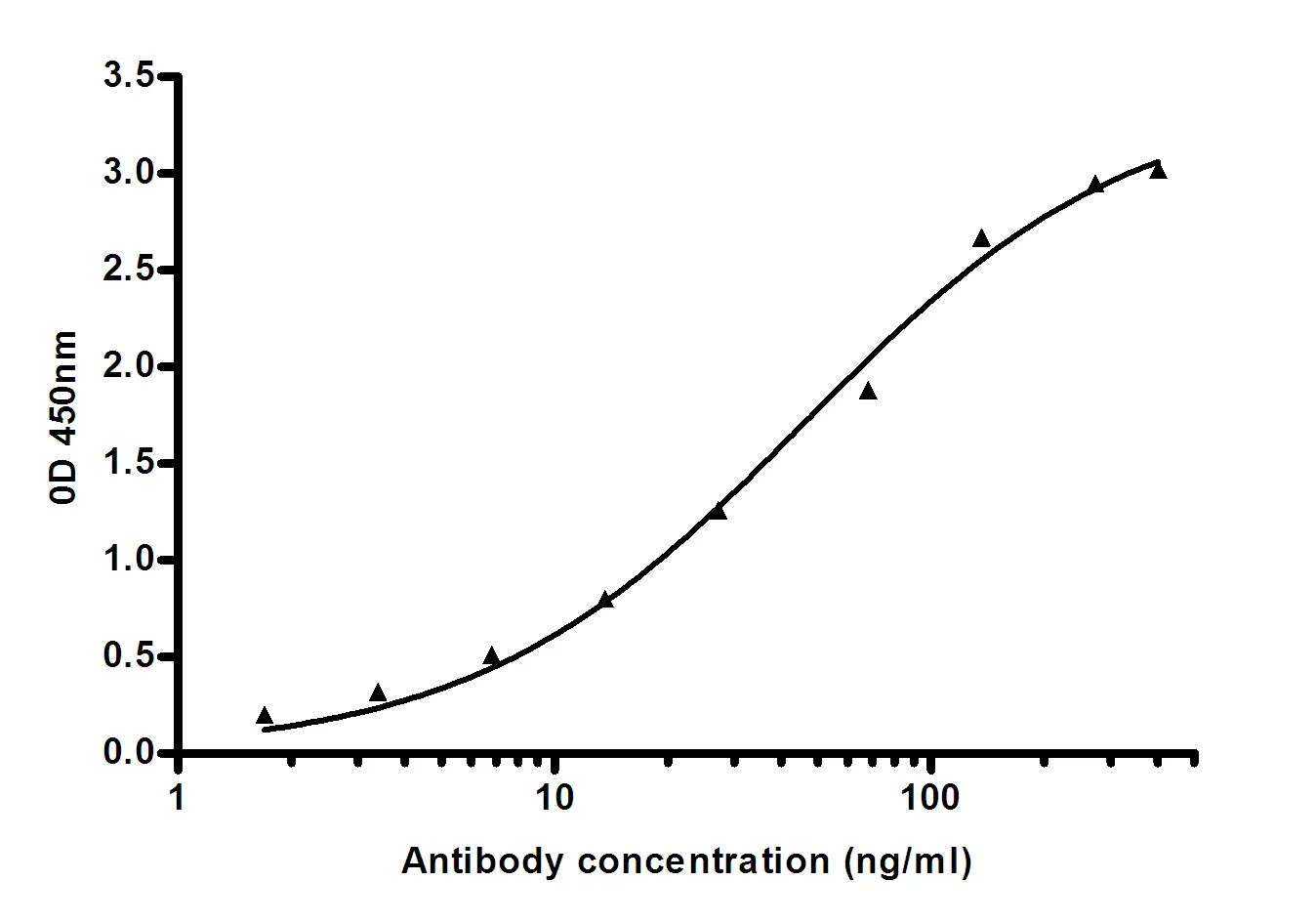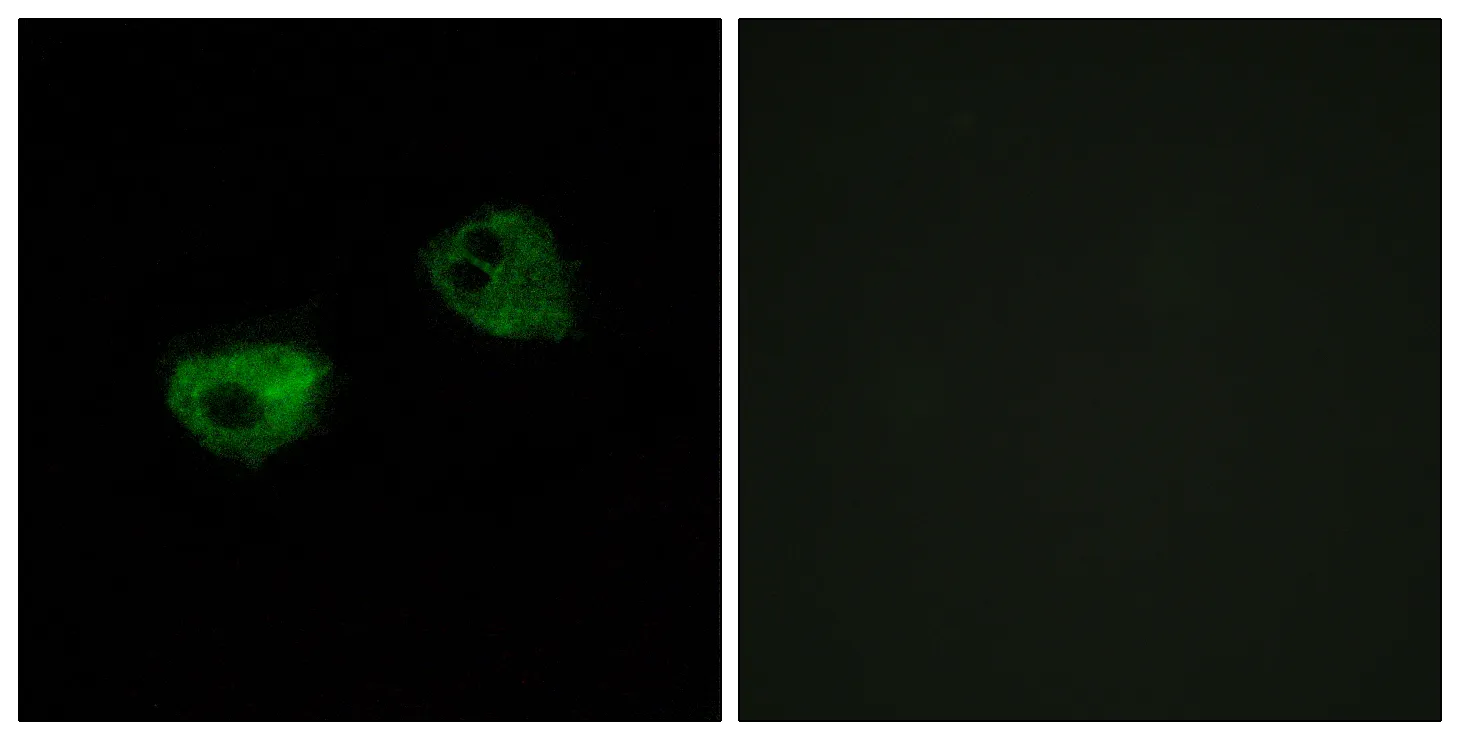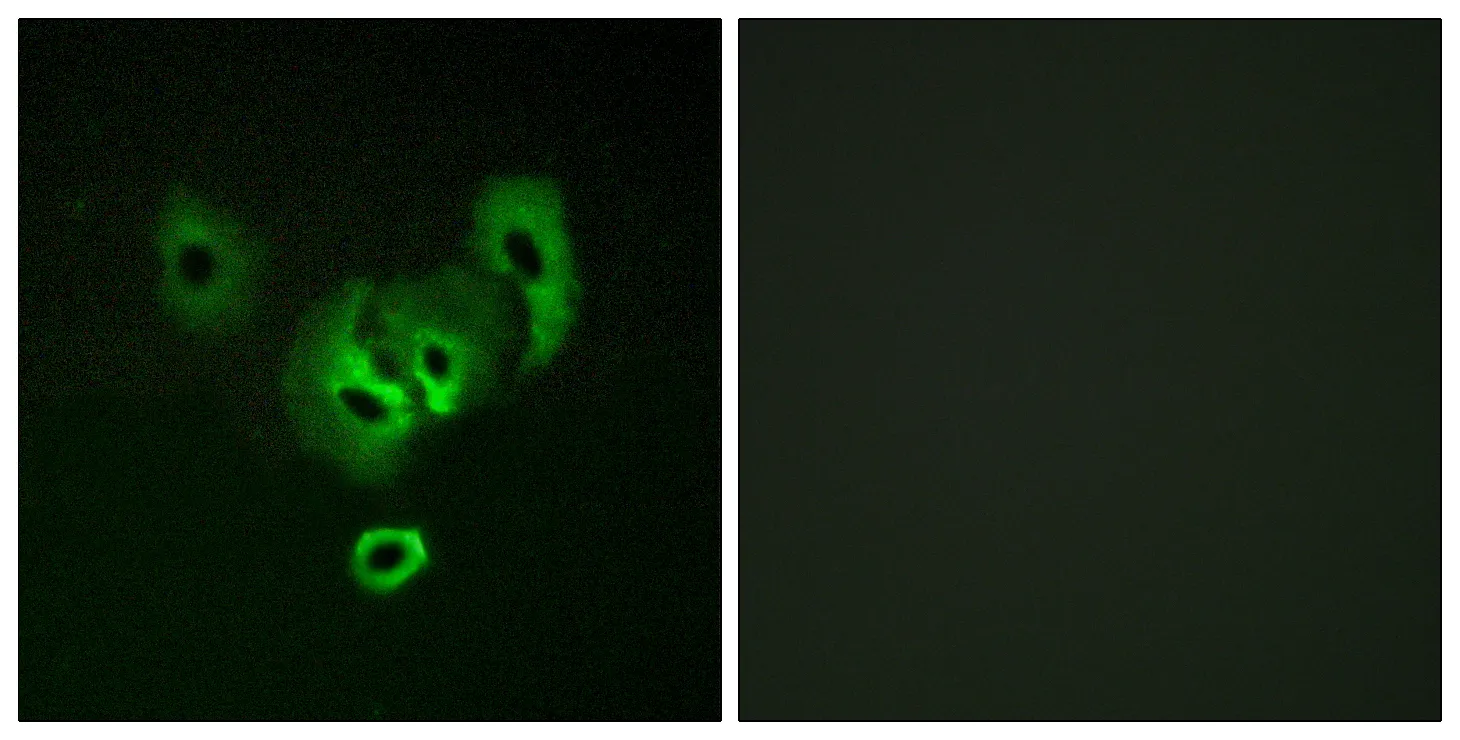


Summary
Performance
Immunogen
Application
Background
The A-kinase anchor proteins (AKAPs) are a group of structurally diverse proteins, which have the common function of binding to the regulatory subunit of protein kinase A (PKA) and confining the holoenzyme to discrete locations within the cell. This gene encodes a member of the AKAP family. The encoded protein is expressed at high levels throughout spermatogenesis and in mature sperm. It binds the RI and RII subunits of PKA in testis. It may serve a function in cell cycle control of both somatic cells and germ cells in addition to its putative role in spermatogenesis and sperm function. [provided by RefSeq, Jul 2008],domain:RII-alpha binding site, predicted to form an amphipathic helix, could participate in protein-protein interactions with a complementary surface on the R-subunit dimer.,function:Binds to type II regulatory subunits of protein kinase A and anchors/targets them.,similarity:Belongs to the AKAP110 family.,subcellular location:Cytoplasmic in premeiotic pachytene spermatocytes and in the centrosome of developing postmeiotic germ cells, while a midpiece/centrosome localization was found in elongating spermatocytes and mature sperm.,tissue specificity:Expressed in heart, brain, lung, liver, kidney, testis and ovary. Weakly expressed in skeletal muscle, pancreas and spleen.,
Research Area