
AKR1CL2 Rabbit Polyclonal Antibody($99/20μL)

AKR1CL2 Rabbit Polyclonal Antibody($99/20μL)

Cat: APRab06736
Size:20μL Price:$99
Size:50μL Price:$118
Size:100μL Price:$220

Size:200μL Price:$380
Application:WB,IHC,ICC/IF,ELISA

Reactivity:Human,Rat,Mouse
Conjugate:Unconjugated
Optional conjugates: Biotin, FITC (free of charge).
See other 26 conjugates.

Gene Name:AKR1E2 Category: Polyclonal Antibody Tags:

Summary

Production Name

AKR1CL2 Rabbit Polyclonal Antibody

Description

Rabbit polyclonal Antibody

Host

Rabbit

Application

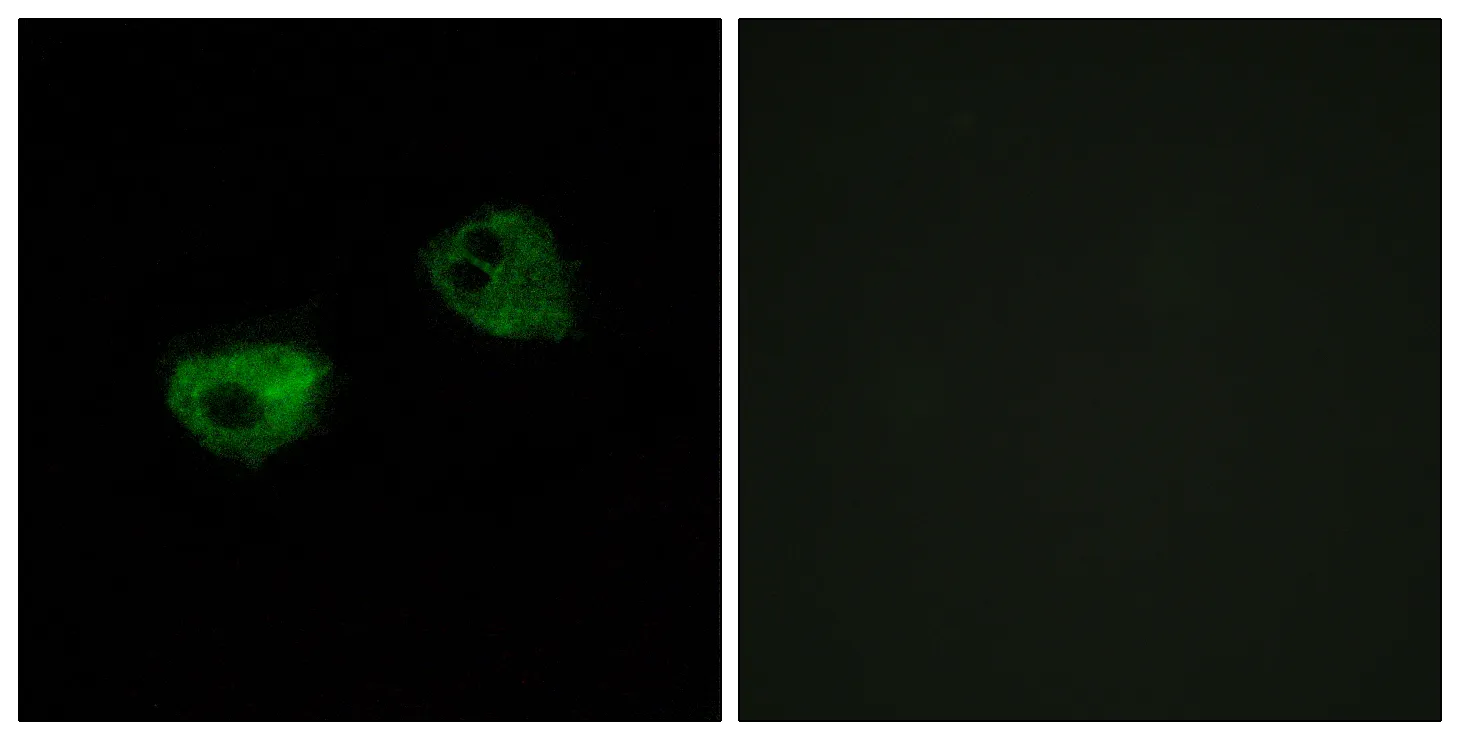
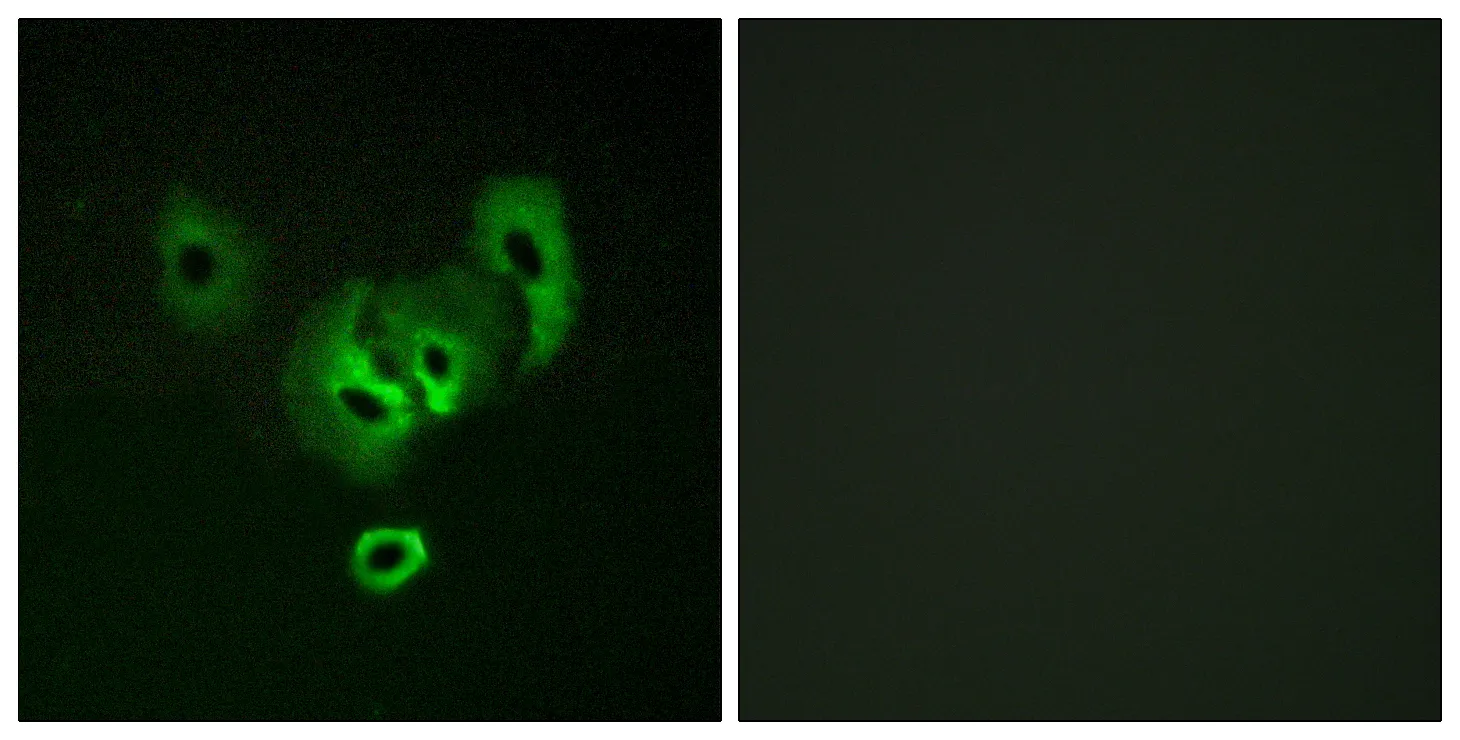
WB,IHC,ICC/IF,ELISA

Reactivity

Human,Rat,Mouse


Performance

Conjugation

Unconjugated

Modification

Unmodified

Isotype

IgG

Clonality

Polyclonal

Form

Liquid

Storage

Store at 4°C short term. Aliquot and store at -20°C long term. Avoid freeze/thaw cycles.

Buffer

Liquid in PBS containing 50% glycerol, 0.5% protective protein and 0.02% New type preservative N.

Purification

Affinity purification


Immunogen

Gene Name

AKR1E2

Alternative Names

AKR1E2; AKR1CL2; AKRDC1; 1; 5-anhydro-D-fructose reductase; AF reductase; Aldo-keto reductase family 1 member C-like protein 2; Aldo-keto reductase family 1 member E2; LoopADR; Testis-specific protein; hTSP

Gene ID

83592

SwissProt ID

Q96JD6


Application

Dilution Ratio

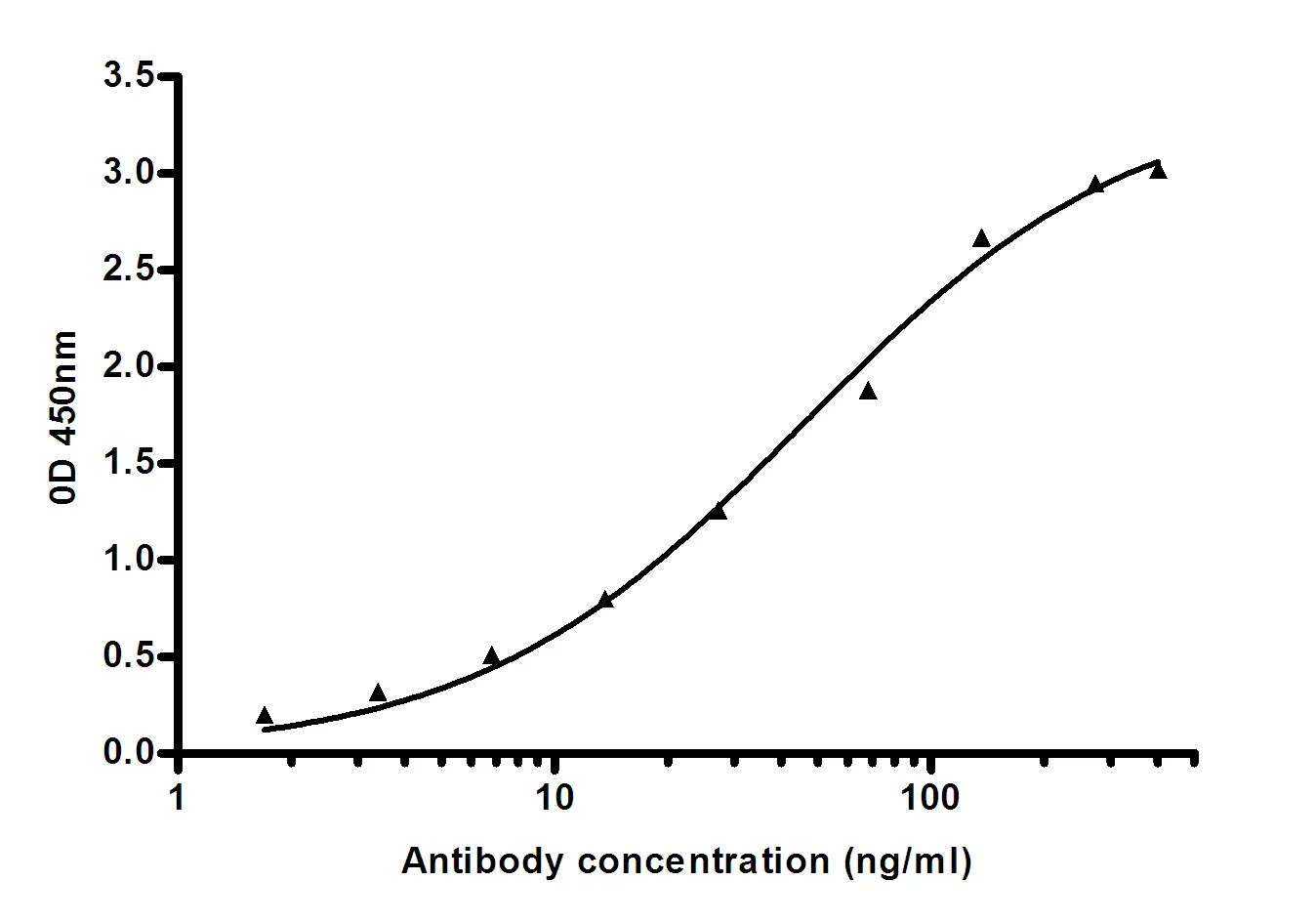
WB 1:500-1:2000,IHC 1:100-1:300,ICC/IF 1:50-1:200,ELISA 1:5000-1:20000

Molecular Weight

37kDa


Background

The protein encoded by this gene is a member of the aldo-keto reductase superfamily. Members in this family are characterized by their structure (evolutionarily highly conserved TIM barrel) and function (NAD(P)H-dependent oxido-reduction of carbonyl groups). Transcripts of this gene have been reported in specimens of human testis. Alternative splicing results in multiple transcript variants. [provided by RefSeq, Aug 2012],catalytic activity:1,5-anhydro-D-glucitol + NADP(+) = 1,5-anhydro-D-fructose + NADPH.,function:Catalyzes the NADPH-dependent reduction of 1,5-anhydro-D-fructose (AF) to 1,5-anhydro-D-glucitol. Can also catalyze the reduction of various aldehydes and quinones.,similarity:Belongs to the aldo/keto reductase family.,tissue specificity:Testis-specific.,


Research Area
   💬 WhatsApp