Summary
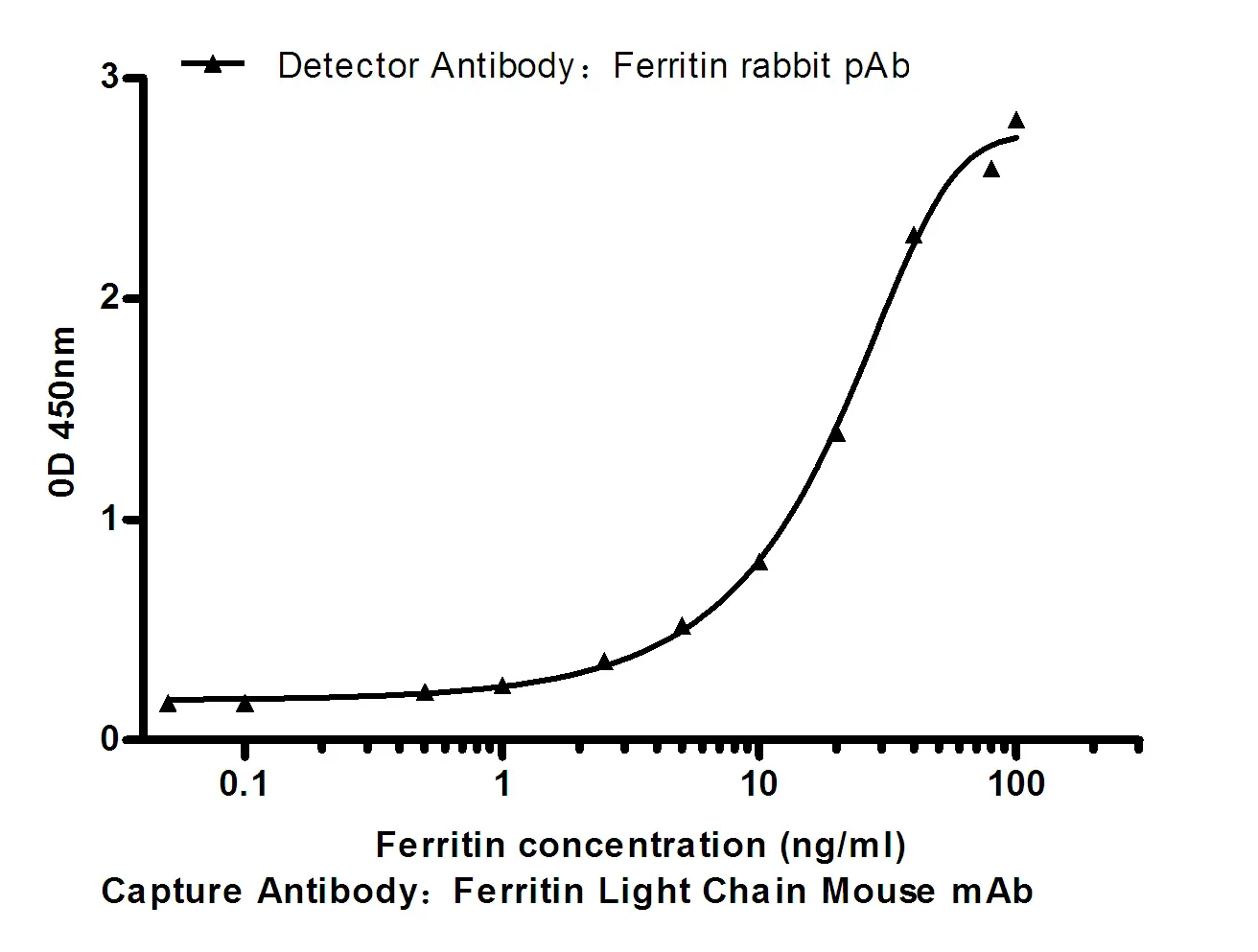
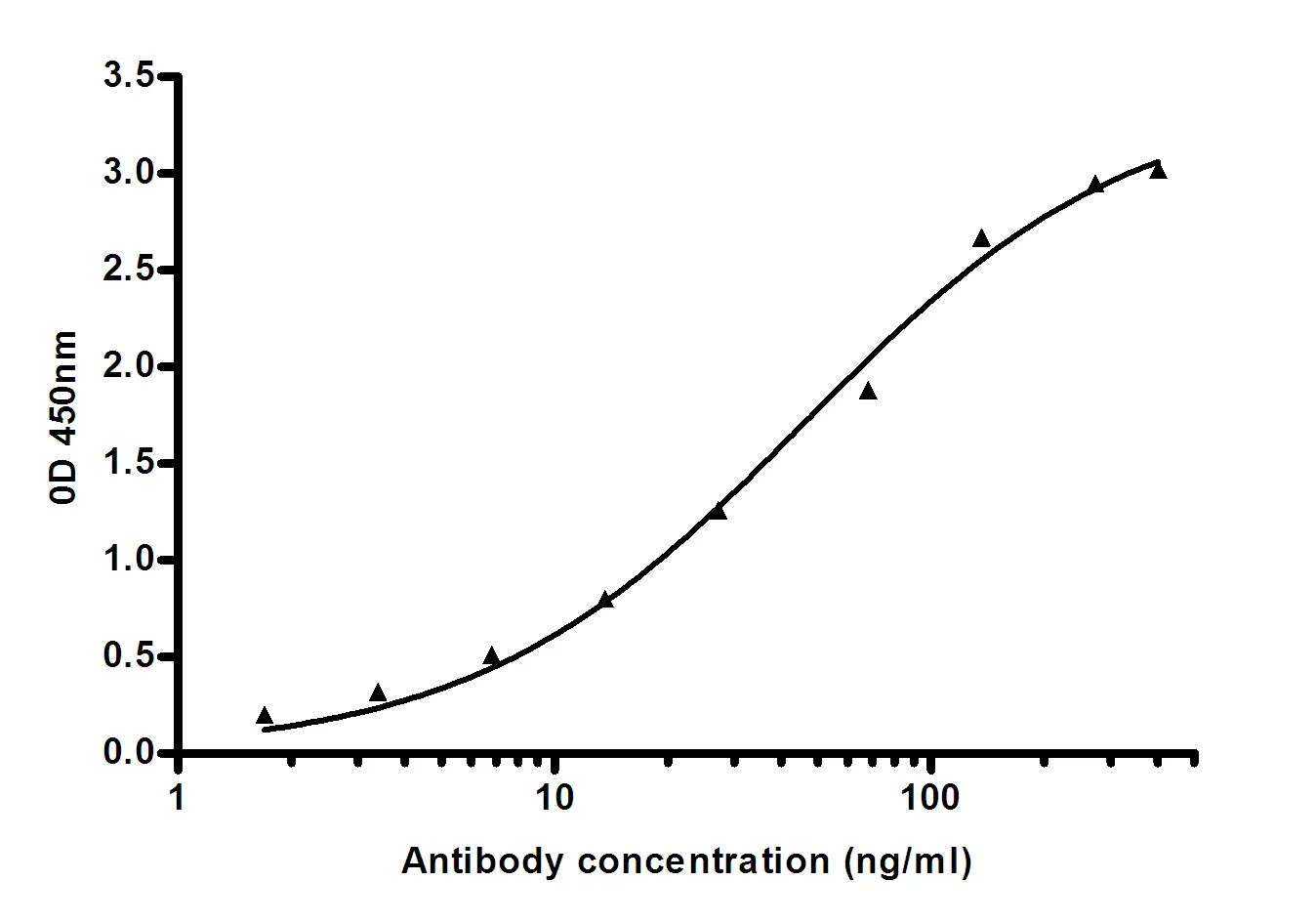
Performance
Immunogen
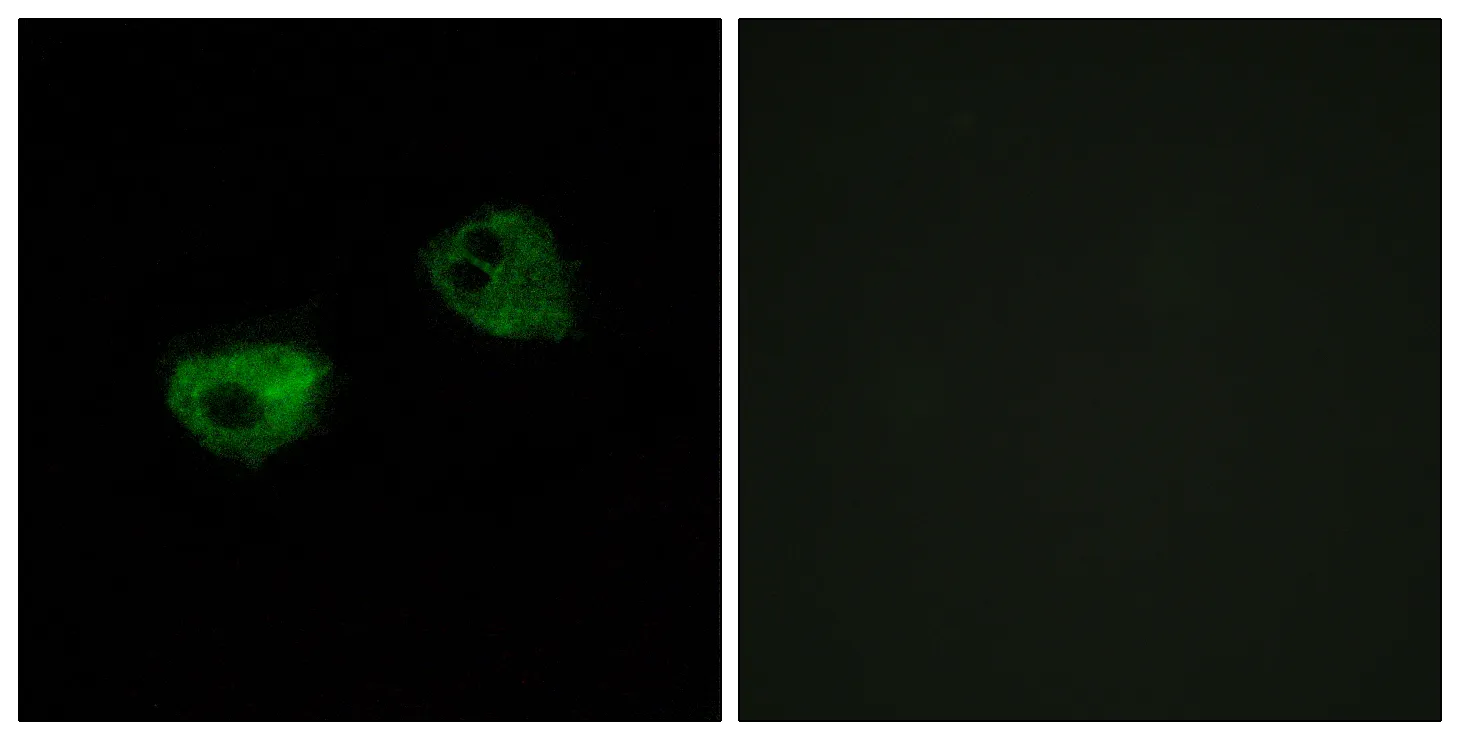
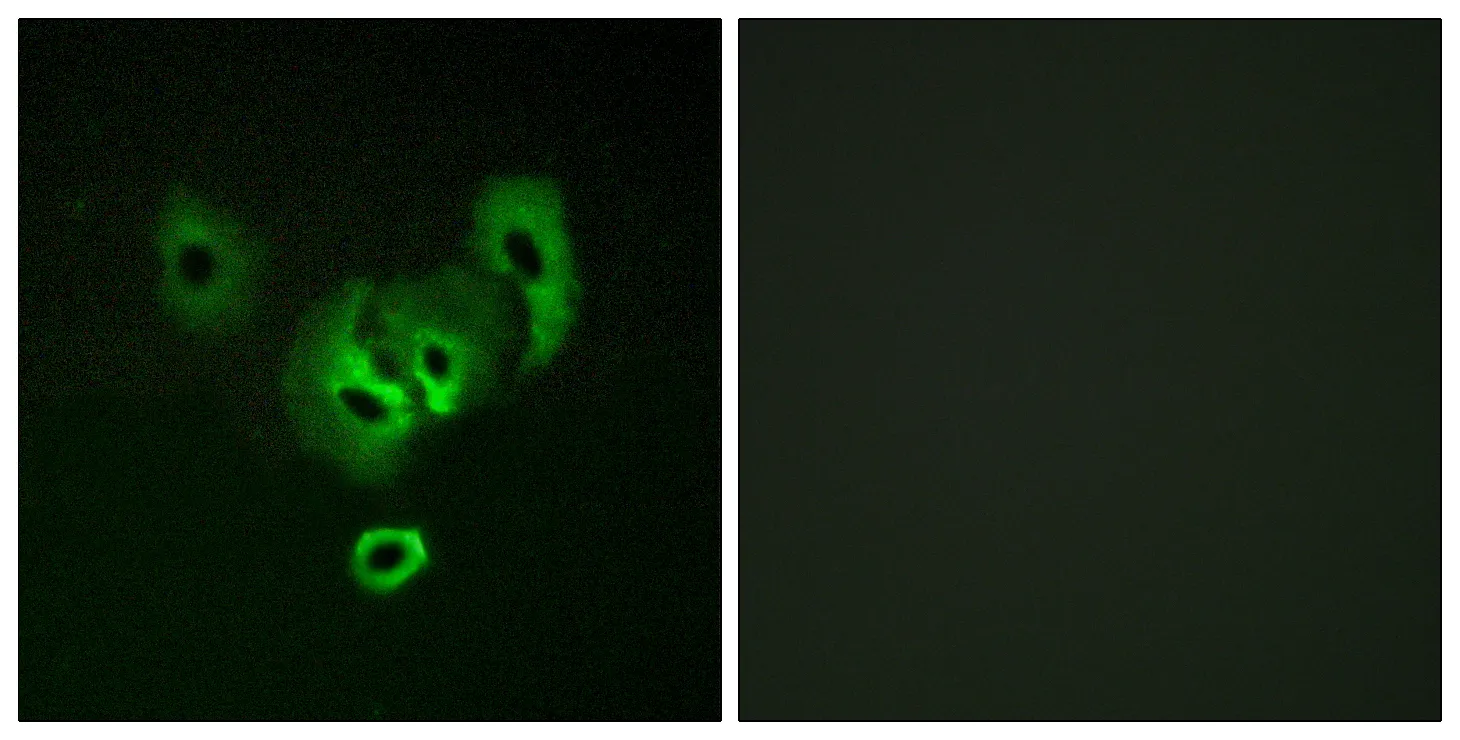
Application
Background
Alpha-1-adrenergic receptors (alpha-1-ARs) are members of the G protein-coupled receptor superfamily. They activate mitogenic responses and regulate growth and proliferation of many cells. There are 3 alpha-1-AR subtypes: alpha-1A, -1B and -1D, all of which signal through the Gq/11 family of G-proteins and different subtypes show different patterns of activation. This gene encodes alpha-1A-adrenergic receptor. Alternative splicing of this gene generates four transcript variants, which encode four different isoforms with distinct C-termini but having similar ligand binding properties. [provided by RefSeq, Jul 2008],function:This alpha-adrenergic receptor mediates its action by association with G proteins that activate a phosphatidylinositol-calcium second messenger system. Its effect is mediated by G(q) and G(11) proteins.,PTM:Carboxyl-terminal Ser or Thr residues may be phosphorylated.,similarity:Belongs to the G-protein coupled receptor 1 family.,tissue specificity:Heart, brain, liver and prostate, but not in kidney, lung, adrenal, aorta and pituitary. Isoform 4 is the most abundant isoform expressed in the prostate with high levels also detected in liver and heart.,
Research Area
Calcium;Neuroactive ligand-receptor interaction;Vascular smooth muscle contraction;