

Arrestin-β-1 Rabbit Polyclonal Antibody($99/20μL)

Arrestin-β-1 Rabbit Polyclonal Antibody($99/20μL)

Cat: APRab07170
Size:20μL Price:$99
Size:50μL Price:$118
Size:100μL Price:$220

Size:200μL Price:$380
Application:WB,IHC,ICC/IF,ELISA

Reactivity:Human,Monkey
Conjugate:Unconjugated
Optional conjugates: Biotin, FITC (free of charge).
See other 26 conjugates.

Gene Name:ARRB1 Category: Polyclonal Antibody Tags: , , ,

Summary

Production Name

Arrestin-β-1 Rabbit Polyclonal Antibody

Description

Rabbit polyclonal Antibody

Host

Rabbit

Application

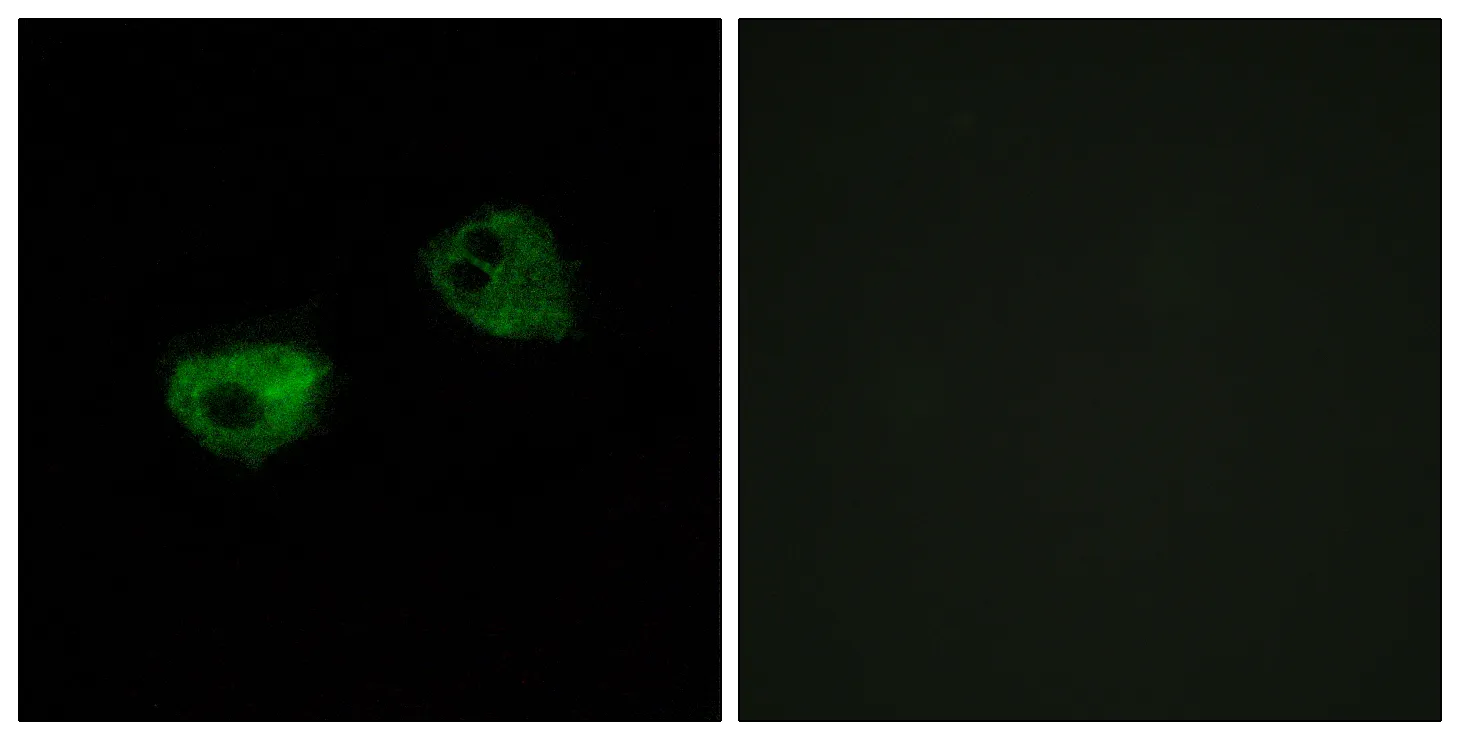
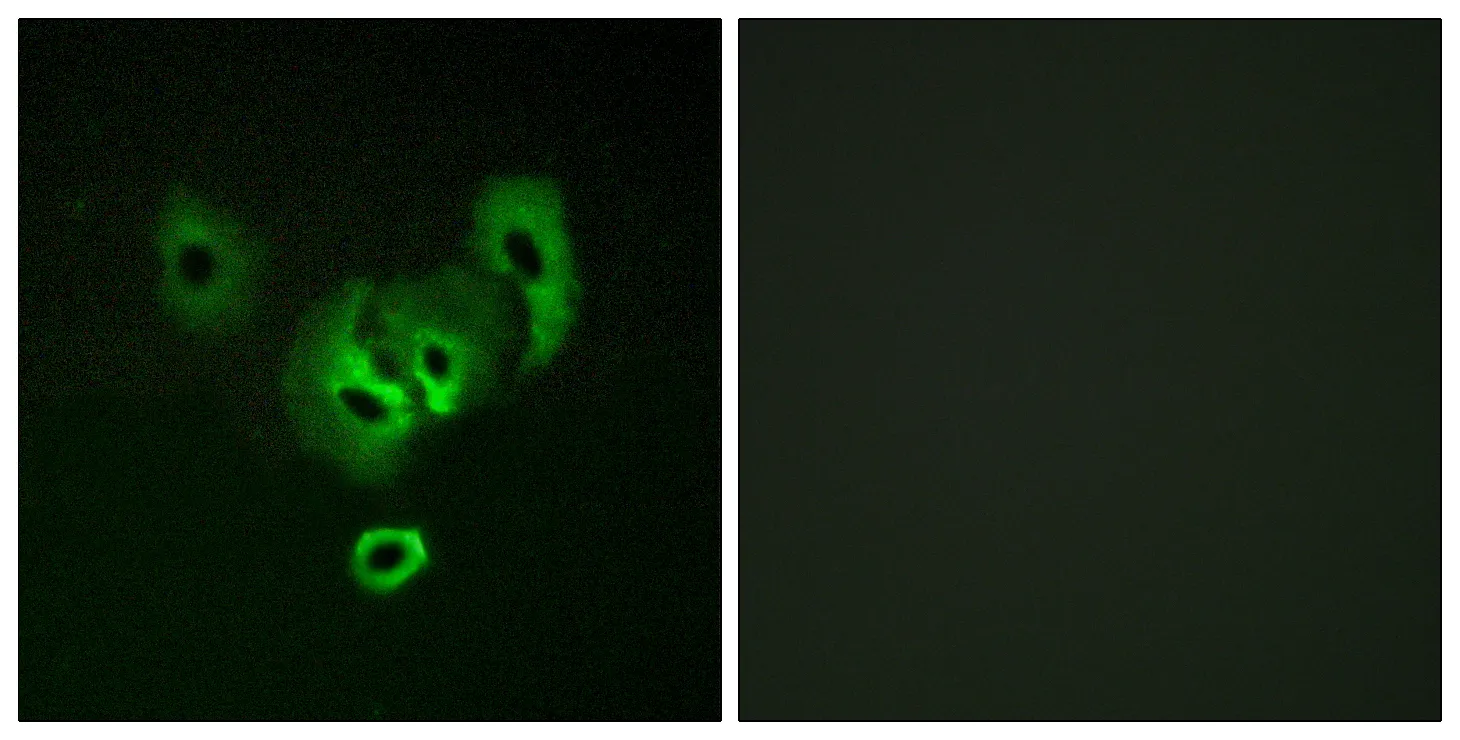
WB,IHC,ICC/IF,ELISA

Reactivity

Human,Monkey


Performance

Conjugation

Unconjugated

Modification

Unmodified

Isotype

IgG

Clonality

Polyclonal

Form

Liquid

Storage

Store at 4°C short term. Aliquot and store at -20°C long term. Avoid freeze/thaw cycles.

Buffer

Liquid in PBS containing 50% glycerol, 0.5% protective protein and 0.02% New type preservative N.

Purification

Affinity purification


Immunogen

Gene Name

ARRB1

Alternative Names

ARRB1; ARR1; Beta-arrestin-1; Arrestin beta-1

Gene ID

408

SwissProt ID

P49407


Application

Dilution Ratio

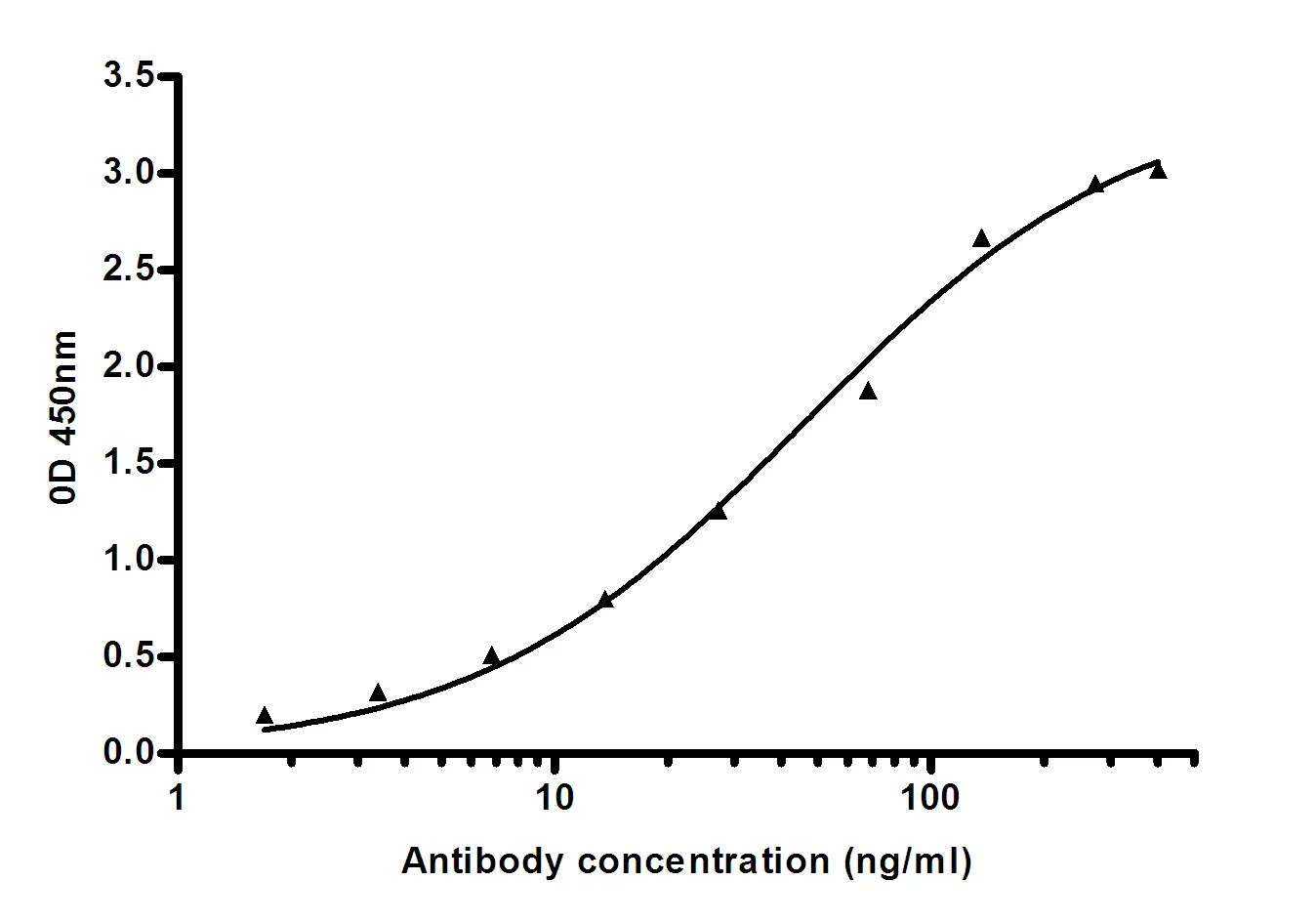
WB 1:500-1:2000,IHC 1:100-1:300,ICC/IF 1:200-1:1000,ELISA 1:5000-1:20000

Molecular Weight

47kDa


Background

Members of arrestin/beta-arrestin protein family are thought to participate in agonist-mediated desensitization of G-protein-coupled receptors and cause specific dampening of cellular responses to stimuli such as hormones, neurotransmitters, or sensory signals. Arrestin beta 1 is a cytosolic protein and acts as a cofactor in the beta-adrenergic receptor kinase (BARK) mediated desensitization of beta-adrenergic receptors. Besides the central nervous system, it is expressed at high levels in peripheral blood leukocytes, and thus the BARK/beta-arrestin system is believed to play a major role in regulating receptor-mediated immune functions. Alternatively spliced transcripts encoding different isoforms of arrestin beta 1 have been described. [provided by RefSeq, Jan 2011],function:Regulates beta-adrenergic receptor function. Beta-arrestins seem to bind phosphorylated beta-adrenergic receptors, thereby causing a significant impairment of their capacity to activate G(S) proteins.,online information:Arrestin entry,similarity:Belongs to the arrestin family.,


Research Area

MAPK_ERK_Growth;MAPK_G_Protein;Chemokine;Endocytosis;
   💬 WhatsApp