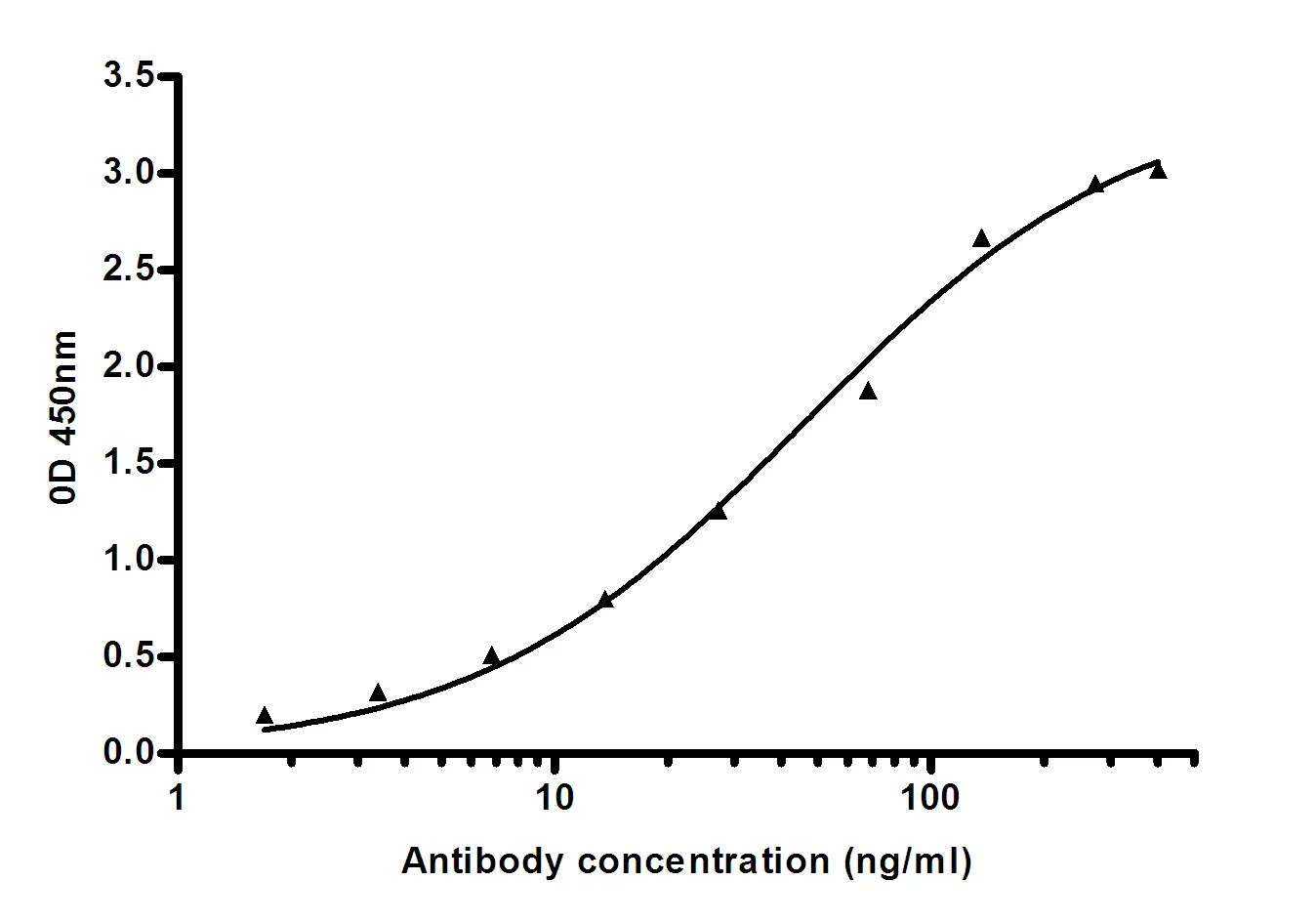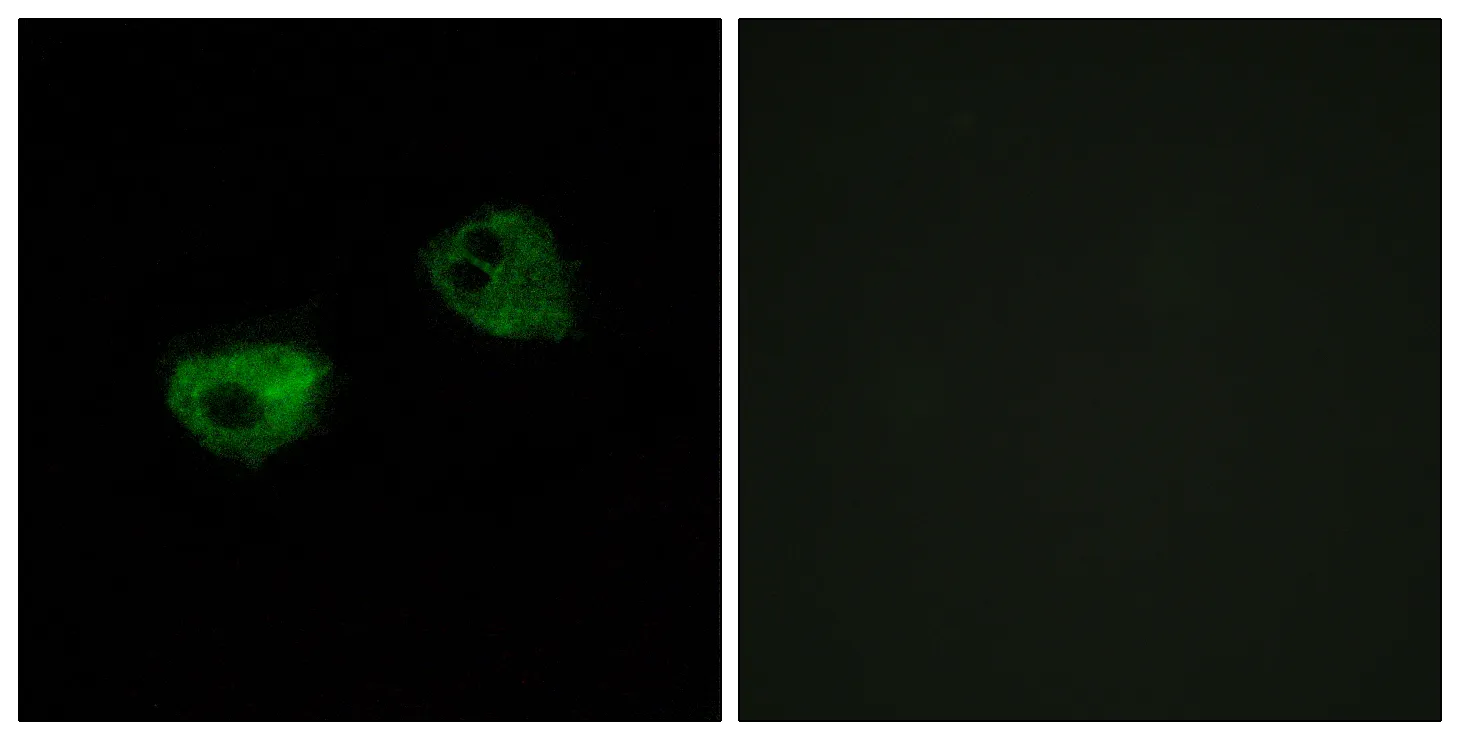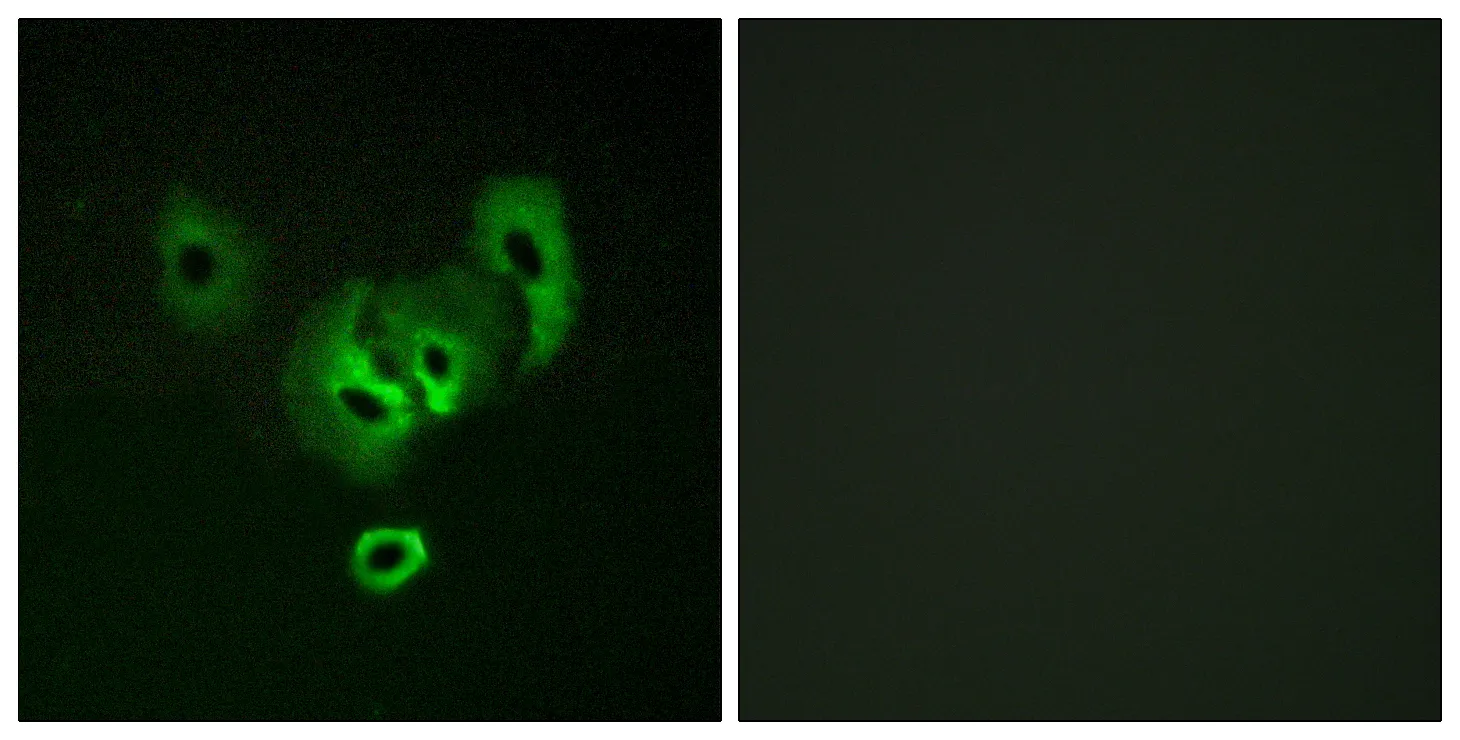


BCAS3 Rabbit Polyclonal Antibody($99/20μL)

BCAS3 Rabbit Polyclonal Antibody($99/20μL)

Cat: APRab07489
Size:20μL Price:$99
Size:50μL Price:$118
Size:100μL Price:$220

Size:200μL Price:$380
Application:WB,ELISA

Reactivity:Human,Mouse
Conjugate:Unconjugated
Optional conjugates: Biotin, FITC (free of charge).
See other 26 conjugates.

Gene Name:BCAS3 Category: Polyclonal Antibody Tags:

Summary

Production Name

BCAS3 Rabbit Polyclonal Antibody

Description

Rabbit polyclonal Antibody

Host

Rabbit

Application

WB,ELISA

Reactivity

Human,Mouse


Performance

Conjugation

Unconjugated

Modification

Unmodified

Isotype

IgG

Clonality

Polyclonal

Form

Liquid

Storage

Store at 4°C short term. Aliquot and store at -20°C long term. Avoid freeze/thaw cycles.

Buffer

Liquid in PBS containing 50% glycerol, 0.5% protective protein and 0.02% New type preservative N.

Purification

Affinity purification


Immunogen

Gene Name

BCAS3

Alternative Names

BCAS3; Breast carcinoma-amplified sequence 3; GAOB1

Gene ID

54828

SwissProt ID

Q9H6U6


Application

Dilution Ratio

WB 1:500-1:2000,ELISA 1:5000-1:10000

Molecular Weight

100kDa


Background

developmental stage:Fetal.,disease:A chromosomal aberration involving BCAS3 may be a cause of breast cancer. Translocation t(17;20)(q23;q13) with BCAS4.,similarity:Belongs to the WD repeat BCAS3 family.,similarity:Contains 3 WD repeats.,tissue specificity:Stomach, liver, lung, kidney, prostate, testis, thyroid gland, adrenal gland, brain, heart, skeletal muscle, colon, spleen, small intestine, placenta, blood leucocyte and mammary epithelial cells. Overexpressed in most breast cancer cell lines.,developmental stage:Fetal.,disease:A chromosomal aberration involving BCAS3 may be a cause of breast cancer. Translocation t(17;20)(q23;q13) with BCAS4.,similarity:Belongs to the WD repeat BCAS3 family.,similarity:Contains 3 WD repeats.,tissue specificity:Stomach, liver, lung, kidney, prostate, testis, thyroid gland, adrenal gland, brain, heart, skeletal muscle, colon, spleen, small intestine, placenta, blood leucocyte and mammary epithelial cells. Overexpressed in most breast cancer cell lines.,


Research Area
   💬 WhatsApp