


BNIP-3 Rabbit Polyclonal Antibody($99/20μL)

BNIP-3 Rabbit Polyclonal Antibody($99/20μL)

Cat: APRab07619
Size:20μL Price:$99
Size:50μL Price:$118
Size:100μL Price:$220

Size:200μL Price:$380
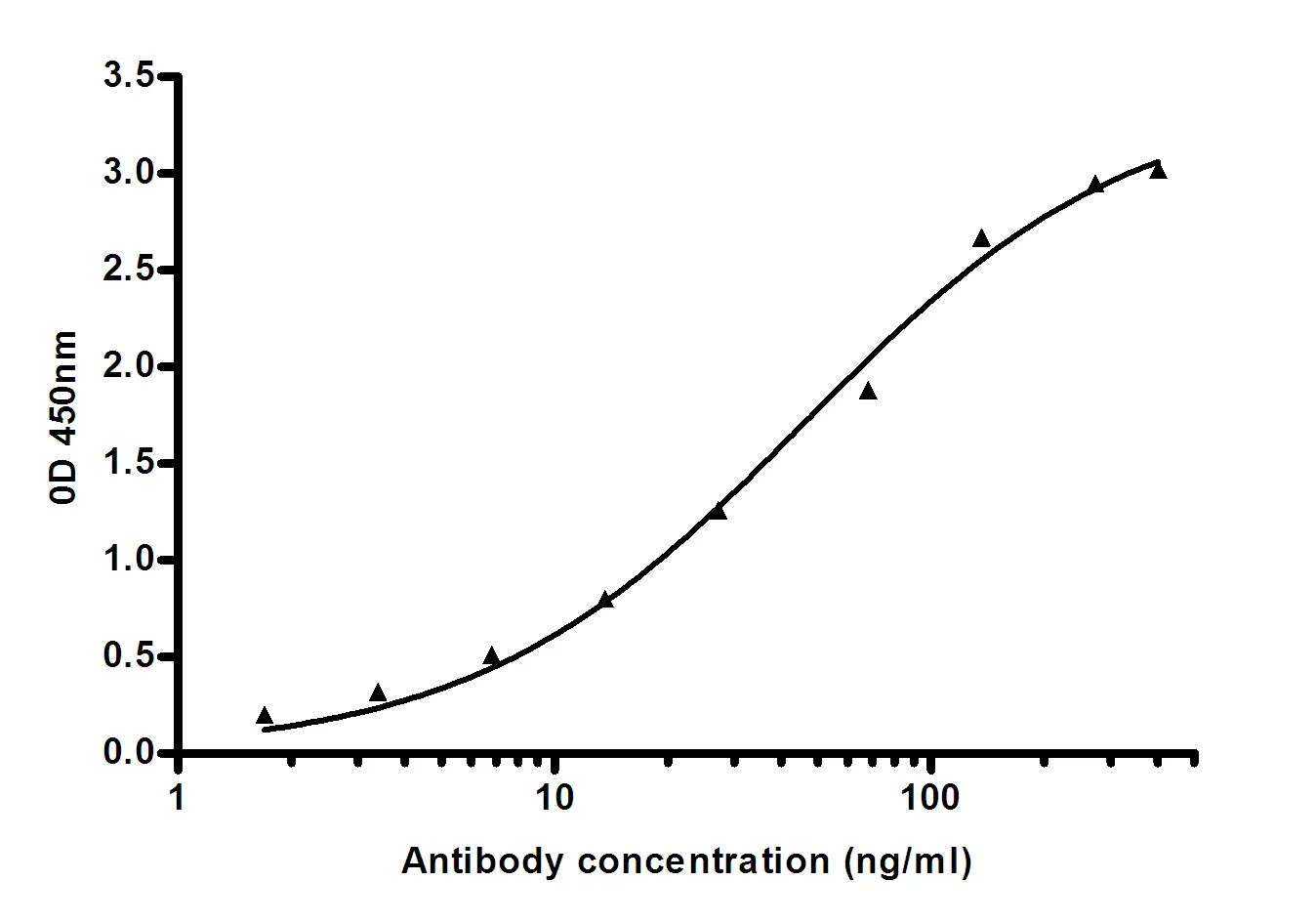
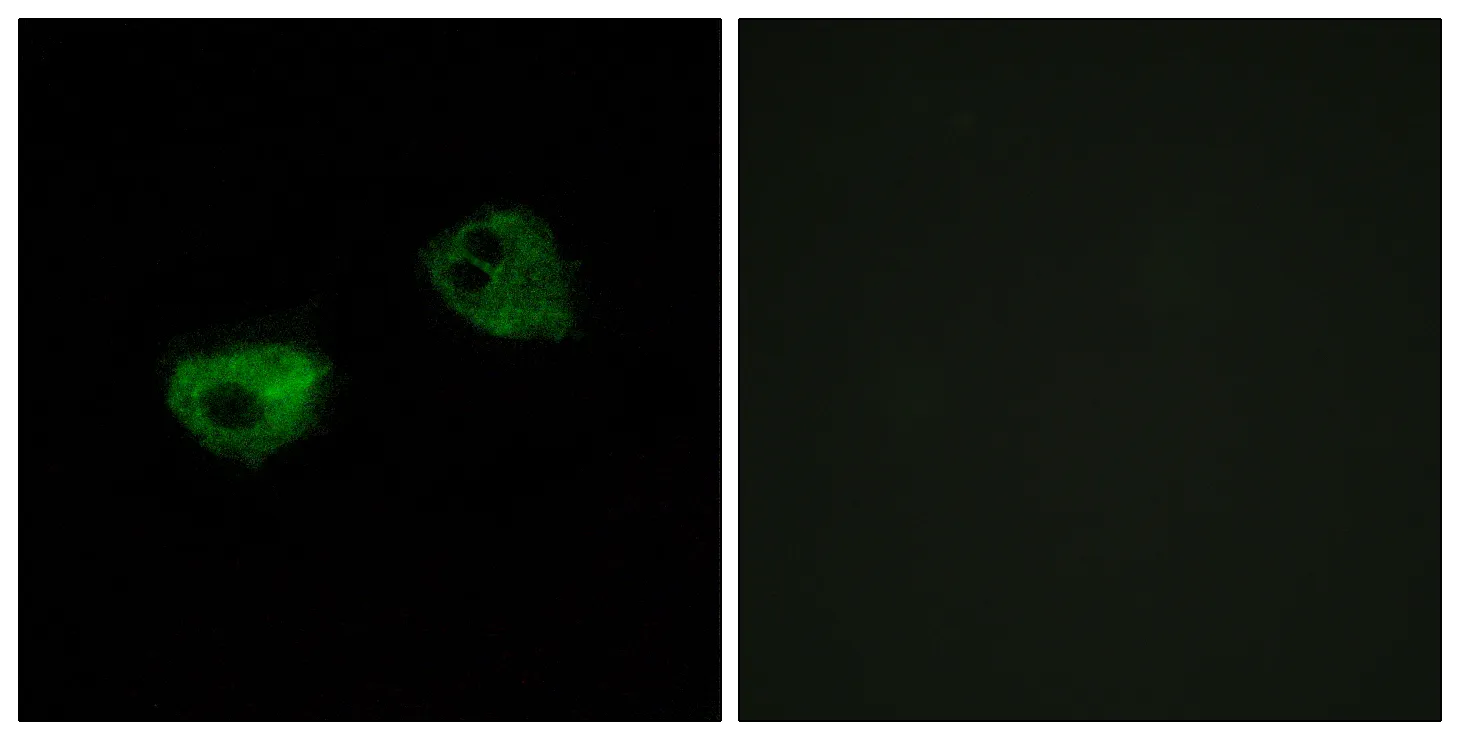
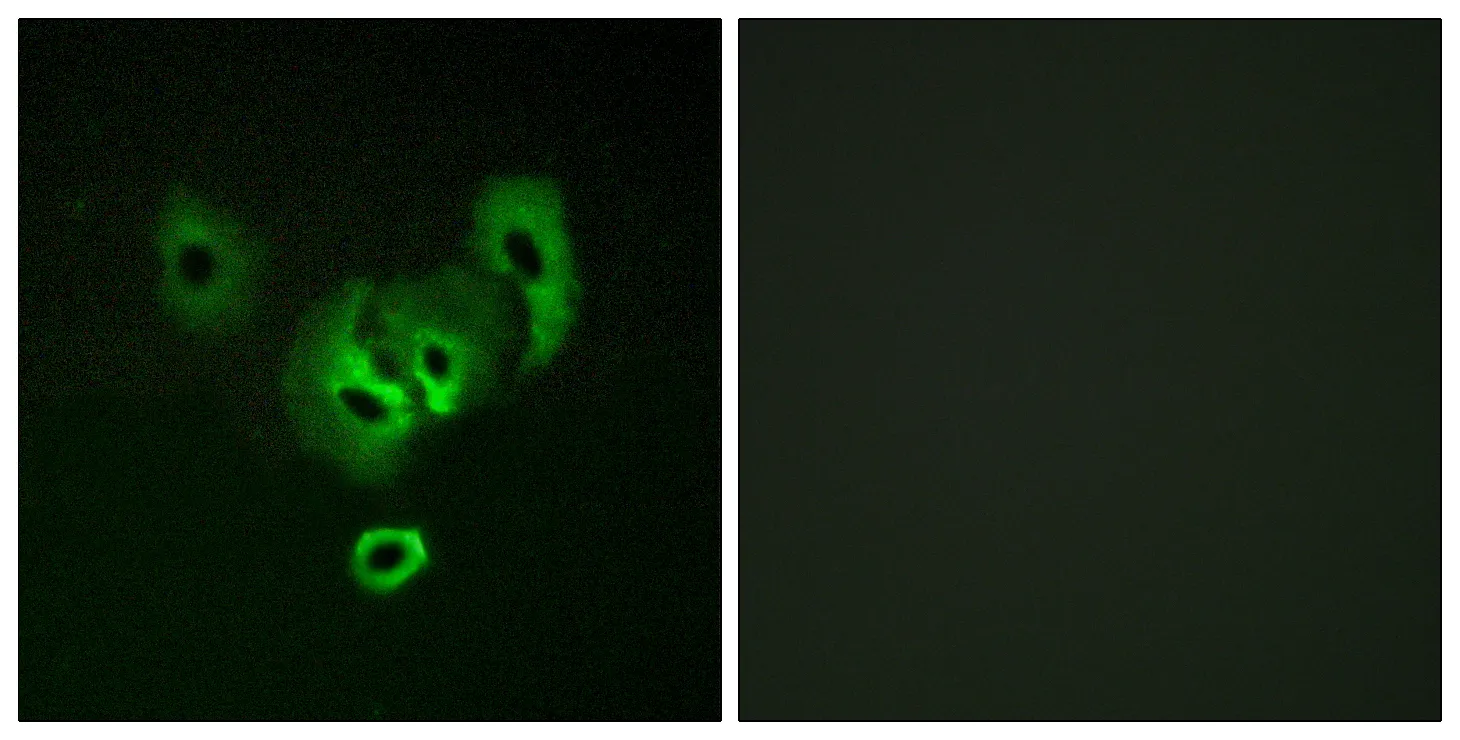
Application:WB,IHC,ICC/IF,ELISA

Reactivity:Human,Rat,Mouse
Conjugate:Unconjugated
Optional conjugates: Biotin, FITC (free of charge).
See other 26 conjugates.

Gene Name:BNIP3 Category: Polyclonal Antibody Tags:

Summary

Production Name

BNIP-3 Rabbit Polyclonal Antibody

Description

Rabbit polyclonal Antibody

Host

Rabbit

Application

WB,IHC,ICC/IF,ELISA

Reactivity

Human,Rat,Mouse


Performance

Conjugation

Unconjugated

Modification

Unmodified

Isotype

IgG

Clonality

Polyclonal

Form

Liquid

Storage

Store at 4°C short term. Aliquot and store at -20°C long term. Avoid freeze/thaw cycles.

Buffer

Liquid in PBS containing 50% glycerol, 0.5% protective protein and 0.02% New type preservative N.

Purification

Affinity purification


Immunogen

Gene Name

BNIP3

Alternative Names

BNIP3; NIP3; BCL2/adenovirus E1B 19 kDa protein-interacting protein 3

Gene ID

664

SwissProt ID

Q12983


Application

Dilution Ratio

WB 1:500-1:2000,IHC 1:100-1:300,ICC/IF 1:50-1:200,ELISA 1:10000-1:20000

Molecular Weight

22kDa


Background

This gene is encodes a mitochondrial protein that contains a BH3 domain and acts as a pro-apoptotic factor. The encoded protein interacts with anti-apoptotic proteins, including the E1B 19 kDa protein and Bcl2. This gene is silenced in tumors by DNA methylation. [provided by RefSeq, Dec 2014],function:Apoptosis-inducing protein that, which can overcome BCL2 suppression. May play a role in repartitioning calcium between the two major intracellular calcium stores in association with BCL2.,similarity:Belongs to the NIP3 family.,subcellular location:Coexpression with the EIB 19-kDa protein results in a shift in NIP3 localization pattern to the nuclear envelope.,subunit:Homodimer. Binds to BCL2. Interacts with BNIP3L. Also can interact with adenovirus E1B 19 kDa protein or Epstein-Barr virus BHRF1.,


Research Area

Cell Biology
   💬 WhatsApp