

C3aR Rabbit Polyclonal Antibody($99/20μL)

C3aR Rabbit Polyclonal Antibody($99/20μL)

Cat: APRab07746
Size:20μL Price:$99
Size:50μL Price:$118
Size:100μL Price:$220

Size:200μL Price:$380
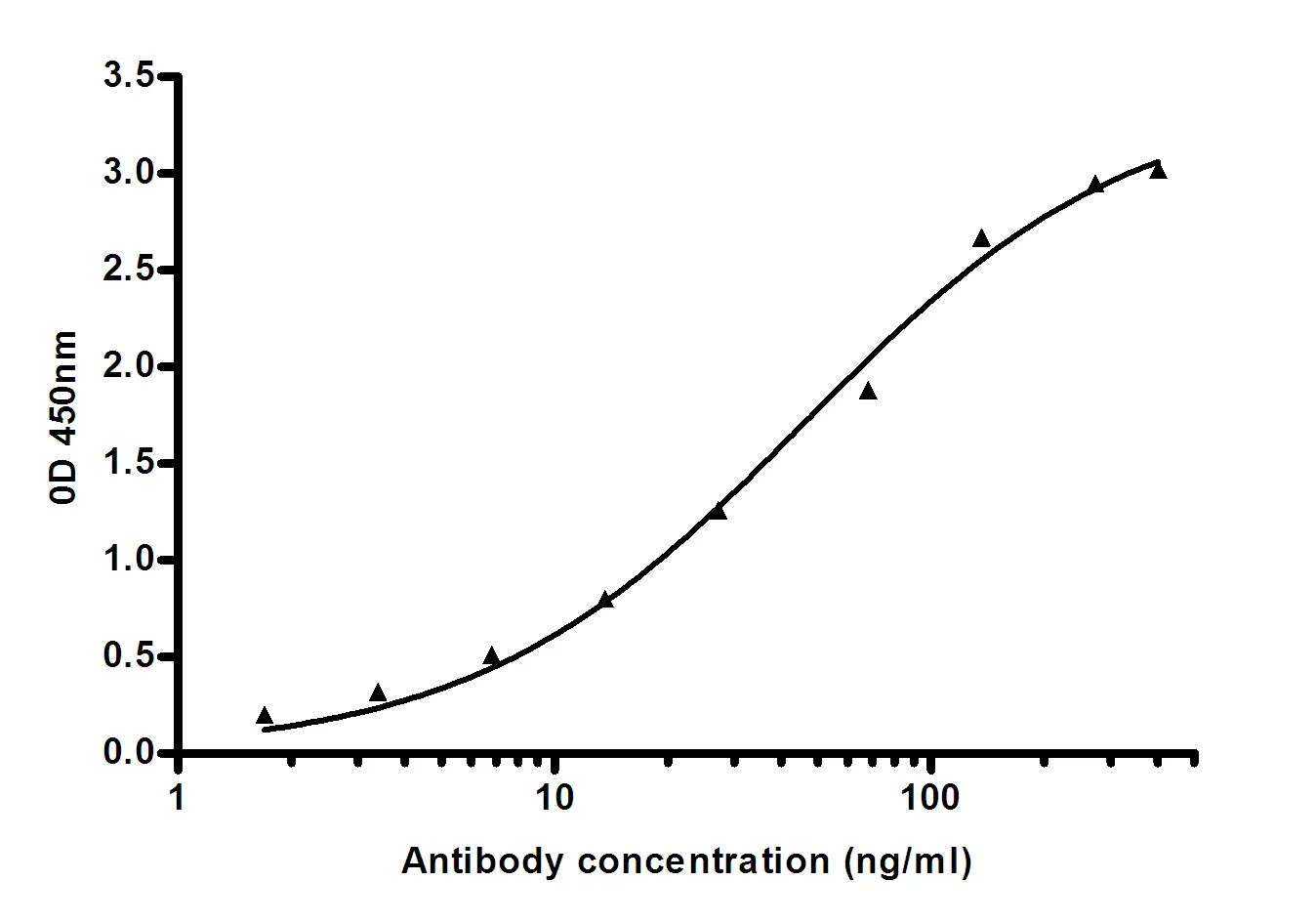
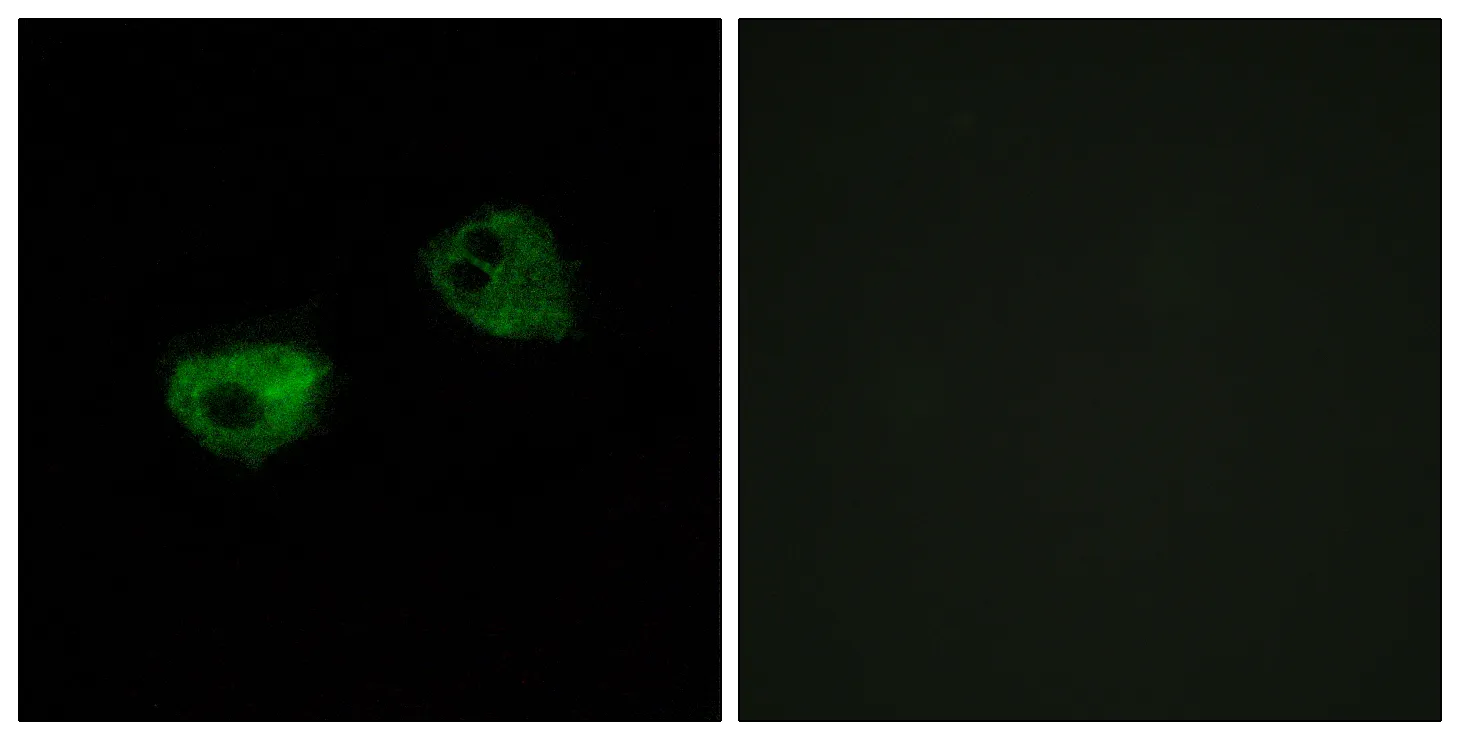
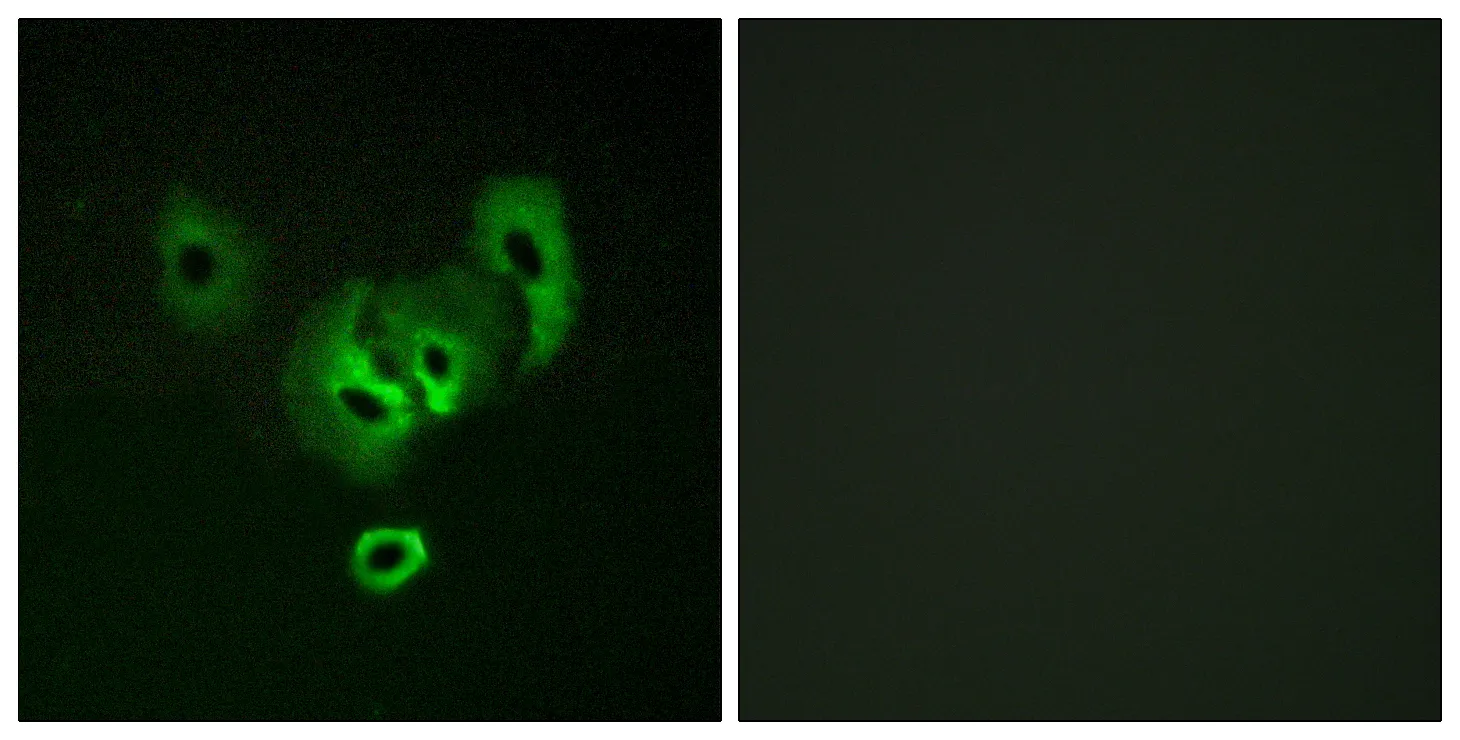
Application:IHC,ICC/IF,ELISA

Reactivity:Human,Rat,Mouse
Conjugate:Unconjugated
Optional conjugates: Biotin, FITC (free of charge).
See other 26 conjugates.

Gene Name:C3AR1 Category: Polyclonal Antibody Tags: ,

Summary

Production Name

C3aR Rabbit Polyclonal Antibody

Description

Rabbit polyclonal Antibody

Host

Rabbit

Application

IHC,ICC/IF,ELISA

Reactivity

Human,Rat,Mouse


Performance

Conjugation

Unconjugated

Modification

Unmodified

Isotype

IgG

Clonality

Polyclonal

Form

Liquid

Storage

Store at 4°C short term. Aliquot and store at -20°C long term. Avoid freeze/thaw cycles.

Buffer

Liquid in PBS containing 50% glycerol, 0.5% protective protein and 0.02% New type preservative N.

Purification

Affinity purification


Immunogen

Gene Name

C3AR1

Alternative Names

C3AR1; AZ3B; C3R1; HNFAG09; C3a anaphylatoxin chemotactic receptor; C3AR; C3a-R

Gene ID

719

SwissProt ID

Q16581


Application

Dilution Ratio

IHC 1:100-1:300,ICC/IF 1:200-1:1000,ELISA 1:5000-1:20000

Molecular Weight


Background

C3a is an anaphylatoxin released during activation of the complement system. The protein encoded by this gene is an orphan G protein-coupled receptor for C3a. Binding of C3a by the encoded receptor activates chemotaxis, granule enzyme release, superoxide anion production, and bacterial opsonization. [provided by RefSeq, May 2016],function:Receptor for the chemotactic and inflammatory peptide anaphylatoxin C3a. This receptor stimulates chemotaxis, granule enzyme release and superoxide anion production.,PTM:Among the sulfation sites Tyr-174 is essential for binding of C3a anaphylatoxin.,similarity:Belongs to the G-protein coupled receptor 1 family.,tissue specificity:Widely expressed in several differentiated hematopoietic cell lines, in the lung, spleen, ovary, placenta, small intestine, throughout the brain, heart, and endothelial cells. Mostly expressed in lymphoid tissues.,


Research Area

Neuroactive ligand-receptor interaction;Complement and coagulation cascades;
   💬 WhatsApp