


CARD 10 Rabbit Polyclonal Antibody($99/20μL)

CARD 10 Rabbit Polyclonal Antibody($99/20μL)

Cat: APRab07923
Size:20μL Price:$99
Size:50μL Price:$118
Size:100μL Price:$220

Size:200μL Price:$380
Application:WB,IHC,ICC/IF,ELISA

Reactivity:Human,Mouse
Conjugate:Unconjugated
Optional conjugates: Biotin, FITC (free of charge).
See other 26 conjugates.

Gene Name:CARD10 Category: Polyclonal Antibody Tags:

Summary

Production Name

CARD 10 Rabbit Polyclonal Antibody

Description

Rabbit polyclonal Antibody

Host

Rabbit

Application

WB,IHC,ICC/IF,ELISA

Reactivity

Human,Mouse


Performance

Conjugation

Unconjugated

Modification

Unmodified

Isotype

IgG

Clonality

Polyclonal

Form

Liquid

Storage

Store at 4°C short term. Aliquot and store at -20°C long term. Avoid freeze/thaw cycles.

Buffer

Liquid in PBS containing 50% glycerol, 0.5% protective protein and 0.02% New type preservative N.

Purification

Affinity purification


Immunogen

Gene Name

CARD10

Alternative Names

CARD10; CARMA3; Caspase recruitment domain-containing protein 10; CARD-containing MAGUK protein 3; Carma 3

Gene ID

29775

SwissProt ID

Q9BWT7


Application

Dilution Ratio

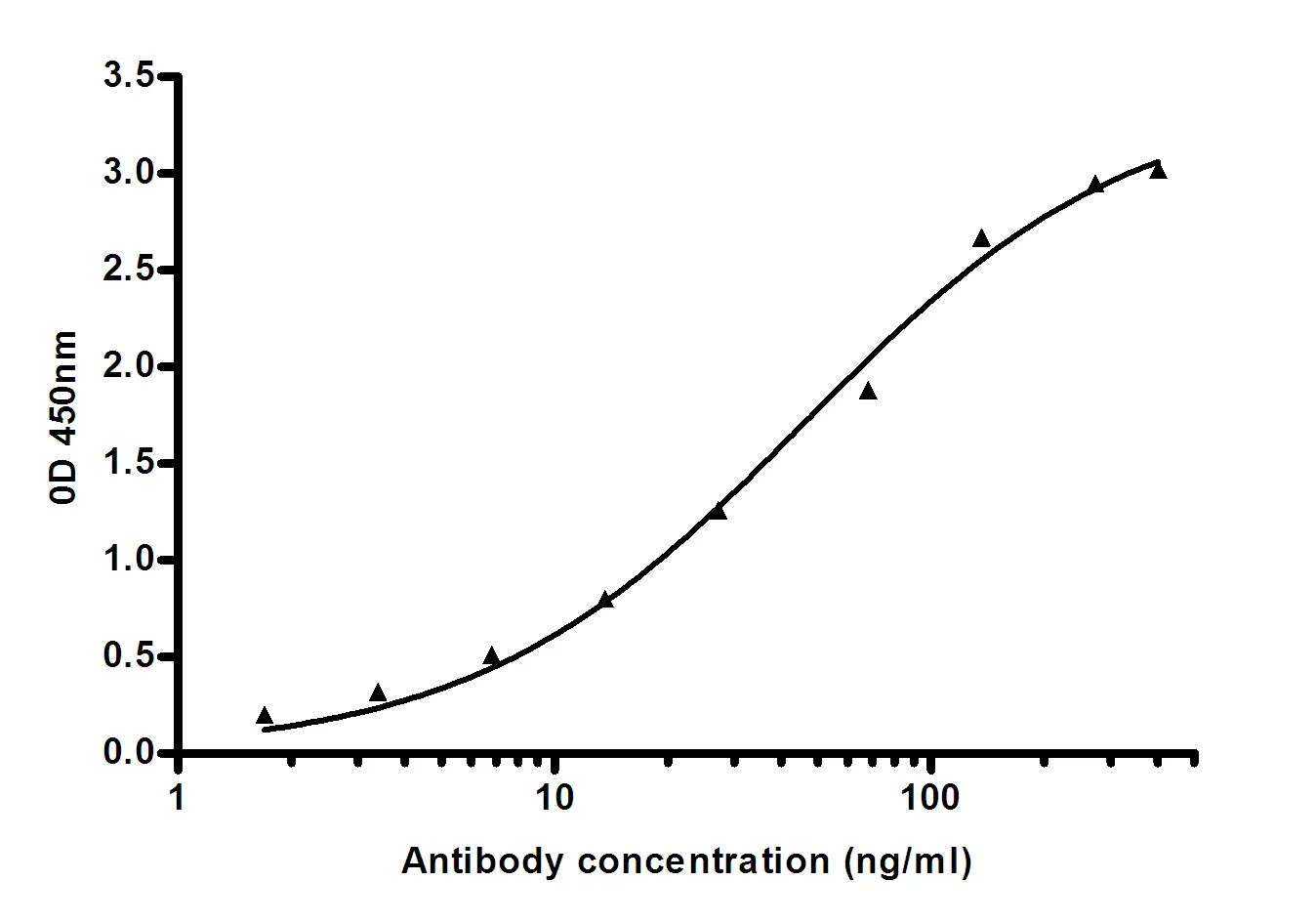
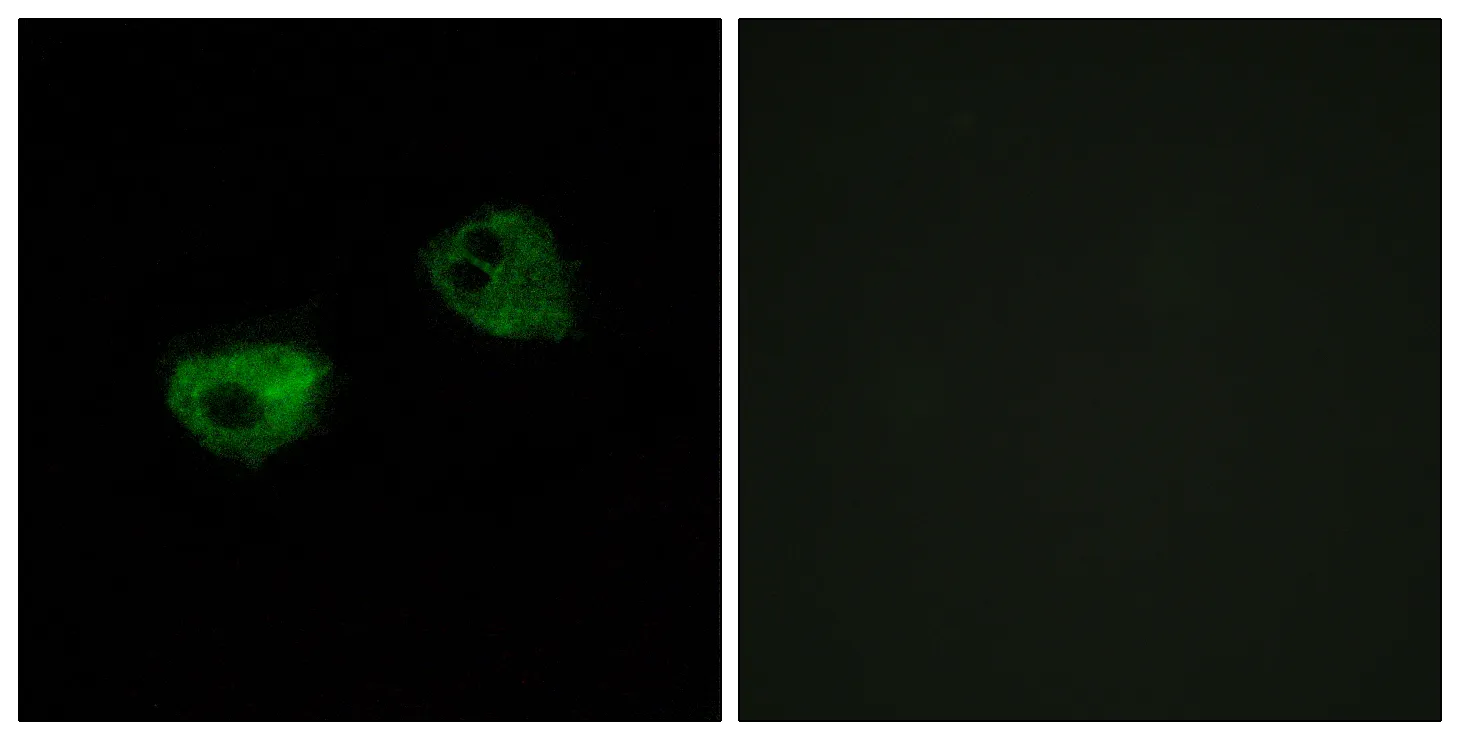
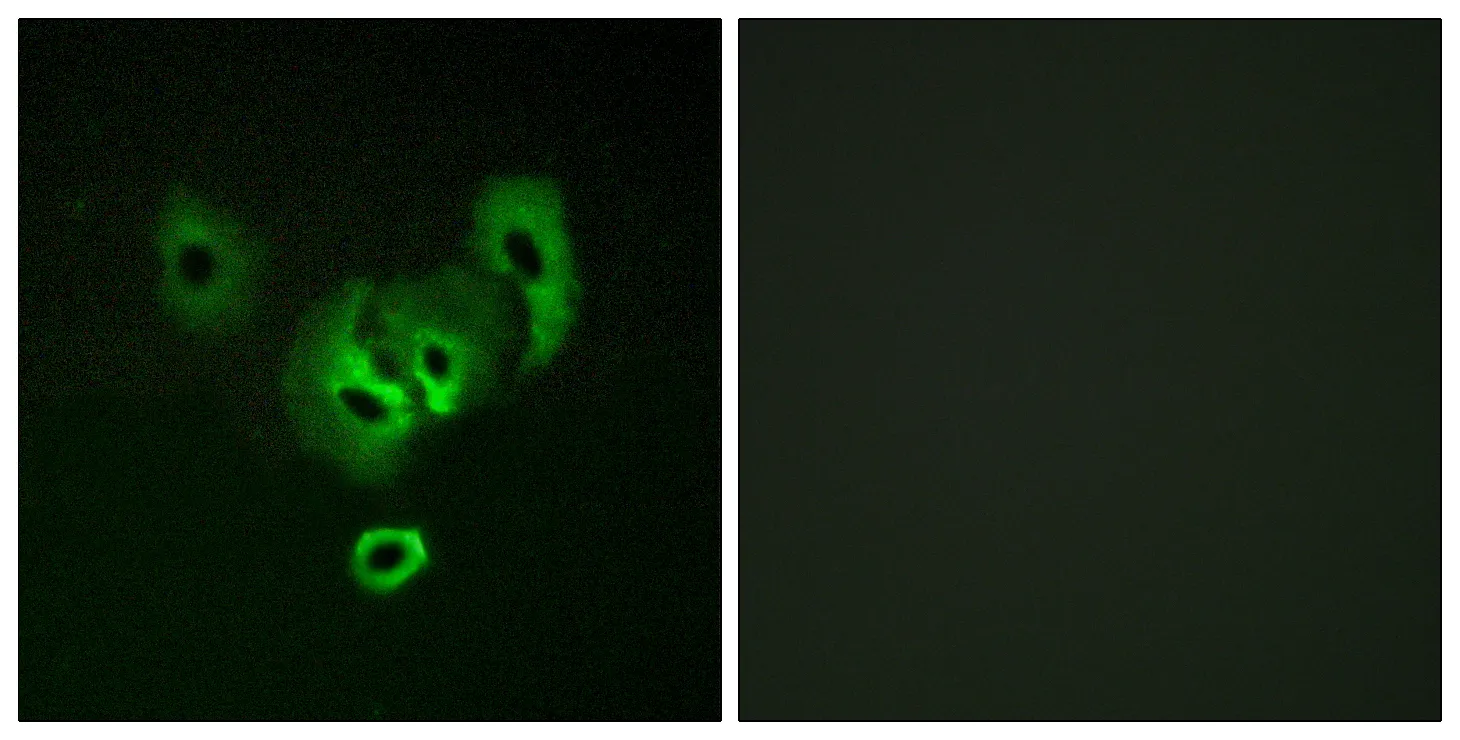
WB 1:500-1:2000,IHC 1:100-1:300,ICC/IF 1:200-1:1000,ELISA 1:5000-1:20000

Molecular Weight

120kDa


Background

The caspase recruitment domain (CARD) is a protein module that consists of 6 or 7 antiparallel alpha helices. It participates in apoptosis signaling through highly specific protein-protein homophilic interactions. Like several other CARD proteins, CARD10 belongs to the membrane-associated guanylate kinase (MAGUK) family and activates NF-kappa-B (NFKB; see MIM 164011) through BCL10 (MIM 603517) (Wang et al., 2001 [PubMed 11259443]).[supplied by OMIM, Mar 2008],caution:Supposed to contain a SH3, a PDZ and a guanylate kinase-like domain. But none of these 3 domains are detected by PROSITE, Pfam or SMART.,function:Activates NF-kappa-B via BCL10 and IKK.,similarity:Contains 1 CARD domain.,subunit:CARD10 and BCL10 bind to each other by CARD-CARD interaction. They both participate in a complex with MALT1, where MALT1 binds to BCL10.,tissue specificity:Detected in adult heart, kidney and liver; lower levels in intestine, placenta, muscle and lung. Also found in fetal lung, liver and kidney.,


Research Area
   💬 WhatsApp