CCK-AR Rabbit Polyclonal Antibody($99/20μL)

CCK-AR Rabbit Polyclonal Antibody($99/20μL)

Cat: APRab08128
Size:20μL Price:$99
Size:50μL Price:$118
Size:100μL Price:$220

Size:200μL Price:$380
Application:WB,IHC,ICC/IF,ELISA

Reactivity:Human,Mouse,Rat
Conjugate:Unconjugated
Optional conjugates: Biotin, FITC (free of charge).
See other 26 conjugates.

Gene Name:CCKAR Category: Polyclonal Antibody Tags: ,

Summary

Production Name

CCK-AR Rabbit Polyclonal Antibody

Description

Rabbit polyclonal Antibody

Host

Rabbit

Application

WB,IHC,ICC/IF,ELISA

Reactivity

Human,Mouse,Rat


Performance

Conjugation

Unconjugated

Modification

Unmodified

Isotype

IgG

Clonality

Polyclonal

Form

Liquid

Storage

Store at 4°C short term. Aliquot and store at -20°C long term. Avoid freeze/thaw cycles.

Buffer

Liquid in PBS containing 50% glycerol, 0.5% protective protein and 0.02% New type preservative N.

Purification

Affinity purification


Immunogen

Gene Name

CCKAR

Alternative Names

CCKAR; CCKRA; Cholecystokinin receptor type A; CCK-A receptor; CCK-AR; Cholecystokinin-1 receptor; CCK1-R

Gene ID

886

SwissProt ID

P32238


Application

Dilution Ratio

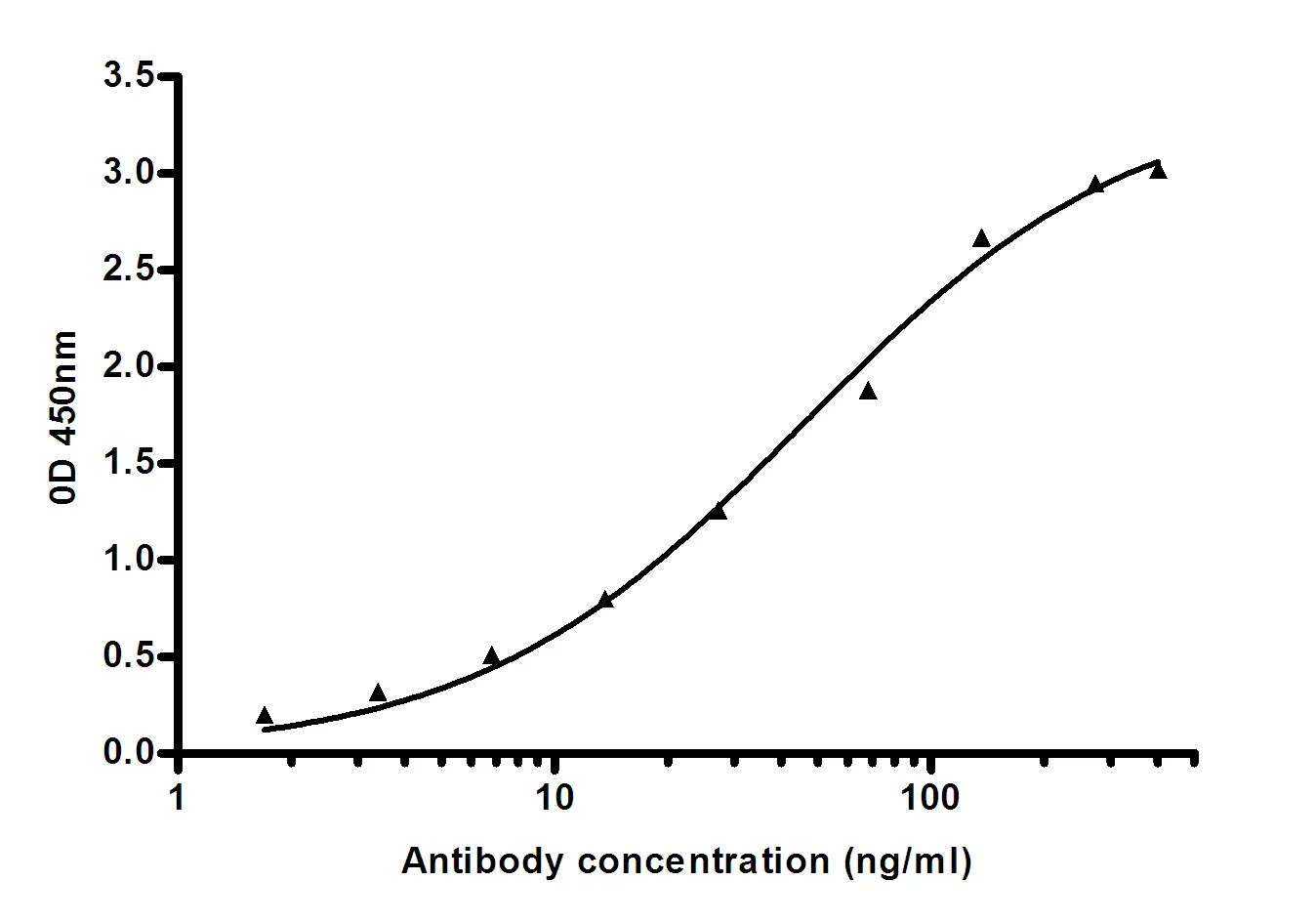
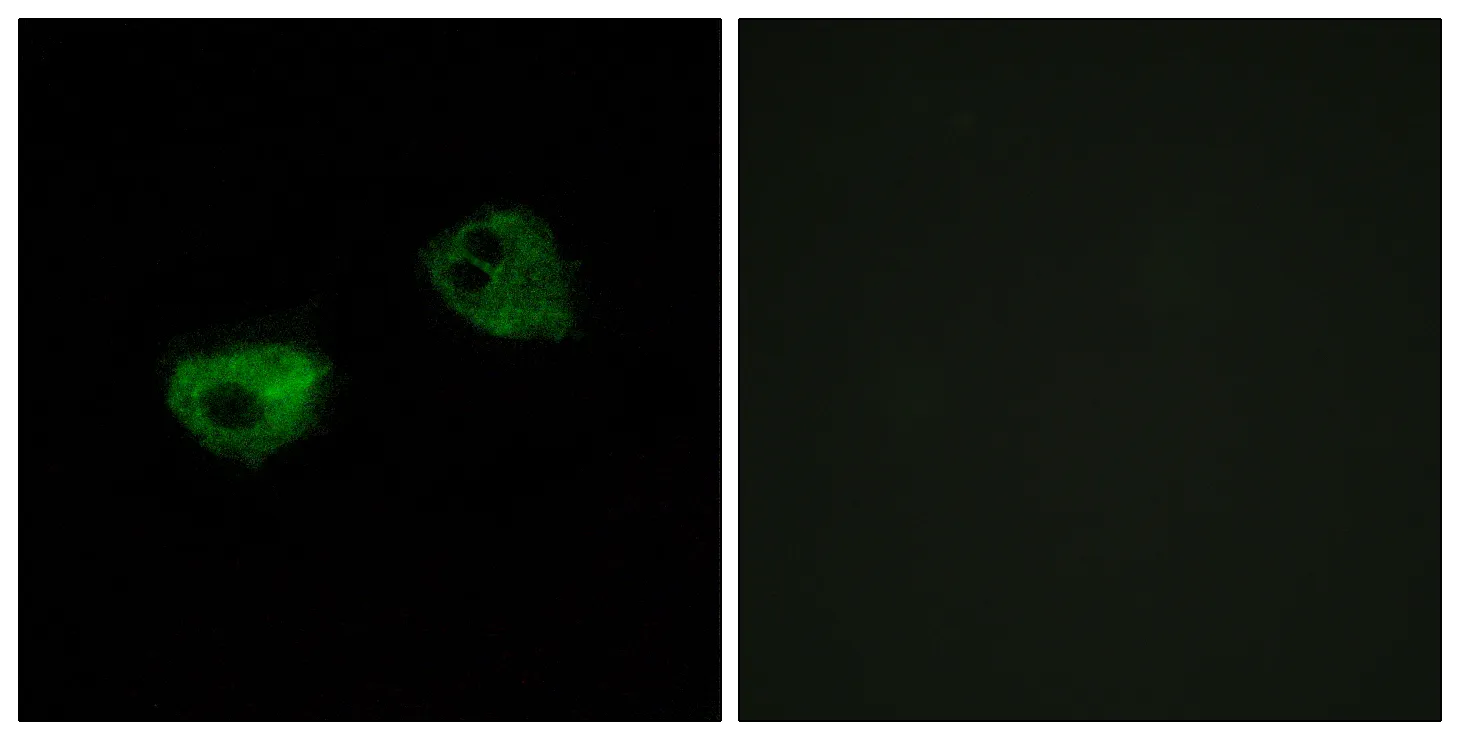
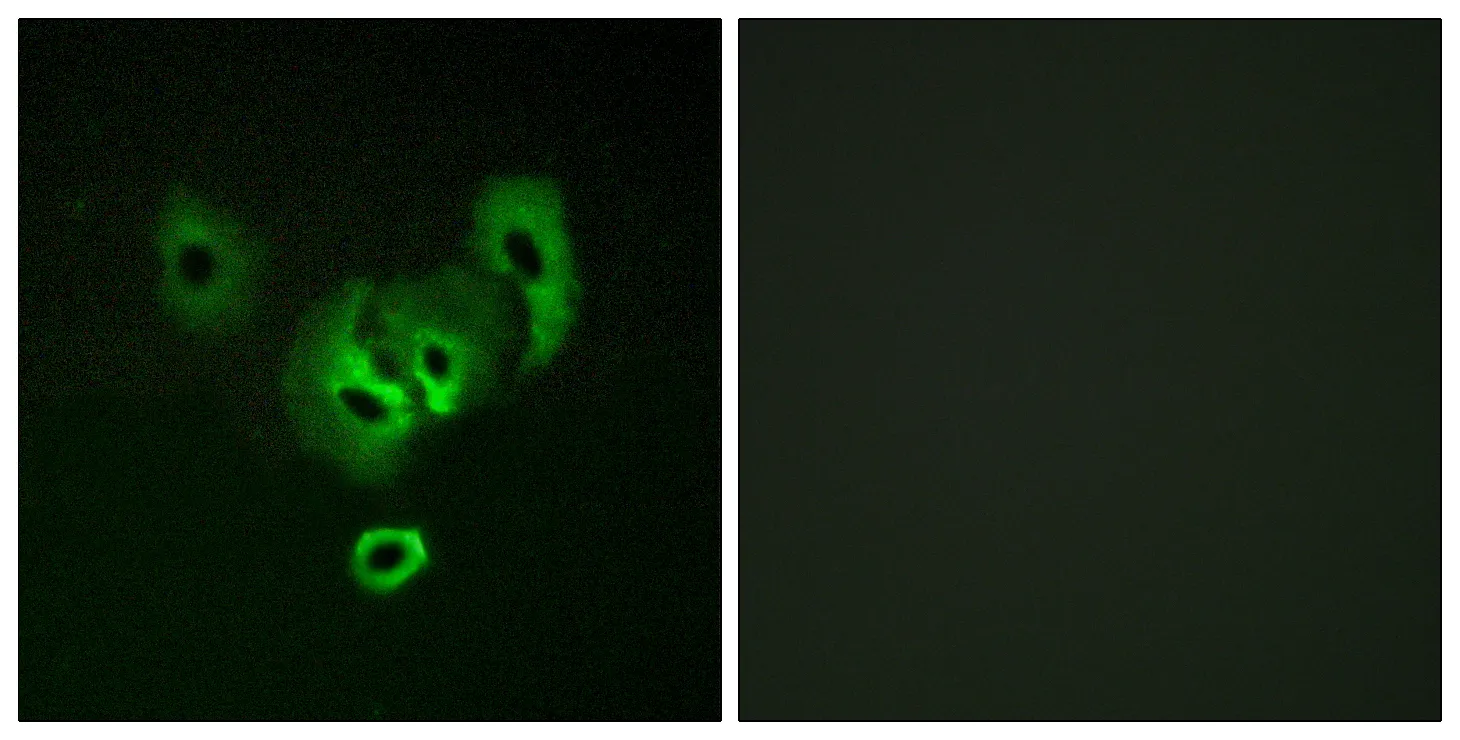
WB 1:500-1:2000,IHC 1:100-1:300,ICC/IF 1:200-1:1000,ELISA 1:5000-1:20000

Molecular Weight

44kDa


Background

This gene encodes a G-protein coupled receptor that binds non-sulfated members of the cholecystokinin (CCK) family of peptide hormones. This receptor is a major physiologic mediator of pancreatic enzyme secretion and smooth muscle contraction of the gallbladder and stomach. In the central and peripheral nervous system this receptor regulates satiety and the release of beta-endorphin and dopamine. [provided by RefSeq, Jul 2008],function:Receptor for cholecystokinin. Mediates pancreatic growth and enzyme secretion, smooth muscle contraction of the gall bladder and stomach. Has a 1000-fold higher affinity for CCK rather than for gastrin. It modulates feeding and dopamine-induced behavior in the central and peripheral nervous system. This receptor mediates its action by association with G proteins that activate a phosphatidylinositol-calcium second messenger system.,online information:Cholecystokinin receptor entry,similarity:Belongs to the G-protein coupled receptor 1 family.,


Research Area

Calcium;Neuroactive ligand-receptor interaction;
   💬 WhatsApp