CD137 Rabbit Polyclonal Antibody($99/20μL)

CD137 Rabbit Polyclonal Antibody($99/20μL)

Cat: APRab08206
Size:20μL Price:$99
Size:50μL Price:$118
Size:100μL Price:$220

Size:200μL Price:$380
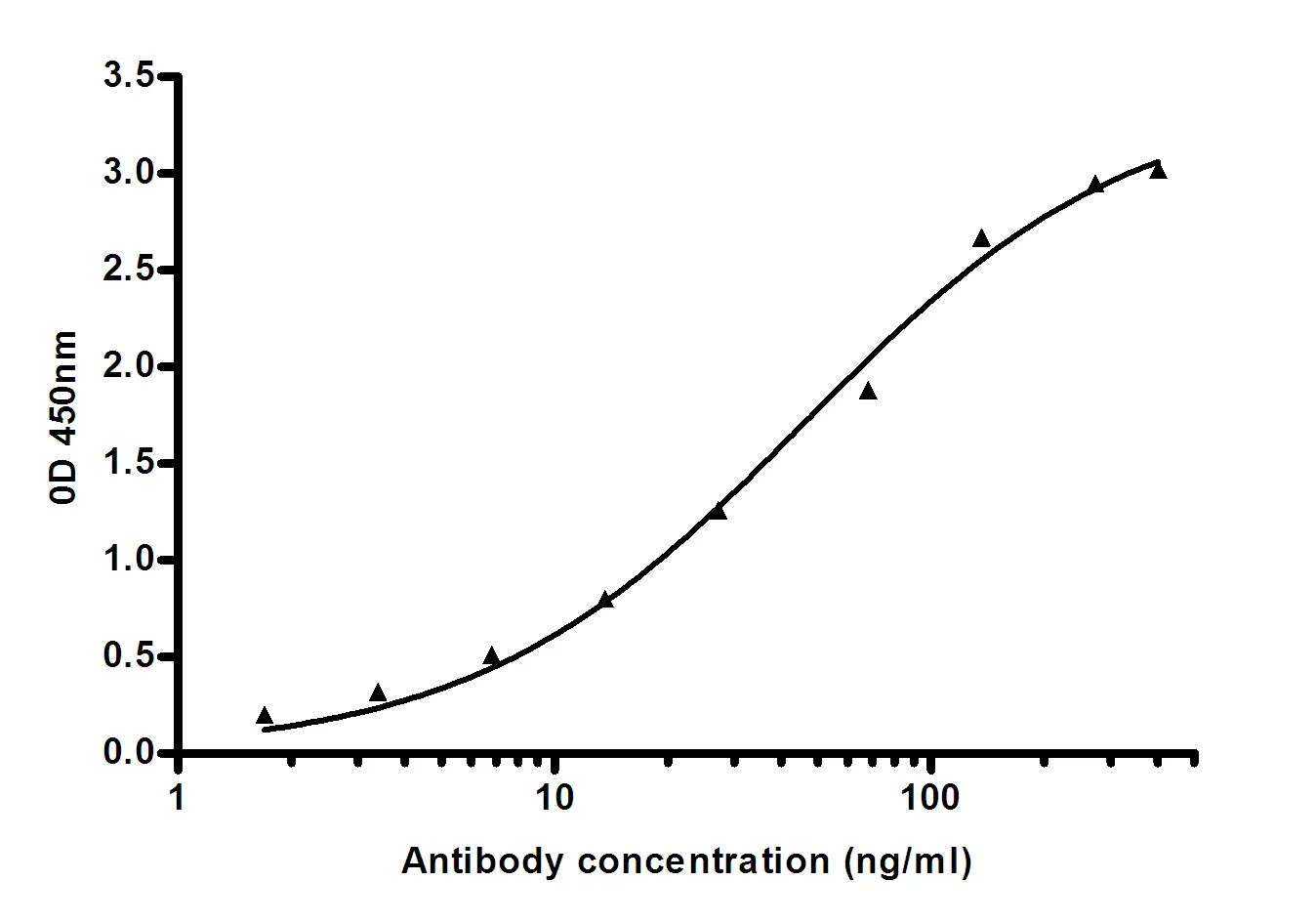
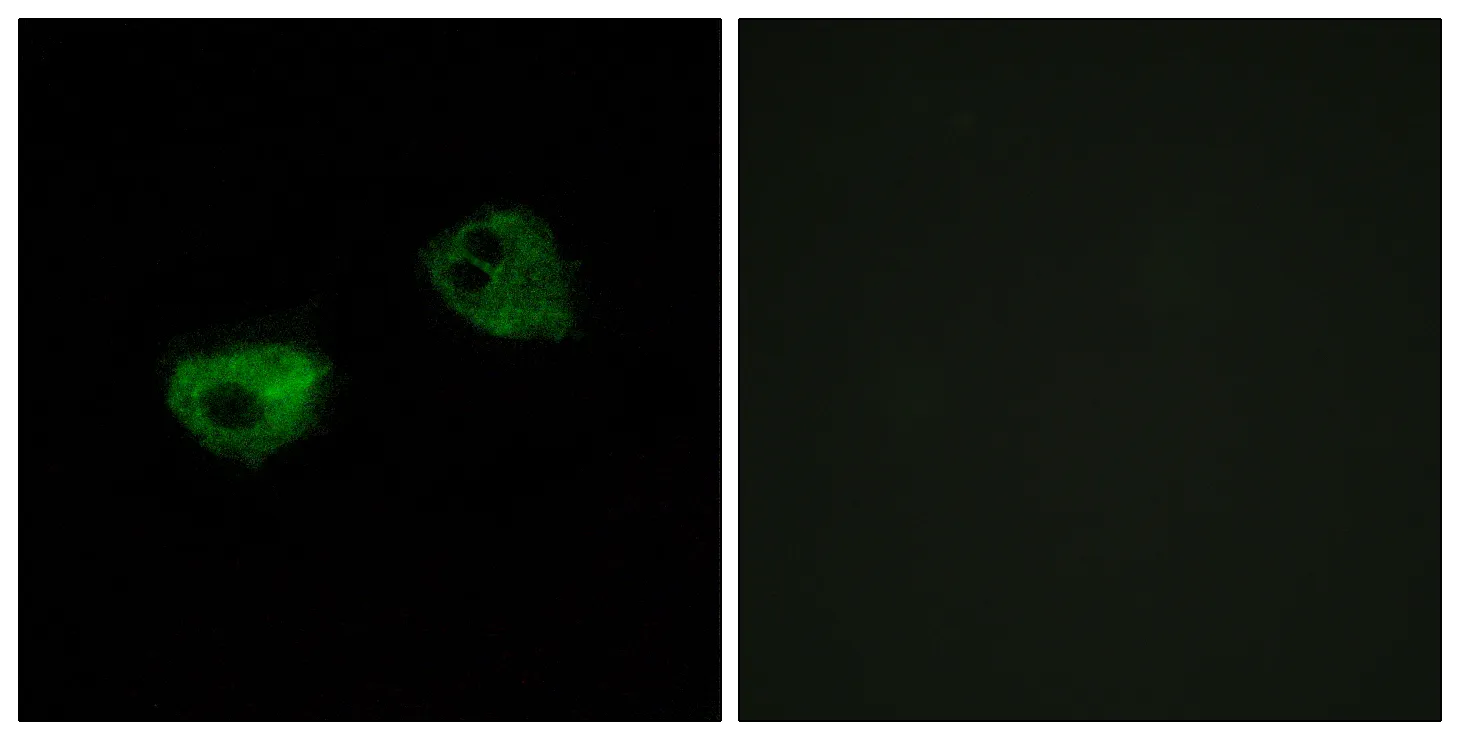
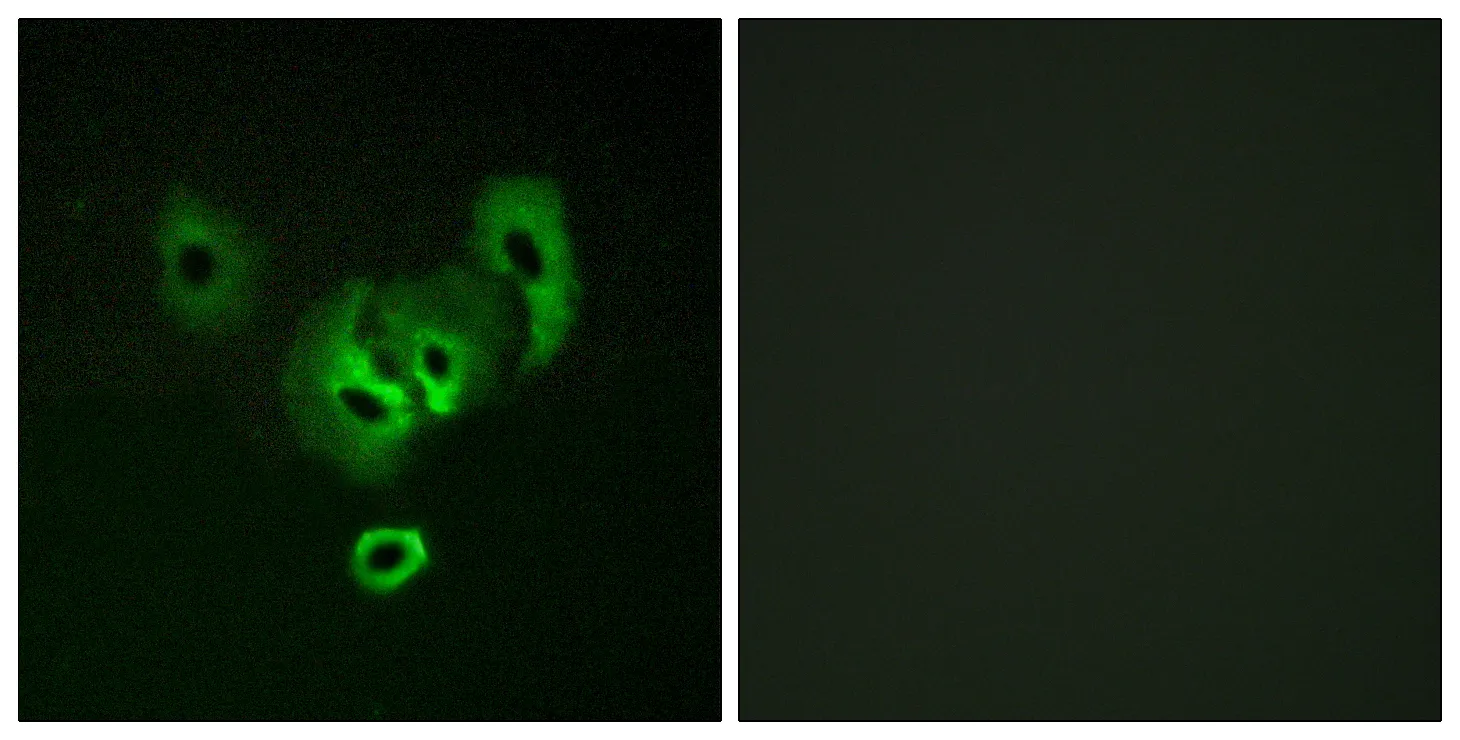
Application:WB,ICC/IF,ELISA

Reactivity:Human,Rat,Mouse
Conjugate:Unconjugated
Optional conjugates: Biotin, FITC (free of charge).
See other 26 conjugates.

Gene Name:TNFRSF9 Category: Polyclonal Antibody Tags:

Summary

Production Name

CD137 Rabbit Polyclonal Antibody

Description

Rabbit polyclonal Antibody

Host

Rabbit

Application

WB,ICC/IF,ELISA

Reactivity

Human,Rat,Mouse


Performance

Conjugation

Unconjugated

Modification

Unmodified

Isotype

IgG

Clonality

Polyclonal

Form

Liquid

Storage

Store at 4°C short term. Aliquot and store at -20°C long term. Avoid freeze/thaw cycles.

Buffer

Liquid in PBS containing 50% glycerol, 0.5% protective protein and 0.02% New type preservative N.

Purification

Affinity purification


Immunogen

Gene Name

TNFRSF9

Alternative Names

TNFRSF9; CD137; ILA; Tumor necrosis factor receptor superfamily member 9; 4-1BB ligand receptor; CDw137; T-cell antigen 4-1BB homolog; T-cell antigen ILA; CD antigen CD137

Gene ID

3604

SwissProt ID

Q07011


Application

Dilution Ratio

WB 1:500-1:2000,ICC/IF 1:200-1:1000,ELISA 1:5000-1:20000

Molecular Weight

27kDa


Background

The protein encoded by this gene is a member of the TNF-receptor superfamily. This receptor contributes to the clonal expansion, survival, and development of T cells. It can also induce proliferation in peripheral monocytes, enhance T cell apoptosis induced by TCR/CD3 triggered activation, and regulate CD28 co-stimulation to promote Th1 cell responses. The expression of this receptor is induced by lymphocyte activation. TRAF adaptor proteins have been shown to bind to this receptor and transduce the signals leading to activation of NF-kappaB. [provided by RefSeq, Jul 2008],function:Receptor for TNFSF14/4-1BBL. Possibly active during T cell activation.,similarity:Contains 4 TNFR-Cys repeats.,subunit:Interacts with TRAF1, TRAF2 and TRAF3. Interacts with LRR-repeat protein 1/LRR-1.,tissue specificity:Expressed on the surface of activated T-cells.,


Research Area

Cytokine-cytokine receptor interaction;
   💬 WhatsApp