
CD164 Rabbit Polyclonal Antibody($99/20μL)

CD164 Rabbit Polyclonal Antibody($99/20μL)

Cat: APRab08243
Size:20μL Price:$99
Size:50μL Price:$118
Size:100μL Price:$220

Size:200μL Price:$380
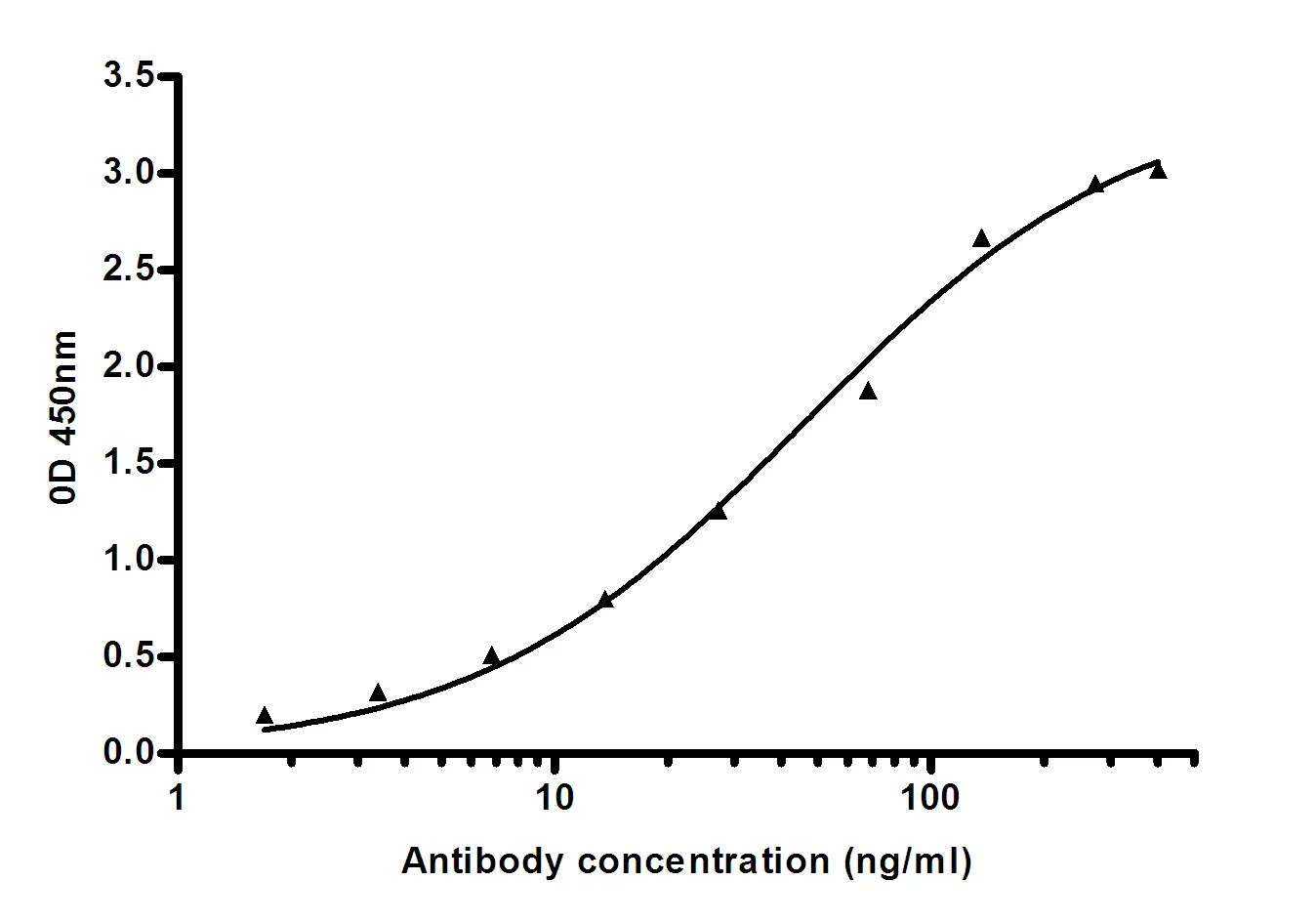
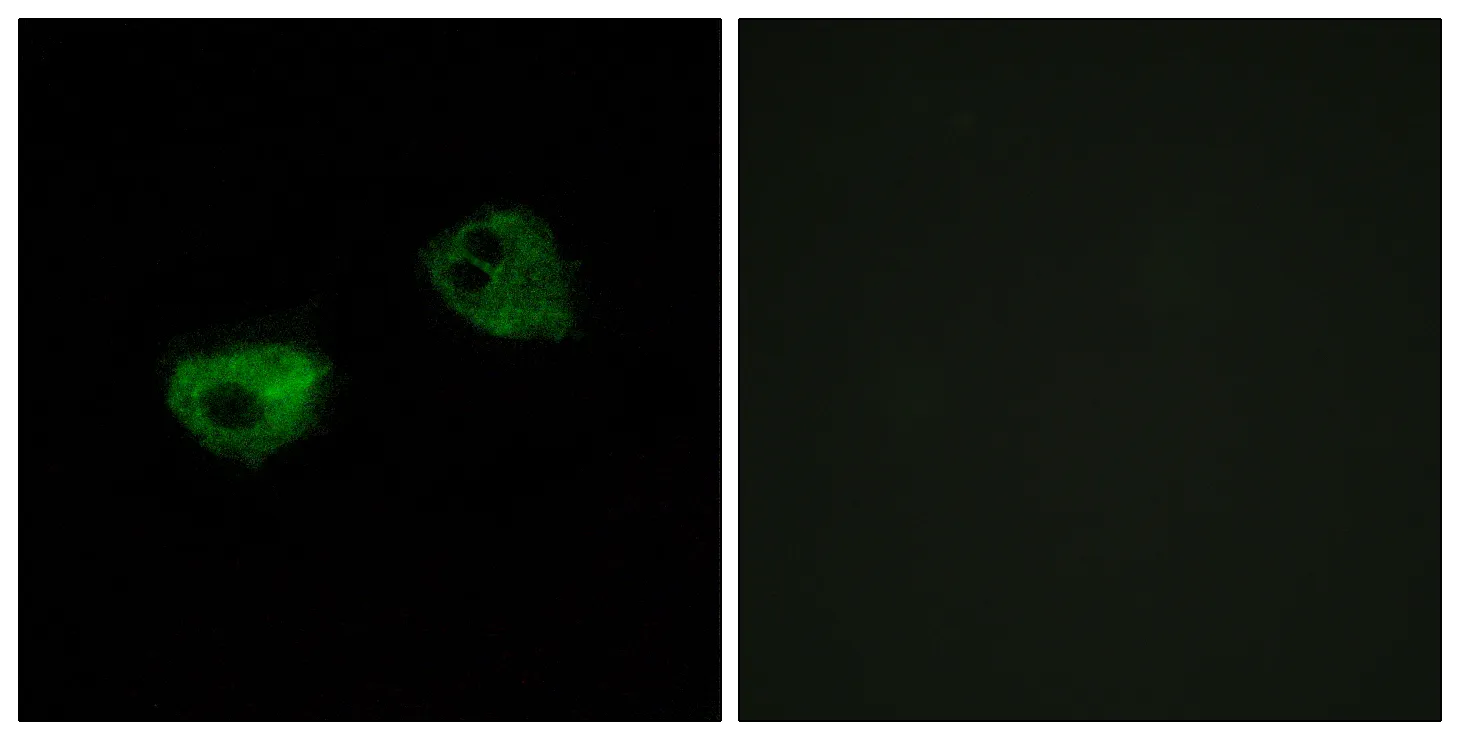
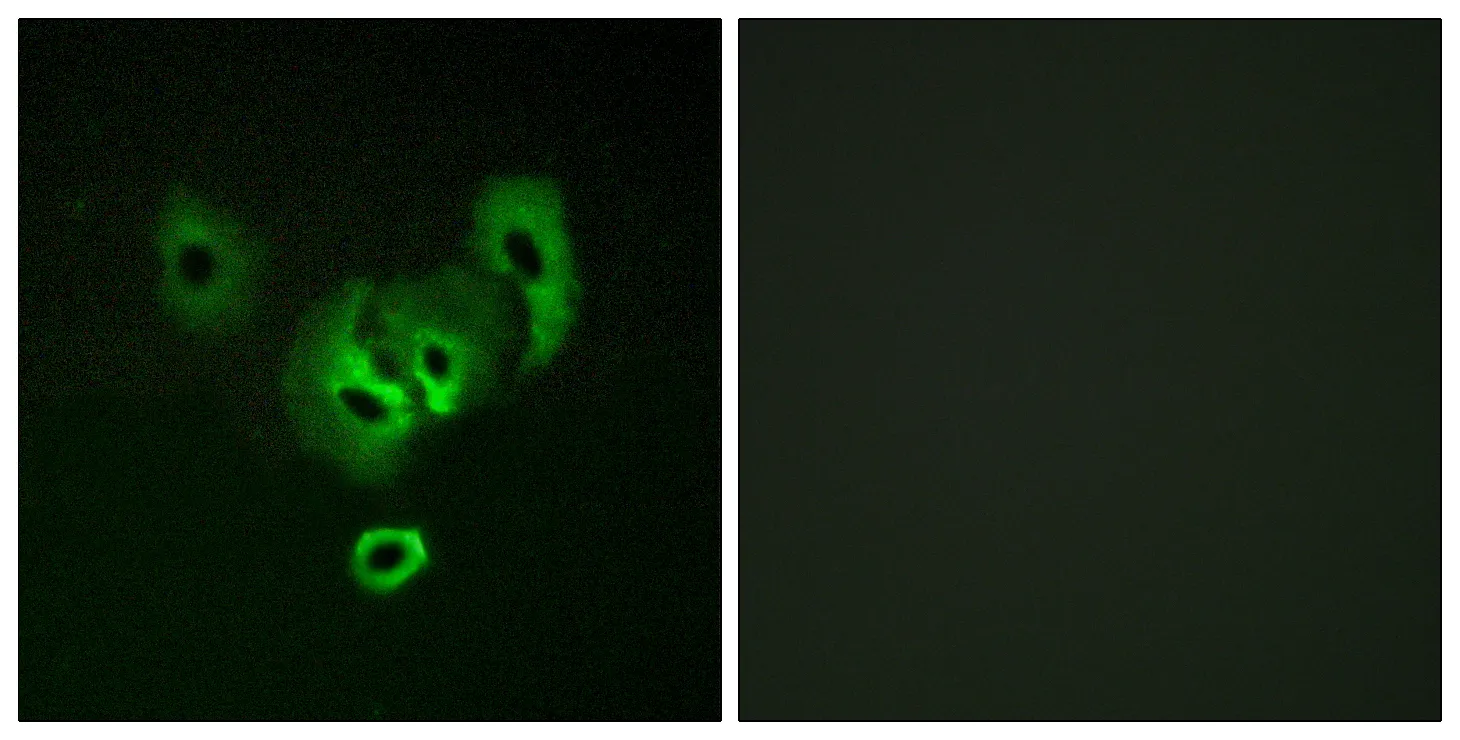
Application:IHC,ICC/IF,ELISA

Reactivity:Human,Mouse,Rat
Conjugate:Unconjugated
Optional conjugates: Biotin, FITC (free of charge).
See other 26 conjugates.

Gene Name:CD164 Category: Polyclonal Antibody Tags:

Summary

Production Name

CD164 Rabbit Polyclonal Antibody

Description

Rabbit polyclonal Antibody

Host

Rabbit

Application

IHC,ICC/IF,ELISA

Reactivity

Human,Mouse,Rat


Performance

Conjugation

Unconjugated

Modification

Unmodified

Isotype

IgG

Clonality

Polyclonal

Form

Liquid

Storage

Store at 4°C short term. Aliquot and store at -20°C long term. Avoid freeze/thaw cycles.

Buffer

Liquid in PBS containing 50% glycerol, 0.5% protective protein and 0.02% New type preservative N.

Purification

Affinity purification


Immunogen

Gene Name

CD164

Alternative Names

CD164; Sialomucin core protein 24; MUC-24; Endolyn; Multi-glycosylated core protein 24; MGC-24; MGC-24v; CD antigen CD164

Gene ID

8763

SwissProt ID

Q04900


Application

Dilution Ratio

IHC 1:100-1:300,ICC/IF 1:50-1:200,ELISA 1:10000-1:20000

Molecular Weight


Background

Sialomucins are a heterogeneous group of secreted or membrane-associated mucins that appear to play 2 key but opposing roles in vivo: first as cytoprotective or antiadhesive agents, and second as adhesion receptors. CD164 is a type I integral transmembrane sialomucin that functions as an adhesion receptor (Watt et al., 1998 [PubMed 9680353]; Forde et al., 2007 [PubMed 17077324]).[supplied by OMIM, Aug 2008],function:This is a carcinoma-associated protein, probably a mucin.,PTM:Highly N- and O-glycosylated; contains sialic acid.,PTM:The motif Ser-Gly may serve as the site of attachment of a glycosaminoglycan side chain.,similarity:Belongs to the CD164 family.,tissue specificity:Small intestine, colon, lung, thyroid and in colorectal and pancreatic adenocarcinoma.,


Research Area

Lysosome;
   💬 WhatsApp