

CD239 Rabbit Polyclonal Antibody($99/20μL)

CD239 Rabbit Polyclonal Antibody($99/20μL)

Cat: APRab08299
Size:20μL Price:$99
Size:50μL Price:$118
Size:100μL Price:$220

Size:200μL Price:$380
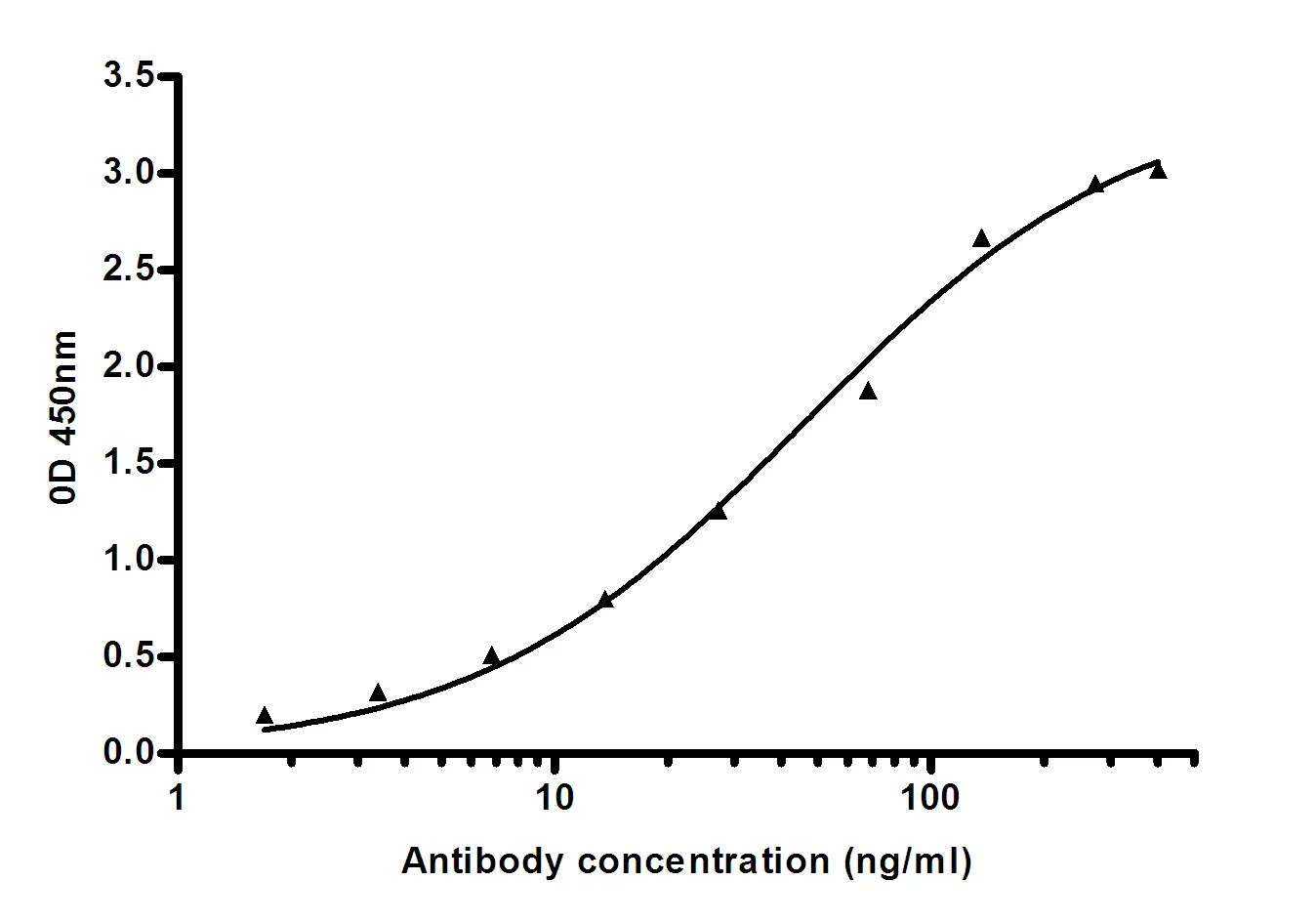
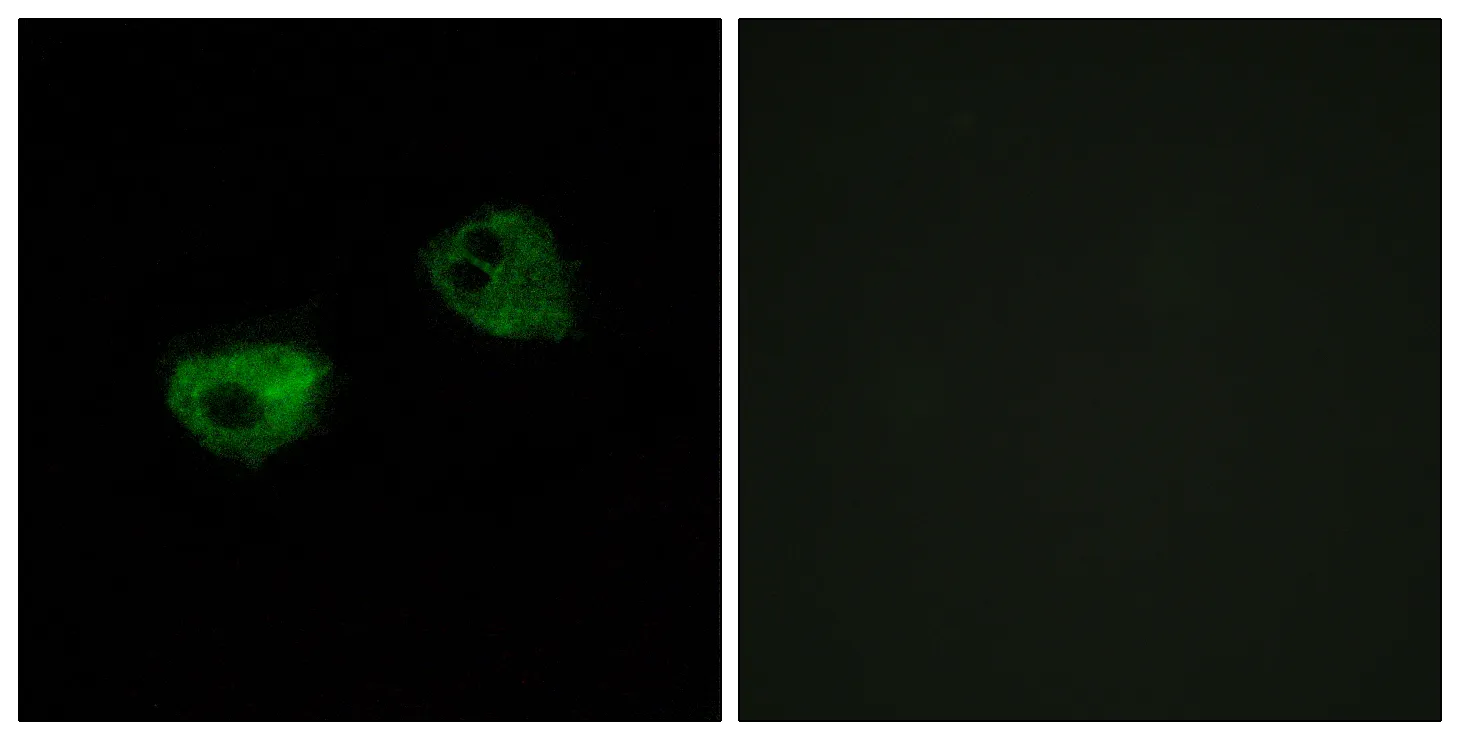
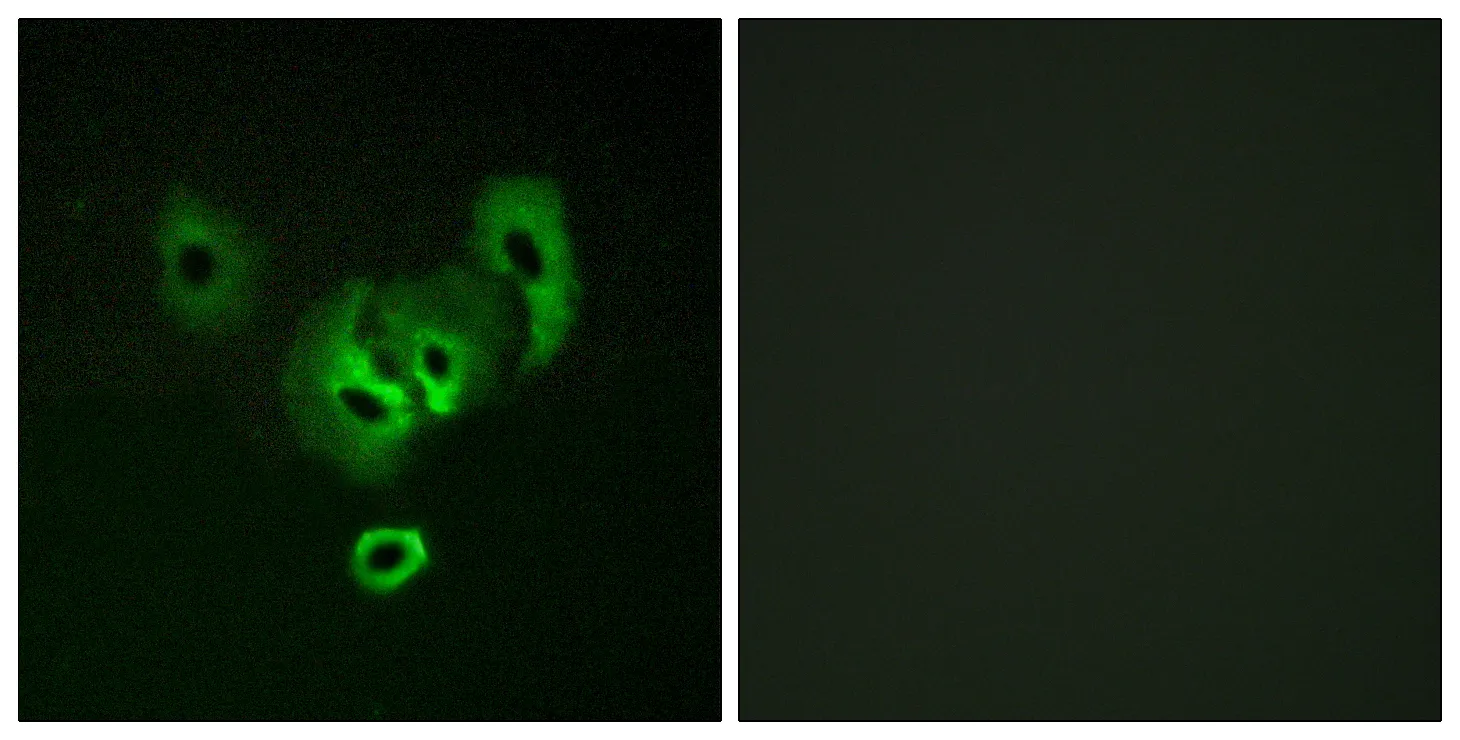
Application:WB,ELISA

Reactivity:Human,Mouse,Rat
Conjugate:Unconjugated
Optional conjugates: Biotin, FITC (free of charge).
See other 26 conjugates.

Gene Name:BCAM Category: Polyclonal Antibody Tags:

Summary

Production Name

CD239 Rabbit Polyclonal Antibody

Description

Rabbit polyclonal Antibody

Host

Rabbit

Application

WB,ELISA

Reactivity

Human,Mouse,Rat


Performance

Conjugation

Unconjugated

Modification

Unmodified

Isotype

IgG

Clonality

Polyclonal

Form

Liquid

Storage

Store at 4°C short term. Aliquot and store at -20°C long term. Avoid freeze/thaw cycles.

Buffer

Liquid in PBS containing 50% glycerol, 0.5% protective protein and 0.02% New type preservative N.

Purification

Affinity purification


Immunogen

Gene Name

BCAM

Alternative Names

BCAM; LU; MSK19; Basal cell adhesion molecule; Auberger B antigen; B-CAM cell surface glycoprotein; F8/G253 antigen; Lutheran antigen; Lutheran blood group glycoprotein; CD239

Gene ID

4059

SwissProt ID

P50895


Application

Dilution Ratio

WB 1:500-1:2000,ELISA 1:10000-1:20000

Molecular Weight

78kDa


Background

This gene encodes Lutheran blood group glycoprotein, a member of the immunoglobulin superfamily and a receptor for the extracellular matrix protein, laminin. The protein contains five extracellular immunoglobulin domains, a single transmembrane domain, and a short C-terminal cytoplasmic tail. This protein may play a role in epithelial cell cancer and in vaso-occlusion of red blood cells in sickle cell disease. Polymorphisms in this gene define some of the antigens in the Lutheran system and also the Auberger system. Inactivating variants of this gene result in the recessive Lutheran null phenotype, Lu(a-b-), of the Lutheran blood group. Two transcript variants encoding different isoforms have been found for this gene. [provided by RefSeq, May 2012],cell adhesion, cell-matrix adhesion, biological adhesion, cell-substrate adhesion,


Research Area

Cardiovascular
   💬 WhatsApp