CD6 Rabbit Polyclonal Antibody($99/20μL)

CD6 Rabbit Polyclonal Antibody($99/20μL)

Cat: APRab08426
Size:20μL Price:$99
Size:50μL Price:$118
Size:100μL Price:$220

Size:200μL Price:$380
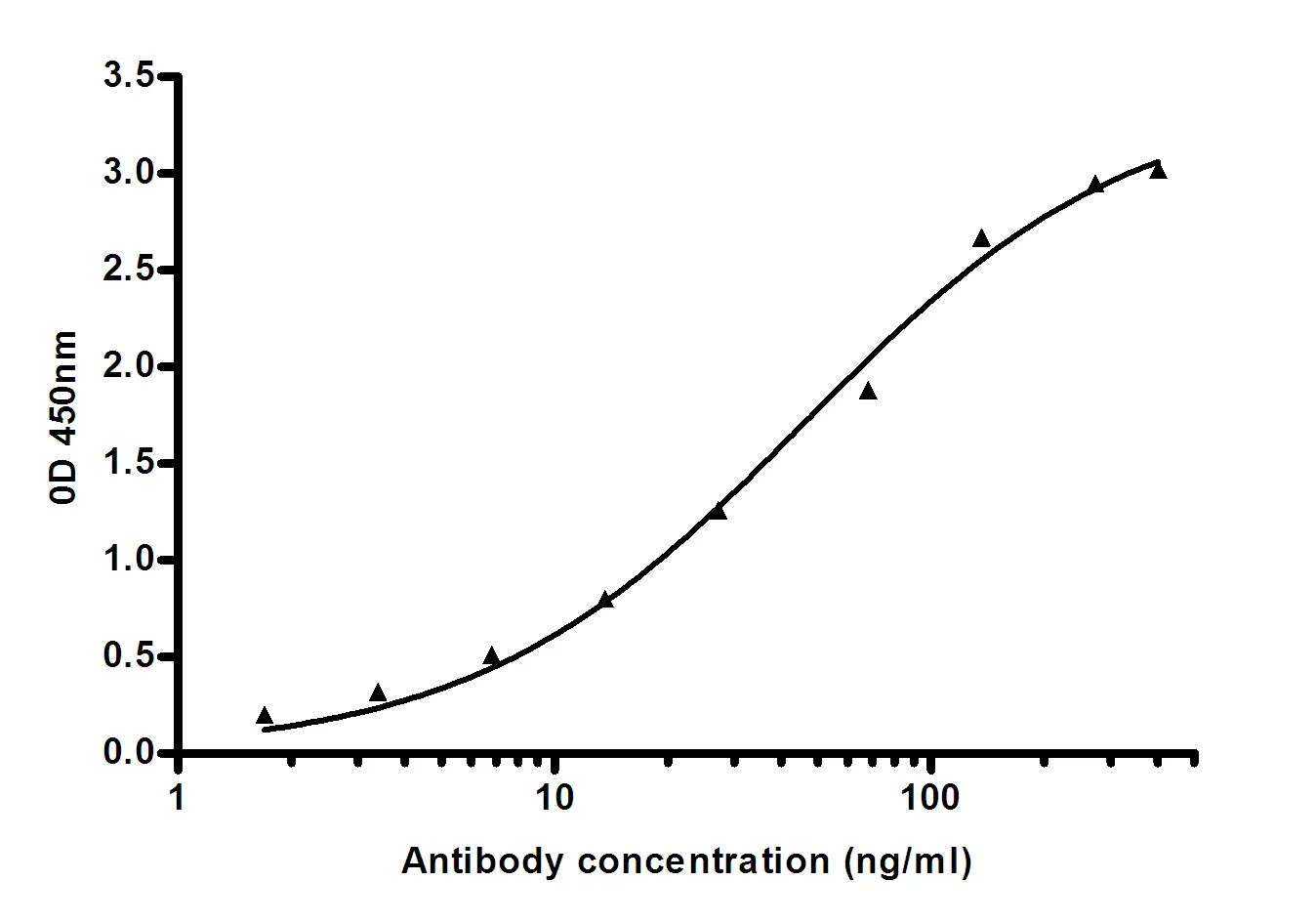
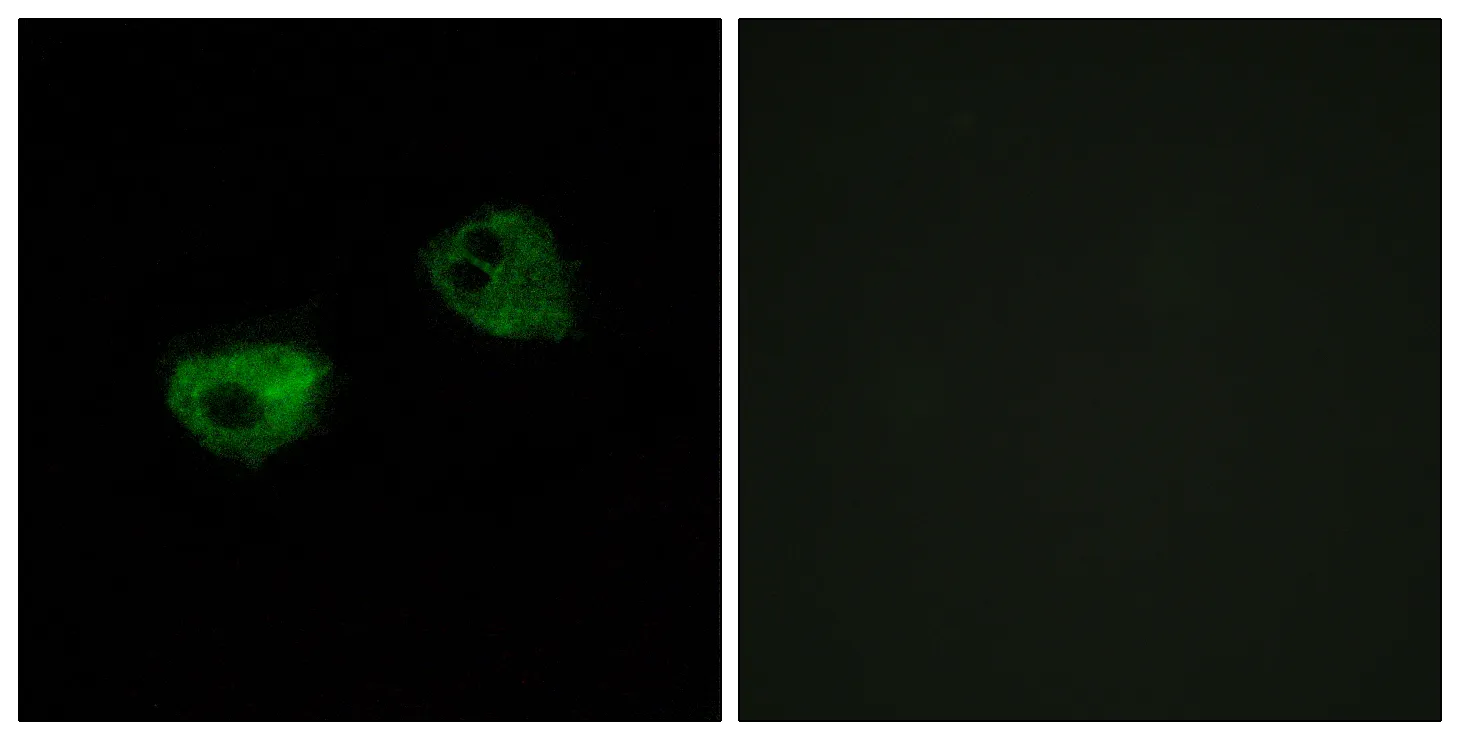
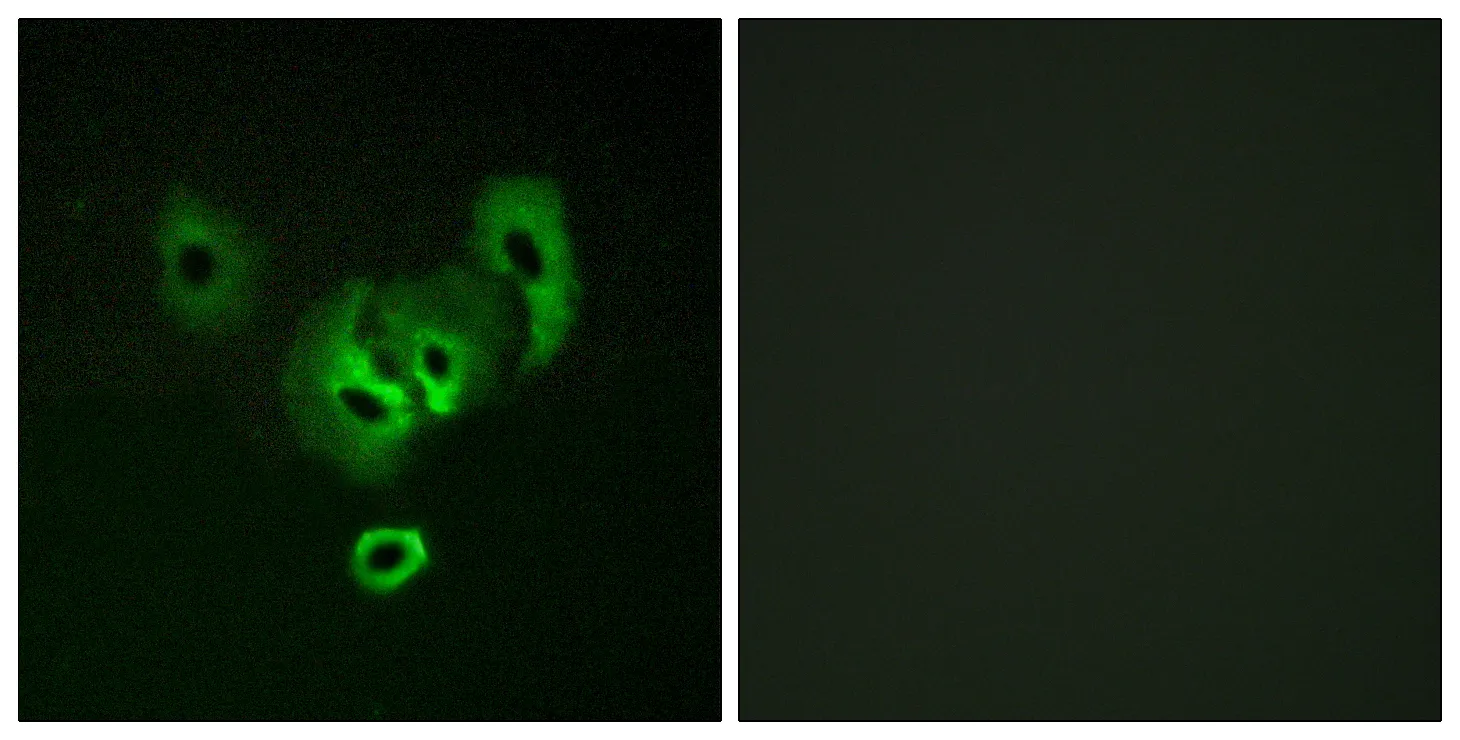
Application:WB,IHC,ICC/IF,ELISA

Reactivity:Human,Rat,Mouse
Conjugate:Unconjugated
Optional conjugates: Biotin, FITC (free of charge).
See other 26 conjugates.

Gene Name:CD6 Category: Polyclonal Antibody Tags:

Summary

Production Name

CD6 Rabbit Polyclonal Antibody

Description

Rabbit polyclonal Antibody

Host

Rabbit

Application

WB,IHC,ICC/IF,ELISA

Reactivity

Human,Rat,Mouse


Performance

Conjugation

Unconjugated

Modification

Unmodified

Isotype

IgG

Clonality

Polyclonal

Form

Liquid

Storage

Store at 4°C short term. Aliquot and store at -20°C long term. Avoid freeze/thaw cycles.

Buffer

Liquid in PBS containing 50% glycerol, 0.5% protective protein and 0.02% New type preservative N.

Purification

Affinity purification


Immunogen

Gene Name

CD6

Alternative Names

CD6; T-cell differentiation antigen CD6; T12; TP120; CD6

Gene ID

923

SwissProt ID

P30203


Application

Dilution Ratio

WB 1:500-1:2000,IHC 1:100-1:300,ICC/IF 1:50-1:200,ELISA 1:5000-1:20000

Molecular Weight

73kDa


Background

This gene encodes a protein found on the outer membrane of T-lymphocytes as well as some other immune cells. The encoded protein contains three scavenger receptor cysteine-rich (SRCR) domains and a binding site for an activated leukocyte cell adhesion molecule. The gene product is important for continuation of T cell activation. This gene may be associated with susceptibility to multiple sclerosis (PMID: 19525953, 21849685). Multiple transcript variants encoding different isoforms have been found for this gene. [provided by RefSeq, Dec 2011],function:Involved in cell adhesion. Binds to CD166.,PTM:After T-cell activation, becomes hyperphosphorylated on Ser and Thr residues and phosphorylated on Tyr residues.,PTM:Contains intrachain disulfide bond(s).,similarity:Contains 3 SRCR domains.,tissue specificity:Expressed by thymocytes, mature T-cells, a subset of B-cells known as B-1 cells, and by some cells in the brain.,


Research Area

Cell adhesion molecules (CAMs);
   💬 WhatsApp