CPE Rabbit Polyclonal Antibody($99/20μL)

CPE Rabbit Polyclonal Antibody($99/20μL)

Cat: APRab09309
Size:20μL Price:$99
Size:50μL Price:$118
Size:100μL Price:$220

Size:200μL Price:$380
Application:WB,IHC,ICC/IF,ELISA

Reactivity:Human,Mouse,Rat
Conjugate:Unconjugated
Optional conjugates: Biotin, FITC (free of charge).
See other 26 conjugates.

Gene Name:CPE Category: Polyclonal Antibody Tags:

Summary

Production Name

CPE Rabbit Polyclonal Antibody

Description

Rabbit polyclonal Antibody

Host

Rabbit

Application

WB,IHC,ICC/IF,ELISA

Reactivity

Human,Mouse,Rat


Performance

Conjugation

Unconjugated

Modification

Unmodified

Isotype

IgG

Clonality

Polyclonal

Form

Liquid

Storage

Store at 4°C short term. Aliquot and store at -20°C long term. Avoid freeze/thaw cycles.

Buffer

Liquid in PBS containing 50% glycerol, 0.5% protective protein and 0.02% New type preservative N.

Purification

Affinity purification


Immunogen

Gene Name

CPE

Alternative Names

CPE; Carboxypeptidase E; CPE; Carboxypeptidase H; CPH; Enkephalin convertase; Prohormone-processing carboxypeptidase

Gene ID

1363

SwissProt ID

P16870


Application

Dilution Ratio

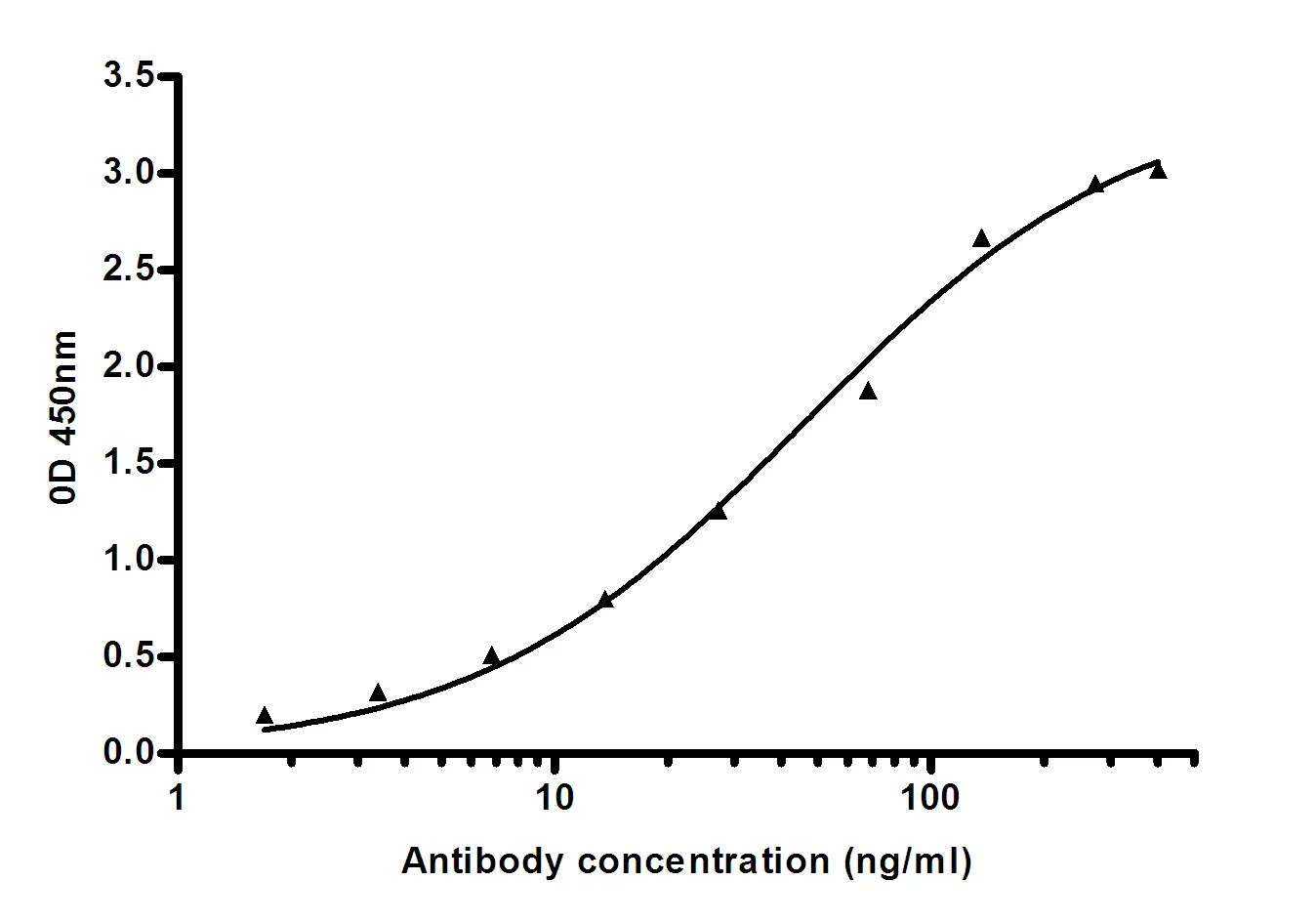
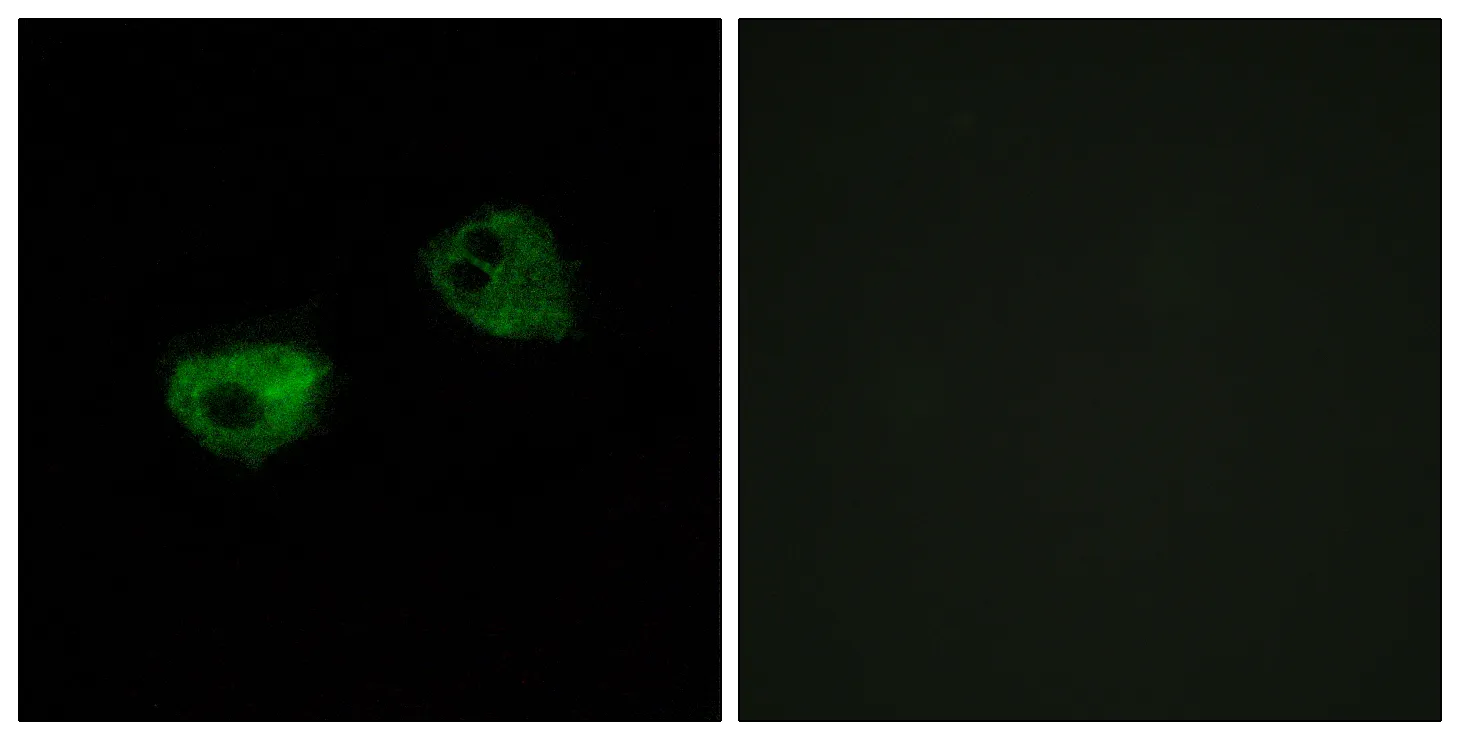
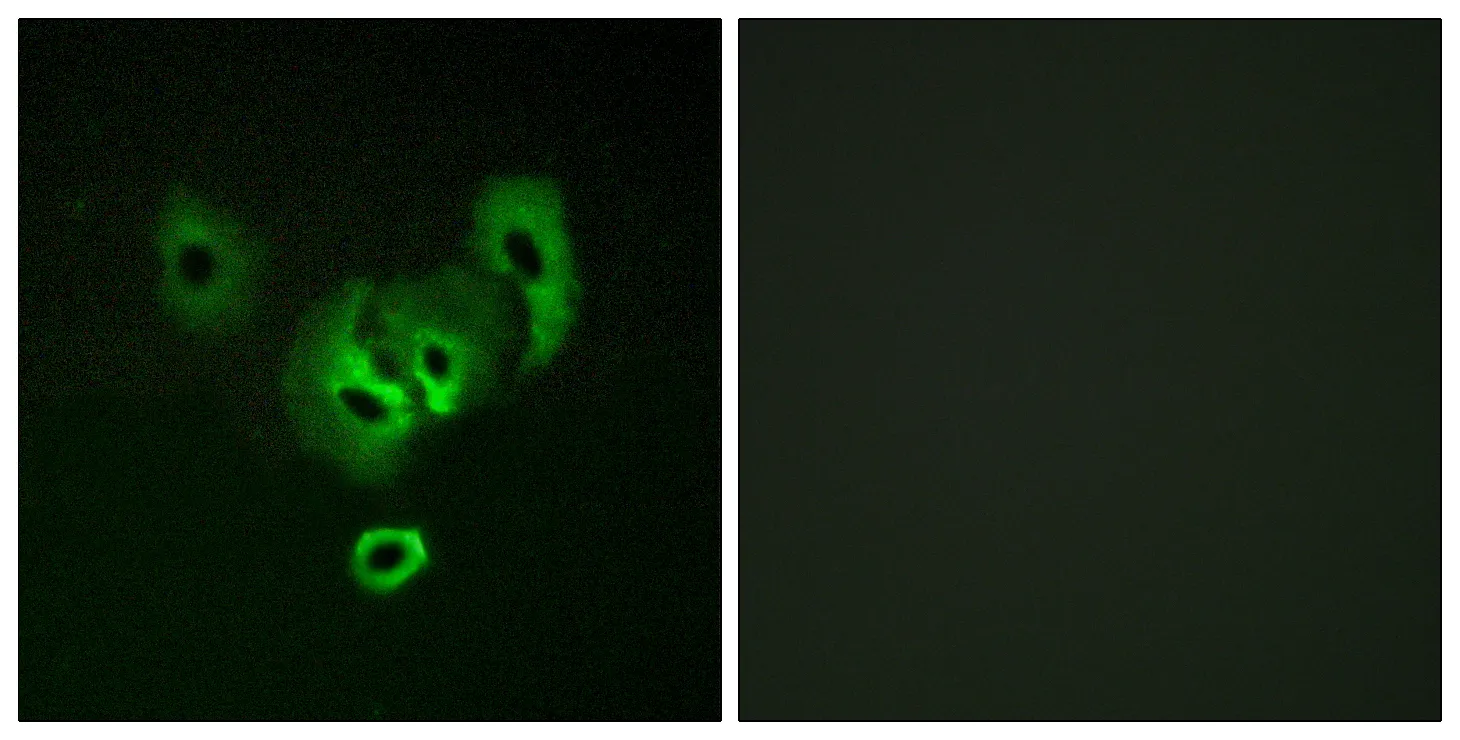
WB 1:500-1:2000,IHC 1:100-1:300,ICC/IF 1:50-1:200,ELISA 1:10000-1:20000

Molecular Weight

53kDa


Background

carboxypeptidase E(CPE) Homo sapiens This gene encodes a member of the M14 family of metallocarboxypeptidases. The encoded preproprotein is proteolytically processed to generate the mature peptidase. This peripheral membrane protein cleaves C-terminal amino acid residues and is involved in the biosynthesis of peptide hormones and neurotransmitters, including insulin. This protein may also function independently of its peptidase activity, as a neurotrophic factor that promotes neuronal survival, and as a sorting receptor that binds to regulated secretory pathway proteins, including prohormones. Mutations in this gene are implicated in type 2 diabetes. [provided by RefSeq, Nov 2015],catalytic activity:Release of C-terminal arginine or lysine residues from polypeptides.,cofactor:Binds 1 zinc ion per subunit.,function:Removes residual C-terminal Arg or Lys remaining after initial endoprotease cleavage during prohormone processing. Processes proinsulin.,similarity:Belongs to the peptidase M14 family.,subcellular location:Secretory granules of pancreatic islets, adrenal gland, pituitary and brain.,


Research Area

Type I diabetes mellitus;
   💬 WhatsApp