Summary
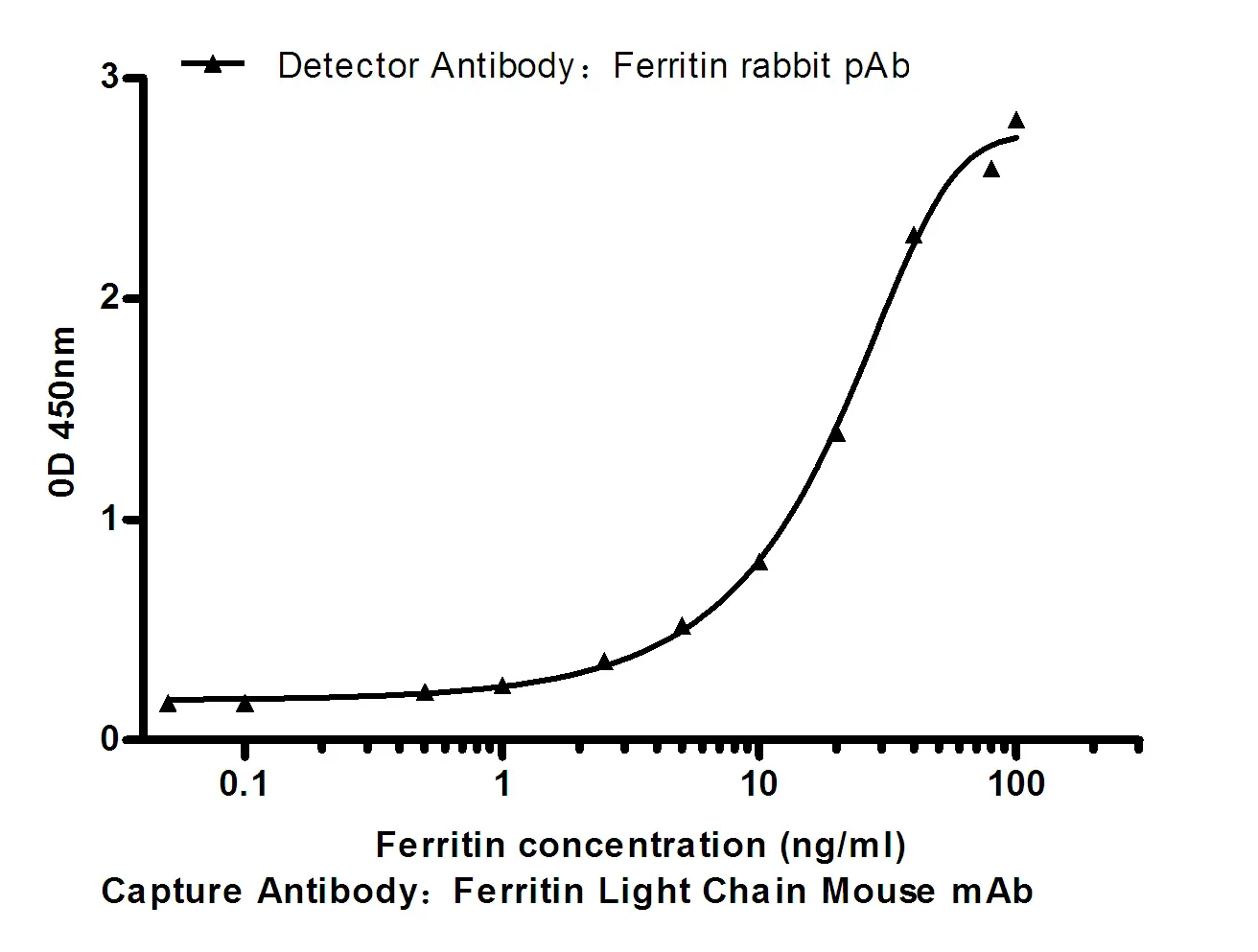
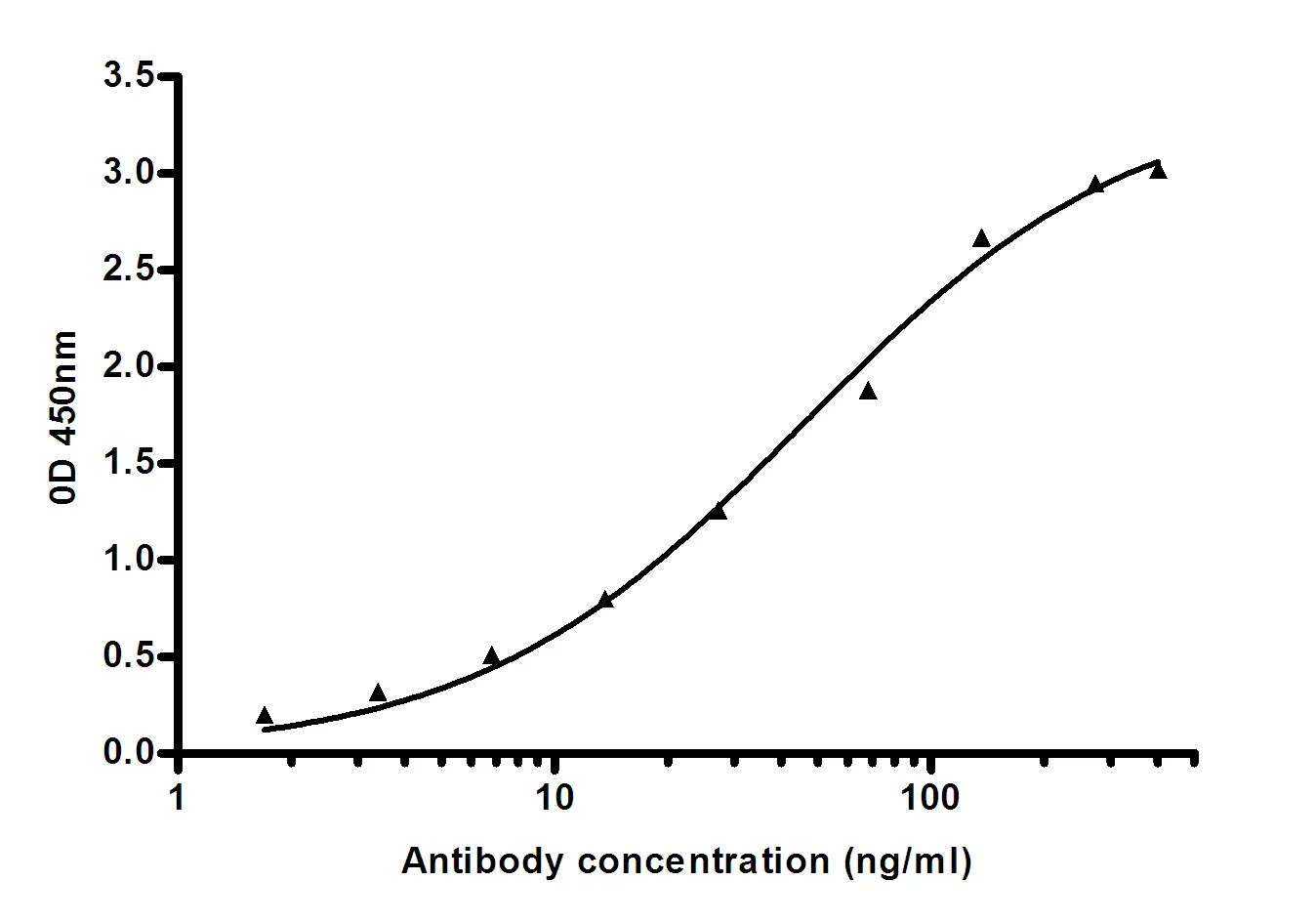
Performance
Immunogen
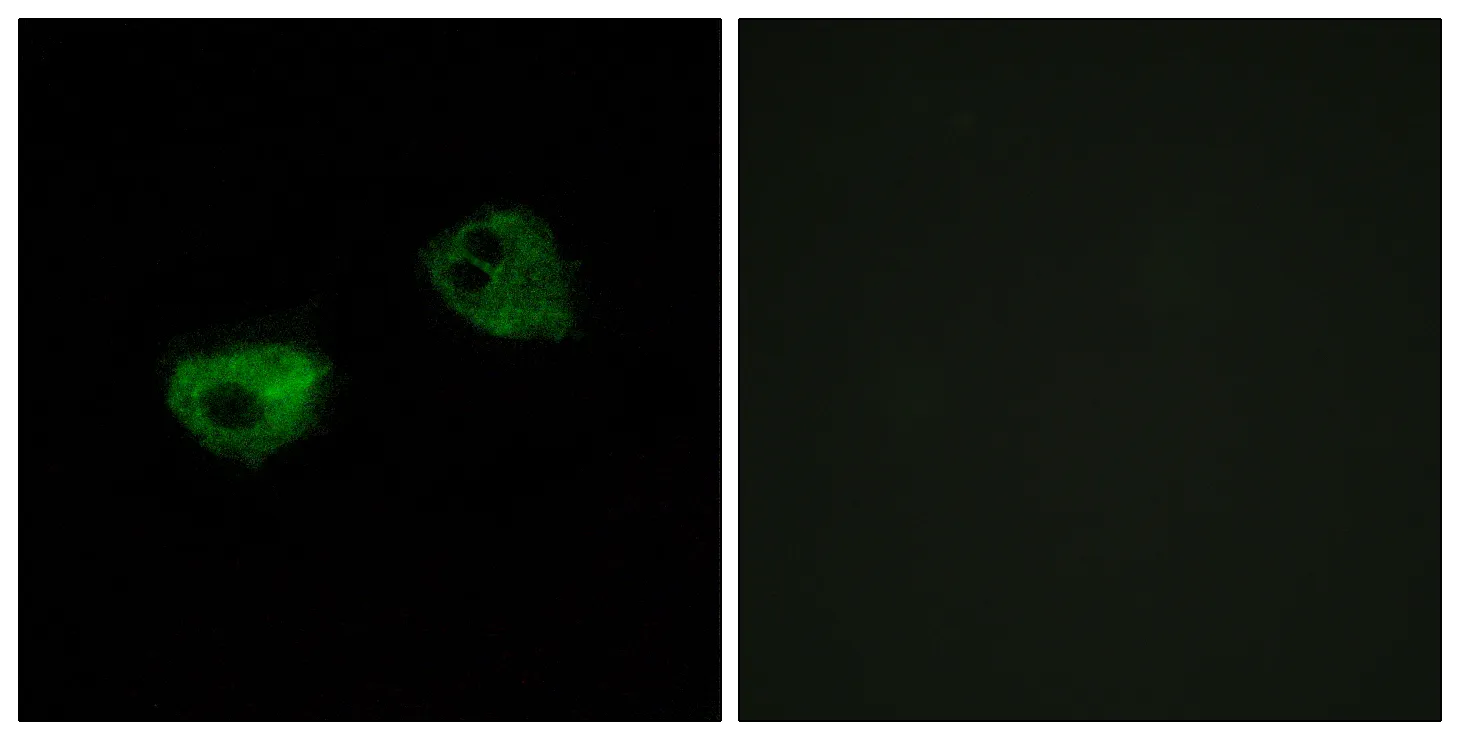
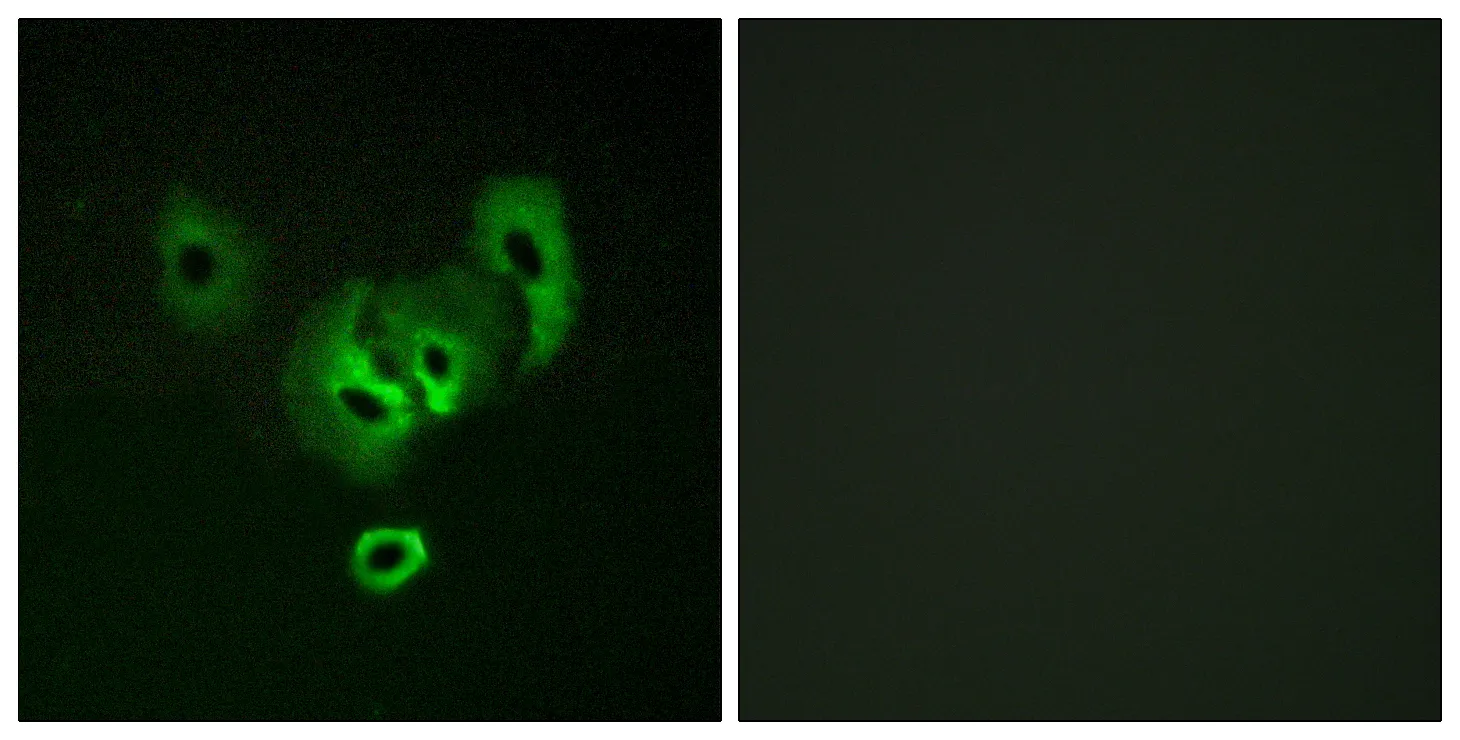
Application
Background
cell division cycle associated 4(CDCA4) Homo sapiens This gene encodes a protein that belongs to the E2F family of transcription factors. This protein regulates E2F-dependent transcriptional activation and cell proliferation, mainly through the E2F/retinoblastoma protein pathway. It also functions in the regulation of JUN oncogene expression. This protein shows distinctive nuclear-mitotic apparatus distribution, it is involved in spindle organization from prometaphase, and may also play a role as a midzone factor involved in chromosome segregation or cytokinesis. Two alternatively spliced transcript variants encoding the same protein have been noted for this gene. Two pseudogenes have also been identified on chromosome 1. [provided by RefSeq, May 2014],function:May participate in the regulation of cell proliferation through the E2F/RB pathway. May be involved in molecular regulation of hematopoietic stem cells and progenitor cell lineage commitment and differentiation.,induction:By E2F1.,similarity:Contains 1 SERTA domain.,tissue specificity:Highest levels of expression in the pancreas, thymus, testis, spleen, liver, placenta and leukocytes. Relatively low levels in the lung, kidney, prostate, ovary, small intestine and colon. Hardly detectable, if at all, in the brain, skeletal muscle and heart.,
Research Area