


Summary
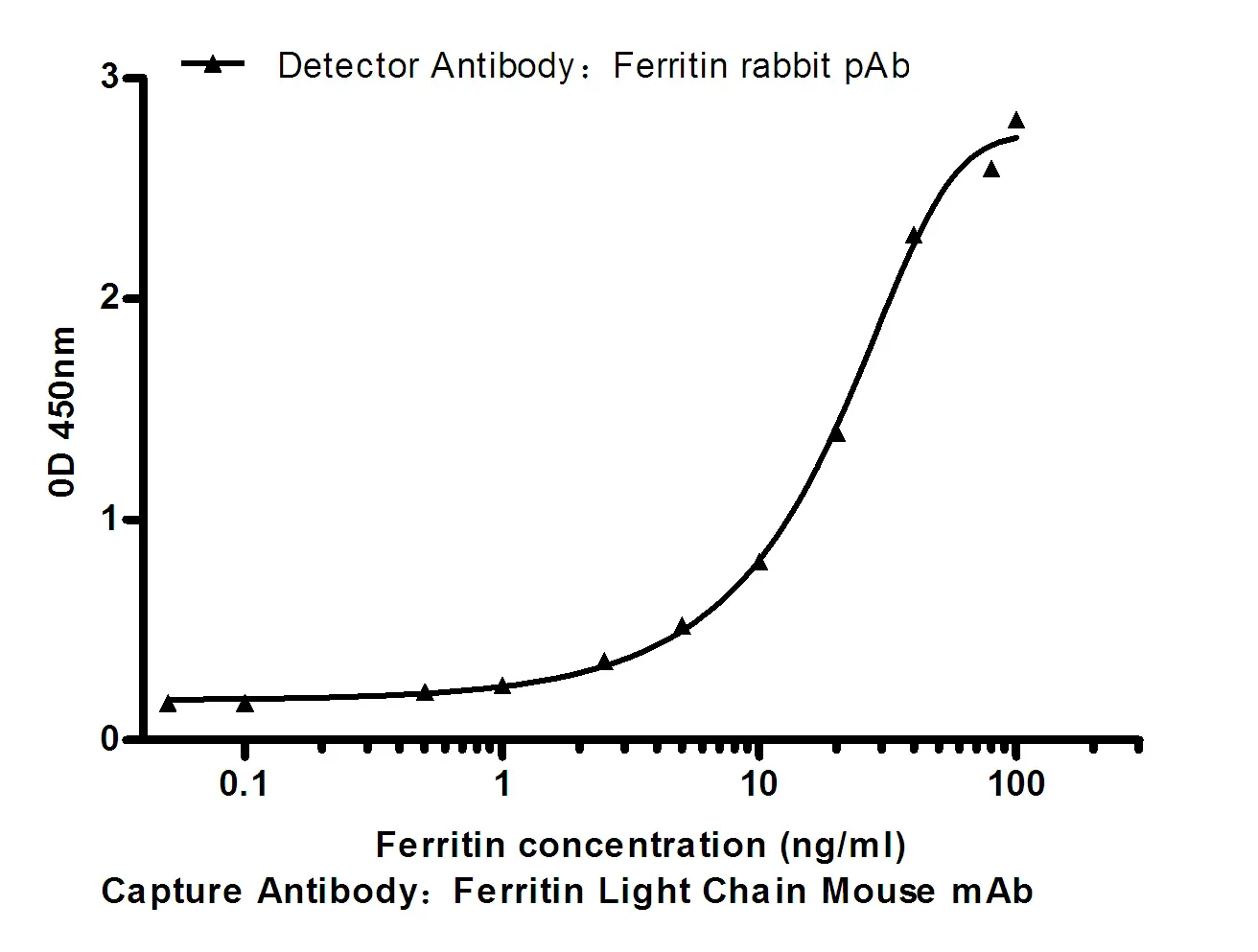
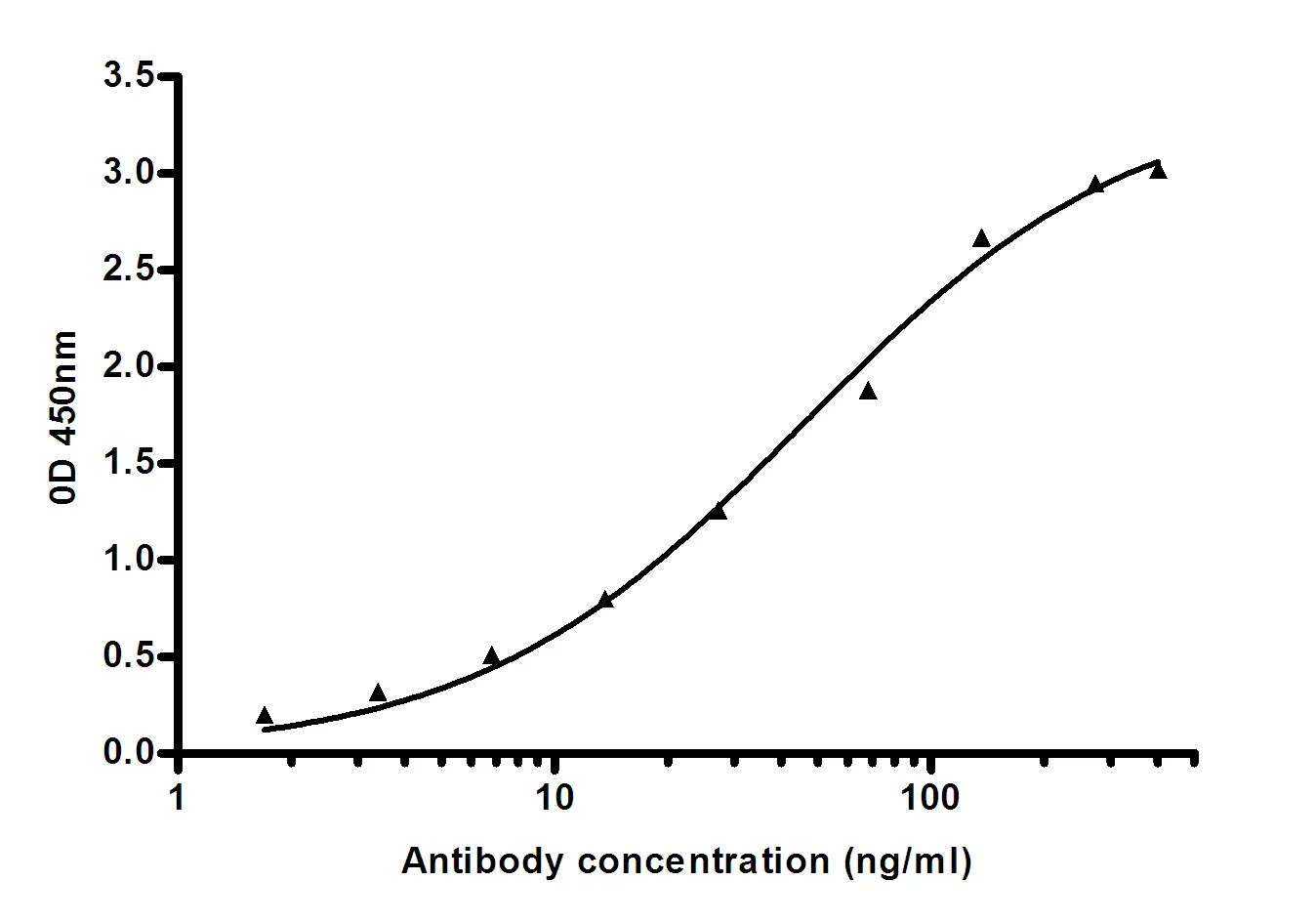
Performance
Immunogen
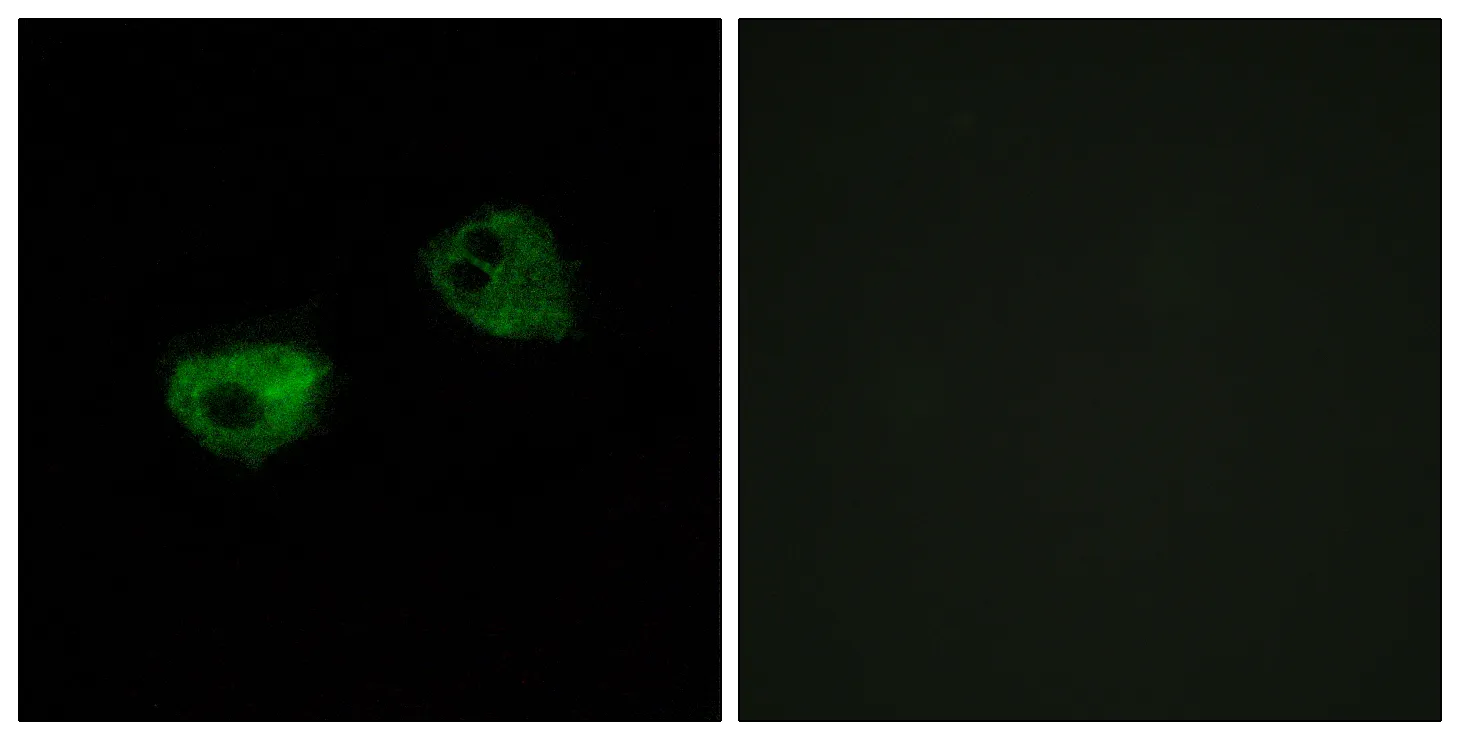
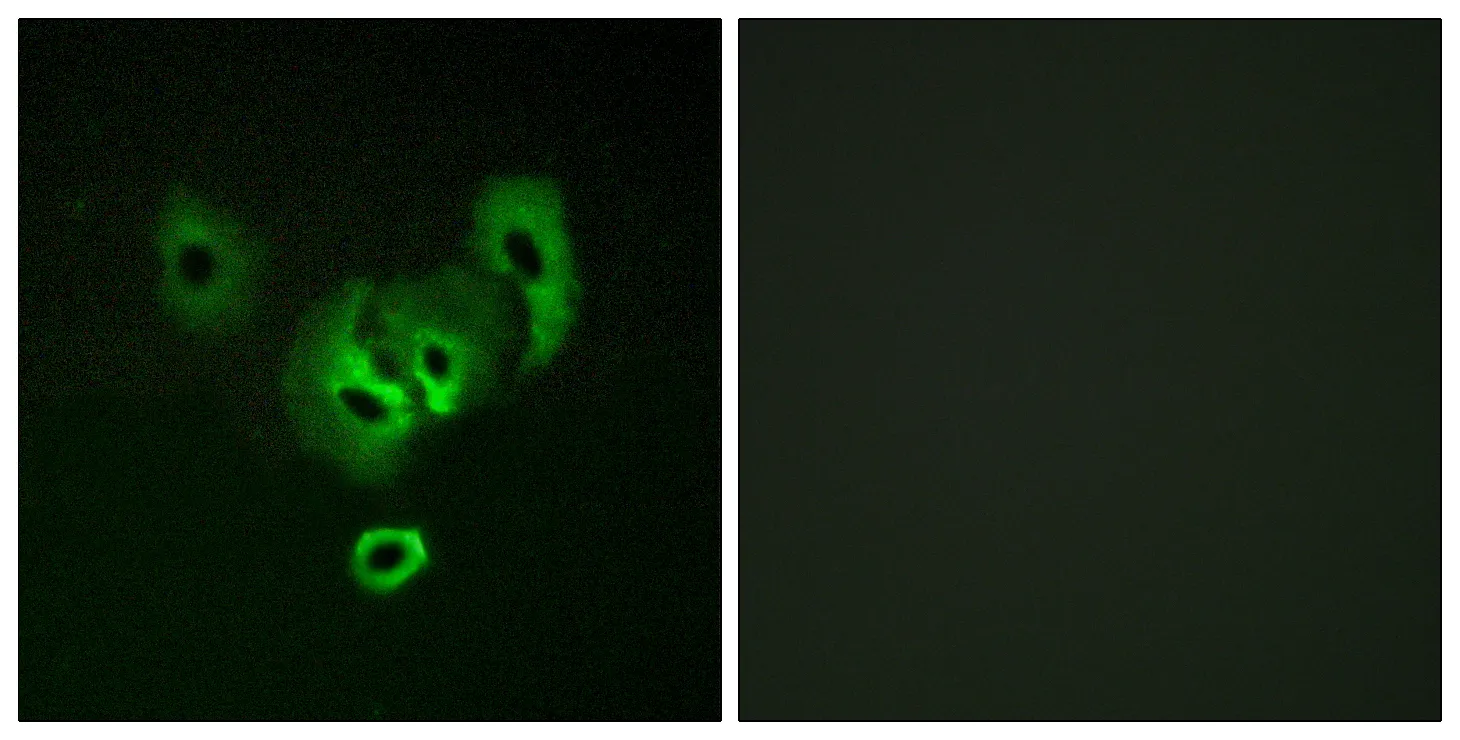
Application
Background
cortactin(CTTN) Homo sapiens This gene is overexpressed in breast cancer and squamous cell carcinomas of the head and neck. The encoded protein is localized in the cytoplasm and in areas of the cell-substratum contacts. This gene has two roles: (1) regulating the interactions between components of adherens-type junctions and (2) organizing the cytoskeleton and cell adhesion structures of epithelia and carcinoma cells. During apoptosis, the encoded protein is degraded in a caspase-dependent manner. The aberrant regulation of this gene contributes to tumor cell invasion and metastasis. Three splice variants that encode different isoforms have been identified for this gene. [provided by RefSeq, May 2010],function:May contribute to the organization of cell structure. The SH3 motif may function as a binding region to cytoskeleton. Tyrosine phosphorylation in transformed cells may contribute to cellular growth regulation and transformation.,online information:Cortactin entry,similarity:Contains 1 SH3 domain.,similarity:Contains 7 cortactin repeats.,subcellular location:Associated with membrane ruffles and lamellipodia.,subunit:Interacts with SHANK2 and SHANK3 via its SH2 domain. Also interacts with FGD1 (By similarity). Interacts with PLXDC2.,
Research Area
Tight junction;Pathogenic Escherichia coli infection;