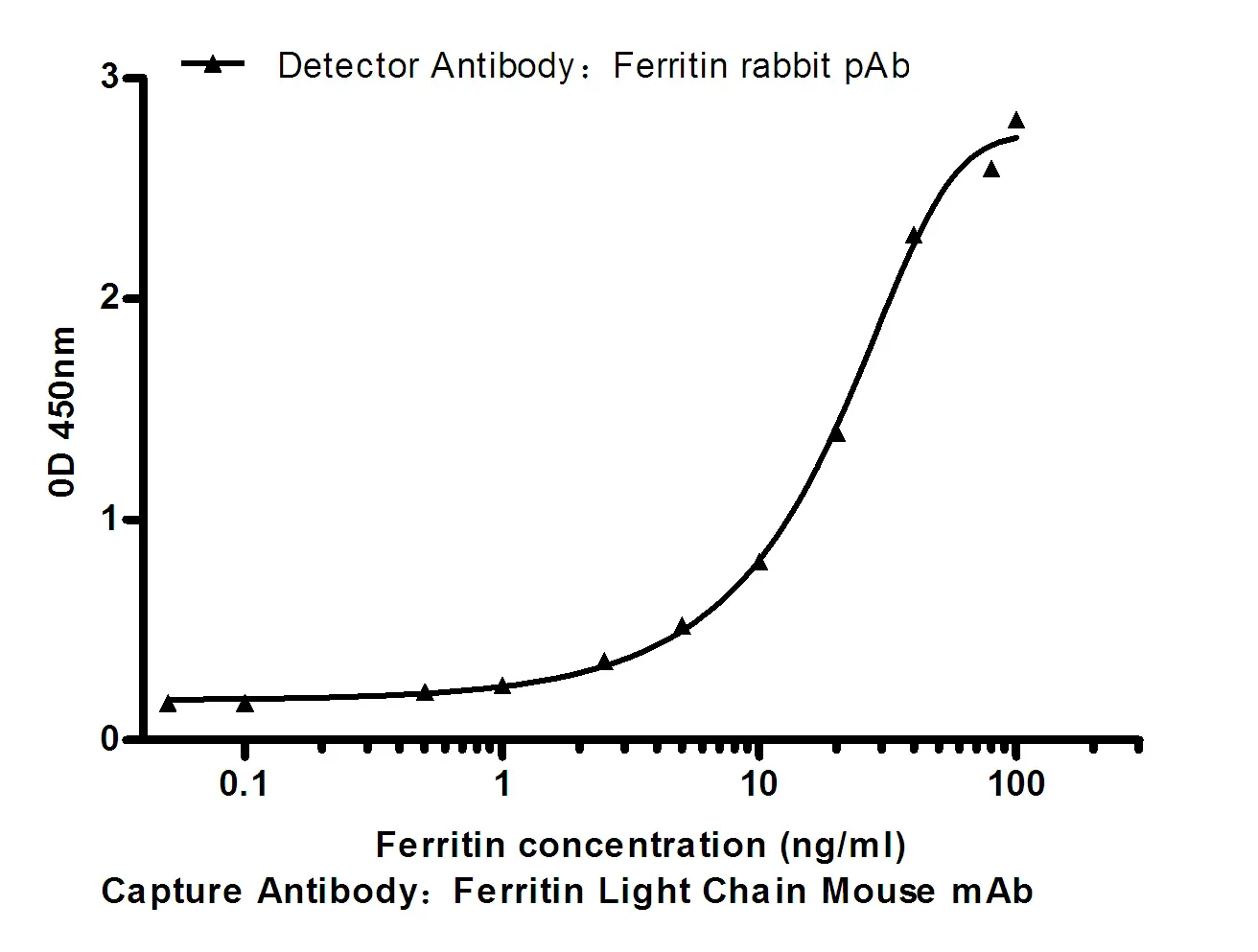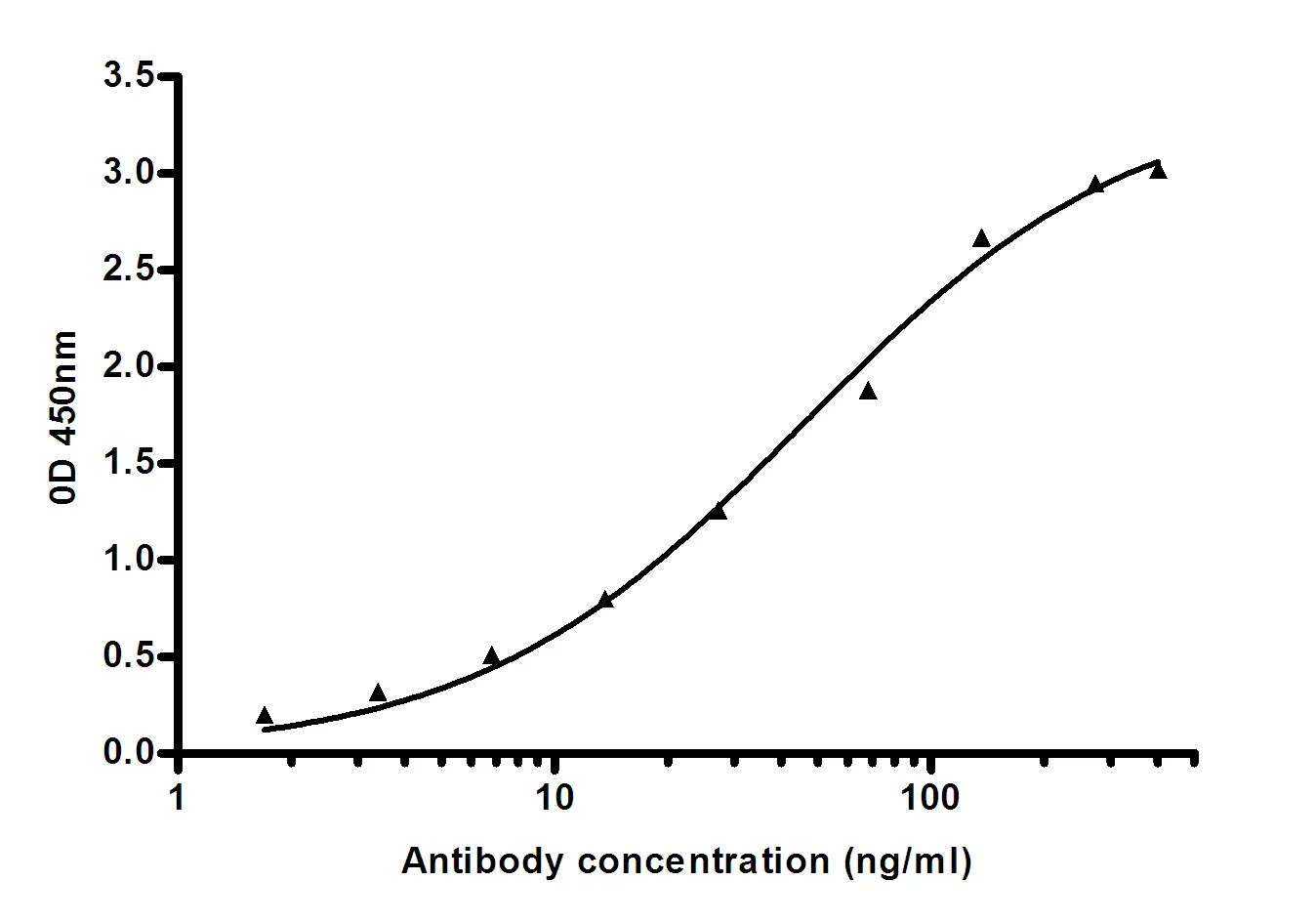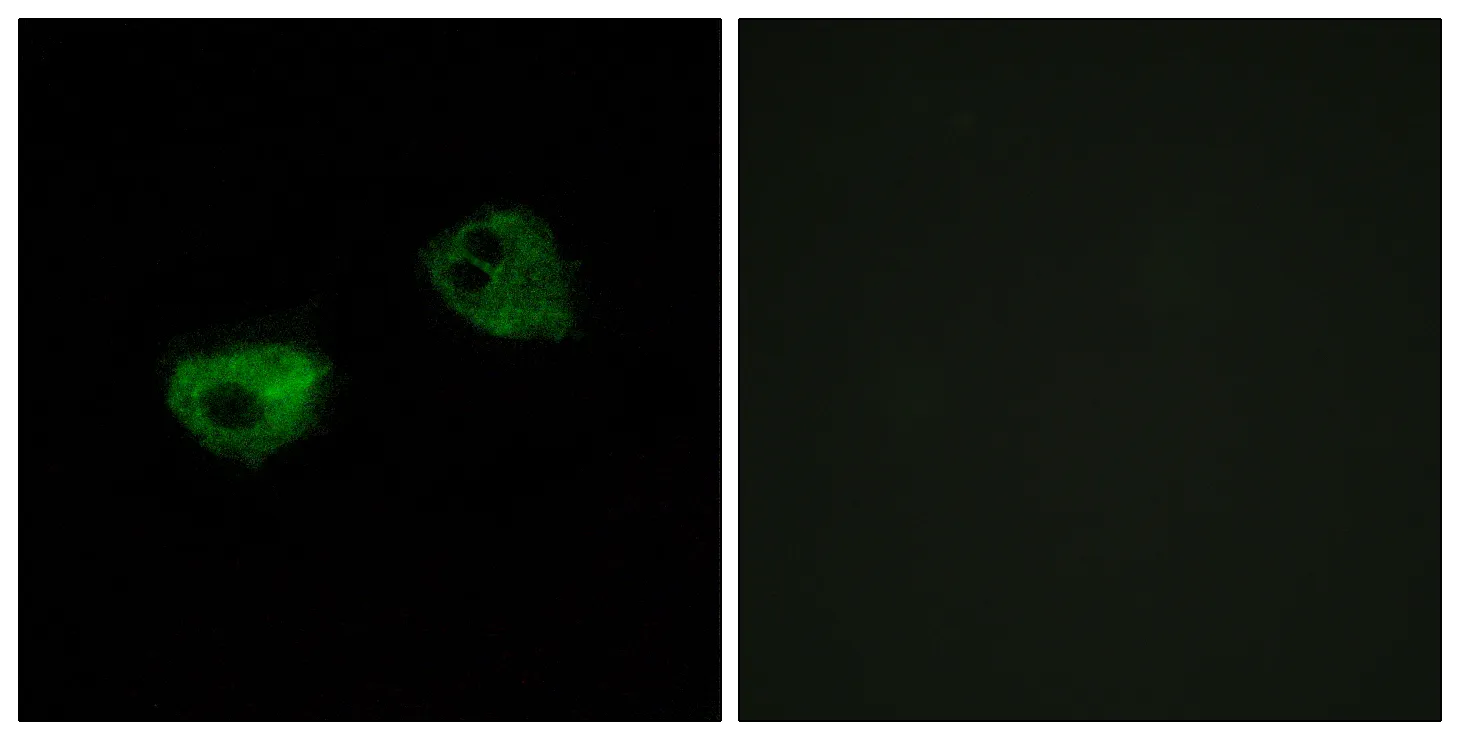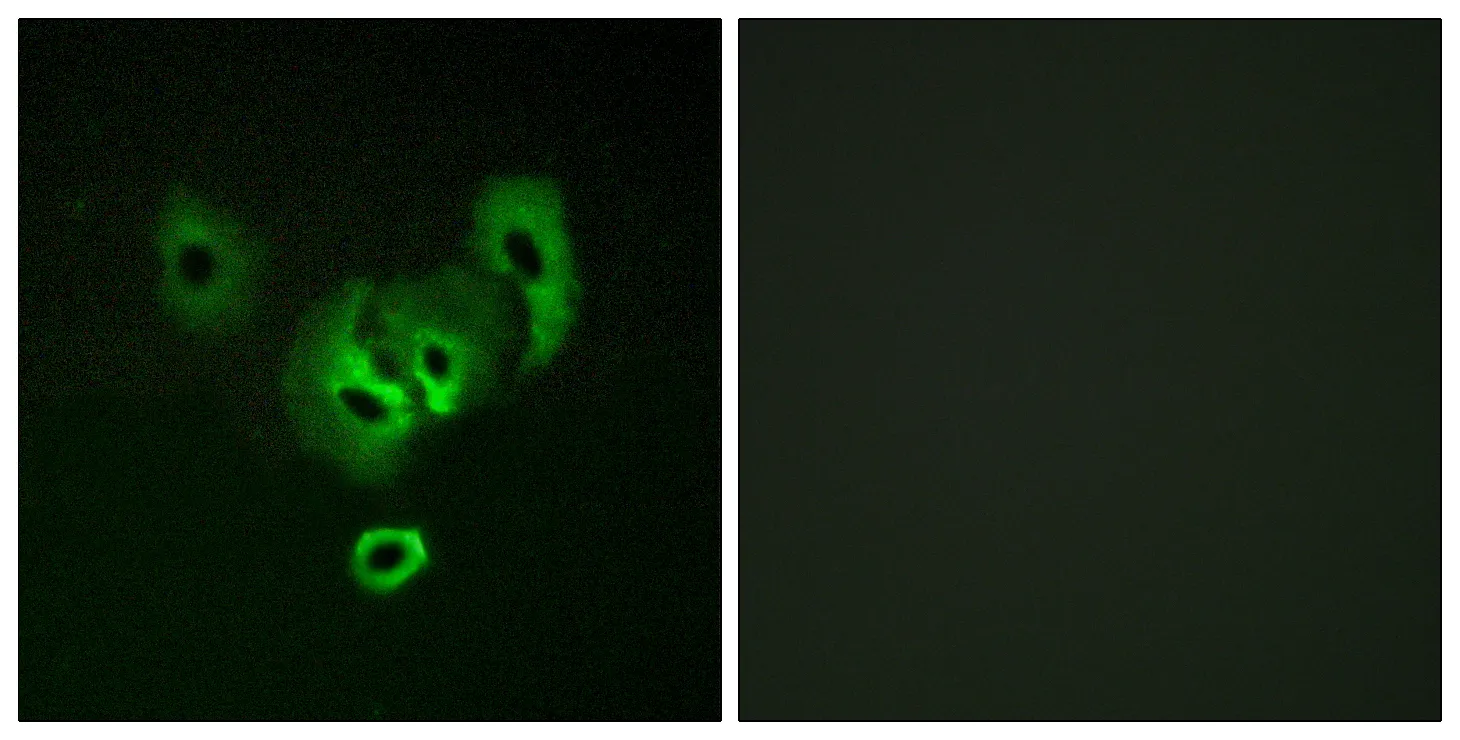


Summary
Performance
Immunogen
Application
Background
The cystatin superfamily encompasses proteins that contain multiple cystatin-like sequences. Some of the members are active cysteine protease inhibitors, while others have lost or perhaps never acquired this inhibitory activity. There are three inhibitory families in the superfamily, including the type 1 cystatins (stefins), type 2 cystatins and the kininogens. The type 2 cystatin proteins are a class of cysteine proteinase inhibitors found in a variety of human fluids and secretions, where they appear to provide protective functions. This gene encodes a cystatin from the type 2 family, which is down-regulated in metastatic breast tumor cells as compared to primary tumor cells. Loss of expression is likely associated with the progression of a primary tumor to a metastatic phenotype. [provided by RefSeq, Jul 2008],function:Shows moderate inhibition of cathepsin B but is not active against cathepsin C.,PTM:Substrate for transglutaminases. Acts as an acyl acceptor but not as an acyl donor.,similarity:Belongs to the cystatin family.,tissue specificity:Restricted to the stratum granulosum of normal skin, the stratum granulosum/spinosum of psoriatic skin, and the secretory coils of eccrine sweat glands. Low expression levels are found in the nasal cavity.,
Research Area