

D1DR Rabbit Polyclonal Antibody($99/20μL)

D1DR Rabbit Polyclonal Antibody($99/20μL)

Cat: APRab09767
Size:20μL Price:$99
Size:50μL Price:$118
Size:100μL Price:$220

Size:200μL Price:$380
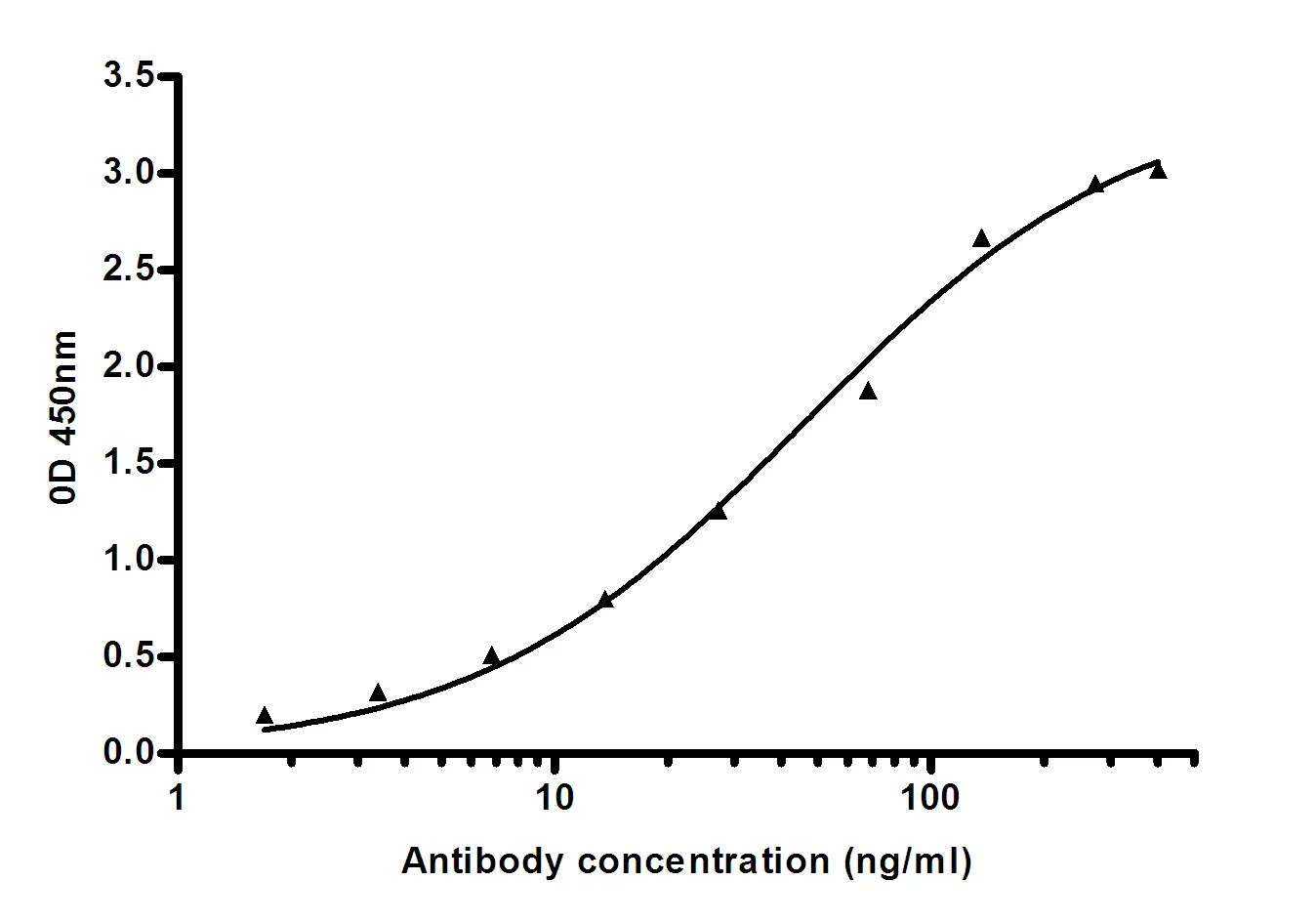
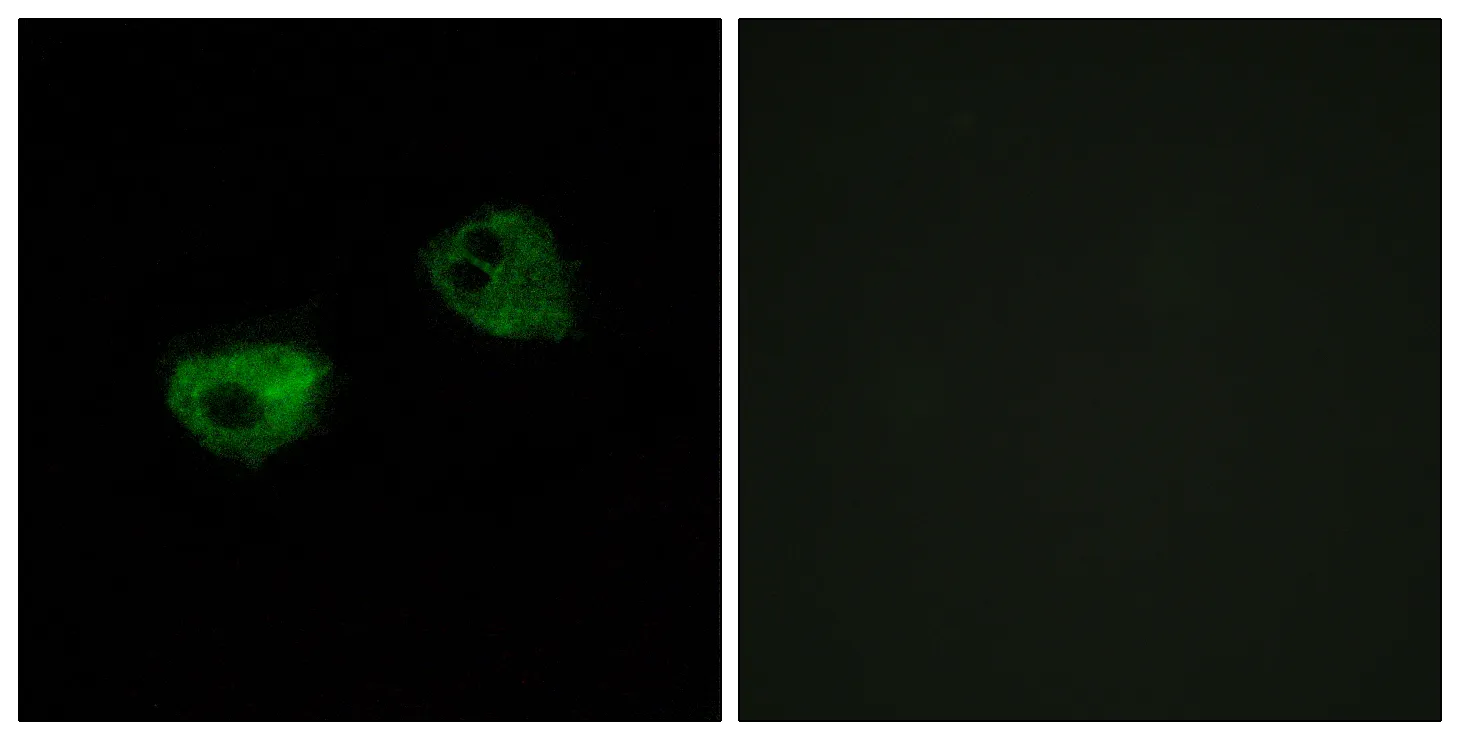
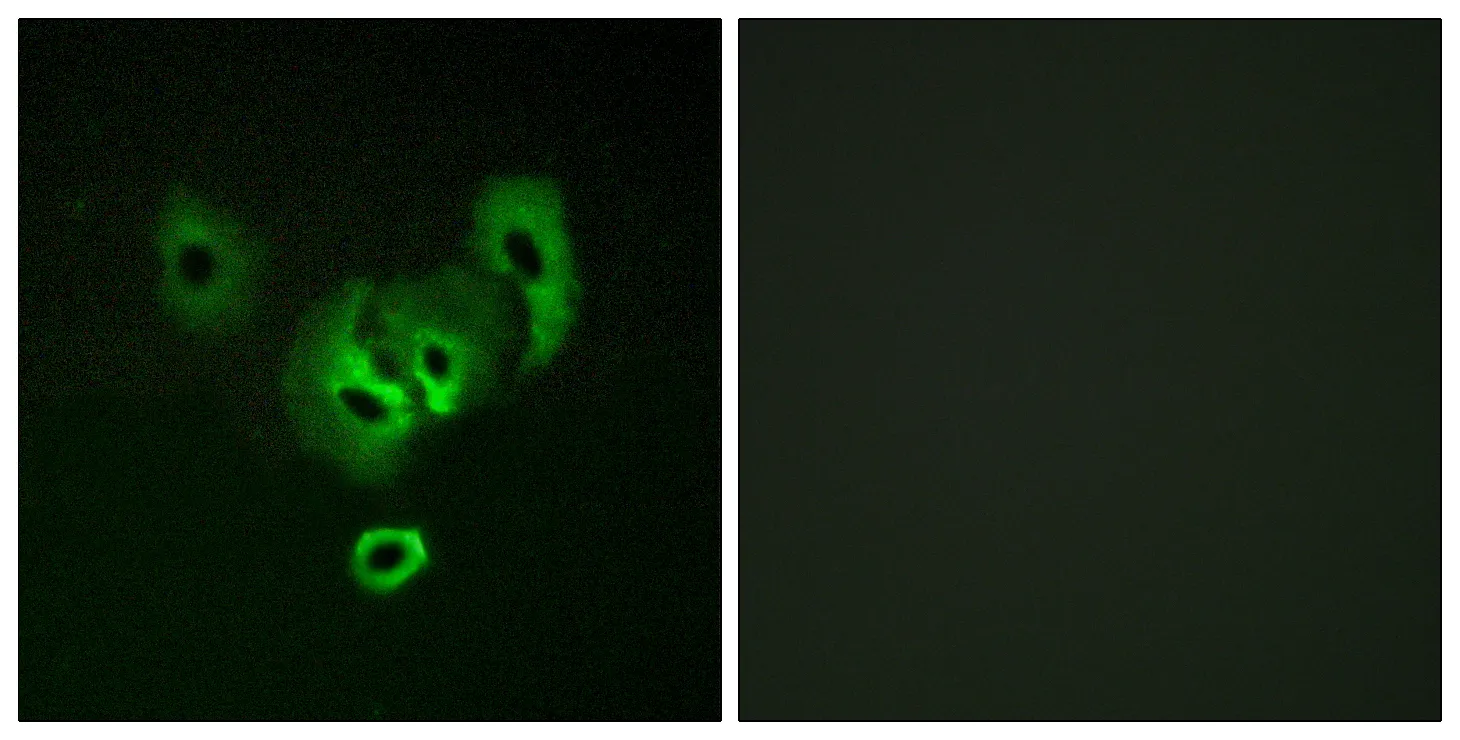
Application:WB,IHC,ICC/IF,ELISA

Reactivity:Human,Mouse,Rat
Conjugate:Unconjugated
Optional conjugates: Biotin, FITC (free of charge).
See other 26 conjugates.

Gene Name:DRD1 Category: Polyclonal Antibodies Tags: , ,

Summary

Production Name

D1DR Rabbit Polyclonal Antibody

Description

Rabbit polyclonal Antibody

Host

Rabbit

Application

WB,IHC,ICC/IF,ELISA

Reactivity

Human,Mouse,Rat


Performance

Conjugation

Unconjugated

Modification

Unmodified

Isotype

IgG

Clonality

Polyclonal

Form

Liquid

Storage

Store at 4°C short term. Aliquot and store at -20°C long term. Avoid freeze/thaw cycles.

Buffer

Liquid in PBS containing 50% glycerol, 0.5% protective protein and 0.02% New type preservative N.

Purification

Affinity purification


Immunogen

Gene Name

DRD1

Alternative Names

DRD1; D(1A) dopamine receptor; Dopamine D1 receptor

Gene ID

1812

SwissProt ID

P21728


Application

Dilution Ratio

WB 1:500-1:2000,IHC 1:100-1:300,ICC/IF 1:200-1:1000,ELISA 1:5000-1:10000

Molecular Weight

50kDa


Background

This gene encodes the D1 subtype of the dopamine receptor. The D1 subtype is the most abundant dopamine receptor in the central nervous system. This G-protein coupled receptor stimulates adenylyl cyclase and activates cyclic AMP-dependent protein kinases. D1 receptors regulate neuronal growth and development, mediate some behavioral responses, and modulate dopamine receptor D2-mediated events. Alternate transcription initiation sites result in two transcript variants of this gene. [provided by RefSeq, Jul 2008],function:This is one of the five types (D1 to D5) of receptors for dopamine. The activity of this receptor is mediated by G proteins which activate adenylyl cyclase.,similarity:Belongs to the G-protein coupled receptor 1 family.,subcellular location:Transport from the endoplasmic reticulum to the cell surface is regulated by interaction with DNAJC14.,subunit:Interacts with DNAJC14 via its C-terminus (By similarity). Interacts with DRD1IP.,tissue specificity:Detected in caudate, nucleus accumbens and in the olfactory tubercle.,


Research Area

Calcium;Neuroactive ligand-receptor interaction;Gap junction;
   💬 WhatsApp