DOC-1 Rabbit Polyclonal Antibody($99/20μL)

DOC-1 Rabbit Polyclonal Antibody($99/20μL)

Cat: APRab10094
Size:20μL Price:$99
Size:50μL Price:$118
Size:100μL Price:$220

Size:200μL Price:$380
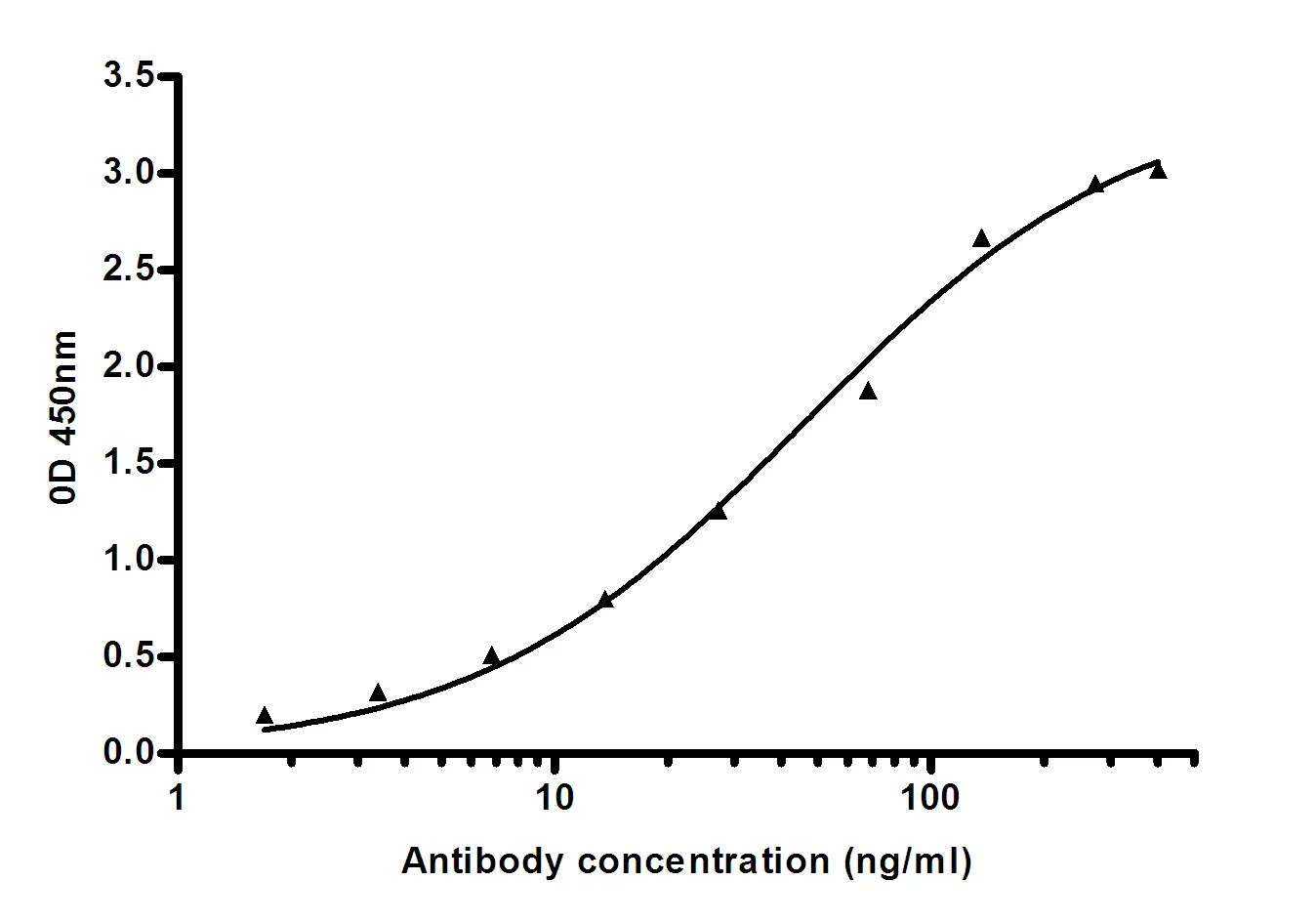
Application:WB,ELISA

Reactivity:Human,Mouse
Conjugate:Unconjugated
Optional conjugates: Biotin, FITC (free of charge).
See other 26 conjugates.

Gene Name:CDK2AP1 Category: Polyclonal Antibody Tags:

Summary

Production Name

DOC-1 Rabbit Polyclonal Antibody

Description

Rabbit polyclonal Antibody

Host

Rabbit

Application

WB,ELISA

Reactivity

Human,Mouse


Performance

Conjugation

Unconjugated

Modification

Unmodified

Isotype

IgG

Clonality

Polyclonal

Form

Liquid

Storage

Store at 4°C short term. Aliquot and store at -20°C long term. Avoid freeze/thaw cycles.

Buffer

Liquid in PBS containing 50% glycerol, 0.5% protective protein and 0.02% New type preservative N.

Purification

Affinity purification


Immunogen

Gene Name

CDK2AP1

Alternative Names

CDK2AP1; CDKAP1; DOC1; Cyclin-dependent kinase 2-associated protein 1; CDK2-associated protein 1; Deleted in oral cancer 1; DOC-1; Putative oral cancer suppressor

Gene ID

8099

SwissProt ID

O14519


Application

Dilution Ratio

WB 1:500-1:2000,ELISA 1:5000-1:10000

Molecular Weight

20kDa


Background

cyclin dependent kinase 2 associated protein 1(CDK2AP1) Homo sapiens The protein encoded by this gene is a cyclin-dependent kinase 2 (CDK2) -associated protein which is thought to negatively regulate CDK2 activity by sequestering monomeric CDK2, and targeting CDK2 for proteolysis. This protein was found to also interact with DNA polymerase alpha/primase and mediate the phosphorylation of the large p180 subunit, which suggests a regulatory role in DNA replication during the S-phase of the cell cycle. This protein also forms a core subunit of the nucleosome remodeling and histone deacetylation (NURD) complex that epigenetically regulates embryonic stem cell differentiation. This gene thus plays a role in both cell-cycle and epigenetic regulation. Alternative splicing results in multiple transcript variants encoding distinct isoforms. [provided by RefSeq, Jul 2012],similarity:Belongs to the CDK2AP family.,


Research Area
   💬 WhatsApp