


Dok-6 Rabbit Polyclonal Antibody($99/20μL)

Dok-6 Rabbit Polyclonal Antibody($99/20μL)

Cat: APRab10110
Size:20μL Price:$99
Size:50μL Price:$118
Size:100μL Price:$220

Size:200μL Price:$380
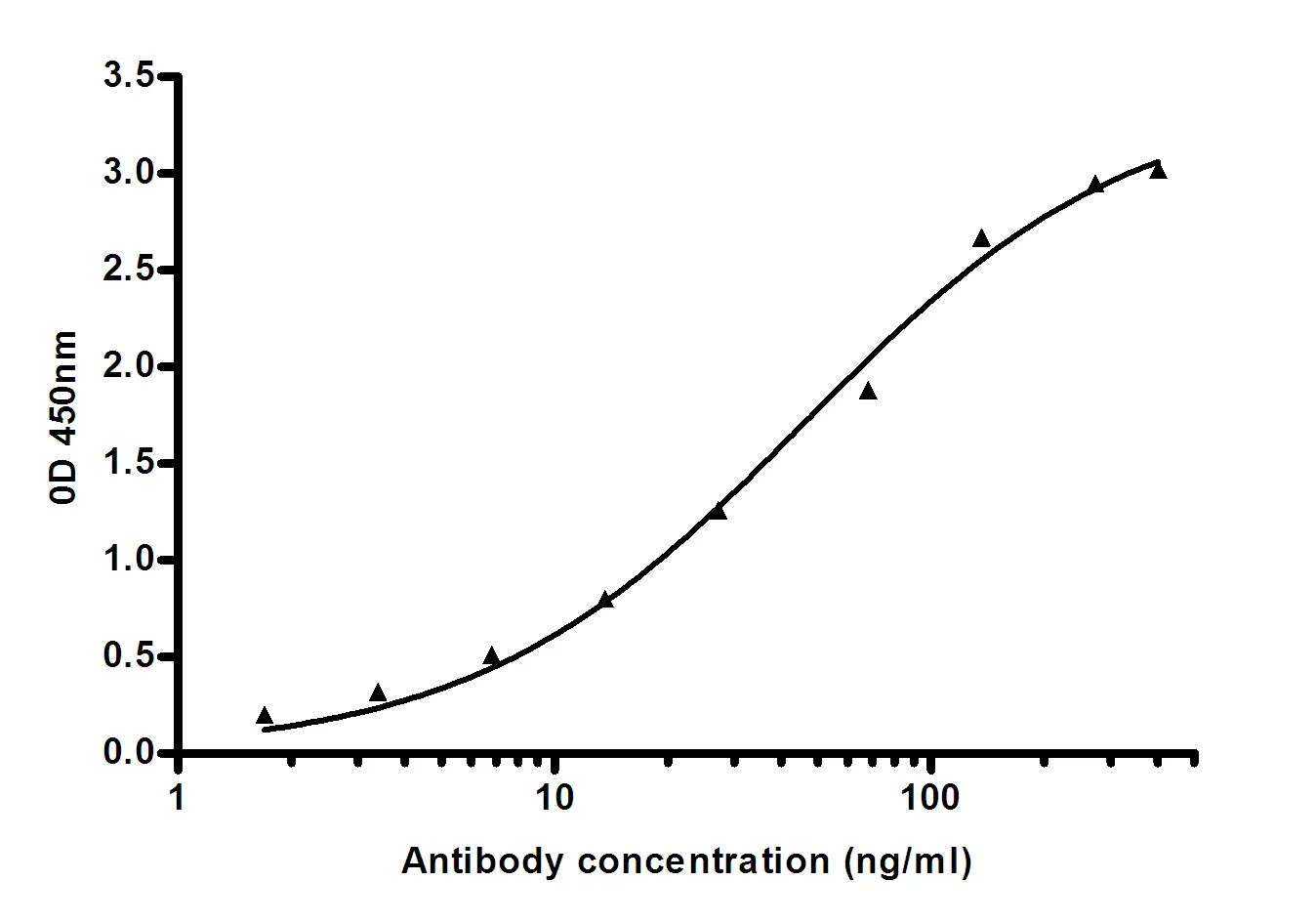
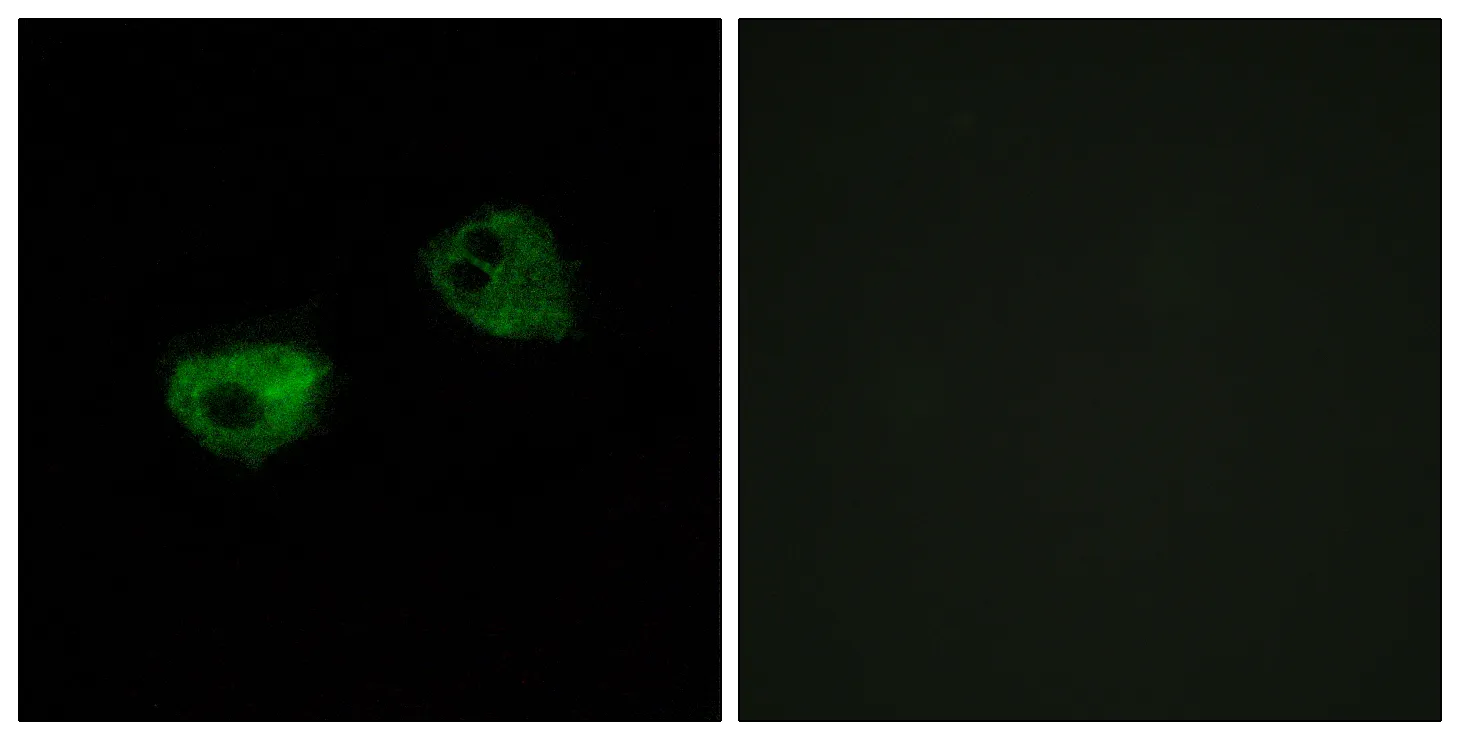
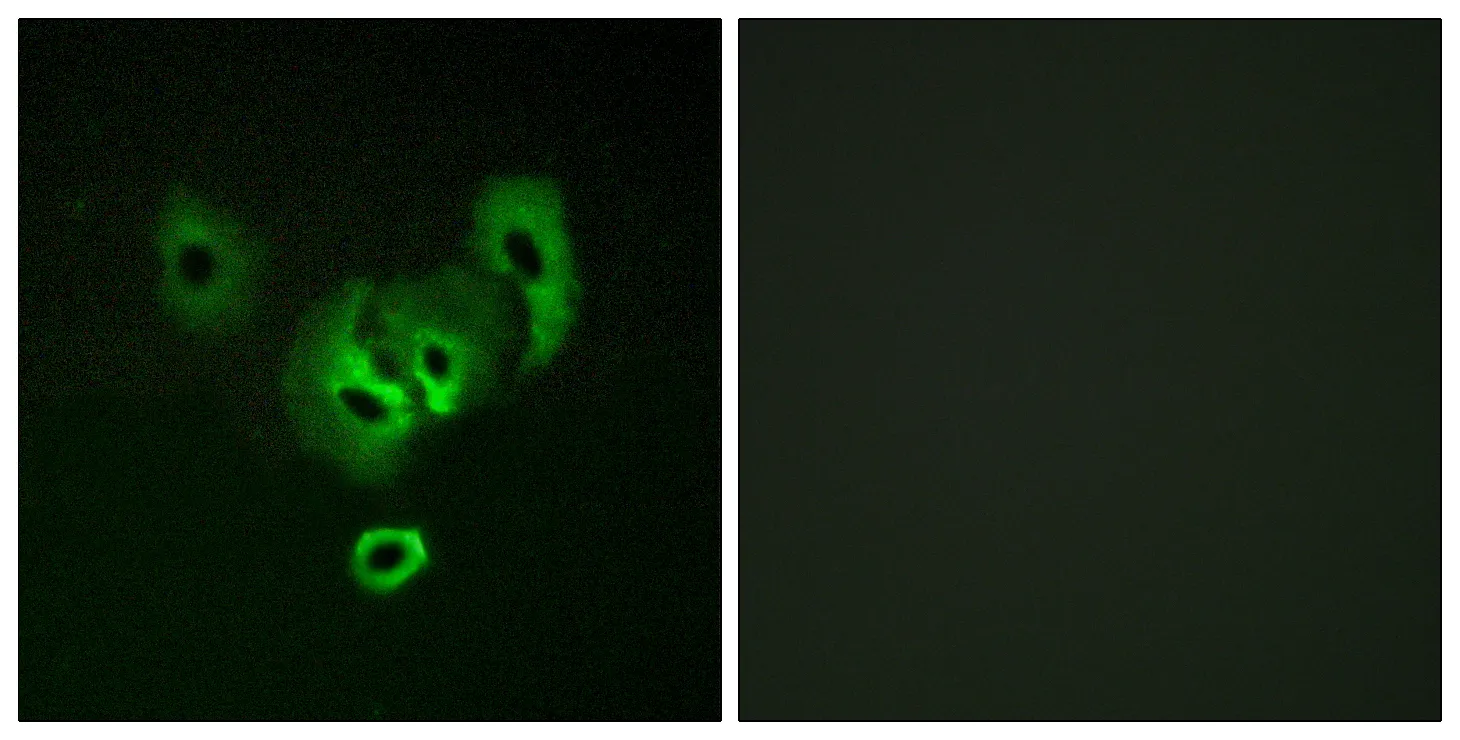
Application:WB,IHC,ICC/IF,ELISA

Reactivity:Human,Mouse
Conjugate:Unconjugated
Optional conjugates: Biotin, FITC (free of charge).
See other 26 conjugates.

Gene Name:DOK6 Category: Polyclonal Antibody Tags:

Summary

Production Name

Dok-6 Rabbit Polyclonal Antibody

Description

Rabbit polyclonal Antibody

Host

Rabbit

Application

WB,IHC,ICC/IF,ELISA

Reactivity

Human,Mouse


Performance

Conjugation

Unconjugated

Modification

Unmodified

Isotype

IgG

Clonality

Polyclonal

Form

Liquid

Storage

Store at 4°C short term. Aliquot and store at -20°C long term. Avoid freeze/thaw cycles.

Buffer

Liquid in PBS containing 50% glycerol, 0.5% protective protein and 0.02% New type preservative N.

Purification

Affinity purification


Immunogen

Gene Name

DOK6

Alternative Names

DOK6; DOK5L; Docking protein 6; Downstream of tyrosine kinase 6

Gene ID

220164

SwissProt ID

Q6PKX4


Application

Dilution Ratio

WB 1:500-1:2000,IHC 1:100-1:300,ICC/IF 1:200-1:1000,ELISA 1:5000-1:20000

Molecular Weight

43kDa


Background

docking protein 6(DOK6) Homo sapiens DOK6 is a member of the DOK (see DOK1; MIM 602919) family of intracellular adaptors that play a role in the RET (MIM 164761) signaling cascade (Crowder et al., 2004 [PubMed 15286081]).[supplied by OMIM, Mar 2008],domain:PTB domain mediates receptor interaction.,function:DOK proteins are enzymatically inert adaptor or scaffolding proteins. They provide a docking platform for the assembly of multimolecular signaling complexes. DOK6 promotes Ret-mediated neurite growth. May have a role in brain development and/or maintenance.,PTM:On Ret activation, phosphorylated on one or more C-terminal tyrosine residues by an Src family kinase.,similarity:Belongs to the DOK family. Type B subfamily.,similarity:Contains 1 IRS-type PTB domain.,similarity:Contains 1 PH domain.,subunit:Interacts via its PTB domain with phosphorylated RET.,tissue specificity:Highly expressed in fetal and adult brain. Highly expressed in the cerebellum. Weak expression in kidney, spinal cord and testis.,


Research Area
   💬 WhatsApp