
Dynein LC 2B Rabbit Polyclonal Antibody($99/20μL)

Dynein LC 2B Rabbit Polyclonal Antibody($99/20μL)

Cat: APRab10231
Size:20μL Price:$99
Size:50μL Price:$118
Size:100μL Price:$220

Size:200μL Price:$380
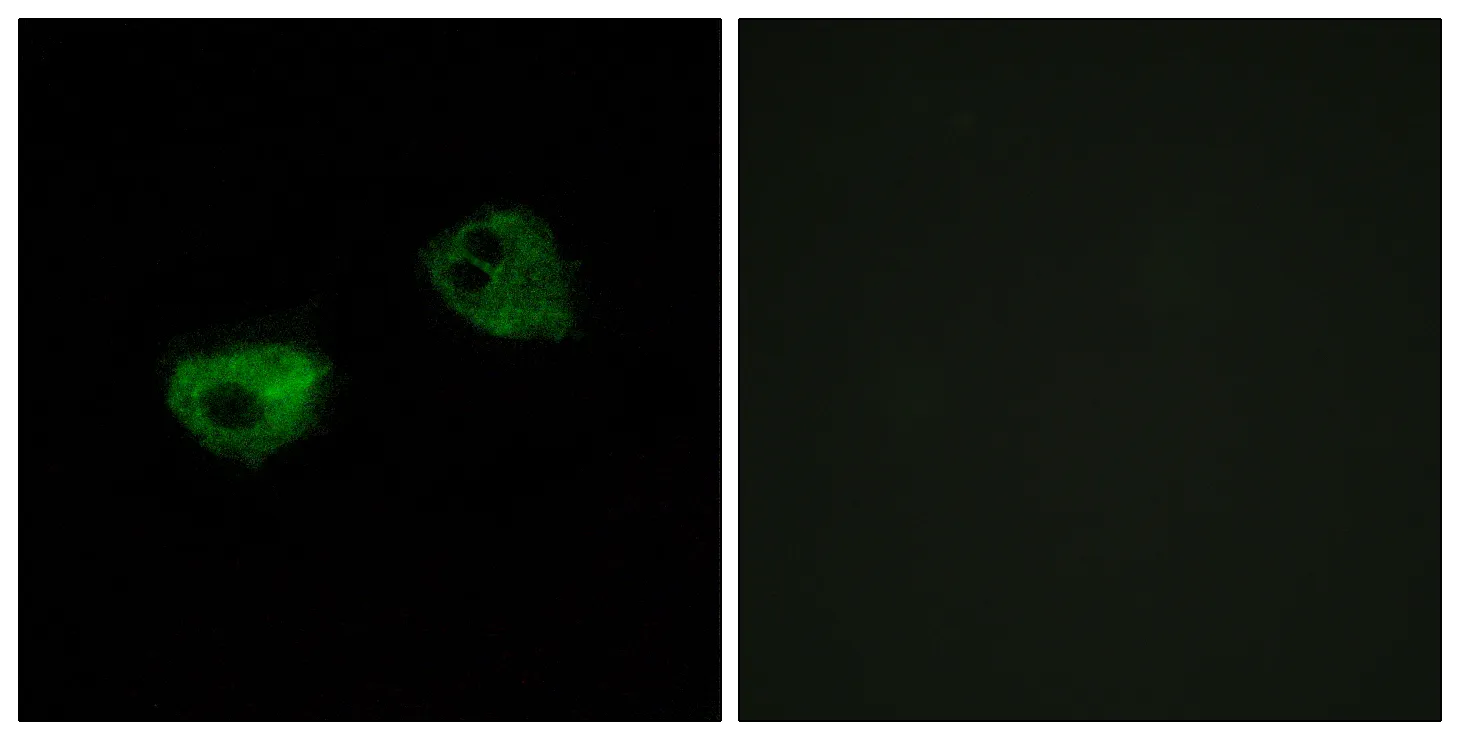
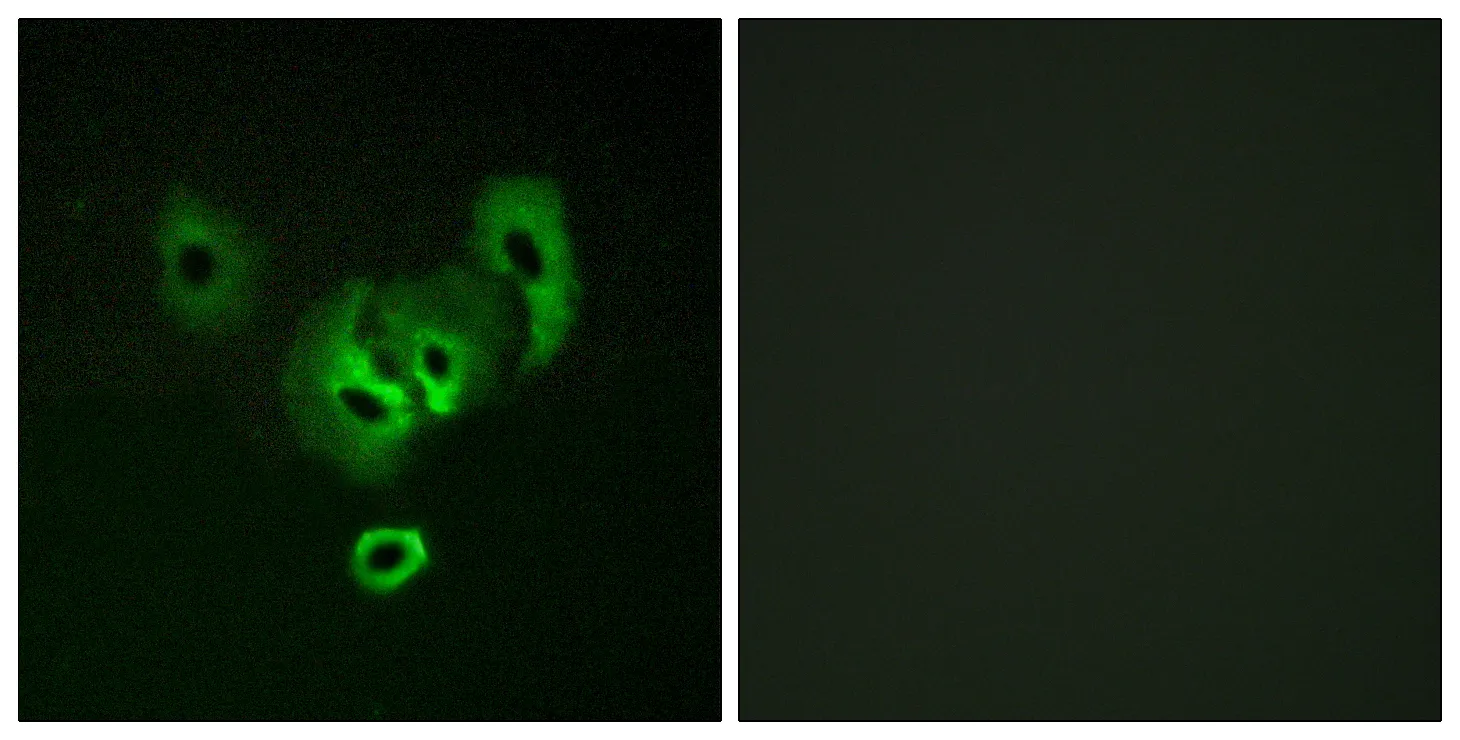
Application:IHC,ICC/IF,ELISA

Reactivity:Human,Mouse
Conjugate:Unconjugated
Optional conjugates: Biotin, FITC (free of charge).
See other 26 conjugates.

Gene Name:DYNLRB2 Category: Polyclonal Antibodies Tags:

Summary

Production Name

Dynein LC 2B Rabbit Polyclonal Antibody

Description

Rabbit polyclonal Antibody

Host

Rabbit

Application

IHC,ICC/IF,ELISA

Reactivity

Human,Mouse


Performance

Conjugation

Unconjugated

Modification

Unmodified

Isotype

IgG

Clonality

Polyclonal

Form

Liquid

Storage

Store at 4°C short term. Aliquot and store at -20°C long term. Avoid freeze/thaw cycles.

Buffer

Liquid in PBS containing 50% glycerol, 0.5% protective protein and 0.02% New type preservative N.

Purification

Affinity purification


Immunogen

Gene Name

DYNLRB2

Alternative Names

DYNLRB2; DNCL2B; DNLC2B; ROBLD2; Dynein light chain roadblock-type 2; Dynein light chain 2B; cytoplasmic; Roadblock domain-containing protein 2

Gene ID

83657

SwissProt ID

Q8TF09


Application

Dilution Ratio

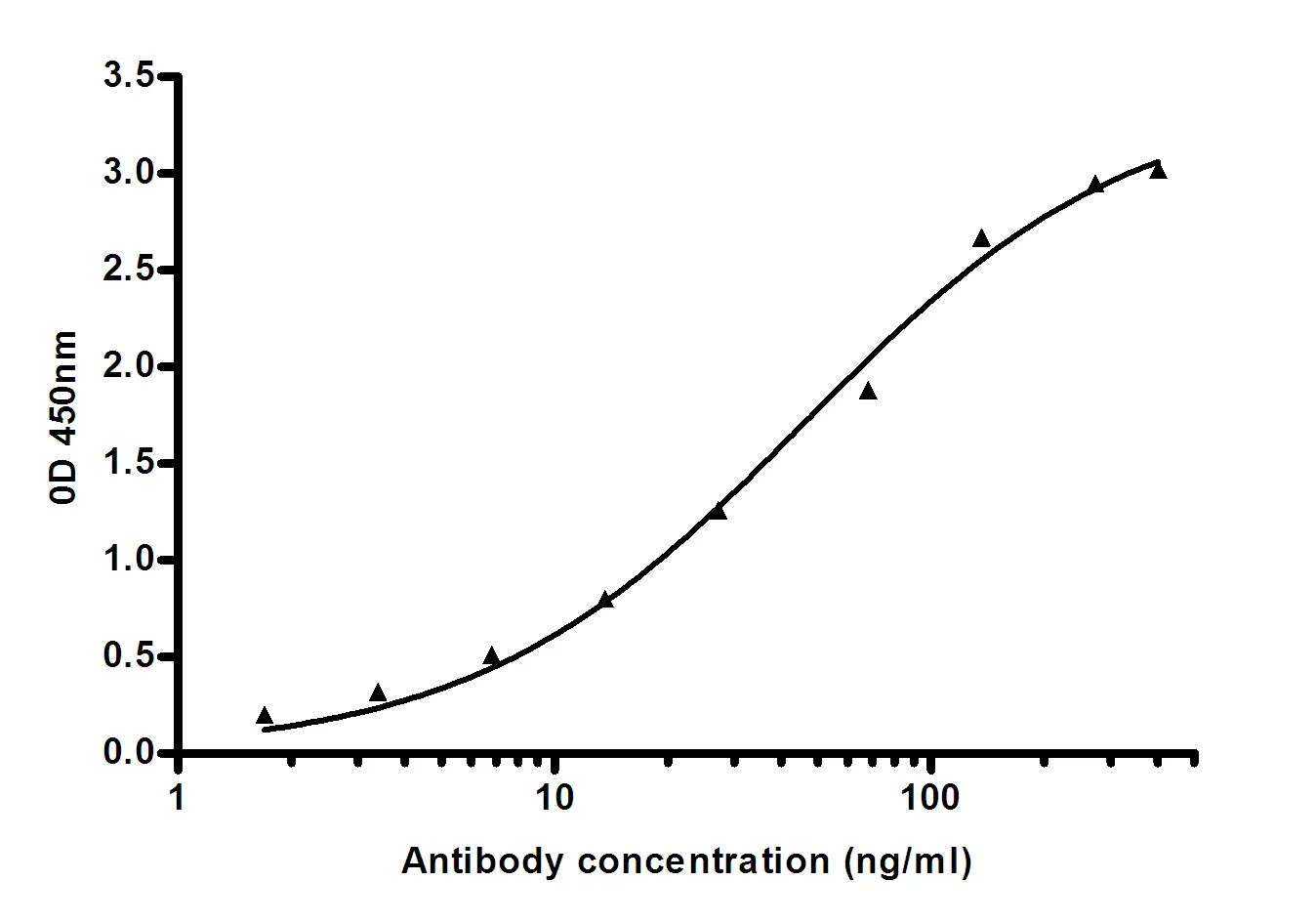
IHC 1:100-1:300,ICC/IF 1:50-1:200,ELISA 1:5000-1:20000

Molecular Weight


Background

function:May be involved in assembly and motor function of dynein, which plays a central role in cell division and intracellular transport.,miscellaneous:Expression is significantly down-regulated in hepatocellular carcinoma (HCC) patients.,similarity:Belongs to the GAMAD family.,tissue specificity:High expression in heart, brain, placenta, skeletal muscle, prostate and small intestine; moderate in kidney, pancreas, spleen, testis, ovary and colon; low in lung, liver, thymus and leukocyte.,function:May be involved in assembly and motor function of dynein, which plays a central role in cell division and intracellular transport.,miscellaneous:Expression is significantly down-regulated in hepatocellular carcinoma (HCC) patients.,similarity:Belongs to the GAMAD family.,tissue specificity:High expression in heart, brain, placenta, skeletal muscle, prostate and small intestine; moderate in kidney, pancreas, spleen, testis, ovary and colon; low in lung, liver, thymus and leukocyte.,


Research Area
   💬 WhatsApp