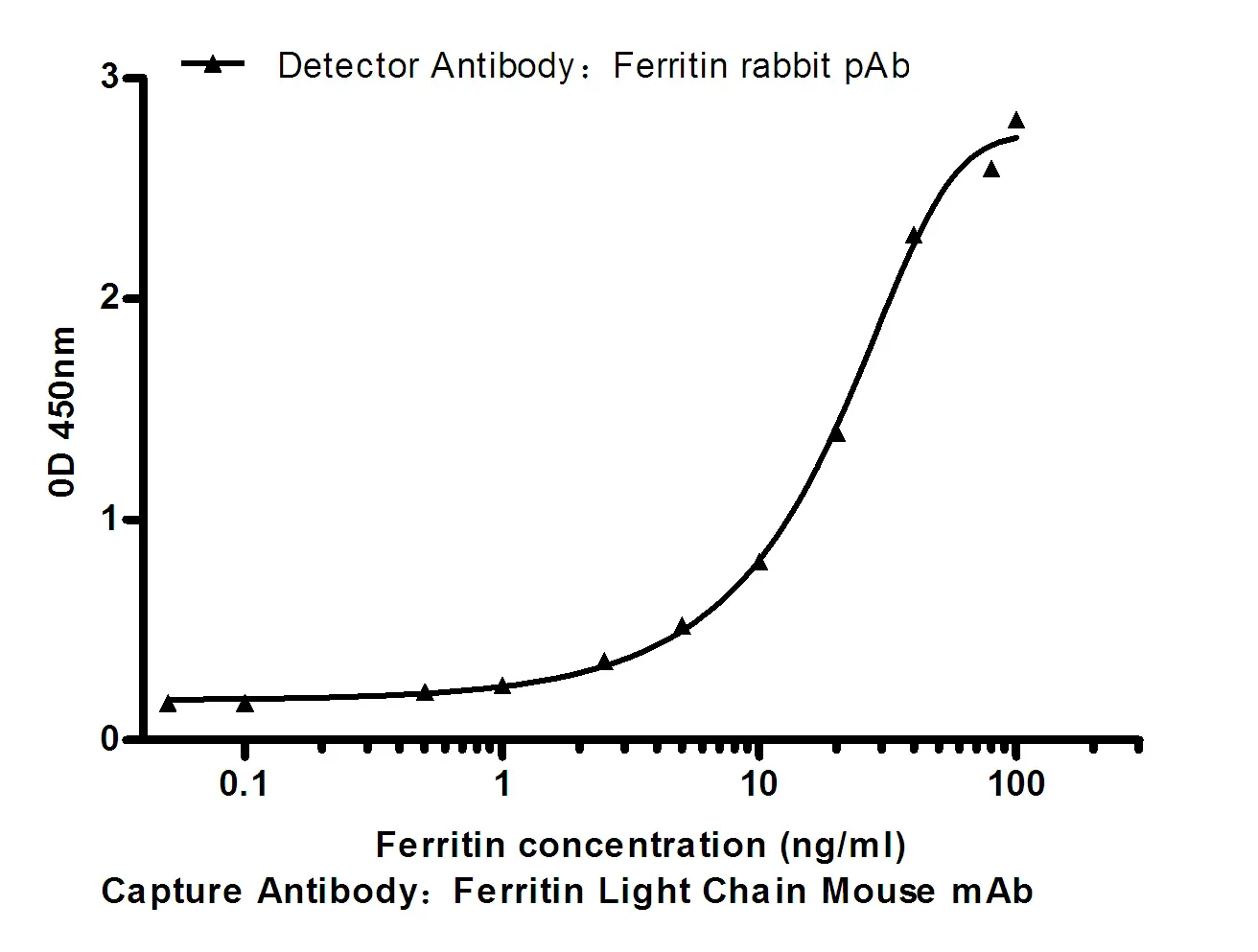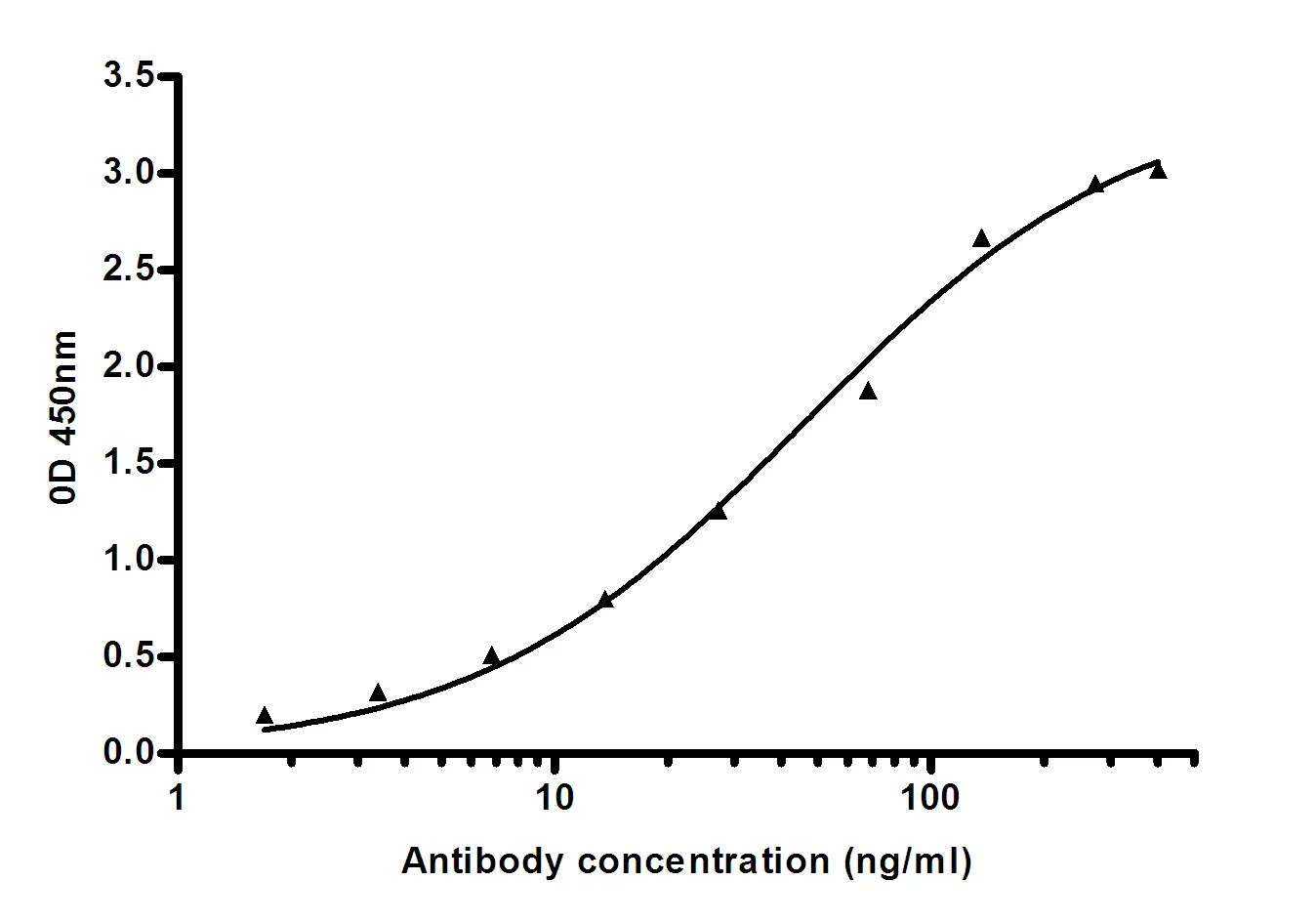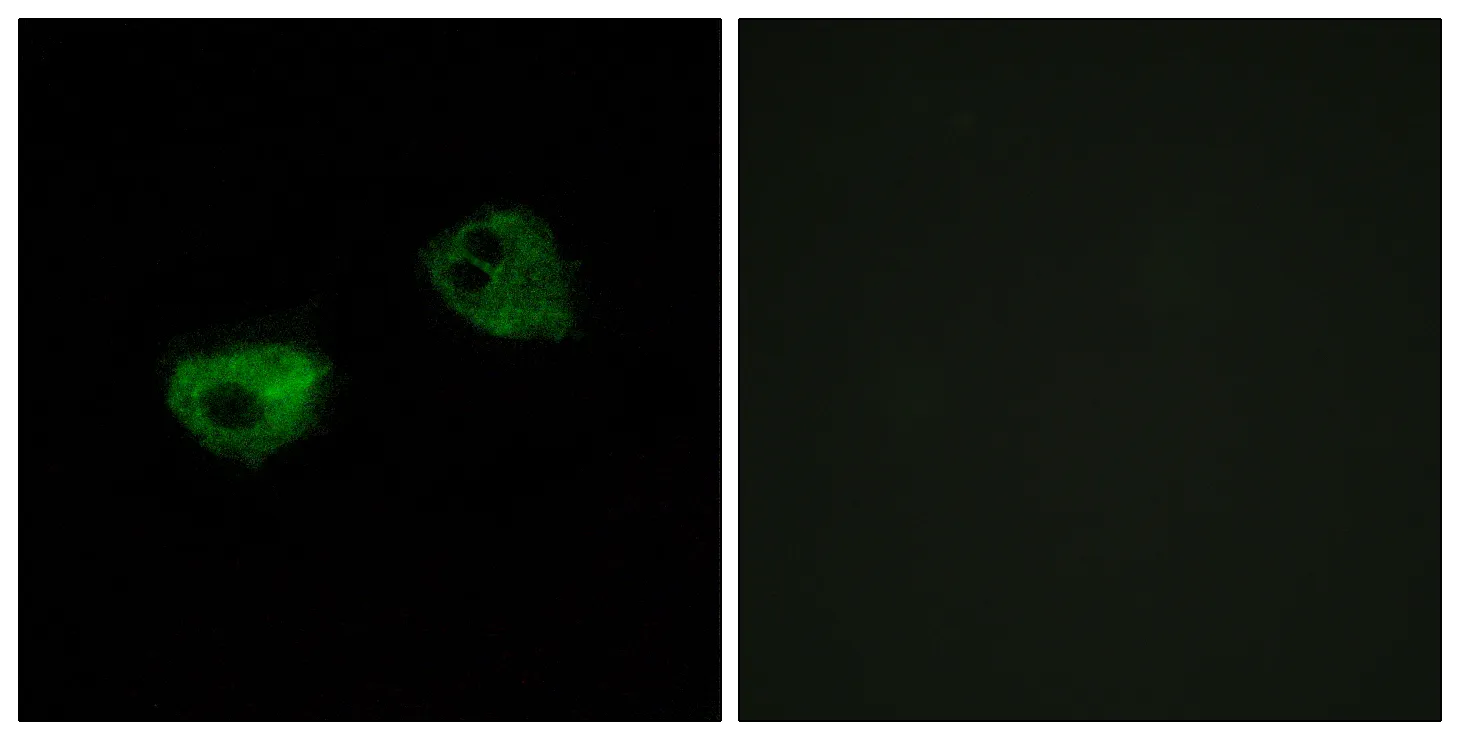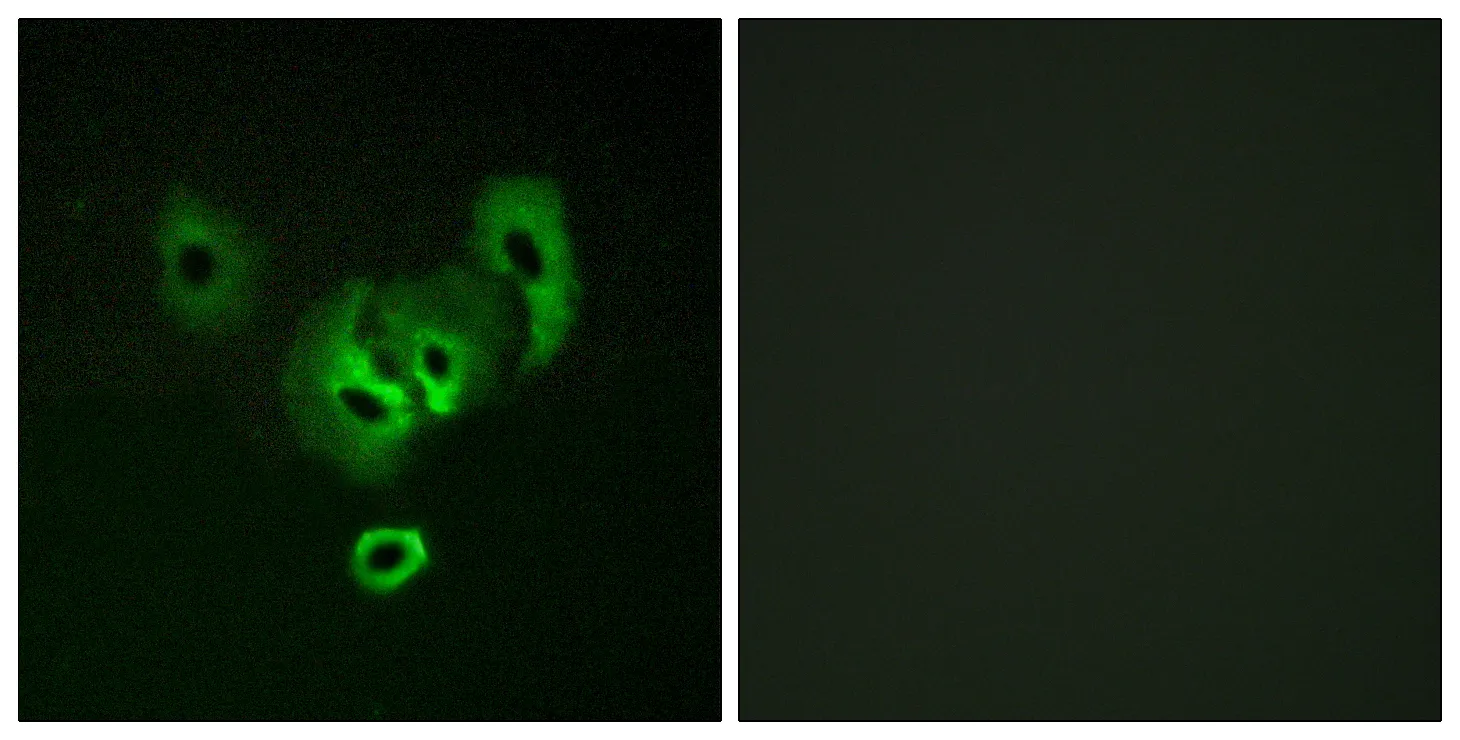


Summary
Performance
Immunogen
Application
Background
mannose receptor C type 2(MRC2) Homo sapiens This gene encodes a member of the mannose receptor family of proteins that contain a fibronectin type II domain and multiple C-type lectin-like domains. The encoded protein plays a role in extracellular matrix remodeling by mediating the internalization and lysosomal degradation of collagen ligands. Expression of this gene may play a role in the tumorigenesis and metastasis of several malignancies including breast cancer, gliomas and metastatic bone disease. [provided by RefSeq, Feb 2012],domain:C-type lectin domains 3 to 8 are not required for calcium-dependent binding of mannose, fucose and N-acetylglucosamine. C-type lectin domain 2 is responsible for sugar-binding in a calcium-dependent manner.,domain:Fibronectin type-II domain mediates collagen-binding.,domain:Ricin B-type lectin domain contacts with the second C-type lectin domain.,function:May play a role as endocytotic lectin receptor displaying calcium-dependent lectin activity. Internalizes glycosylated ligands from the extracellular space for release in an endosomal compartment via clathrin-mediated endocytosis. May be involved in plasminogen activation system controlling the extracellular level of PLAUR/PLAU, and thus may regulate protease activity at the cell surface. May contribute to cellular uptake, remodeling and degradation of extracellular collagen matrices. May play a role during cancer progression as well as in other chronic tissue destructive diseases acting on collagen turnover. May participate in remodeling of extracellular matrix co-operating with the matrix metalloproteinases (MMPs).,online information:Endo180,PTM:N-glycosylated.,PTM:Phosphorylated.,similarity:Contains 1 fibronectin type-II domain.,similarity:Contains 1 ricin B-type lectin domain.,similarity:Contains 8 C-type lectin domains.,subunit:Interacts with C-terminal region of type I collagen/COL1A1 (By similarity). Interacts directly with PLAUR/UPAR and PLAU/pro-UPA to form a tri-molecular complex. Interacts with collagen V.,tissue specificity:Ubiquitous with low expression in brain, placenta, lung, kidney, pancreas, spleen, thymus and colon. Expressed in endothelial cells, fibroblasts and macrophages. Highly expressed in fetal lung and kidney.,
Research Area