

GDF-15 Rabbit Polyclonal Antibody($99/20μL)

GDF-15 Rabbit Polyclonal Antibody($99/20μL)

Cat: APRab11382
Size:20μL Price:$99
Size:50μL Price:$118
Size:100μL Price:$220

Size:200μL Price:$380
Application:WB,ELISA

Reactivity:Human,Rat,Mouse
Conjugate:Unconjugated
Optional conjugates: Biotin, FITC (free of charge).
See other 26 conjugates.

Gene Name:GDF15 Category: Polyclonal Antibodies Tags:

Summary

Production Name

GDF-15 Rabbit Polyclonal Antibody

Description

Rabbit polyclonal Antibody

Host

Rabbit

Application

WB,ELISA

Reactivity

Human,Rat,Mouse


Performance

Conjugation

Unconjugated

Modification

Unmodified

Isotype

IgG

Clonality

Polyclonal

Form

Liquid

Storage

Store at 4°C short term. Aliquot and store at -20°C long term. Avoid freeze/thaw cycles.

Buffer

Liquid in PBS containing 50% glycerol, 0.5% protective protein and 0.02% New type preservative N.

Purification

Affinity purification


Immunogen

Gene Name

GDF15

Alternative Names

GDF15; MIC1; PDF; PLAB; PTGFB; Growth/differentiation factor 15; GDF-15; Macrophage inhibitory cytokine 1; MIC-1; NSAID-activated gene 1 protein; NAG-1; NSAID-regulated gene 1 protein; NRG-1; Placental TGF-beta; Placental bone morphogenetic

Gene ID

9518

SwissProt ID

Q99988


Application

Dilution Ratio

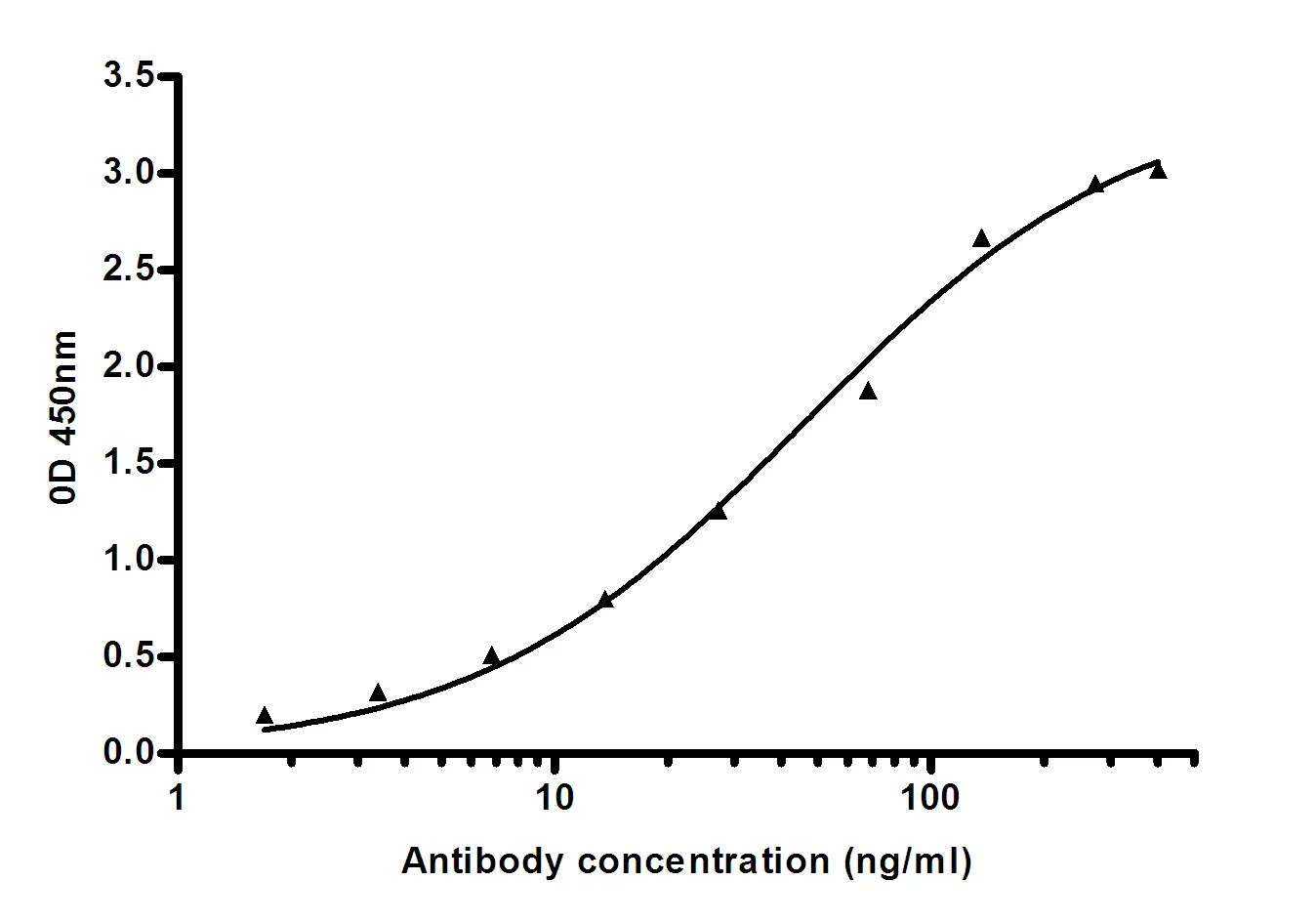
WB 1:500-1:2000,ELISA 1:20000-1:40000

Molecular Weight

37kDa


Background

growth differentiation factor 15(GDF15) Homo sapiens This gene encodes a secreted ligand of the TGF-beta (transforming growth factor-beta) superfamily of proteins. Ligands of this family bind various TGF-beta receptors leading to recruitment and activation of SMAD family transcription factors that regulate gene expression. The encoded preproprotein is proteolytically processed to generate each subunit of the disulfide-linked homodimer. The protein is expressed in a broad range of cell types, acts as a pleiotropic cytokine and is involved in the stress response program of cells after cellular injury. Increased protein levels are associated with disease states such as tissue hypoxia, inflammation, acute injury and oxidative stress. [provided by RefSeq, Aug 2016],similarity:Belongs to the TGF-beta family.,subunit:Homodimer; disulfide-linked.,tissue specificity:Highly expressed in placenta, with lower levels in prostate and colon and some expression in kidney.,


Research Area

Cell Biology
   💬 WhatsApp