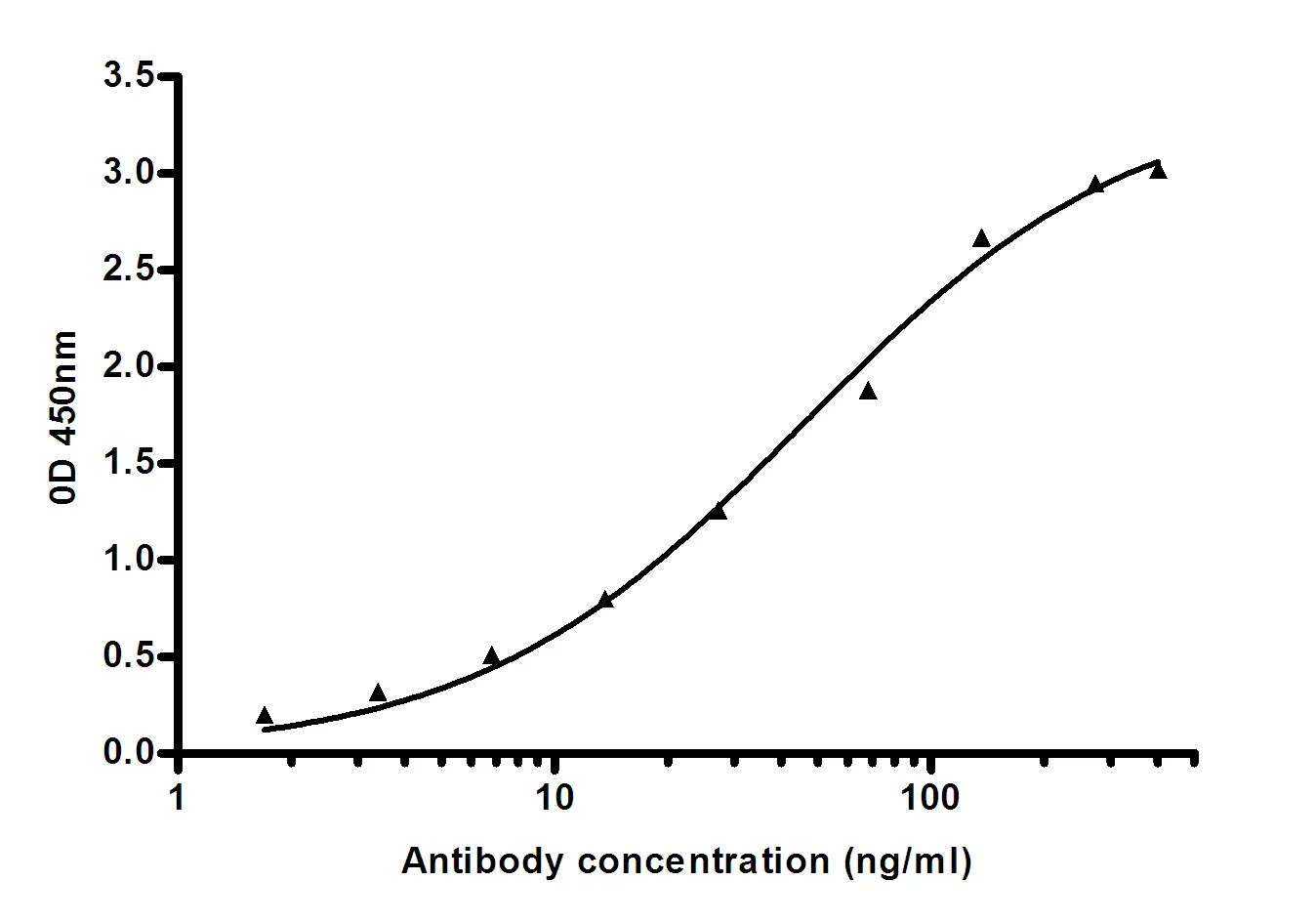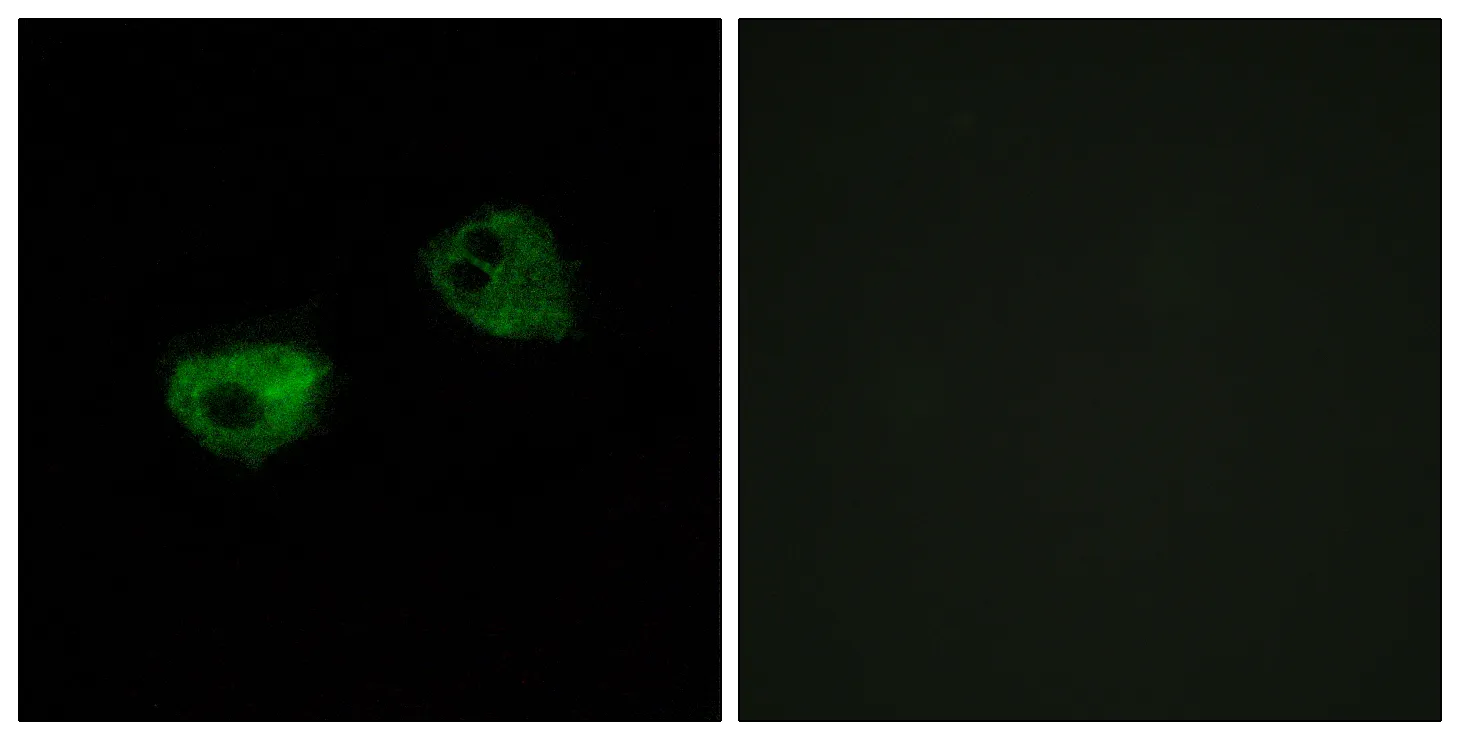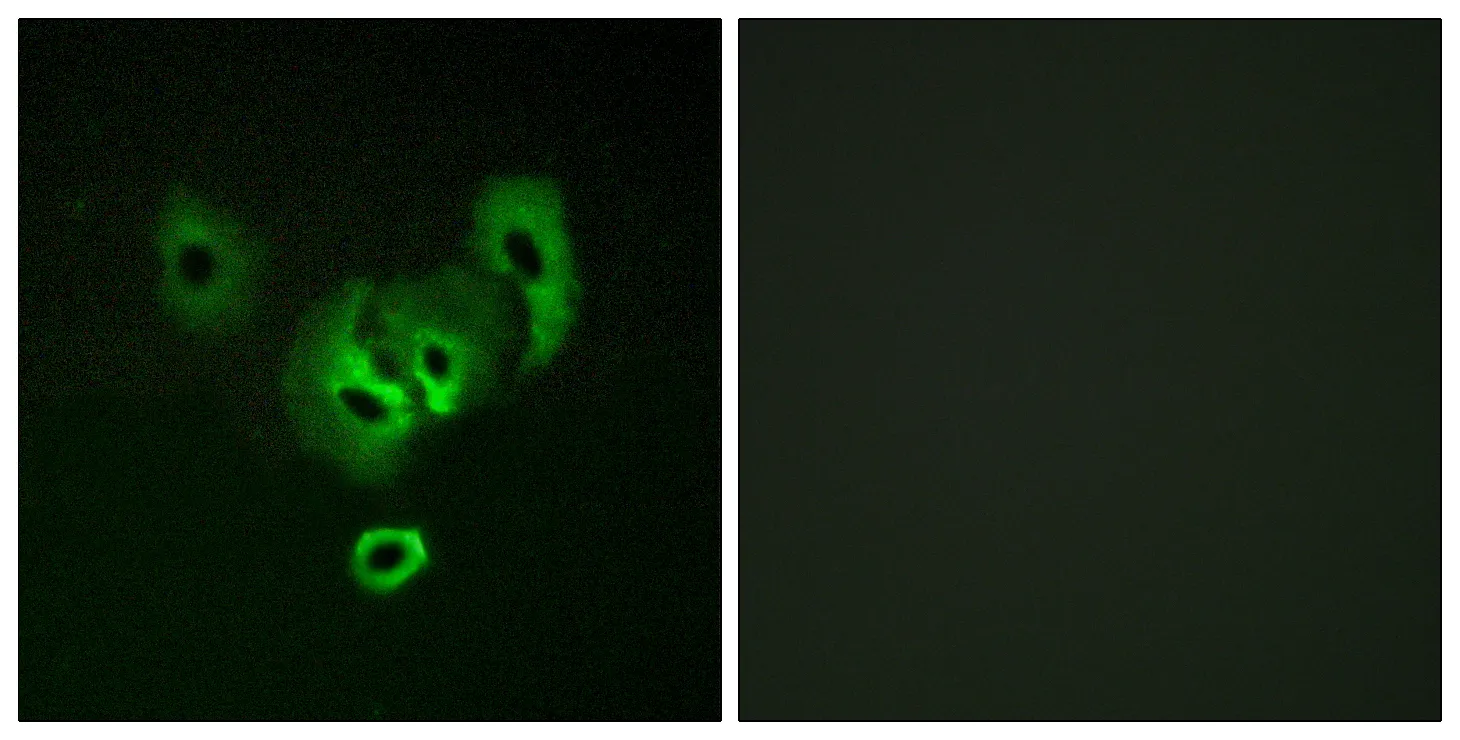


GPR105 Rabbit Polyclonal Antibody($99/20μL)

GPR105 Rabbit Polyclonal Antibody($99/20μL)

Cat: APRab11622
Size:20μL Price:$99
Size:50μL Price:$118
Size:100μL Price:$220

Size:200μL Price:$380
Application:WB,IHC,ICC/IF,ELISA

Reactivity:Human,Mouse,Rat
Conjugate:Unconjugated
Optional conjugates: Biotin, FITC (free of charge).
See other 26 conjugates.

Gene Name:P2RY14 Category: Polyclonal Antibody Tags:

Summary

Production Name

GPR105 Rabbit Polyclonal Antibody

Description

Rabbit polyclonal Antibody

Host

Rabbit

Application

WB,IHC,ICC/IF,ELISA

Reactivity

Human,Mouse,Rat


Performance

Conjugation

Unconjugated

Modification

Unmodified

Isotype

IgG

Clonality

Polyclonal

Form

Liquid

Storage

Store at 4°C short term. Aliquot and store at -20°C long term. Avoid freeze/thaw cycles.

Buffer

Liquid in PBS containing 50% glycerol, 0.5% protective protein and 0.02% New type preservative N.

Purification

Affinity purification


Immunogen

Gene Name

P2RY14

Alternative Names

P2RY14; GPR105; KIAA0001; P2Y purinoceptor 14; P2Y14; G-protein coupled receptor 105; UDP-glucose receptor

Gene ID

9934

SwissProt ID

Q15391


Application

Dilution Ratio

WB 1:500-1:2000,IHC 1:100-1:300,ICC/IF 1:200-1:1000,ELISA 1:5000-1:20000

Molecular Weight

39kDa


Background

The product of this gene belongs to the family of G-protein coupled receptors, which contains several receptor subtypes with different pharmacological selectivity for various adenosine and uridine nucleotides. This receptor is a P2Y purinergic receptor for UDP-glucose and other UDP-sugars coupled to G-proteins. It has been implicated in extending the known immune system functions of P2Y receptors by participating in the regulation of the stem cell compartment, and it may also play a role in neuroimmune function. Two transcript variants encoding the same protein have been identified for this gene. [provided by RefSeq, Jul 2008],function:Receptor for UDP-glucose and other UDP-sugar coupled to G-proteins. Not activated by ATP, ADP, UTP or ATP.,similarity:Belongs to the G-protein coupled receptor 1 family.,tissue specificity:Highest expression in the placenta, adipose tissue, stomach and intestine, intermediate levels in the brain, spleen, lung and heart, lowest levels in the kidney.,


Research Area

Neuroactive ligand-receptor interaction;
   💬 WhatsApp