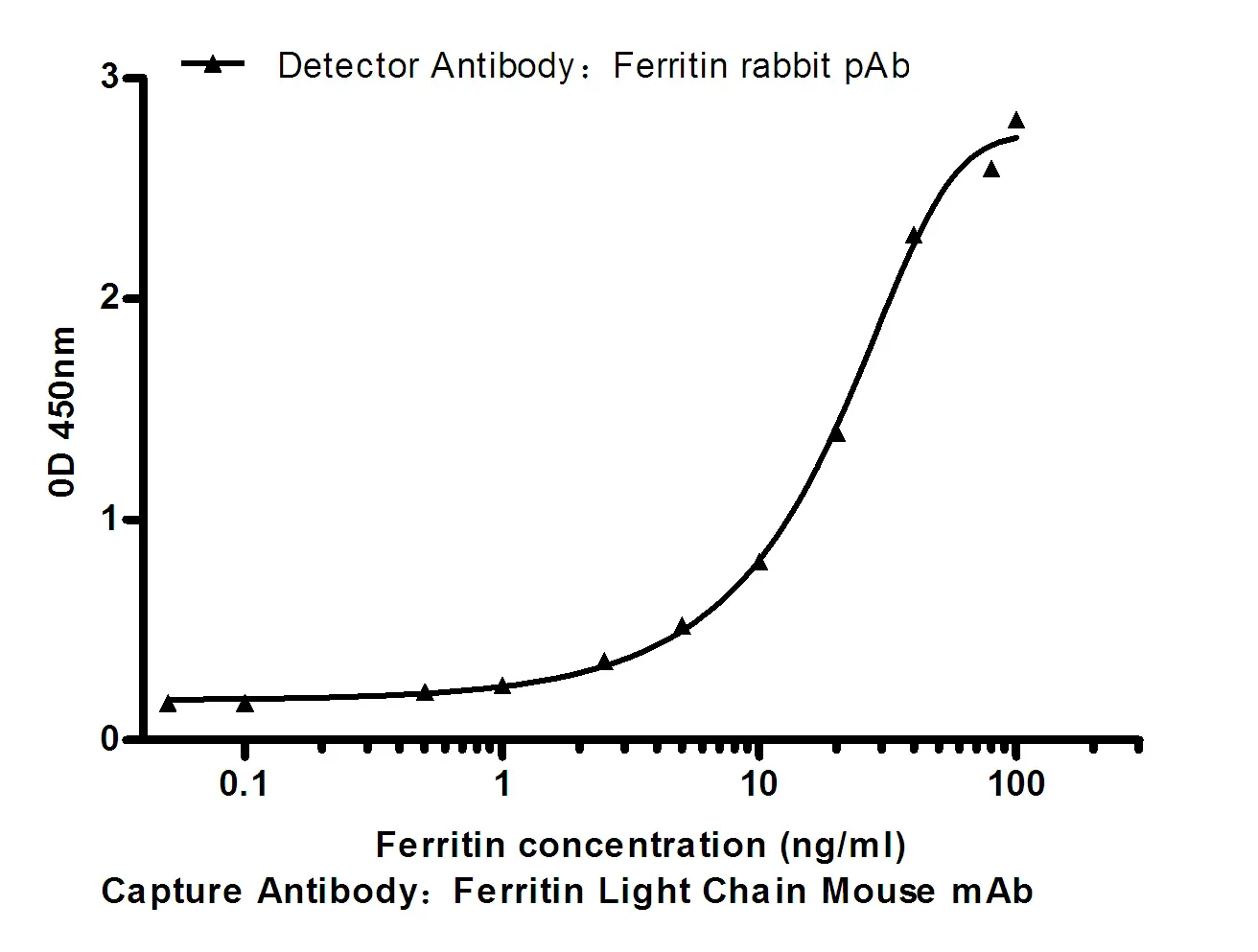
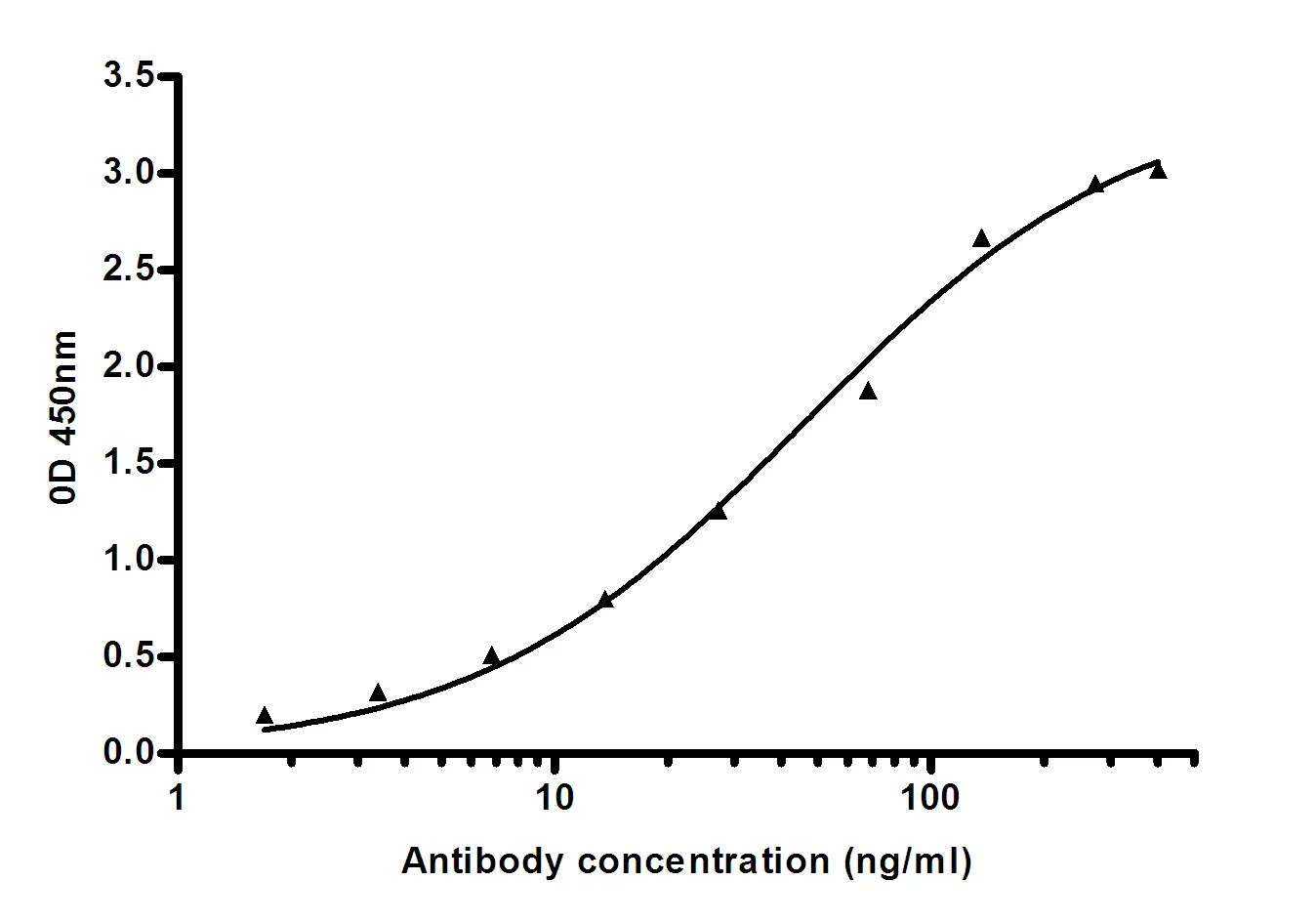
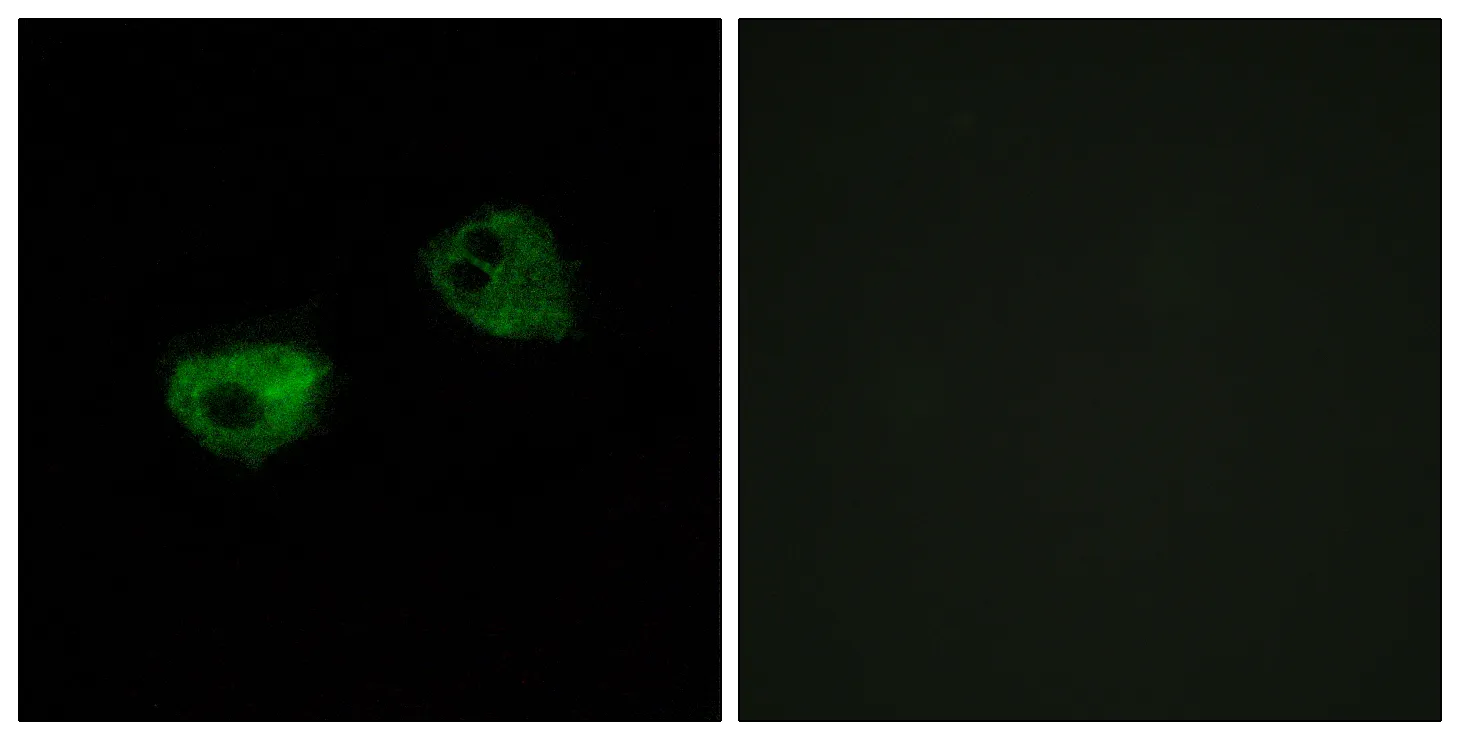
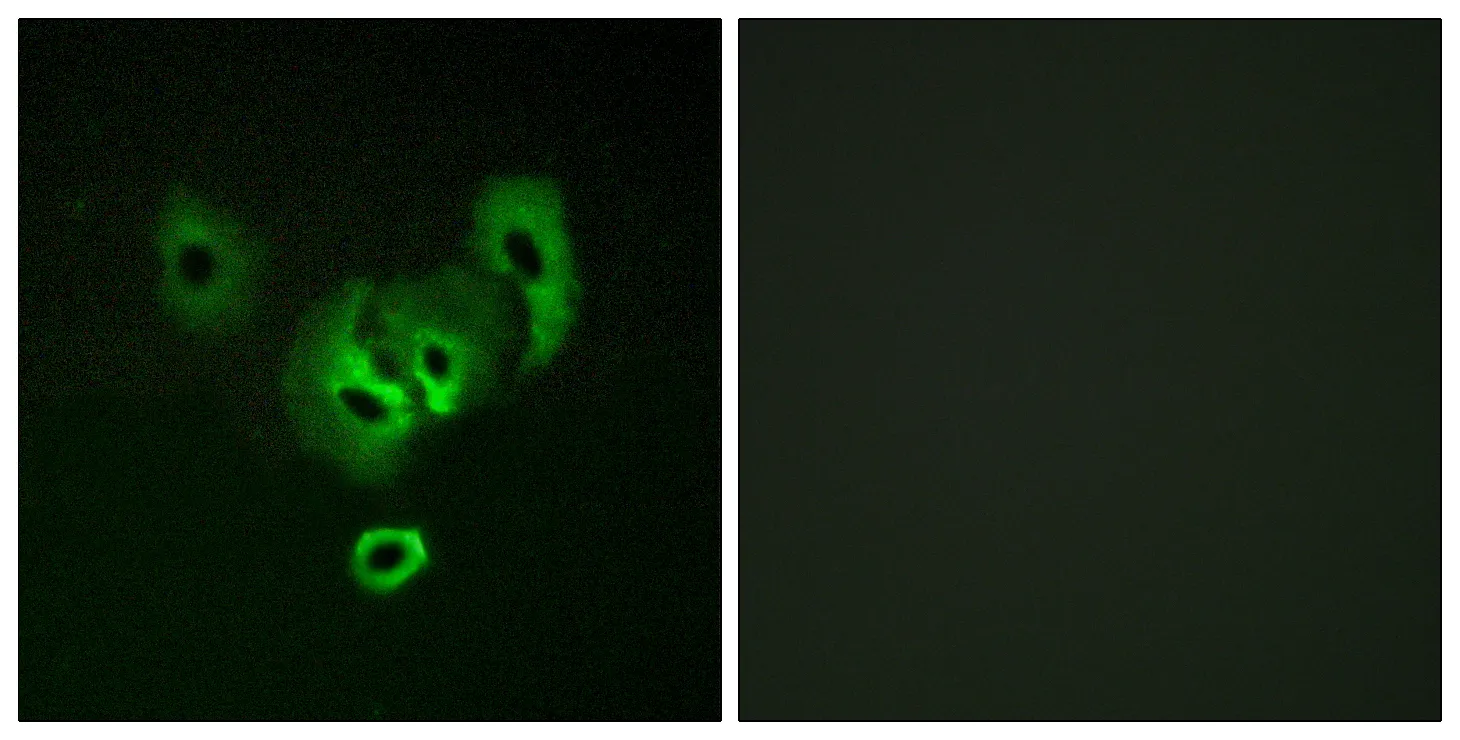
Summary
Performance
Immunogen
Application
Background
Cell surface heparan sulfate proteoglycans are composed of a membrane-associated protein core substituted with a variable number of heparan sulfate chains. Members of the glypican-related integral membrane proteoglycan family (GRIPS) contain a core protein anchored to the cytoplasmic membrane via a glycosyl phosphatidylinositol linkage. These proteins may play a role in the control of cell division and growth regulation. The protein encoded by this gene can bind to and inhibit the dipeptidyl peptidase activity of CD26, and it can induce apoptosis in certain cell types. Deletion mutations in this gene are associated with Simpson-Golabi-Behmel syndrome, also known as Simpson dysmorphia syndrome. Alternative splicing results in multiple transcript variants. [provided by RefSeq, Sep 2009],disease:Defects in GPC3 are the cause of Simpson-Golabi-Behmel syndrome (SGBS) [MIM:312870]; also known as Simpson dysmorphia syndrome (SDYS). SGBS is a condition characterized by pre- and postnatal overgrowth (gigantism) with visceral and skeletal anomalies.,function:Cell surface proteoglycan that bears heparan sulfate.,function:Cell surface proteoglycan that bears heparan sulfate. May be involved in the suppression/modulation of growth in the predominantly mesodermal tissues and organs. May play a role in the modulation of IGF2 interactions with its receptor and thereby modulate its function. May regulate growth and tumor predisposition.,similarity:Belongs to the glypican family.,tissue specificity:Highly expressed in lung, liver and kidney.,
Research Area