



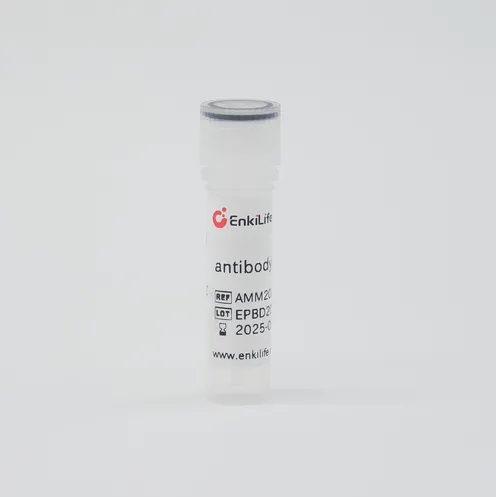
InVivoMAb Anti-HeV/NiV Glycoprotein G Antibody

InVivoMAb Anti-HeV/NiV Glycoprotein G Antibody

Cat. No.: AMRe60099
Size:100μg Price:$555
Application:ELISA, Neutralization

Reactivity:Hendra virus (isolate Horse/Autralia/Hendra/1994), Nipah virus
Conjugate:Unconjugated
Gene Name:Glycoprotein G
Category: Nipah virus Antibodies Tags: , , , , ,

Summary

Production Name

InVivoMAb Anti-HeV/NiV Glycoprotein G Antibody

Description

Recombinant human monoclonal antibody

Host

Human

Application

ELISA, Neutralization

Reactivity

Hendra virus (isolate Horse/Autralia/Hendra/1994), Nipah virus


Performance

Conjugation

Unconjugated

Modification

Unmodified

Isotype

IgG1, kappa

Clonality

Monoclonal

Form

Liquid

Storage

Store at 4°C short term. Aliquot and store at -20°C long term. Avoid freeze/thaw cycles.

Buffer

0.01M PBS, pH 7.4.

Purification

Protein A/G purified from cell culture supernatant.


Immunogen

Gene Name

Glycoprotein G

Alternative Names

Glycoprotein G, G

Gene ID

SwissProt ID

O89343, Q9IH62


Application

Dilution Ratio

ELISA 1:5000-1:20000

Molecular Weight


Background

Nipah virus (NiV), a highly pathogenic zoonotic paramyxovirus, mediates host cell entry through the coordinated action of two envelope glycoproteins: the attachment glycoprotein (G), which engages the host cell receptors ephrin-B2 and ephrin-B3, and the fusion glycoprotein (F), which drives membrane fusion following receptor binding. These viral surface proteins, along with the viral RNA-dependent RNA polymerase (RdRp) complex comprising the nucleoprotein (N), phosphoprotein (P), and large polymerase protein (L), constitute the primary molecular targets for therapeutic intervention and vaccine development. The conserved receptor-binding interface of the G protein and the fusion machinery of the F protein represent particularly attractive targets for neutralizing antibodies and entry inhibitors, while the viral replication machinery offers potential targets for broad-spectrum antiviral compounds targeting paramyxovirus transcription and replication.


Research Area

Microbiology&Infectious Disease
   💬 WhatsApp