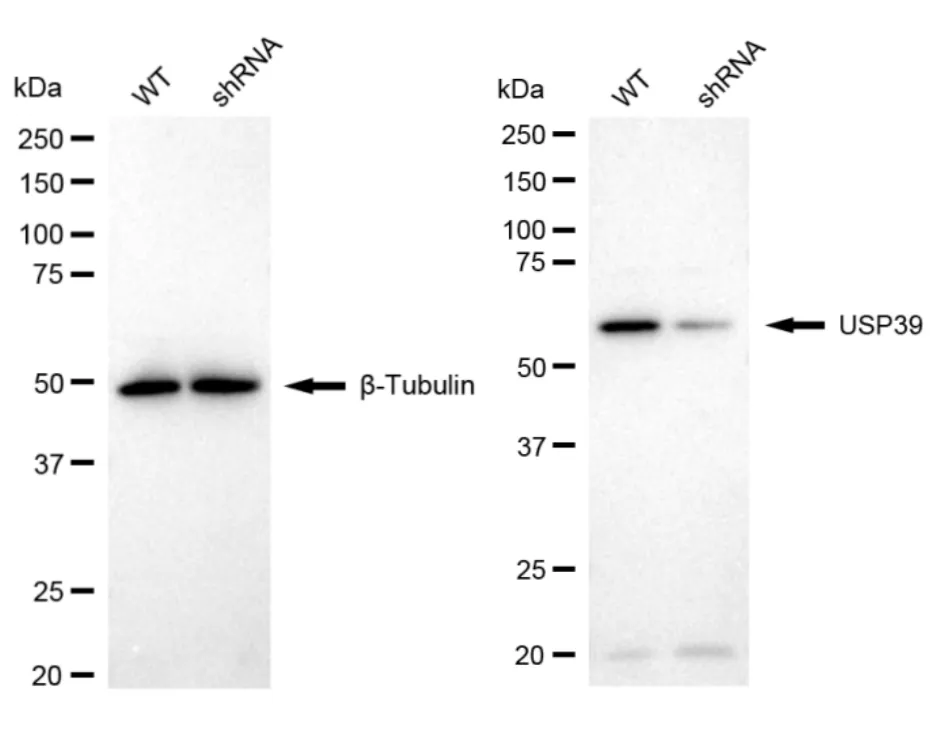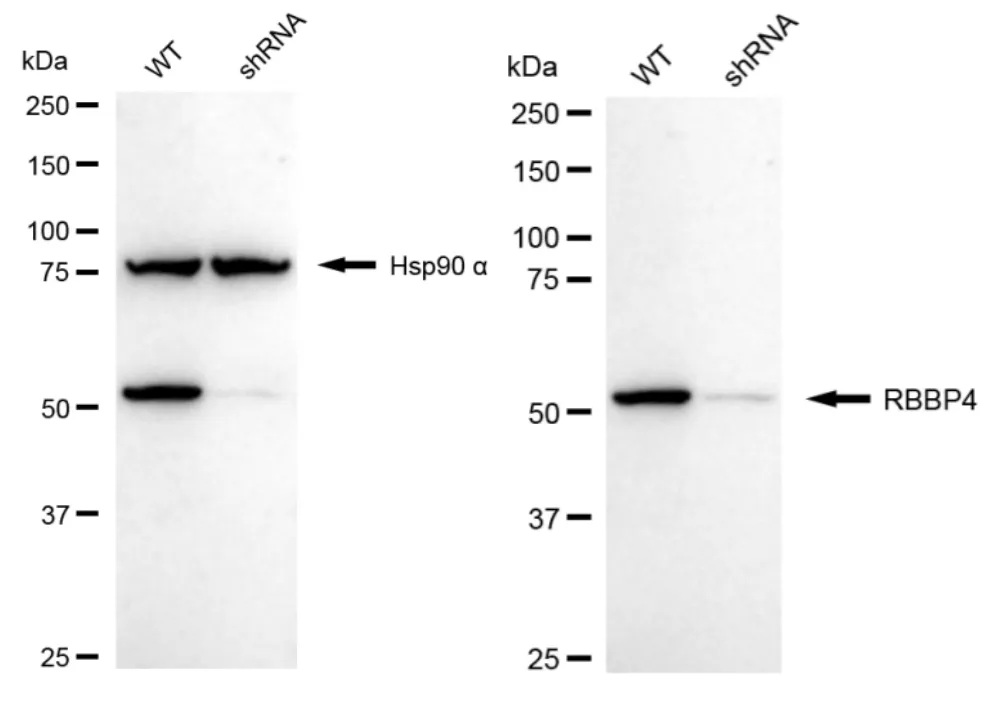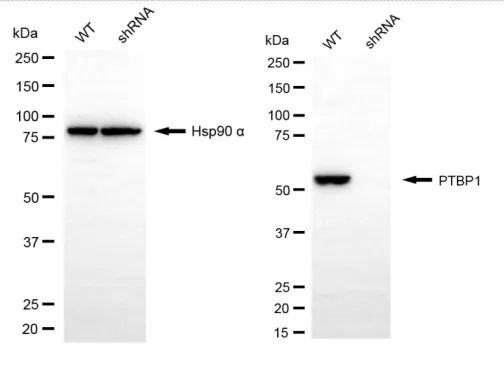



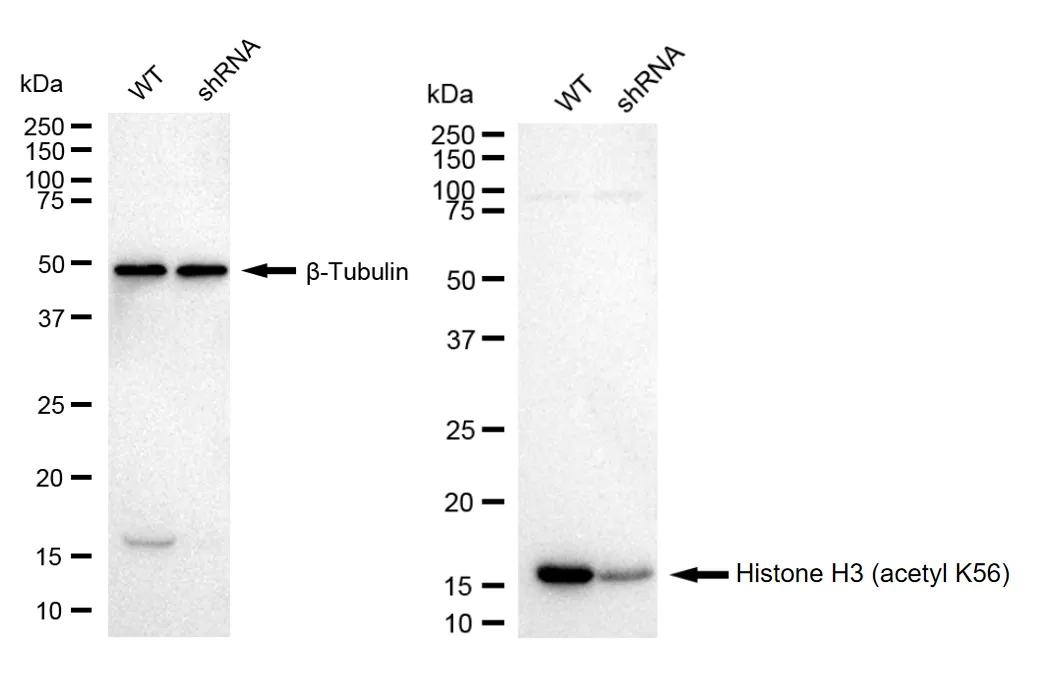
KD-Validated CSE1L Rabbit Polyclonal Antibody

KD-Validated CSE1L Rabbit Polyclonal Antibody

Cat: KVAb01139
Size:20μL Price:$118
Size:50μL Price:$218
Size:100μL Price:$318
Application:WB,IHC-P

Reactivity:Human,Mouse,Rat
Conjugate:Unconjugated
Gene Name:CSE1L
Category: KO&KD Validated Antibodies Tags: , , , , , , , , ,

Summary

Production Name

KD-Validated CSE1L Rabbit Polyclonal Antibody

Description

KD-Validated antibody

Host

Rabbit

Application

WB,IHC-P

Reactivity

Human,Mouse,Rat


Performance

Conjugation

Unconjugated

Modification

Unmodified

Isotype

Rabbit IgG

Clonality

Rabbit pAb

Form

Liquid

Storage

Store at 4°C short term. Aliquot and store at -20°C long term. Avoid freeze/thaw cycles.

Buffer

Supplied in PBS (pH 7.4) containing 50% glycerol, and 0.02% sodium azide.

Purification

Affinity purification


Immunogen

Gene Name

CSE1L

Alternative Names

CSE1L; Chromosome Segregation 1 Like; XPO2; CAS; CSE1; Cellular Apoptosis Susceptibility Protein; Chromosome Segregation 1-Like Protein; Importin-Alpha Re-Exporter; Exportin-2; Exp2; Chromosome Segregation 1 (Yeast Homolog)-Like; CSE1 Chromosome Segregation 1-Like (Yeast); Epididymis Secretory Sperm Binding Protein; CSE1 Chromosome Segregation 1 Like; CSE1 Chromosome Segregation 1-Like; Cellular Apoptosis Susceptibility

Gene ID

1434

SwissProt ID

P55060


Application

Dilution Ratio

WB 1:400-1:2,000; IHC-P 1:100-1:200

Molecular Weight

Calculated MW: 110.4kDa


Background

Proteins that carry a nuclear localization signal (NLS) are transported into the nucleus by the importin-alpha/beta heterodimer. Importin-alpha binds the NLS, while importin-beta mediates translocation through the nuclear pore complex. After translocation, RanGTP binds importin-beta and displaces importin-alpha. Importin-alpha must then be returned to the cytoplasm, leaving the NLS protein behind. The protein encoded by this gene binds strongly to NLS-free importin-alpha, and this binding is released in the cytoplasm by the combined action of RANBP1 and RANGAP1. In addition, the encoded protein may play a role both in apoptosis and in cell proliferation. Alternatively spliced transcript variants have been found for this gene. [provided by RefSeq, Jan 2012]


Research Area

Cell Biology,Signal Transduction,Cancer
   💬 WhatsApp