
KD-Validated Coenzyme A Synthase Recombinant Rabbit Monoclonal Antibody
Size:20μL Price:$118
Size:50μL Price:$218
Size:100μL Price:$318
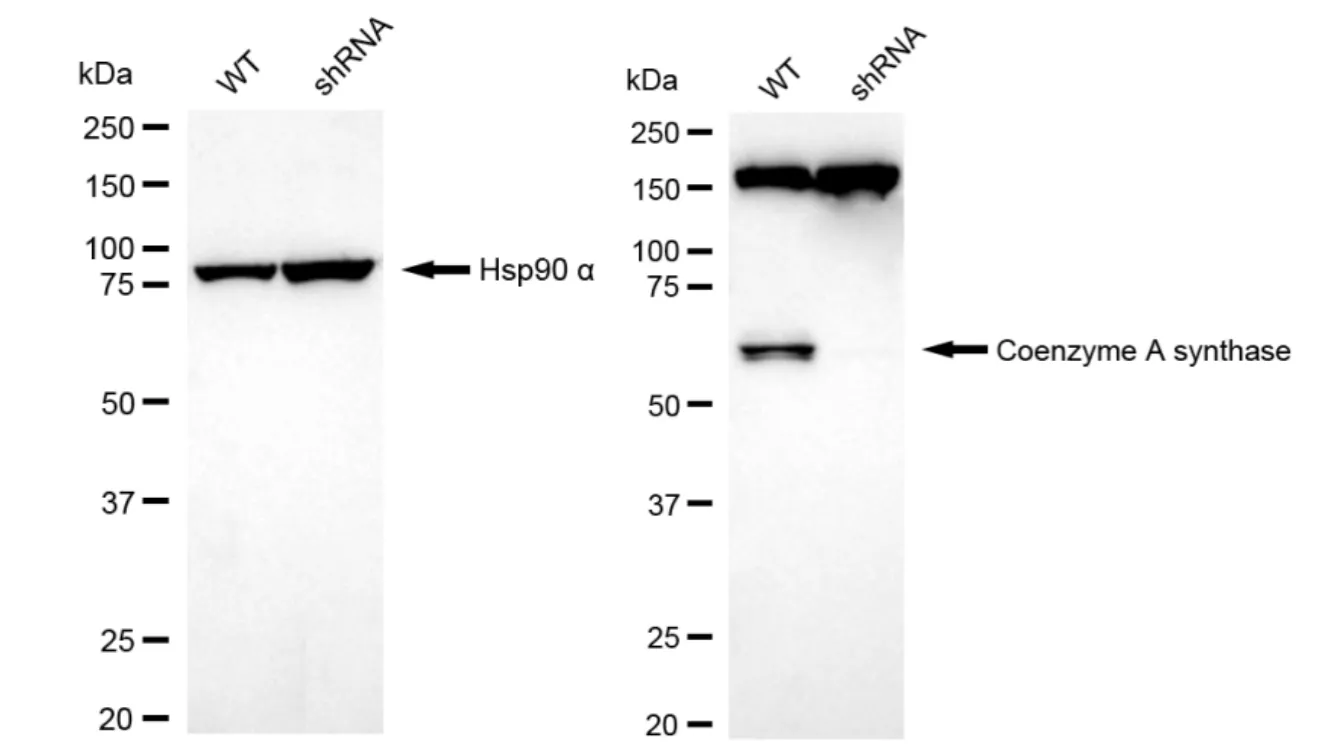
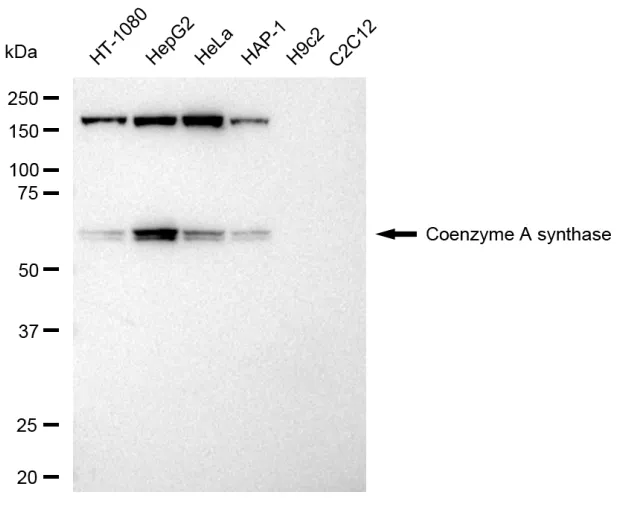
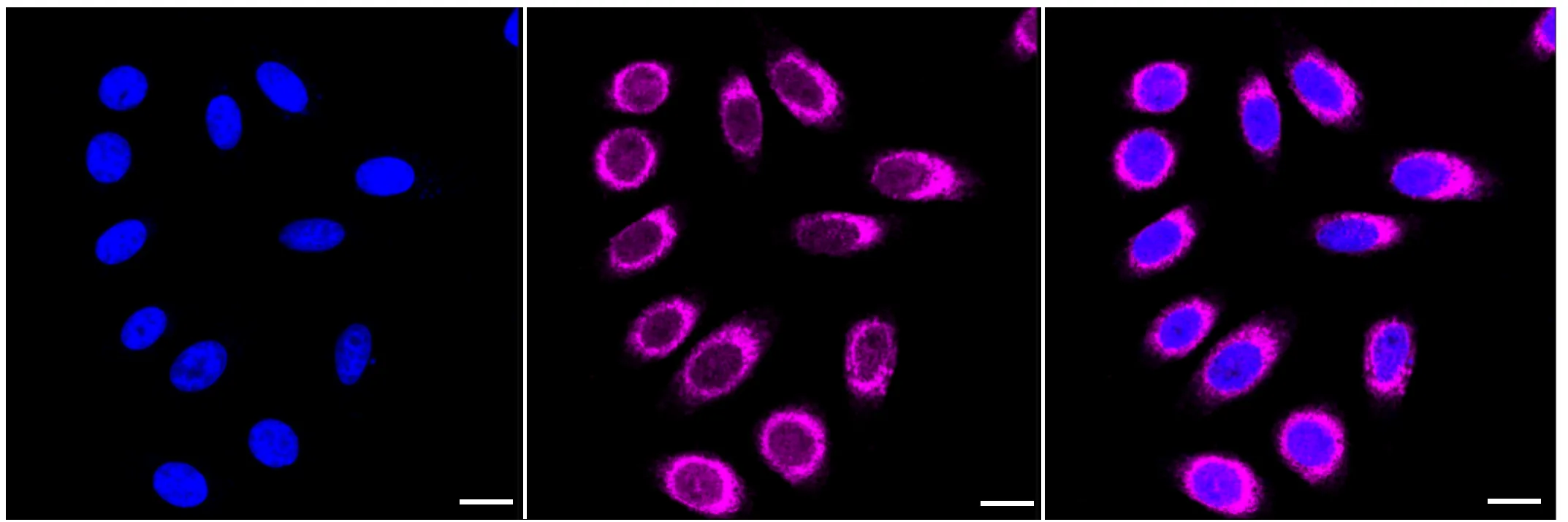
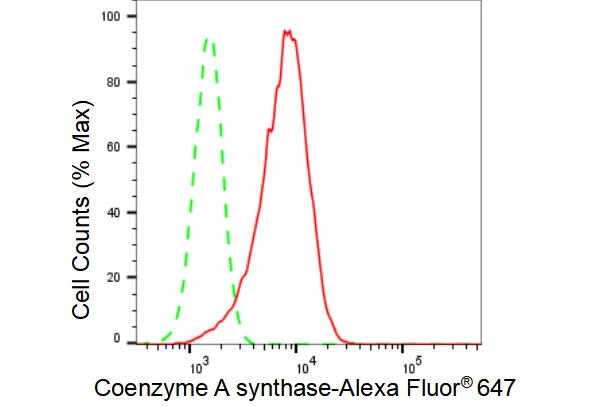
Application:WB,FCM,ICC

Reactivity:Human
Conjugate:Unconjugated
Gene Name:COASY
SKU: KVAb01644
Detail

Summary

Production Name

KD-Validated Coenzyme A Synthase Recombinant Rabbit Monoclonal Antibody

Description

KD-Validated antibody

Host

Rabbit

Application

WB,FCM,ICC

Reactivity

Human


Performance

Conjugation

Unconjugated

Modification

Unmodified

Isotype

Rabbit IgG

Clonality

Rabbit mAb

Form

Liquid

Storage

Store at 4°C short term. Aliquot and store at -20°C long term. Avoid freeze/thaw cycles.

Buffer

Supplied in PBS (pH 7.4) containing 50% glycerol, and 0.02% sodium azide.

Purification

Affinity purification


Immunogen

Gene Name

COASY

Alternative Names

COASY; Coenzyme A Synthase; NBP; Bifunctional Coenzyme A Synthase; CoA Synthase; DPCK; PPAT; POV-2; Bifunctional Phosphopantetheine Adenylyl Transferase/Dephospho CoA Kinase; Phosphopantetheine Adenylyltransferase / Dephosphocoenzyme A Kinase; Nucleotide Binding Protein; NBIA6; PCH12; UKR1

Gene ID

80347

SwissProt ID

Q13057


Application

Dilution Ratio

WB 1:1,000-1:5,000; FC 1:200-1:2,000; ICC 1:100-1:1,000

Molecular Weight

Calculated MW: 62.3kDa


Background

Coenzyme A (CoA) functions as a carrier of acetyl and acyl groups in cells and thus plays an important role in numerous synthetic and degradative metabolic pathways in all organisms. In eukaryotes, CoA and its derivatives are also involved in membrane trafficking and signal transduction. This gene encodes the bifunctional protein coenzyme A synthase (CoAsy) which carries out the last two steps in the biosynthesis of CoA from pantothenic acid (vitamin B5). The phosphopantetheine adenylyltransferase domain of this bifunctional protein catalyzes the conversion of 4'-phosphopantetheine into dephospho-coenzyme A (dpCoA) while its dephospho-CoA kinase domain completes the final step by phosphorylating dpCoA to form CoA. Mutations in this gene are associated with neurodegeneration with brain iron accumulation (NBIA). Alternative splicing results in multiple isoforms. [provided by RefSeq, Apr 2014]


Research Area

Signal Transduction,Metabolism

   💬 WhatsApp