

KO-Validated 14-3-3 Alpha/Beta Recombinant Rabbit Monoclonal Antibody

KO-Validated 14-3-3 Alpha/Beta Recombinant Rabbit Monoclonal Antibody

Cat: KVAb00140
Size:20μL Price:$118
Size:50μL Price:$218
Size:100μL Price:$318
Application:WB,FCM,ICC

Reactivity:Human,Mouse,Rat
Conjugate:Unconjugated
Gene Name:YWHAB
Category: KO&KD Validated Antibodies Tags: , , , , , , , , , ,

Summary

Production Name

KO-Validated 14-3-3 Alpha/Beta Recombinant Rabbit Monoclonal Antibody

Description

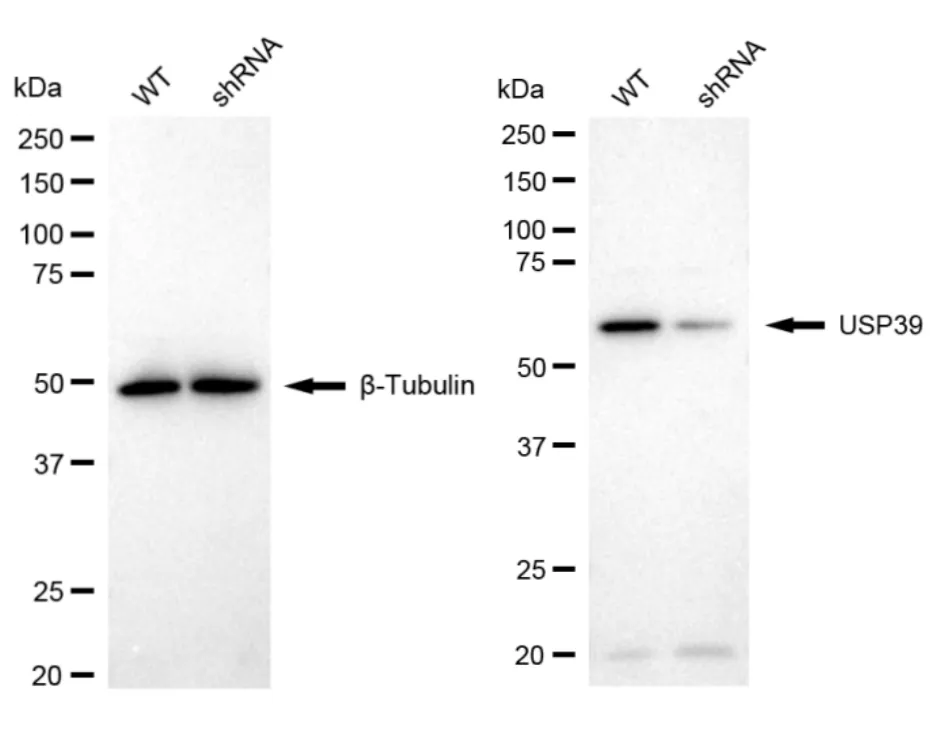
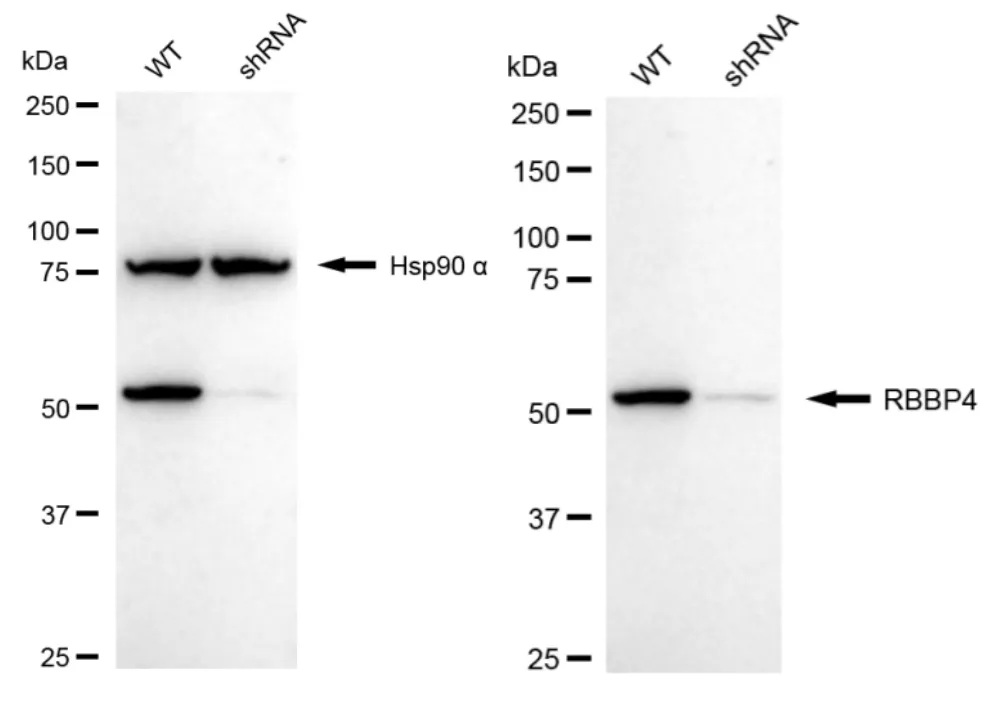
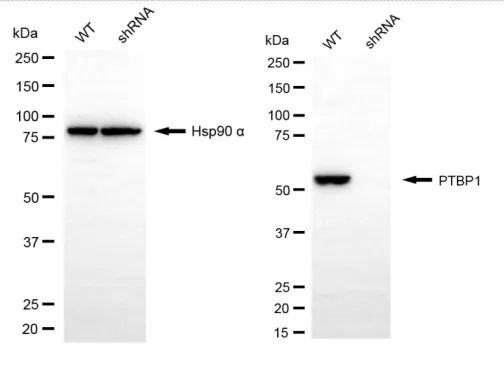
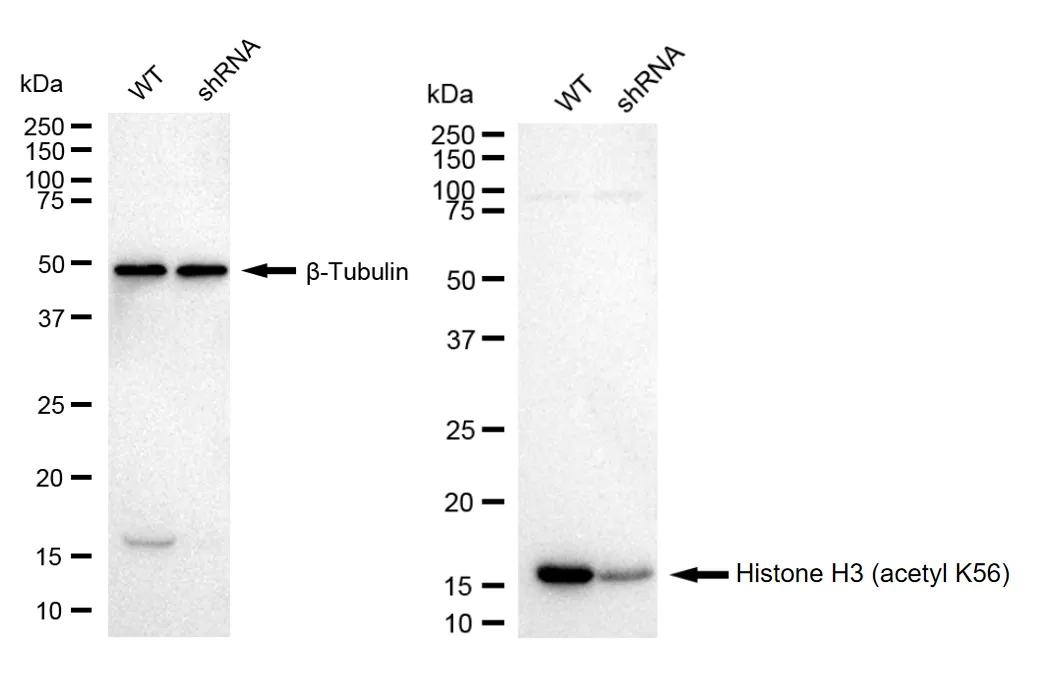
KD-Validated antibody

Host

Rabbit

Application

WB,FCM,ICC

Reactivity

Human,Mouse,Rat


Performance

Conjugation

Unconjugated

Modification

Unmodified

Isotype

Rabbit IgG

Clonality

Rabbit mAb

Form

Liquid

Storage

Store at 4°C short term. Aliquot and store at -20°C long term. Avoid freeze/thaw cycles.

Buffer

Supplied in PBS (pH 7.4) containing 50% glycerol, and 0.02% sodium azide.

Purification

Affinity purification


Immunogen

Gene Name

YWHAB

Alternative Names

YWHAB; Tyrosine 3-Monooxygenase/Tryptophan 5-Monooxygenase Activation Protein Beta; Tyrosine 3-Monooxygenase/Tryptophan 5-Monooxygenase Activation Protein, Alpha Polypeptide; Tyrosine 3-Monooxygenase/Tryptophan 5-Monooxygenase Activation Protein, Beta Polypeptide; 14-3-3 Protein Beta/Alpha; 14-3-3 Alpha; Protein 1054; KCIP-1; YWHAA; Protein Kinase C Inhibitor Protein-1; Protein Kinase C Inhibitor Protein 1; Epididymis Secretory Protein Li 1; 14-3-3 Beta; HEL-S-1; GW128; HS1

Gene ID

7529

SwissProt ID

P31946


Application

Dilution Ratio

WB 1:1,000-1:5,000; FC 1:200-1:2,000; ICC 1:100-1:1,000

Molecular Weight

Calculated MW: 28.1kDa


Background

This gene encodes a protein belonging to the 14-3-3 family of proteins, members of which mediate signal transduction by binding to phosphoserine-containing proteins. This highly conserved protein family is found in both plants and mammals. The encoded protein has been shown to interact with RAF1 and CDC25 phosphatases, suggesting that it may play a role in linking mitogenic signaling and the cell cycle machinery. Two transcript variants, which encode the same protein, have been identified for this gene. [provided by RefSeq, Jul 2008]


Research Area

Neuroscience,Signal Transduction,Stem Cells
   💬 WhatsApp