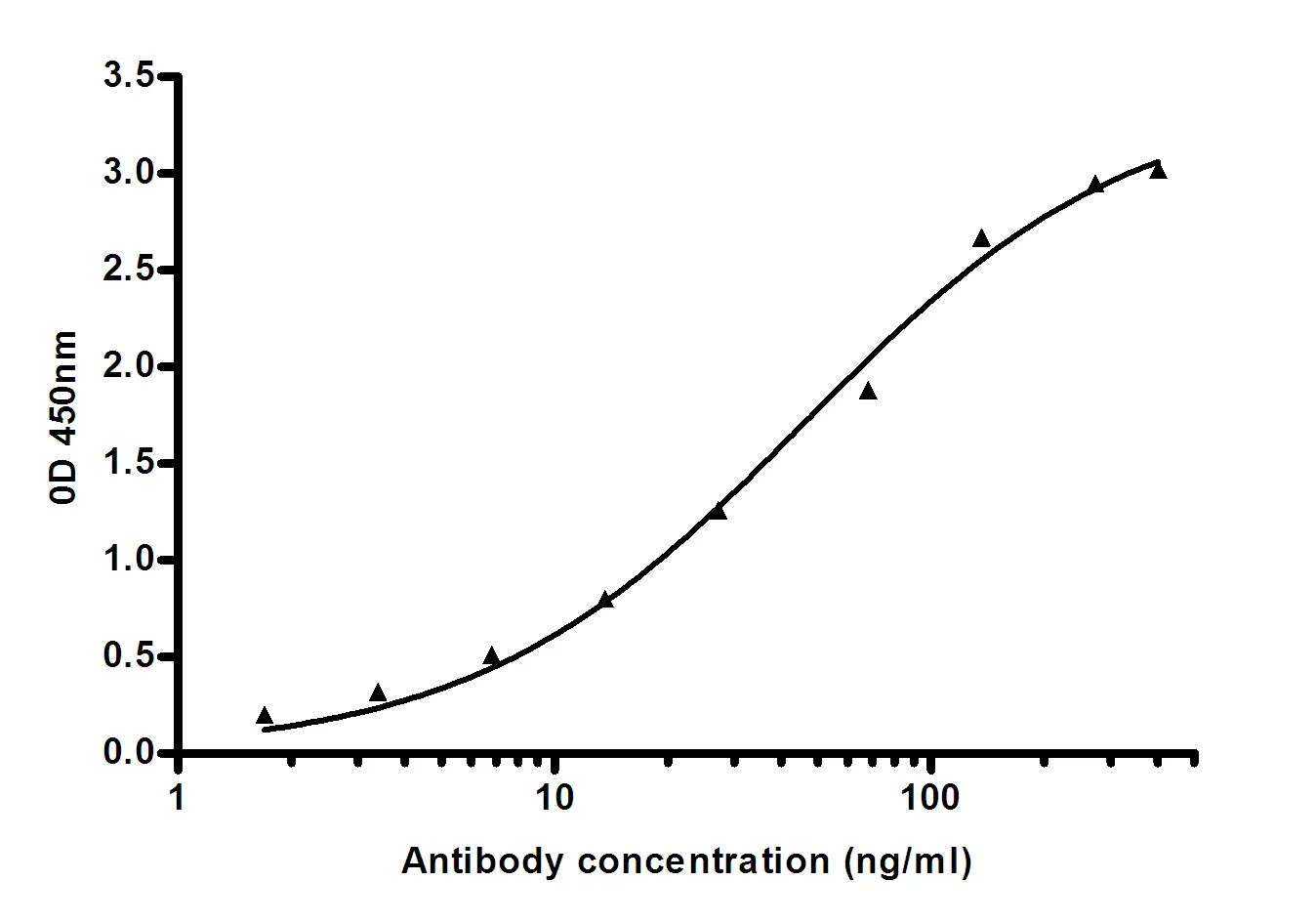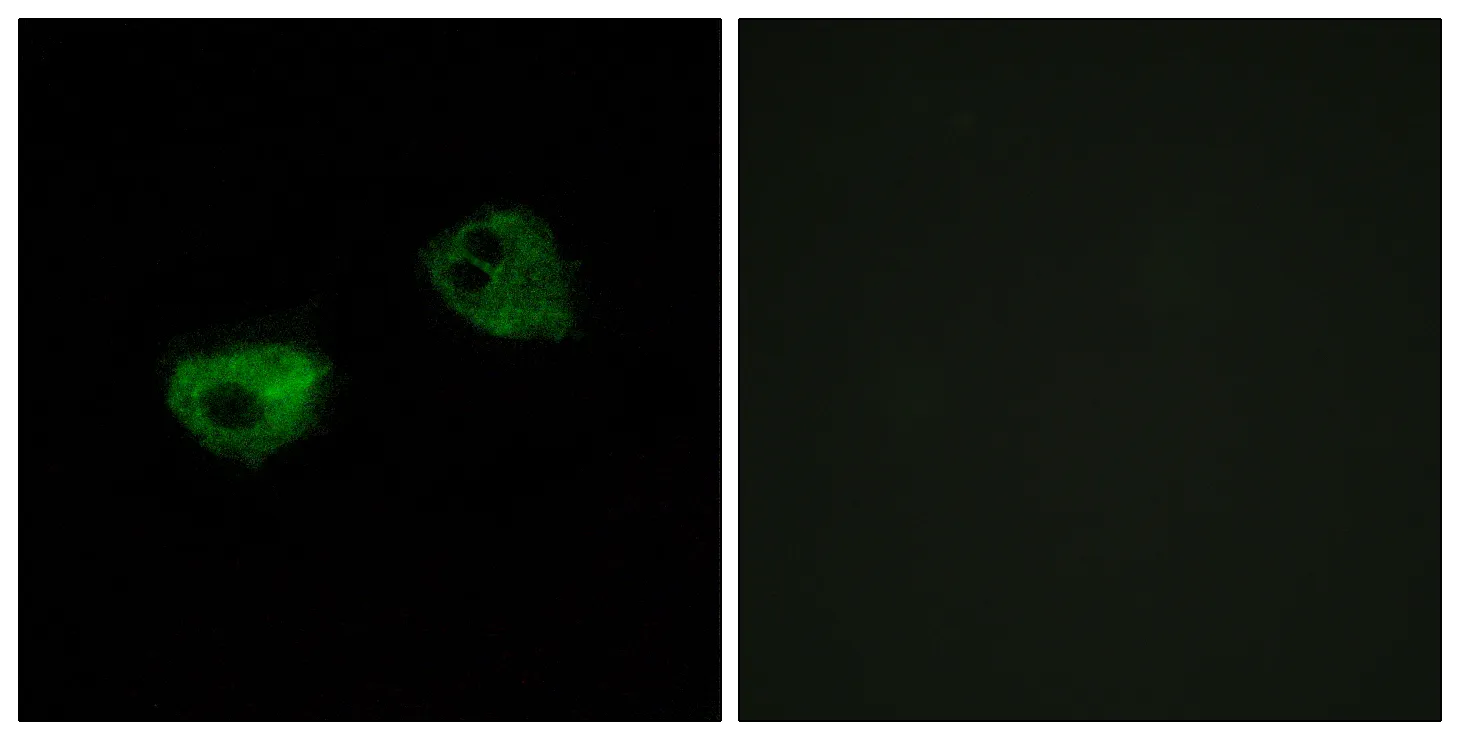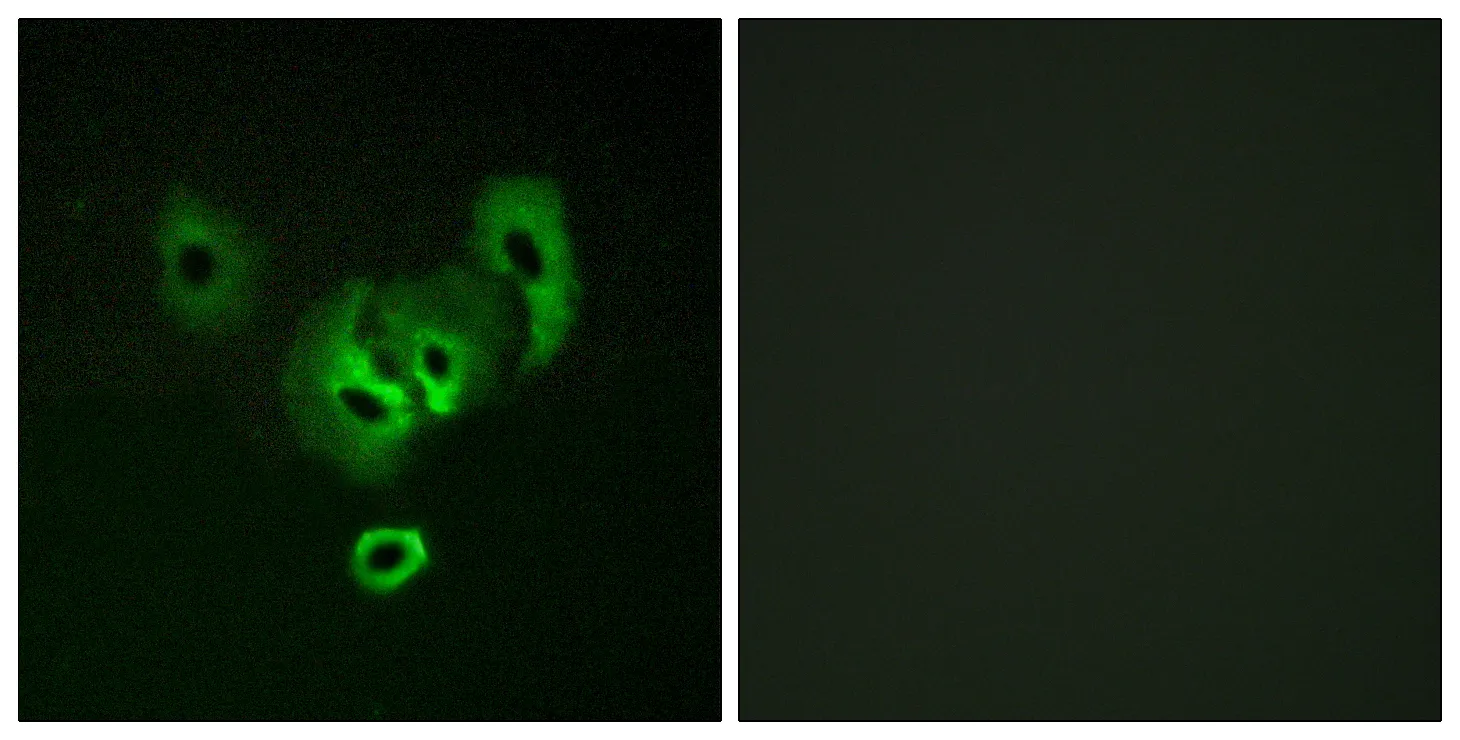



Lymphotactin Rabbit Polyclonal Antibody($99/20μL)

Lymphotactin Rabbit Polyclonal Antibody($99/20μL)

Cat: APRab13508
Size:20μL Price:$99
Size:50μL Price:$118
Size:100μL Price:$220

Size:200μL Price:$380
Application:WB,IHC,ICC/IF,ELISA

Reactivity:Human,Rat,Mouse
Conjugate:Unconjugated
Optional conjugates: Biotin, FITC (free of charge).
See other 26 conjugates.

Gene Name:XCL1/XCL2 Category: Polyclonal Antibody Tags: ,

Summary

Production Name

Lymphotactin Rabbit Polyclonal Antibody

Description

Rabbit polyclonal Antibody

Host

Rabbit

Application

WB,IHC,ICC/IF,ELISA

Reactivity

Human,Rat,Mouse


Performance

Conjugation

Unconjugated

Modification

Unmodified

Isotype

IgG

Clonality

Polyclonal

Form

Liquid

Storage

Store at 4°C short term. Aliquot and store at -20°C long term. Avoid freeze/thaw cycles.

Buffer

Liquid in PBS containing 50% glycerol, 0.5% protective protein and 0.02% New type preservative N.

Purification

Affinity purification


Immunogen

Gene Name

XCL1/XCL2

Alternative Names

XCL1; LTN; SCYC1; Lymphotactin; ATAC; C motif chemokine 1; Cytokine SCM-1; Lymphotaxin; SCM-1-alpha; Small-inducible cytokine C1; XC chemokine ligand 1; XCL2; SCYC2; Cytokine SCM-1 beta; C motif chemokine 2; XC chemokine ligand 2

Gene ID

6375

SwissProt ID

P47992


Application

Dilution Ratio

WB 1:500-1:2000,IHC 1:100-1:300,ICC/IF 1:50-1:200,ELISA 1:10000-1:20000

Molecular Weight

25kDa


Background

This antimicrobial gene encodes a member of the chemokine superfamily. Chemokines function in inflammatory and immunological responses, inducing leukocyte migration and activation. The encoded protein is a member of the C-chemokine subfamily, retaining only two of four cysteines conserved in other chemokines, and is thought to be specifically chemotactic for T cells. This gene and a closely related family member are located on the long arm of chromosome 1. [provided by RefSeq, Sep 2014],function:Chemotactic activity for lymphocytes but not for monocytes or neutrophils.,online information:XCL1 entry,similarity:Belongs to the intercrine gamma family.,tissue specificity:Highest level in spleen, lower in peripheral leukocytes and very low levels in lung, colon and small intestine.,


Research Area

Cytokine-cytokine receptor interaction;Chemokine;
   💬 WhatsApp