


MIC2 Rabbit Polyclonal Antibody($99/20μL)

MIC2 Rabbit Polyclonal Antibody($99/20μL)

Cat: APRab13889
Size:20μL Price:$99
Size:50μL Price:$118
Size:100μL Price:$220

Size:200μL Price:$380
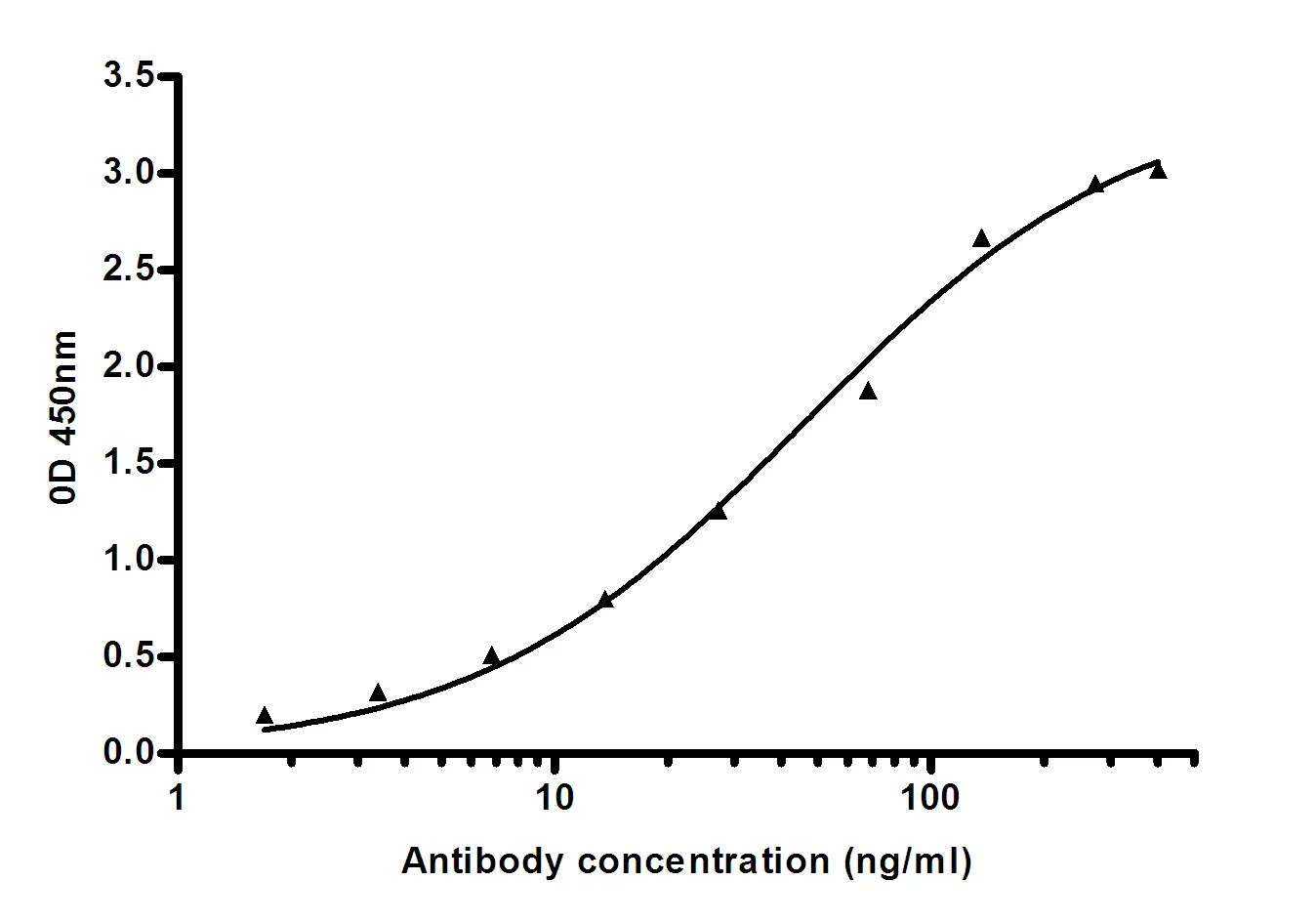
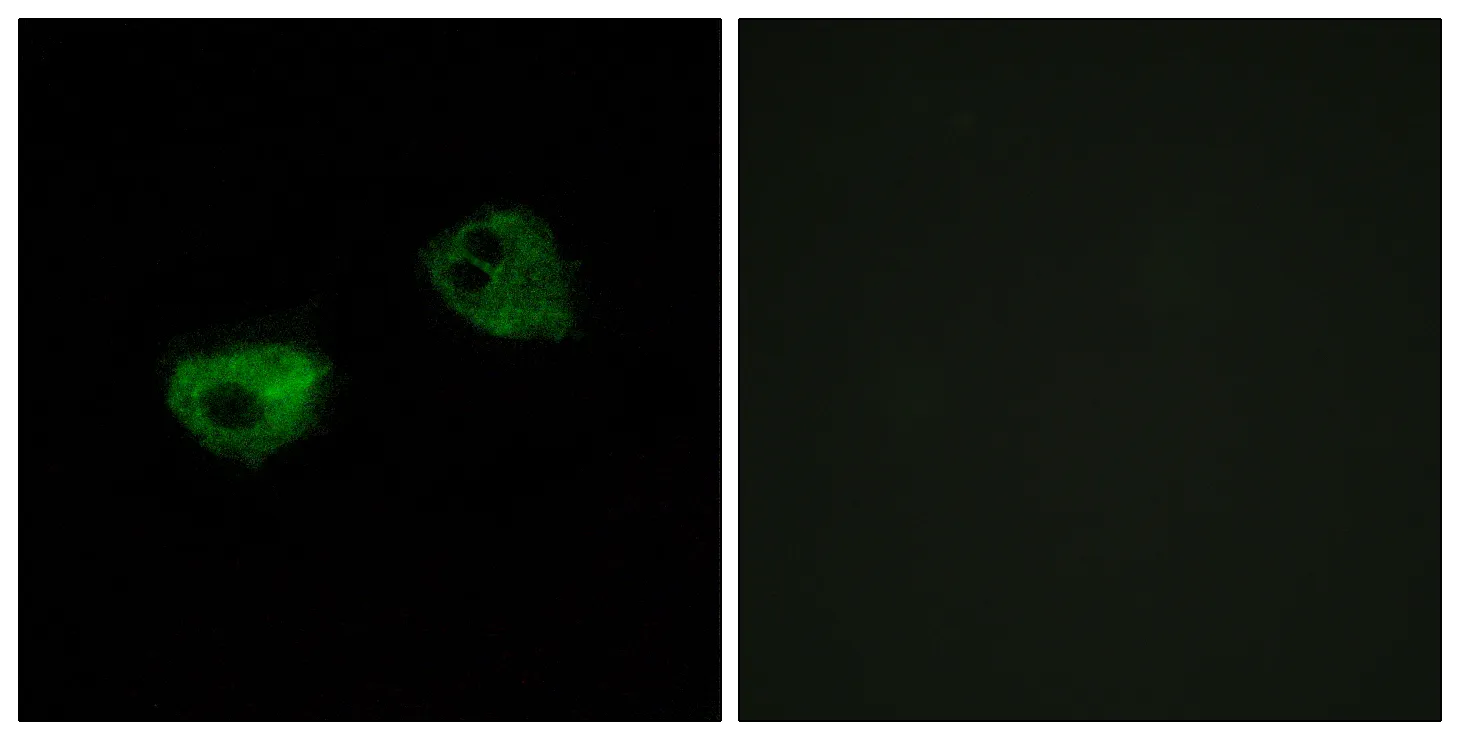
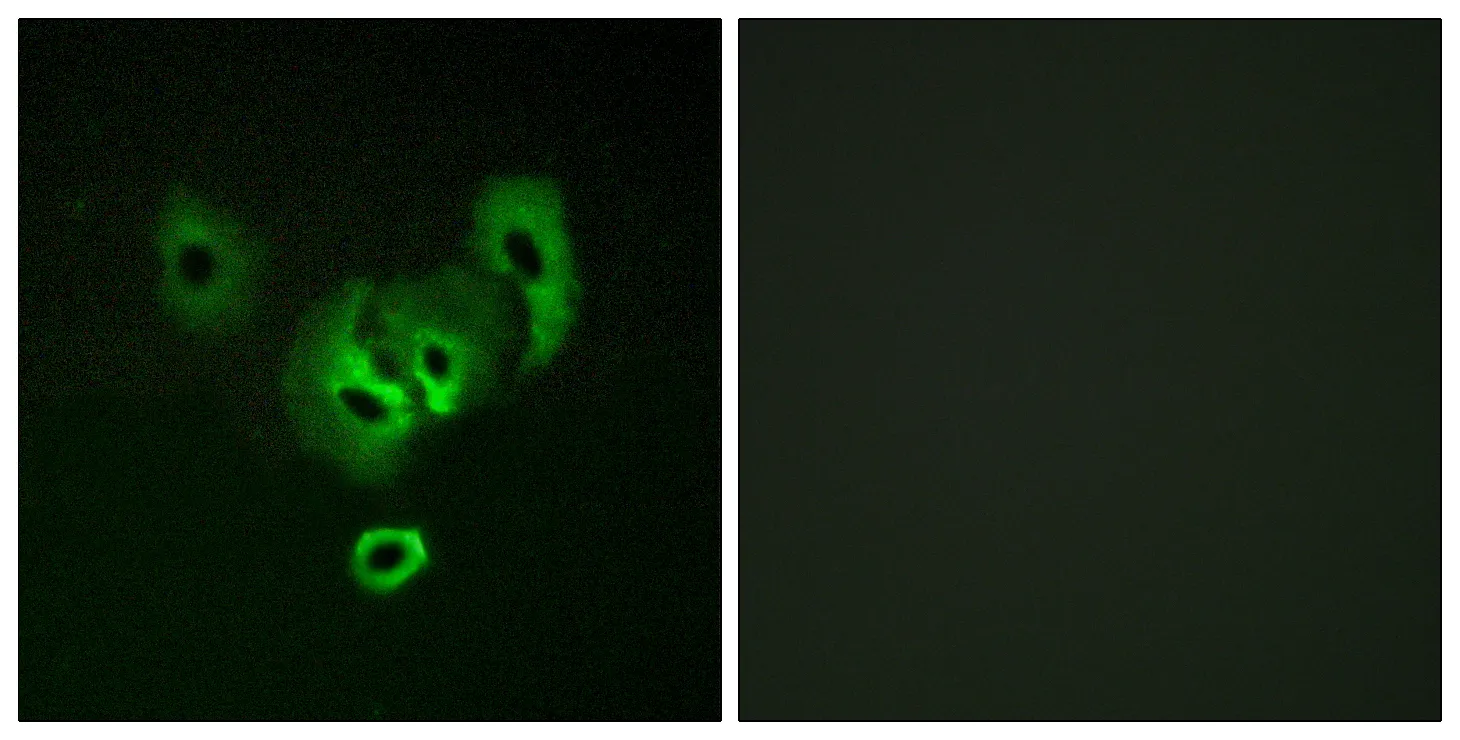
Application:ICC/IF,ELISA

Reactivity:Human,Rat,Mouse
Conjugate:Unconjugated
Optional conjugates: Biotin, FITC (free of charge).
See other 26 conjugates.

Gene Name:CD99 Category: Polyclonal Antibody Tags: ,

Summary

Production Name

MIC2 Rabbit Polyclonal Antibody

Description

Rabbit polyclonal Antibody

Host

Rabbit

Application

ICC/IF,ELISA

Reactivity

Human,Rat,Mouse


Performance

Conjugation

Unconjugated

Modification

Unmodified

Isotype

IgG

Clonality

Polyclonal

Form

Liquid

Storage

Store at 4°C short term. Aliquot and store at -20°C long term. Avoid freeze/thaw cycles.

Buffer

Liquid in PBS containing 50% glycerol, 0.5% protective protein and 0.02% New type preservative N.

Purification

Affinity purification


Immunogen

Gene Name

CD99

Alternative Names

CD99; MIC2; MIC2X; MIC2Y; CD99 antigen; 12E7; E2 antigen; Protein MIC2; T-cell surface glycoprotein E2; CD antigen CD99

Gene ID

4267

SwissProt ID

P14209


Application

Dilution Ratio

ICC/IF 1:200-1:1000,ELISA 1:5000-1:10000

Molecular Weight


Background

The protein encoded by this gene is a cell surface glycoprotein involved in leukocyte migration, T-cell adhesion, ganglioside GM1 and transmembrane protein transport, and T-cell death by a caspase-independent pathway. In addition, the encoded protein may have the ability to rearrange the actin cytoskeleton and may also act as an oncosuppressor in osteosarcoma. This gene is found in the pseudoautosomal region of chromosomes X and Y and escapes X-chromosome inactivation. There is a related pseudogene located immediately adjacent to this locus. [provided by RefSeq, Mar 2016],function:Involved in T-cell adhesion processes. It is involved in spontaneous rosette formation with erythrocytes.,miscellaneous:The gene encoding for this protein is located in the pseudoautosomal region 1 (PAR1) of X and Y chromosomes.,PTM:Extensively O-glycosylated.,similarity:Belongs to the CD99 family.,


Research Area

Cell adhesion molecules (CAMs);Leukocyte transendothelial migration;
   💬 WhatsApp