


MK Rabbit Polyclonal Antibody($99/20μL)

MK Rabbit Polyclonal Antibody($99/20μL)

Cat: APRab13923
Size:20μL Price:$99
Size:50μL Price:$118
Size:100μL Price:$220

Size:200μL Price:$380
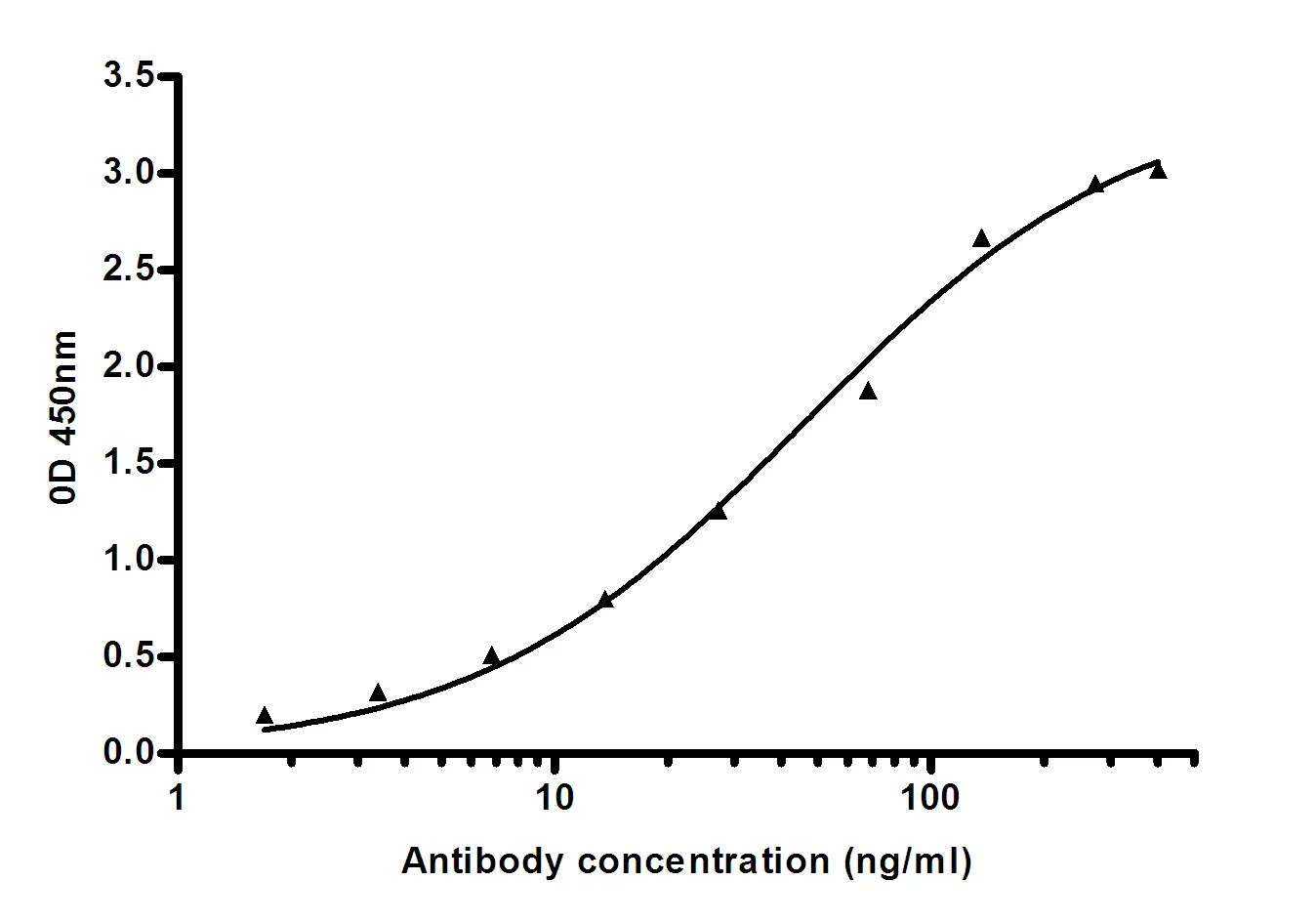
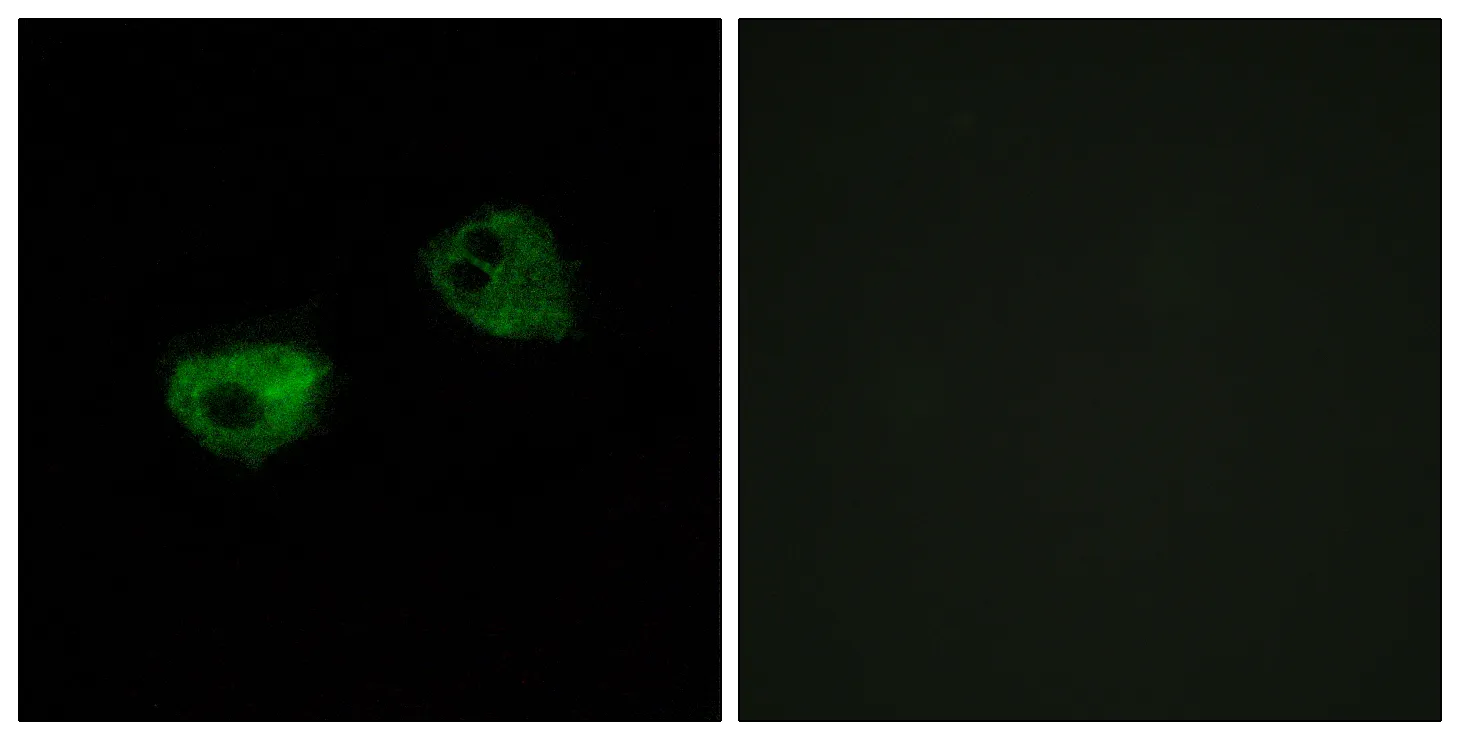
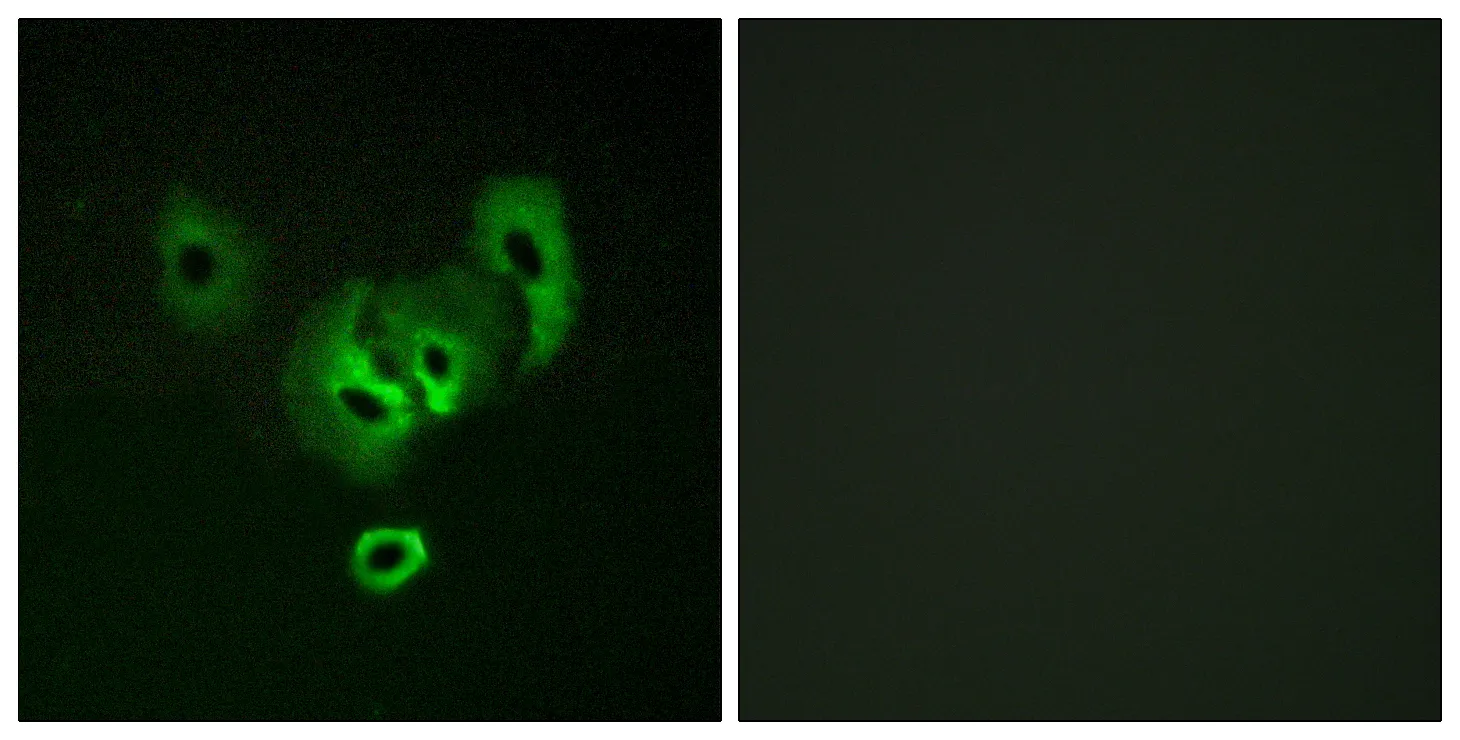
Application:WB,IHC,ICC/IF,ELISA

Reactivity:Human,Rat
Conjugate:Unconjugated
Optional conjugates: Biotin, FITC (free of charge).
See other 26 conjugates.

Gene Name:MDK Category: Polyclonal Antibody Tags:

Summary

Production Name

MK Rabbit Polyclonal Antibody

Description

Rabbit polyclonal Antibody

Host

Rabbit

Application

WB,IHC,ICC/IF,ELISA

Reactivity

Human,Rat


Performance

Conjugation

Unconjugated

Modification

Unmodified

Isotype

IgG

Clonality

Polyclonal

Form

Liquid

Storage

Store at 4°C short term. Aliquot and store at -20°C long term. Avoid freeze/thaw cycles.

Buffer

Liquid in PBS containing 50% glycerol, 0.5% protective protein and 0.02% New type preservative N.

Purification

Affinity purification


Immunogen

Gene Name

MDK

Alternative Names

MDK; MK1; NEGF2; Midkine; MK; Amphiregulin-associated protein; ARAP; Midgestation and kidney protein; Neurite outgrowth-promoting factor 2; Neurite outgrowth-promoting protein

Gene ID

4192

SwissProt ID

P21741


Application

Dilution Ratio

WB 1:500-1:2000,IHC 1:100-1:300,ICC/IF 1:50-1:200,ELISA 1:10000-1:20000

Molecular Weight

18kDa


Background

This gene encodes a member of a small family of secreted growth factors that binds heparin and responds to retinoic acid. The encoded protein promotes cell growth, migration, and angiogenesis, in particular during tumorigenesis. This gene has been targeted as a therapeutic for a variety of different disorders. Alternatively spliced transcript variants encoding multiple isoforms have been observed. [provided by RefSeq, Jul 2012],function:Has heparin binding activity, and growth promoting activity. Involved in neointima formation after arterial injury, possibly by mediating leukocyte recruitment. Also involved in early fetal adrenal gland development.,induction:By heparin and retinoic acid.,similarity:Belongs to the pleiotrophin family.,subunit:Homodimer.,


Research Area

Neuroscience
   💬 WhatsApp