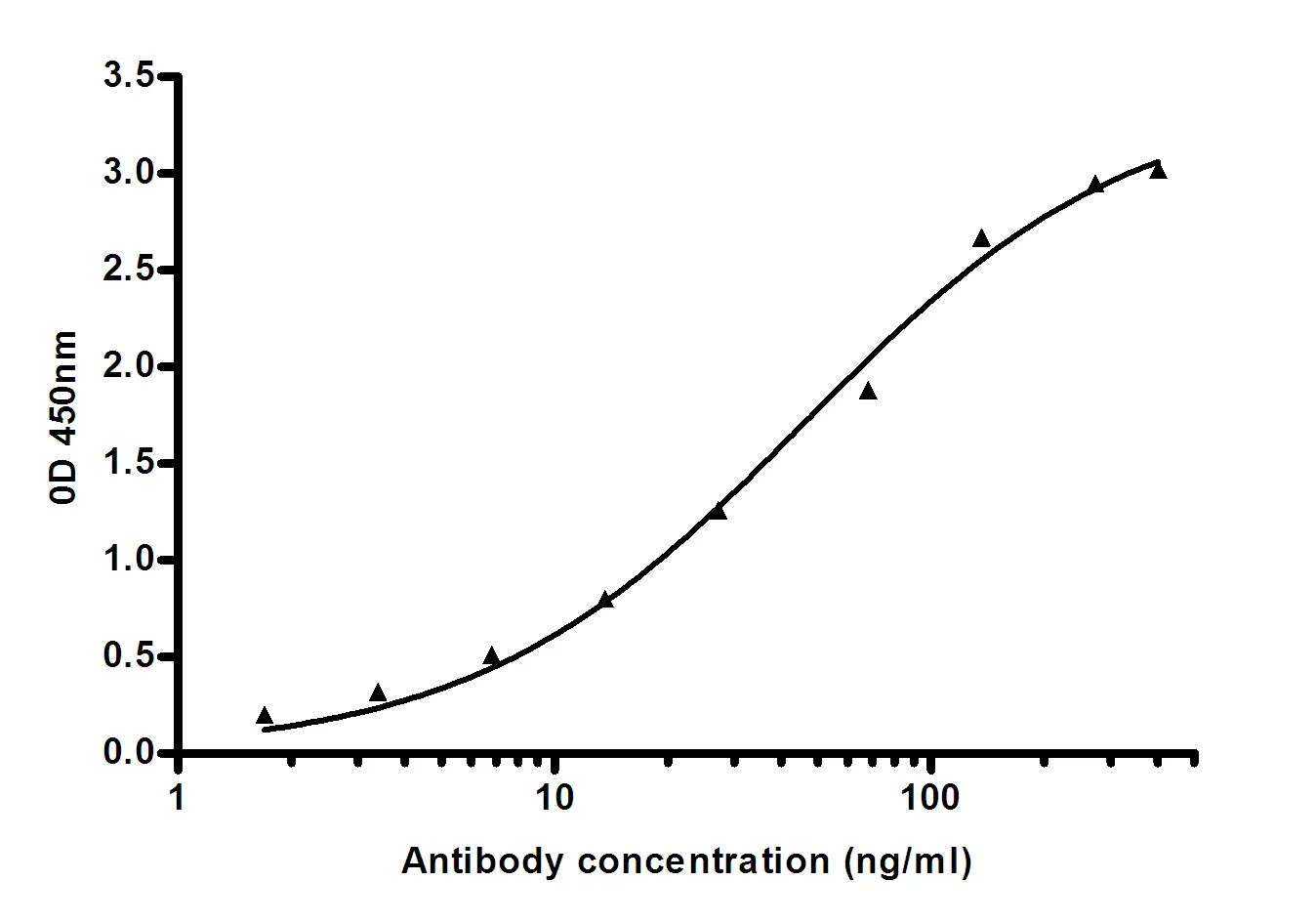
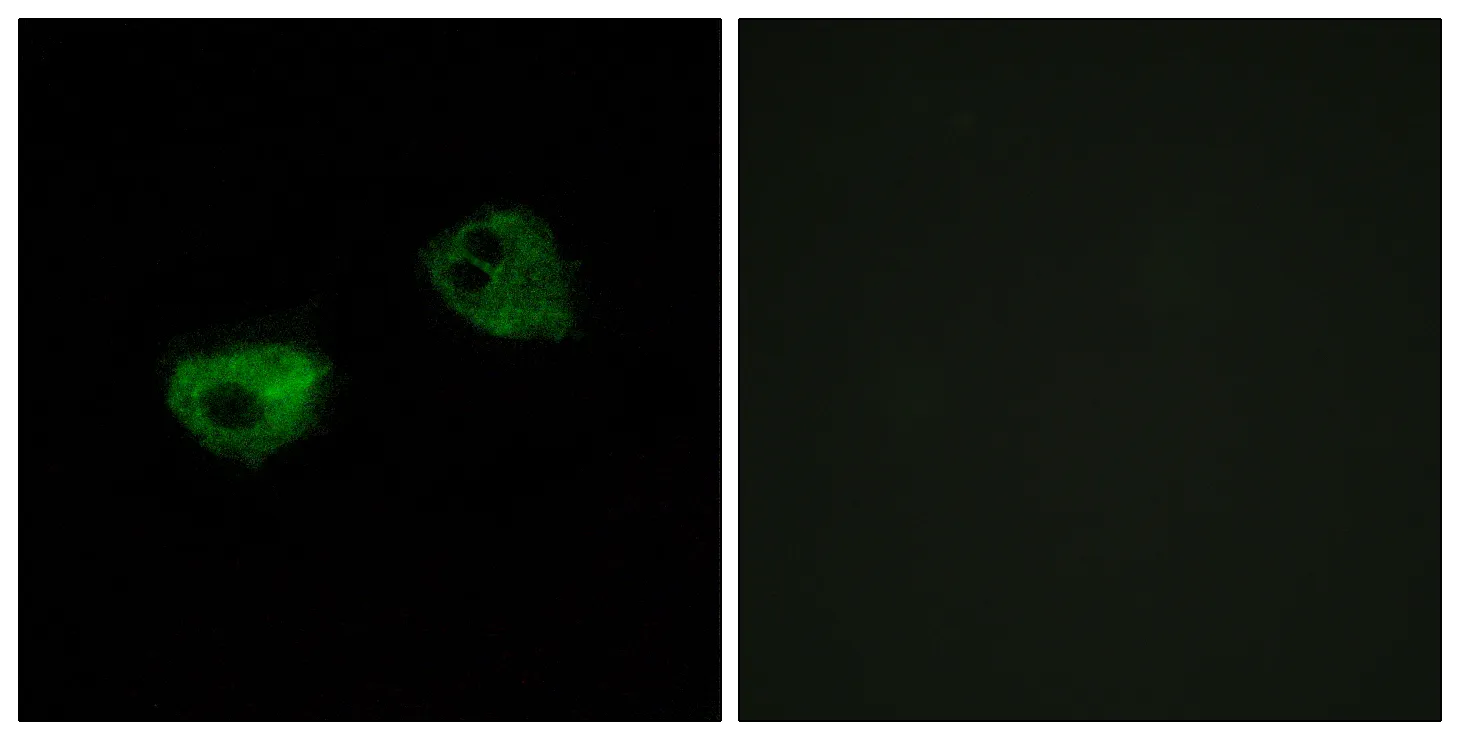
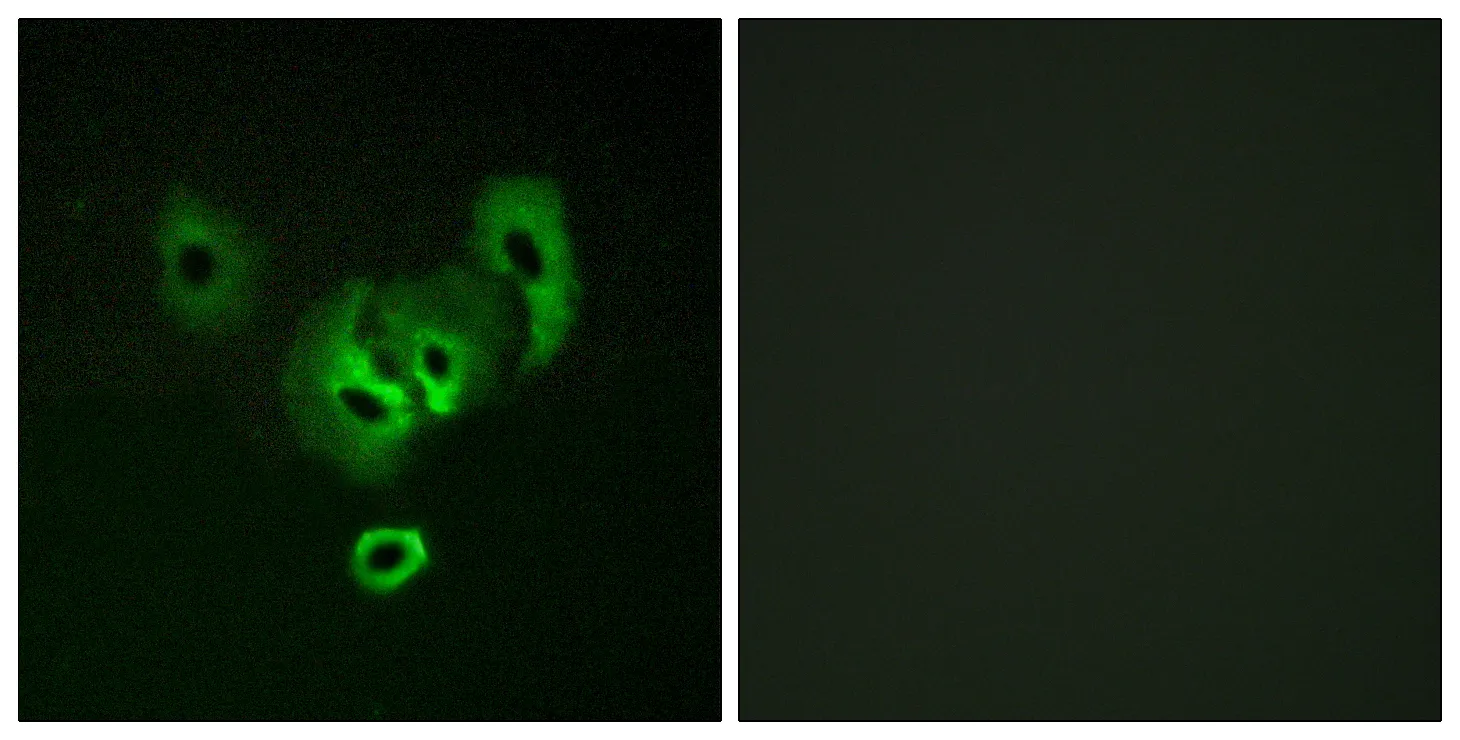
Mindin Rabbit Polyclonal Antibody($99/20μL)

Mindin Rabbit Polyclonal Antibody($99/20μL)

Cat: APRab13905
Size:20μL Price:$99
Size:50μL Price:$118
Size:100μL Price:$220

Size:200μL Price:$380
Application:WB,IHC

Reactivity:Human,Mouse,Rat,Monkey
Conjugate:Unconjugated
Optional conjugates: Biotin, FITC (free of charge).
See other 26 conjugates.

Gene Name:SPON2 Category: Polyclonal Antibody Tags:

Summary

Production Name

Mindin Rabbit Polyclonal Antibody

Description

Rabbit polyclonal Antibody

Host

Rabbit

Application

WB,IHC

Reactivity

Human,Mouse,Rat,Monkey


Performance

Conjugation

Unconjugated

Modification

Unmodified

Isotype

IgG

Clonality

Polyclonal

Form

Liquid

Storage

Store at 4°C short term. Aliquot and store at -20°C long term. Avoid freeze/thaw cycles.

Buffer

Liquid in PBS containing 50% glycerol, 0.5% protective protein and 0.02% New type preservative N.

Purification

Affinity purification


Immunogen

Gene Name

SPON2

Alternative Names

SPON2; DIL1; Spondin-2; Differentially expressed in cancerous and non-cancerous lung cells 1; DIL-1; Mindin

Gene ID

10417

SwissProt ID

Q9BUD6


Application

Dilution Ratio

WB 1:500-1:2000,IHC 1:50-1:300

Molecular Weight

37kDa


Background

function:Cell adhesion protein that promote adhesion and outgrowth of hippocampal embryonic neurons. Binds directly to bacteria and their components and functions as an opsonin for macrophage phagocytosis of bacteria. Essential in the initiation of the innate immune response and represents a unique pattern-recognition molecule in the ECM for microbial pathogens.,similarity:Contains 1 spondin domain.,similarity:Contains 1 TSP type-1 domain.,tissue specificity:Expressed in normal lung tissues but not in lung carcinoma cell lines.,function:Cell adhesion protein that promote adhesion and outgrowth of hippocampal embryonic neurons. Binds directly to bacteria and their components and functions as an opsonin for macrophage phagocytosis of bacteria. Essential in the initiation of the innate immune response and represents a unique pattern-recognition molecule in the ECM for microbial pathogens.,similarity:Contains 1 spondin domain.,similarity:Contains 1 TSP type-1 domain.,tissue specificity:Expressed in normal lung tissues but not in lung carcinoma cell lines.,


Research Area

Neuroscience
   💬 WhatsApp