NHE-8 Rabbit Polyclonal Antibody($99/20μL)

NHE-8 Rabbit Polyclonal Antibody($99/20μL)

Cat: APRab14687
Size:20μL Price:$99
Size:50μL Price:$118
Size:100μL Price:$220

Size:200μL Price:$380
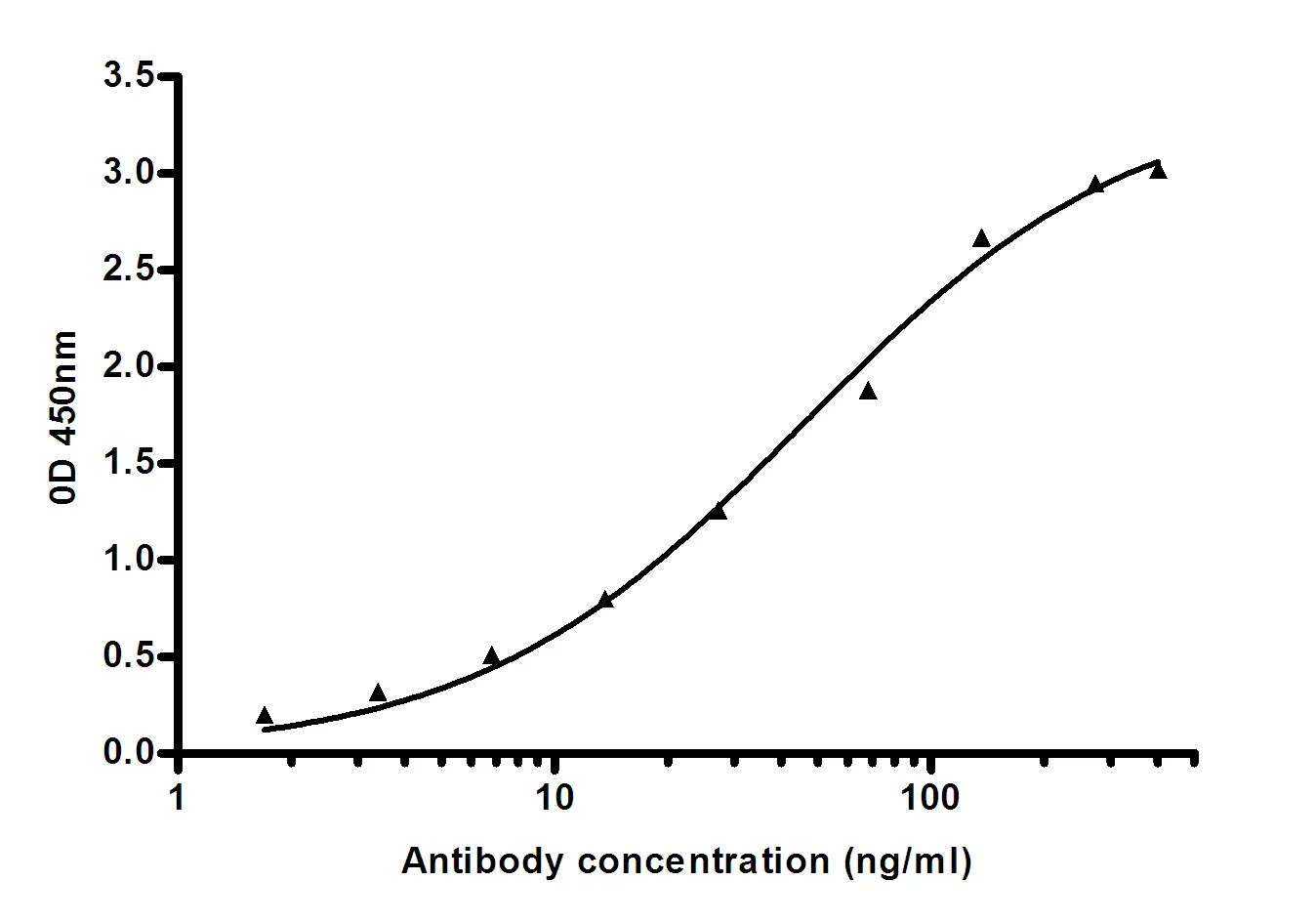
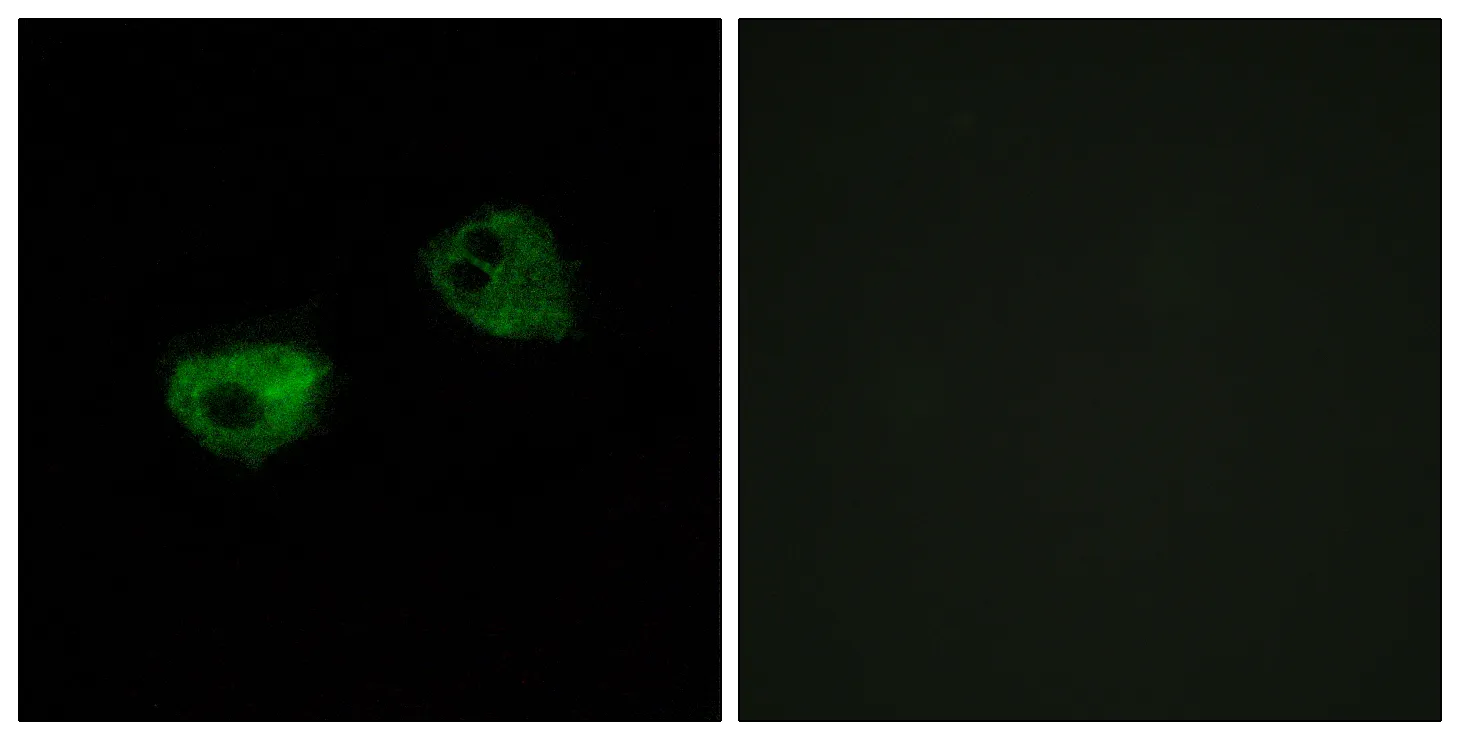
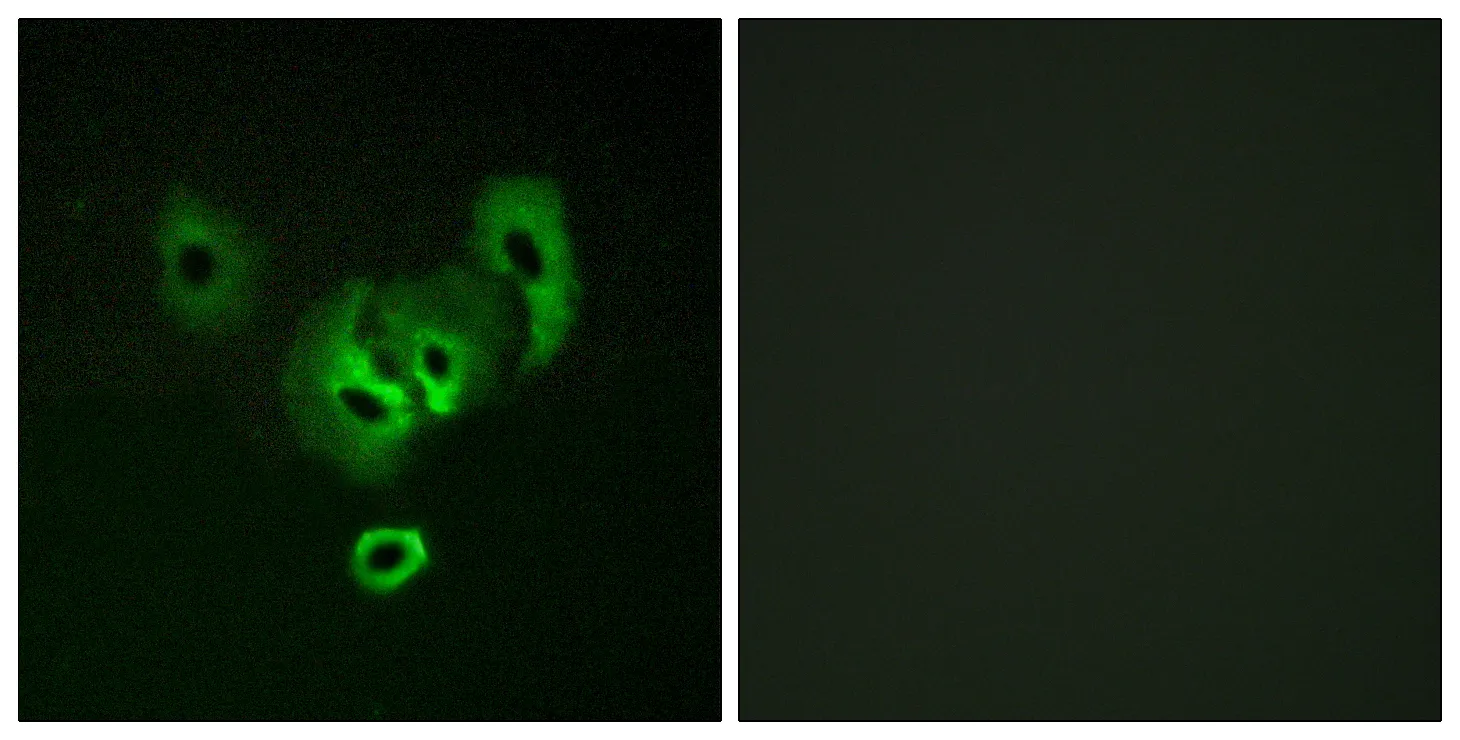
Application:WB,IHC,ICC/IF,ELISA

Reactivity:Human,Mouse,Rat
Conjugate:Unconjugated
Optional conjugates: Biotin, FITC (free of charge).
See other 26 conjugates.

Gene Name:SLC9A8 Category: Polyclonal Antibody Tags:

Summary

Production Name

NHE-8 Rabbit Polyclonal Antibody

Description

Rabbit polyclonal Antibody

Host

Rabbit

Application

WB,IHC,ICC/IF,ELISA

Reactivity

Human,Mouse,Rat


Performance

Conjugation

Unconjugated

Modification

Unmodified

Isotype

IgG

Clonality

Polyclonal

Form

Liquid

Storage

Store at 4°C short term. Aliquot and store at -20°C long term. Avoid freeze/thaw cycles.

Buffer

Liquid in PBS containing 50% glycerol, 0.5% protective protein and 0.02% New type preservative N.

Purification

Affinity purification


Immunogen

Gene Name

SLC9A8

Alternative Names

SLC9A8; KIAA0939; NHE8; Sodium/hydrogen exchanger 8; Na(+)/H(+) exchanger 8; NHE-8; Solute carrier family 9 member 8

Gene ID

23315

SwissProt ID

Q9Y2E8


Application

Dilution Ratio

WB 1:500-1:2000,IHC 1:50-1:300,ICC/IF 1:50-1:200,ELISA 1:10000-1:20000

Molecular Weight

65kDa


Background

Sodium-hydrogen exchangers (NHEs), such as SLC9A8, are integral transmembrane proteins that exchange extracellular Na+ for intracellular H+. NHEs have multiple functions, including intracellular pH homeostasis, cell volume regulation, and electroneutral NaCl absorption in epithelia (Xu et al., 2008 [PubMed 18209477]).[supplied by OMIM, Apr 2009],function:Involved in pH regulation to eliminate acids generated by active metabolism or to counter adverse environmental conditions. Major proton extruding system driven by the inward sodium ion chemical gradient. Plays an important role in signal transduction.,similarity:Belongs to the monovalent cation:proton antiporter 1 (CPA1) transporter (TC 2.A.36) family.,tissue specificity:Ubiquitous. Strongly expressed in skeletal muscle and kidney.,


Research Area
   💬 WhatsApp