Napsin A Rabbit Polyclonal Antibody($99/20μL)

Napsin A Rabbit Polyclonal Antibody($99/20μL)

Cat: APRab14408
Size:20μL Price:$99
Size:50μL Price:$118
Size:100μL Price:$220

Size:200μL Price:$380
Application:IHC,ICC/IF,ELISA

Reactivity:Human,Rat,Mouse
Conjugate:Unconjugated
Optional conjugates: Biotin, FITC (free of charge).
See other 26 conjugates.

Gene Name:NAPSA Category: Polyclonal Antibody Tags:

Summary

Production Name

Napsin A Rabbit Polyclonal Antibody

Description

Rabbit polyclonal Antibody

Host

Rabbit

Application

IHC,ICC/IF,ELISA

Reactivity

Human,Rat,Mouse


Performance

Conjugation

Unconjugated

Modification

Unmodified

Isotype

IgG

Clonality

Polyclonal

Form

Liquid

Storage

Store at 4°C short term. Aliquot and store at -20°C long term. Avoid freeze/thaw cycles.

Buffer

Liquid in PBS containing 50% glycerol, 0.5% protective protein and 0.02% New type preservative N.

Purification

Affinity purification


Immunogen

Gene Name

NAPSA

Alternative Names

Napsin-A (EC 3.4.23.-;Aspartyl protease 4;ASP4;Asp 4;Napsin-1;TA01/TA02)

Gene ID

9476

SwissProt ID

O96009


Application

Dilution Ratio

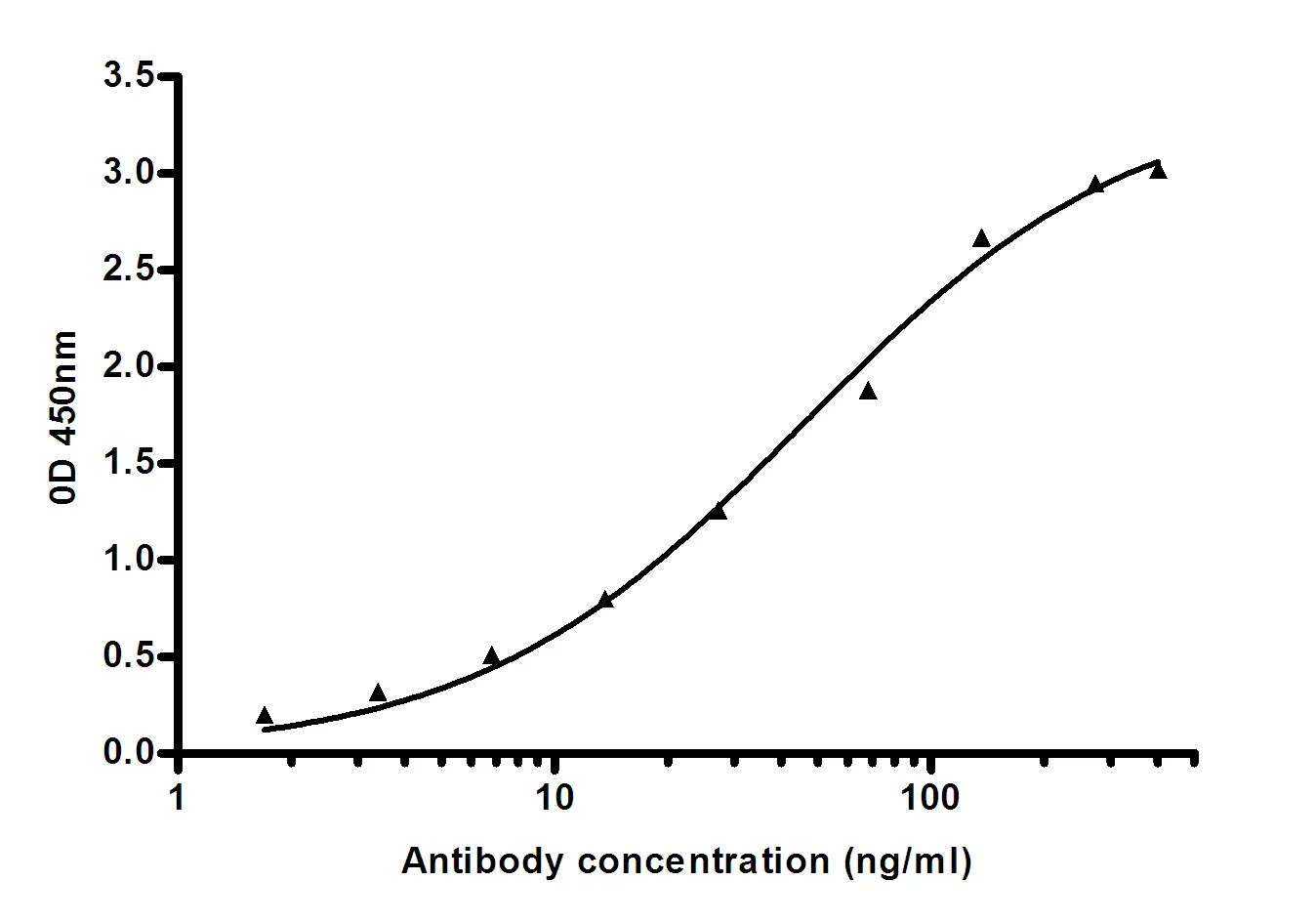
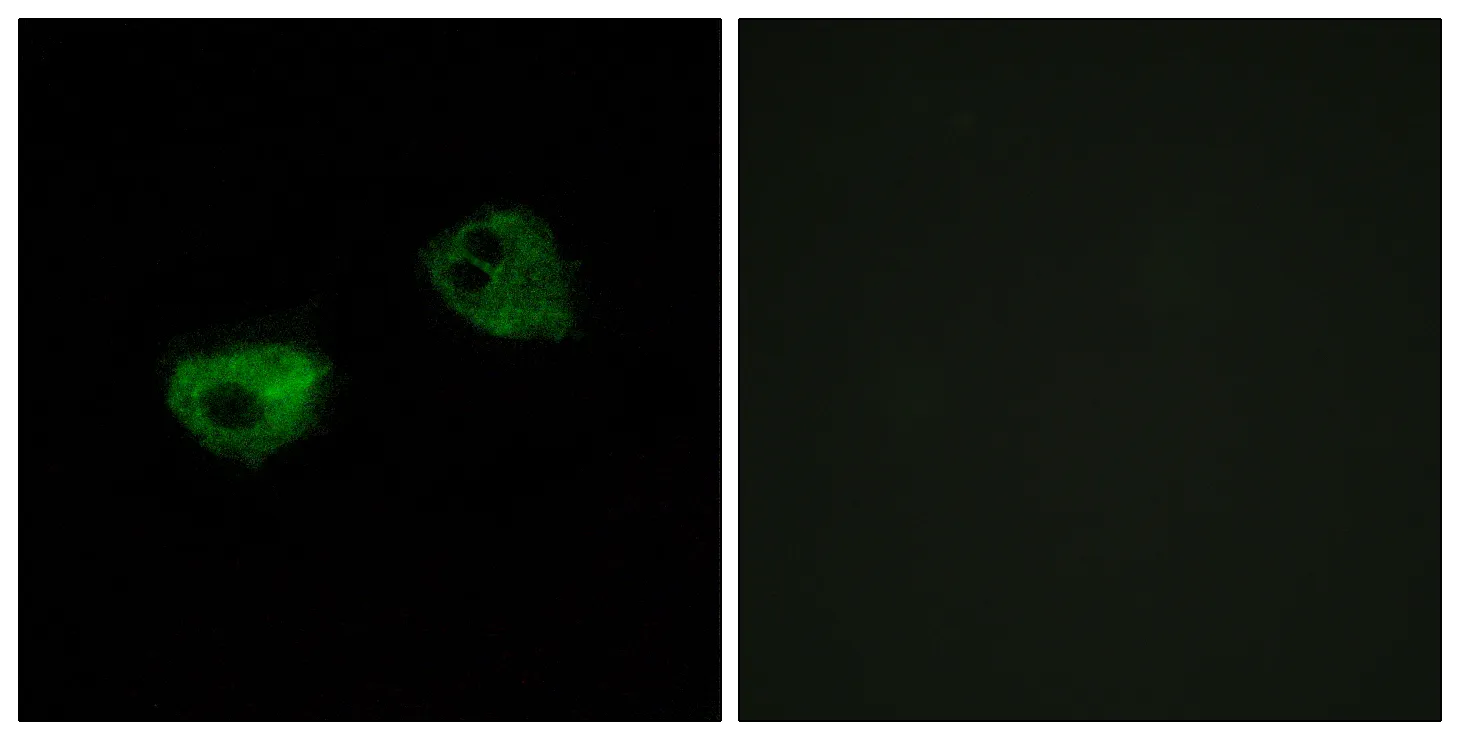
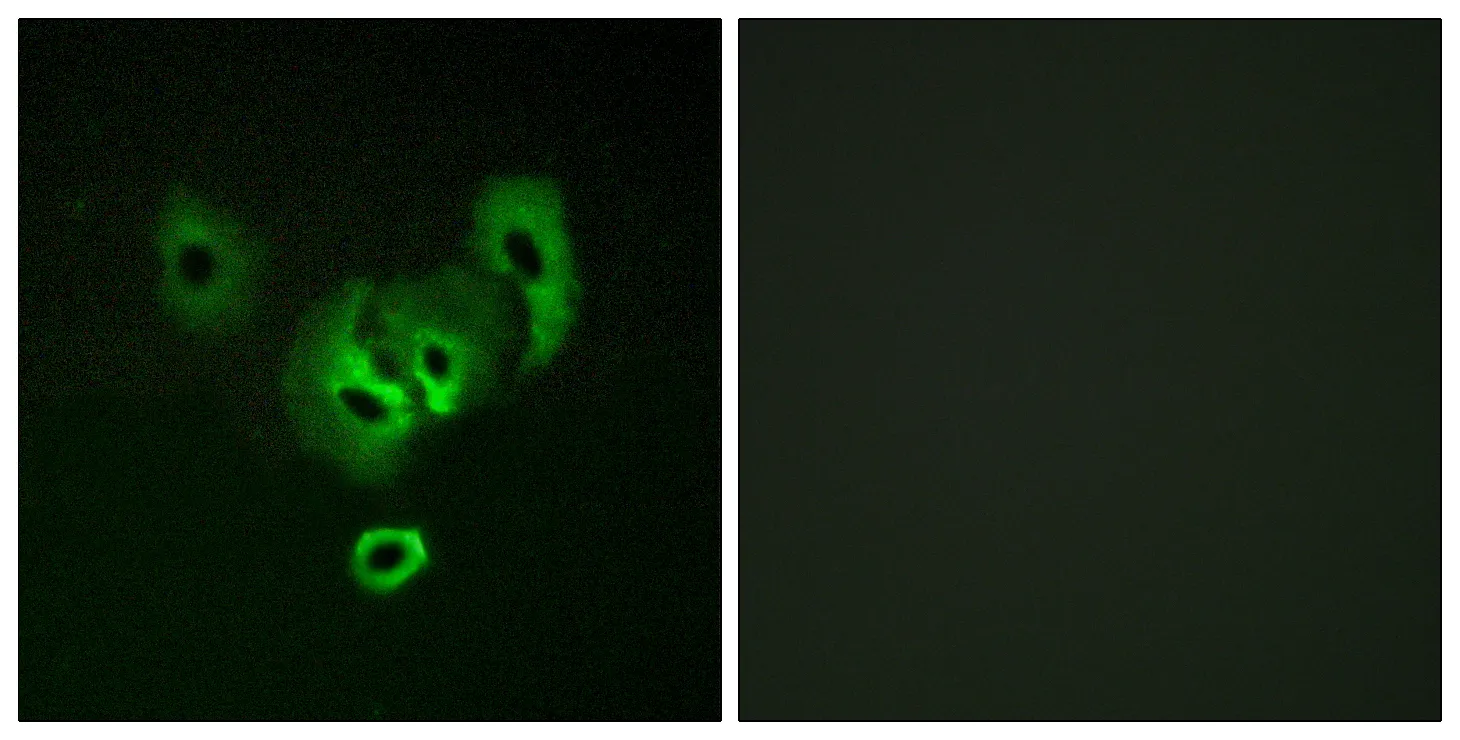
IHC 1:50-1:200,ICC/IF 1:50-1:200,ELISA 1:10000-1:20000

Molecular Weight


Background

This gene encodes a member of the peptidase A1 family of aspartic proteases. The encoded preproprotein is proteolytically processed to generate an activation peptide and the mature protease. The activation peptides of aspartic proteinases function as inhibitors of the protease active site. These peptide segments, or pro-parts, are deemed important for correct folding, targeting, and control of the activation of aspartic proteinase zymogens. The encoded protease may play a role in the proteolytic processing of pulmonary surfactant protein B in the lung and may function in protein catabolism in the renal proximal tubules. This gene has been described as a marker for lung adenocarcinoma and renal cell carcinoma. [provided by RefSeq, Feb 2016],function:May be involved in processing of pneumocyte surfactant precursors.,similarity:Belongs to the peptidase A1 family.,tissue specificity:Expressed predominantly in adult lung (type II pneumocytes) and kidney and in fetal lung. Low levels in adult spleen and very low levels in peripheral blood leukocytes.,


Research Area

Lysosome;
   💬 WhatsApp