

Summary
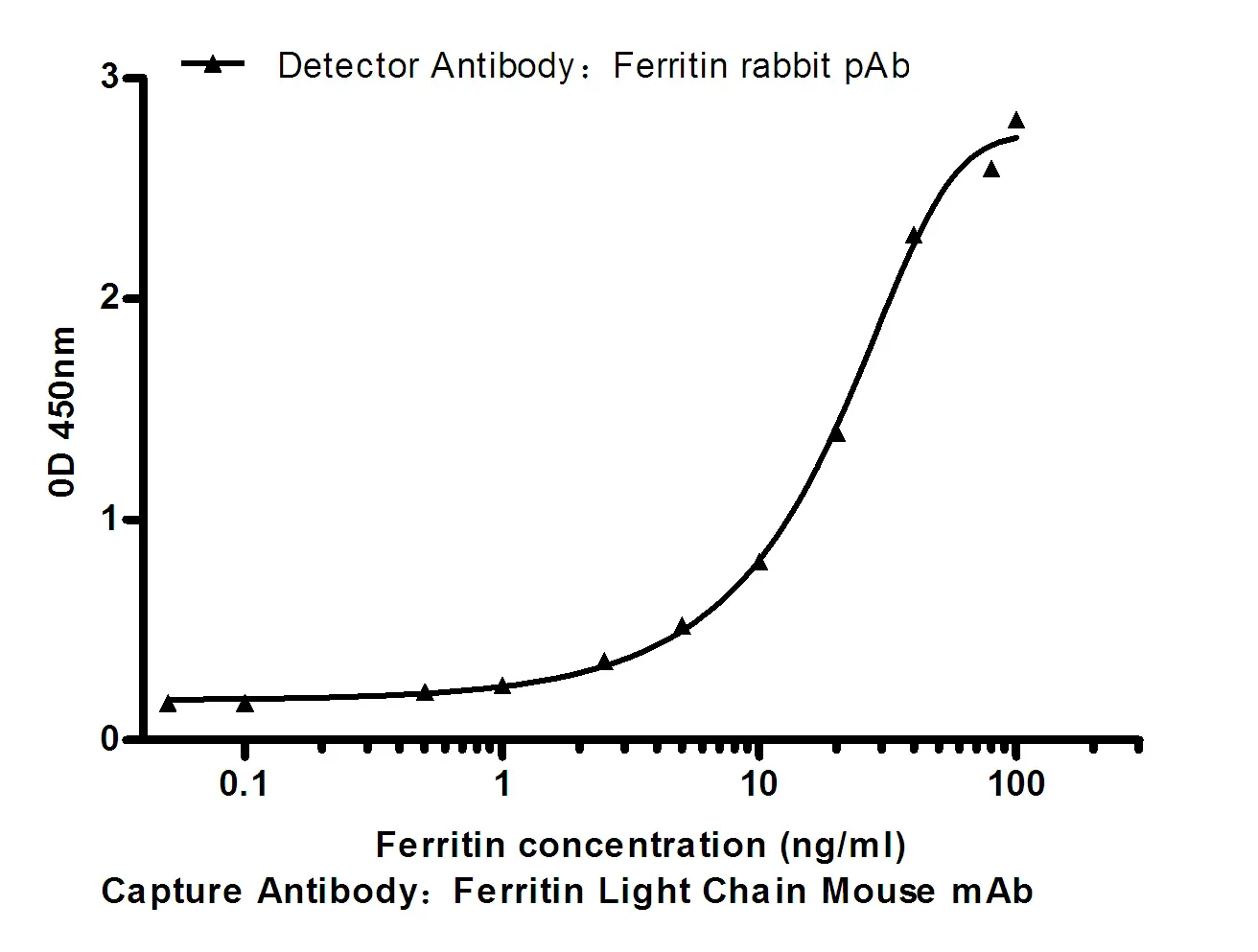
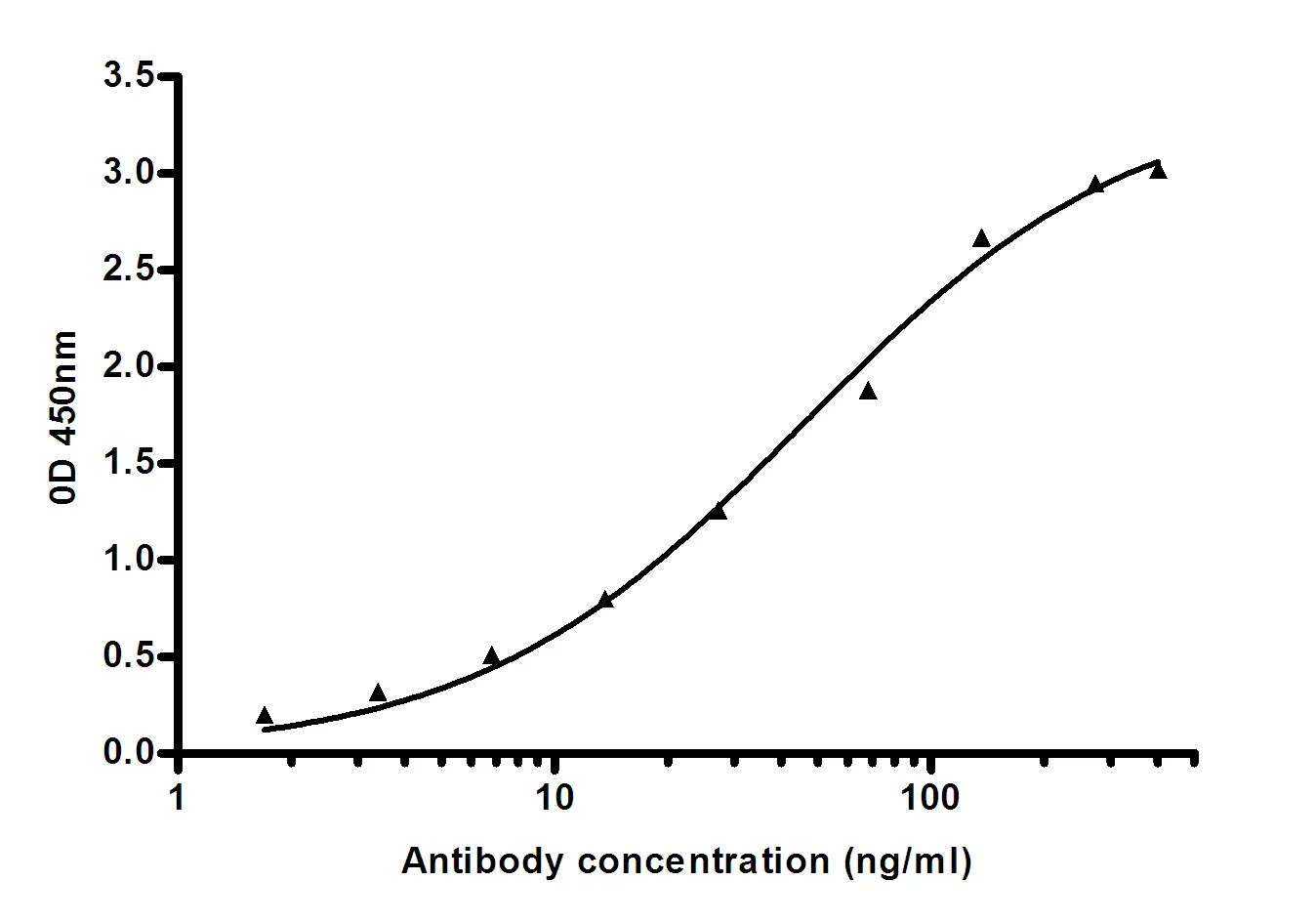
Performance
Immunogen
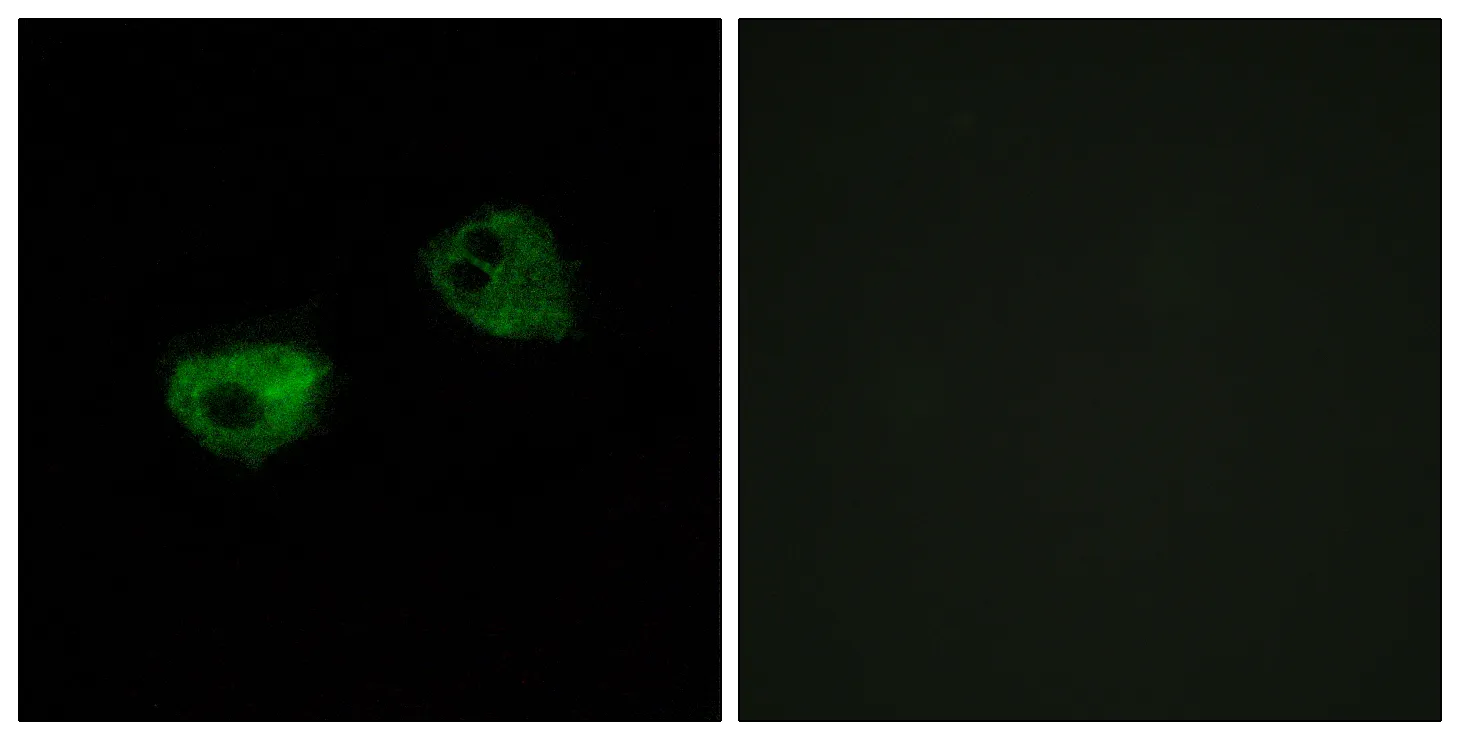
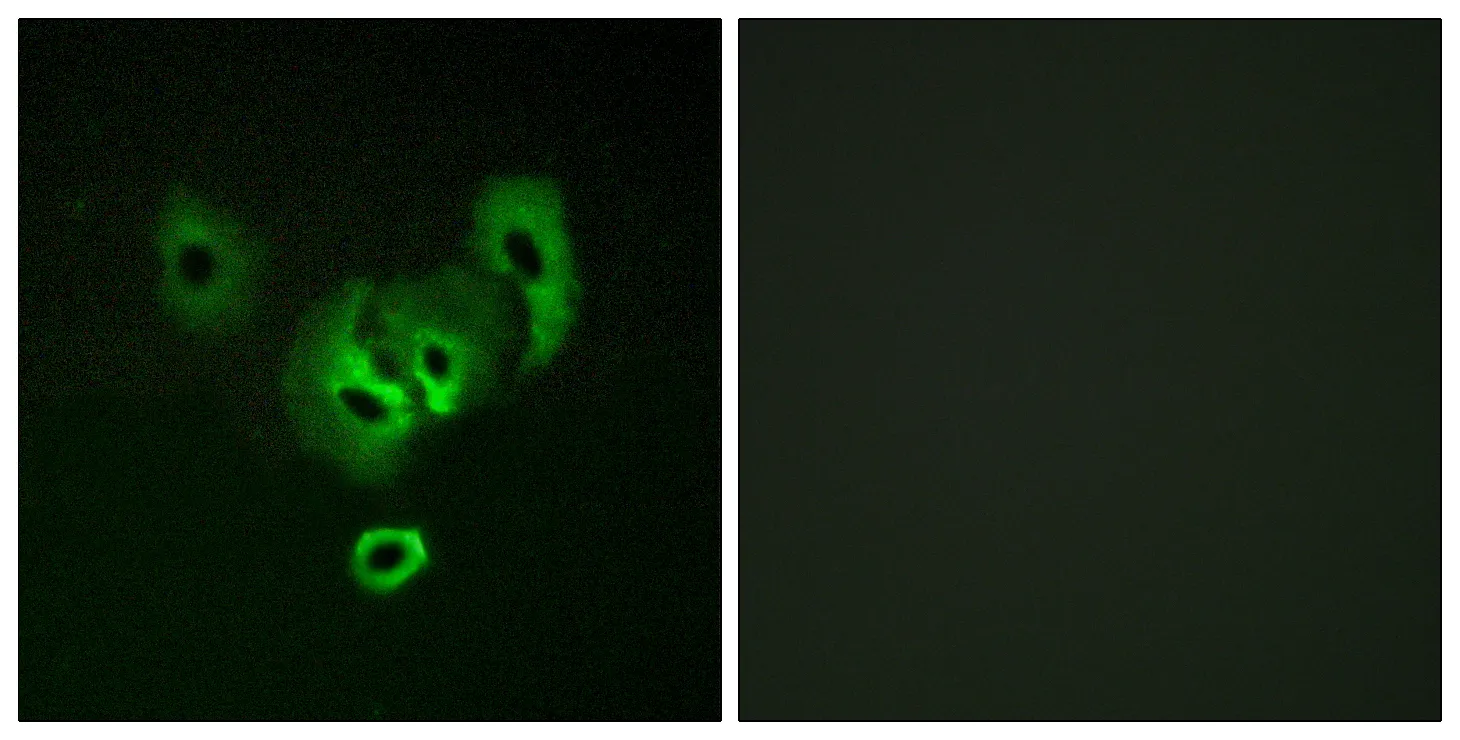
Application
Background
This gene encodes a homeobox-containing transcription factor. This transcription factor functions as a negative regulator of epithelial cell growth in prostate tissue. Aberrant expression of this gene is associated with prostate tumor progression. Alternate splicing results in multiple transcript variants of this gene. [provided by RefSeq, Jan 2012],alternative products:Additional isoforms seem to exist,disease:NKX3-1 has been thought to be one of the target gene of the 8p21 loss of heterozygosity, common in prostate cancer, but neither disruption of the coding region of the gene, nor mutations have been found in prostate cancer.,function:Transcription factor, which binds preferentially the consensus sequence 5'-TAAGT[AG]-3' and can behave as a transcriptional repressor. Could play an important role in regulating proliferation of glandular epithelium and in the formation of ducts in prostate.,induction:By androgens and, in the LNCAP cell line, by estrogens. Androgenic control may be lost in prostate cancer cells during tumor progression from an androgen-dependent to an androgen-independent phase.,similarity:Belongs to the NK-3 homeobox family.,similarity:Contains 1 homeobox DNA-binding domain.,subunit:Interacts with serum response factor (SRF) (By similarity). Interacts with SPDEF. Interacts with WDR77.,tissue specificity:Highly expressed in the prostate and, at a lower level, in the testis.,
Research Area
Pathways in cancer;Prostate cancer;