PAR-3 Rabbit Polyclonal Antibody($99/20μL)

PAR-3 Rabbit Polyclonal Antibody($99/20μL)

Cat: APRab15745
Size:20μL Price:$99
Size:50μL Price:$118
Size:100μL Price:$220

Size:200μL Price:$380
Application:ICC/IF,ELISA

Reactivity:Human,Rat,Mouse
Conjugate:Unconjugated
Optional conjugates: Biotin, FITC (free of charge).
See other 26 conjugates.

Gene Name:F2RL2 Category: Polyclonal Antibody Tags:

Summary

Production Name

PAR-3 Rabbit Polyclonal Antibody

Description

Rabbit polyclonal Antibody

Host

Rabbit

Application

ICC/IF,ELISA

Reactivity

Human,Rat,Mouse


Performance

Conjugation

Unconjugated

Modification

Unmodified

Isotype

IgG

Clonality

Polyclonal

Form

Liquid

Storage

Store at 4°C short term. Aliquot and store at -20°C long term. Avoid freeze/thaw cycles.

Buffer

Liquid in PBS containing 50% glycerol, 0.5% protective protein and 0.02% New type preservative N.

Purification

Affinity purification


Immunogen

Gene Name

F2RL2

Alternative Names

F2RL2; PAR3; Proteinase-activated receptor 3; PAR-3; Coagulation factor II receptor-like 2; Thrombin receptor-like 2

Gene ID

2151

SwissProt ID

O00254


Application

Dilution Ratio

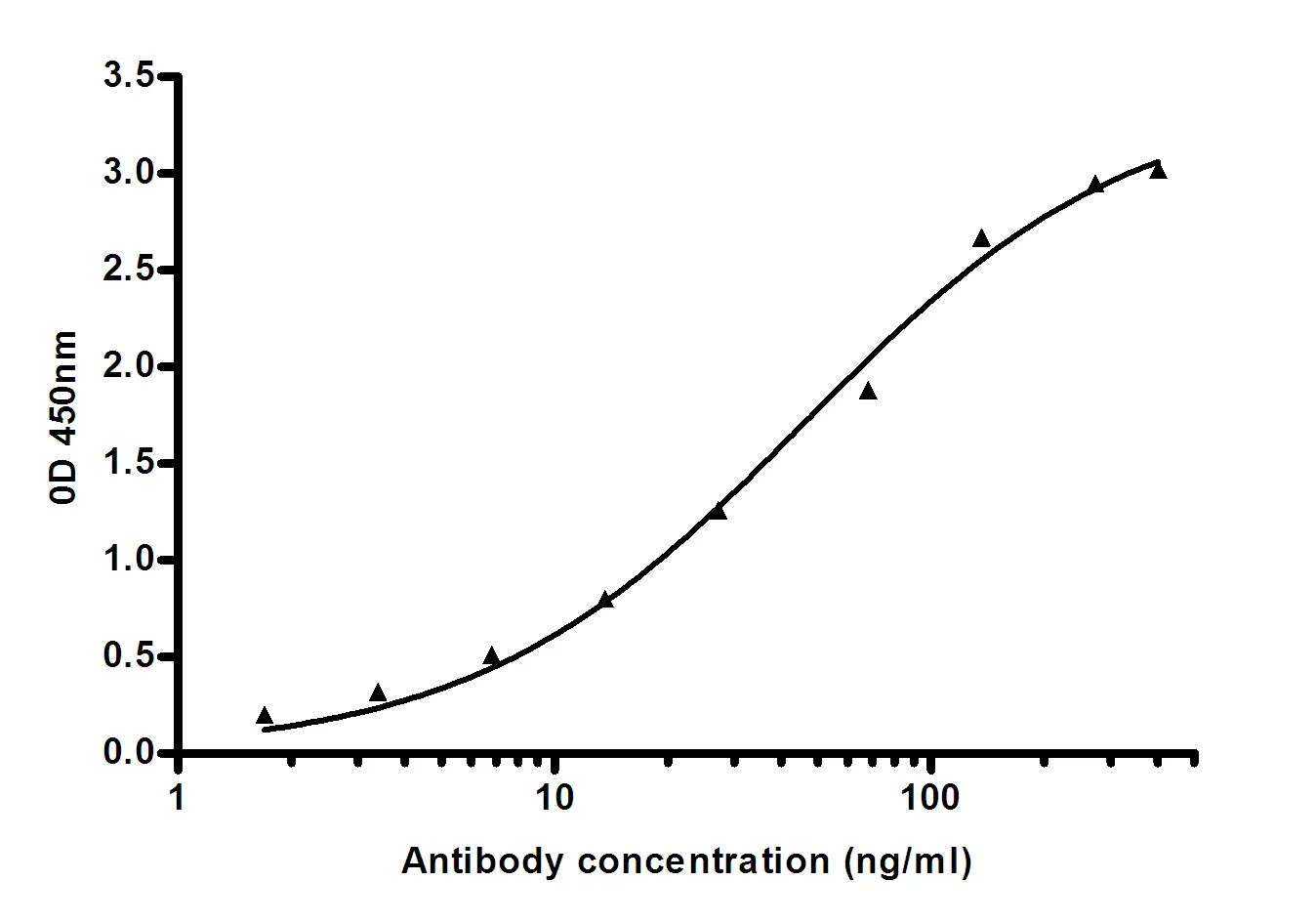
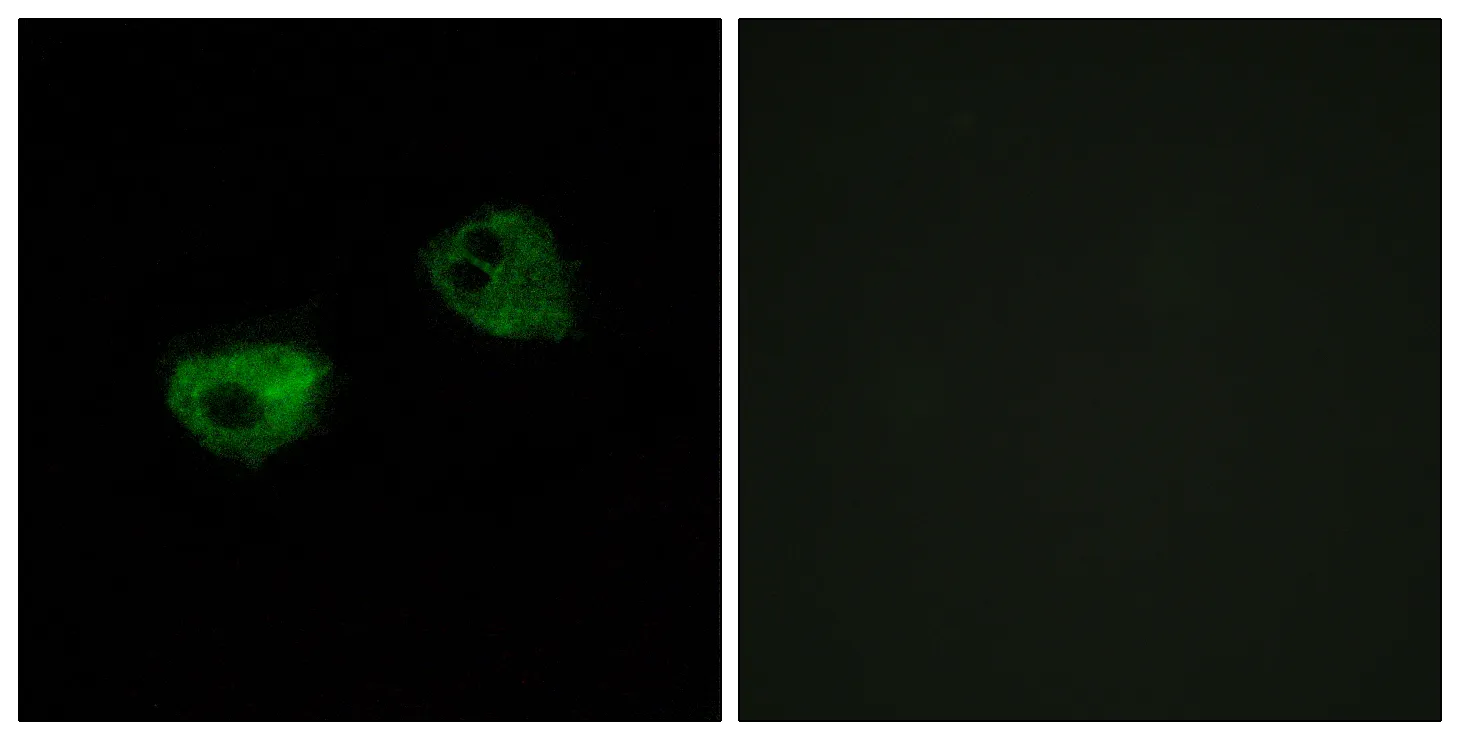
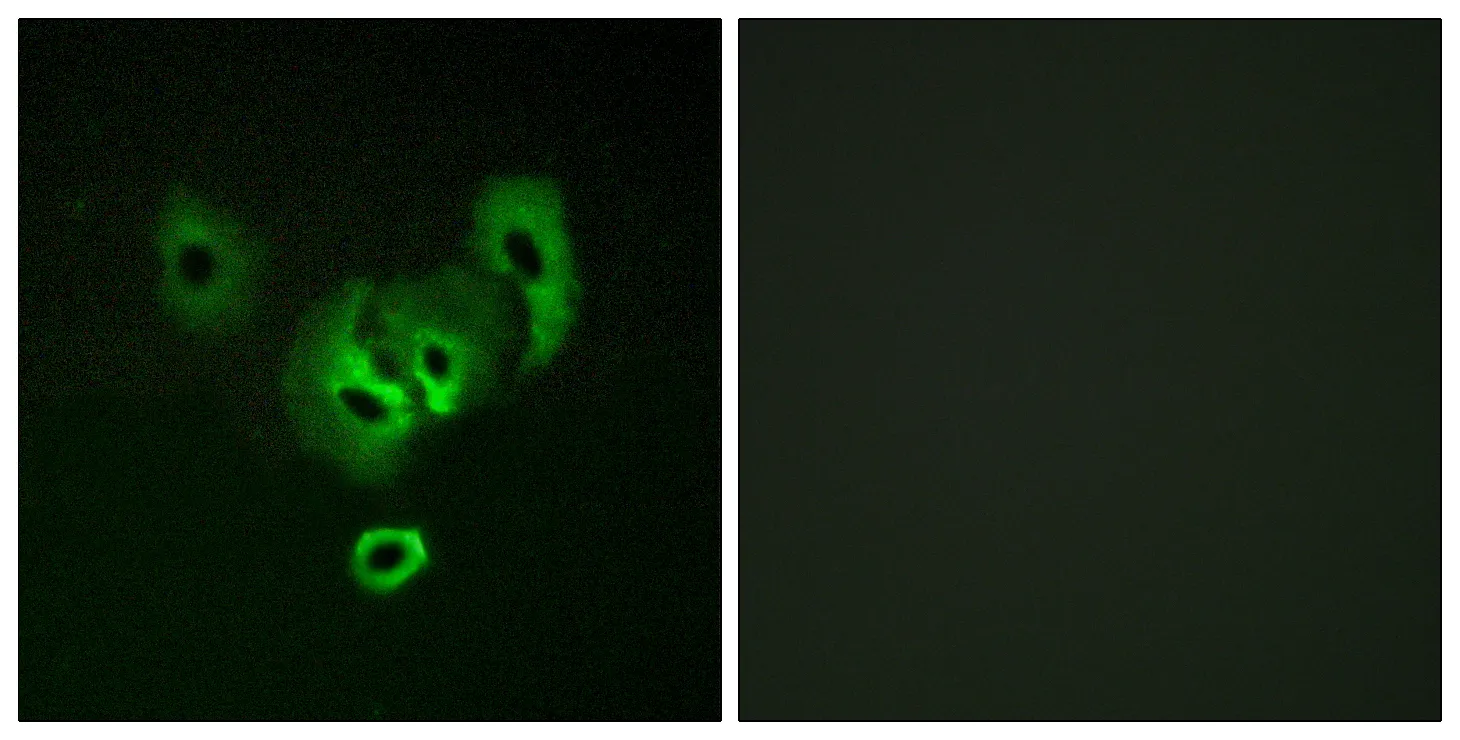
ICC/IF 1:200-1:1000,ELISA 1:5000-1:20000

Molecular Weight


Background

This gene encodes a member of the protease-activated receptor (PAR) family which is a subfamily of the seven transmembrane G protein-coupled cell surface receptor family. The encoded protein acts as a cofactor in the thrombin-mediated cleavage and activation of the protease-activated receptor family member PAR4. The encoded protein plays an essential role in hemostasis and thrombosis. Alternate splicing results in multiple transcript variants that encode different isoforms. [provided by RefSeq, Feb 2012],function:Receptor for activated thrombin coupled to G proteins that stimulate phosphoinositide hydrolysis.,PTM:A proteolytic cleavage generates a new N-terminus that functions as a tethered ligand.,similarity:Belongs to the G-protein coupled receptor 1 family.,subunit:Interacts with INSC/inscuteable and probably GPSM2.,tissue specificity:Highest expression in the megakaryocytes of the bone marrow, lower in mature megakaryocytes, in platelets and in a variety of other tissues such as heart and gut.,


Research Area

Neuroactive ligand-receptor interaction;
   💬 WhatsApp