

PFK-B Rabbit Polyclonal Antibody($99/20μL)

PFK-B Rabbit Polyclonal Antibody($99/20μL)

Cat: APRab16015
Size:20μL Price:$99
Size:50μL Price:$118
Size:100μL Price:$220

Size:200μL Price:$380
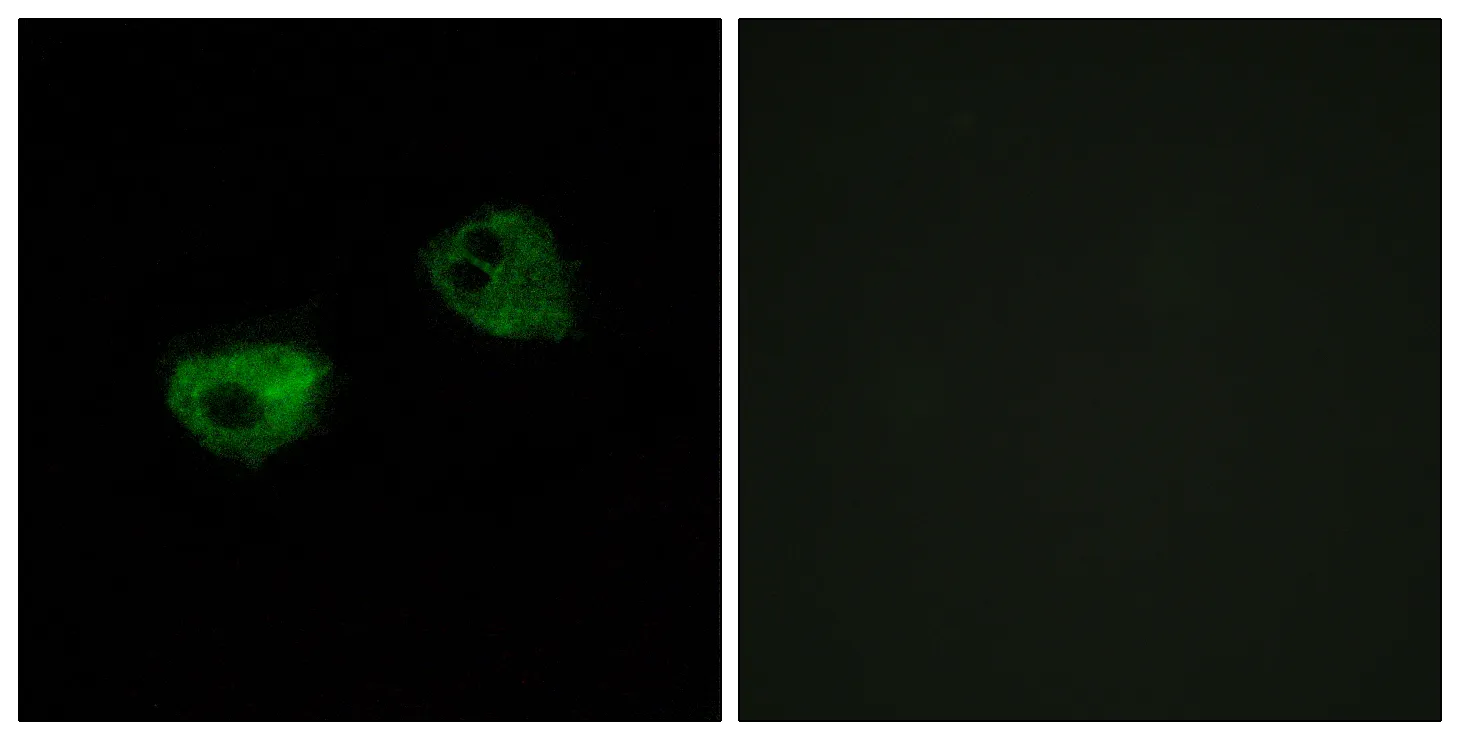
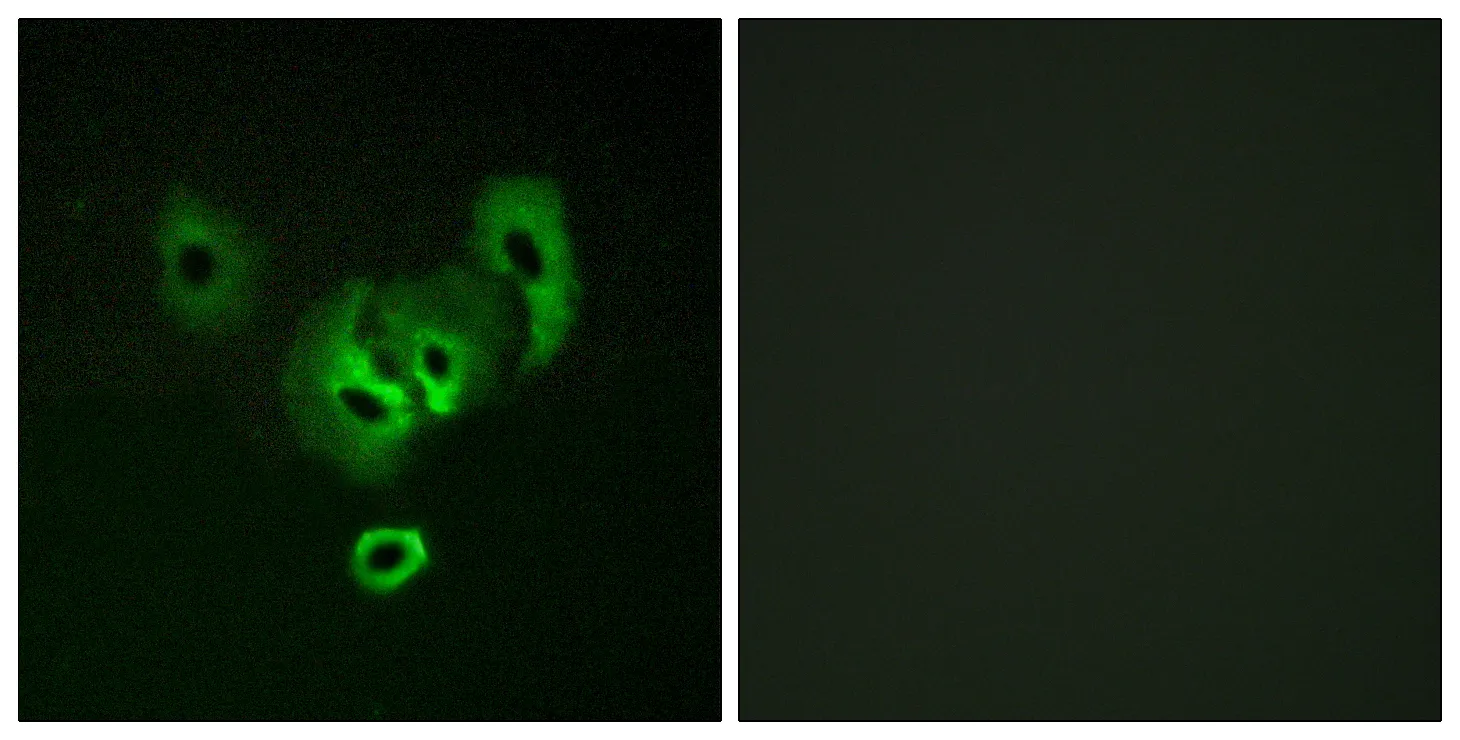
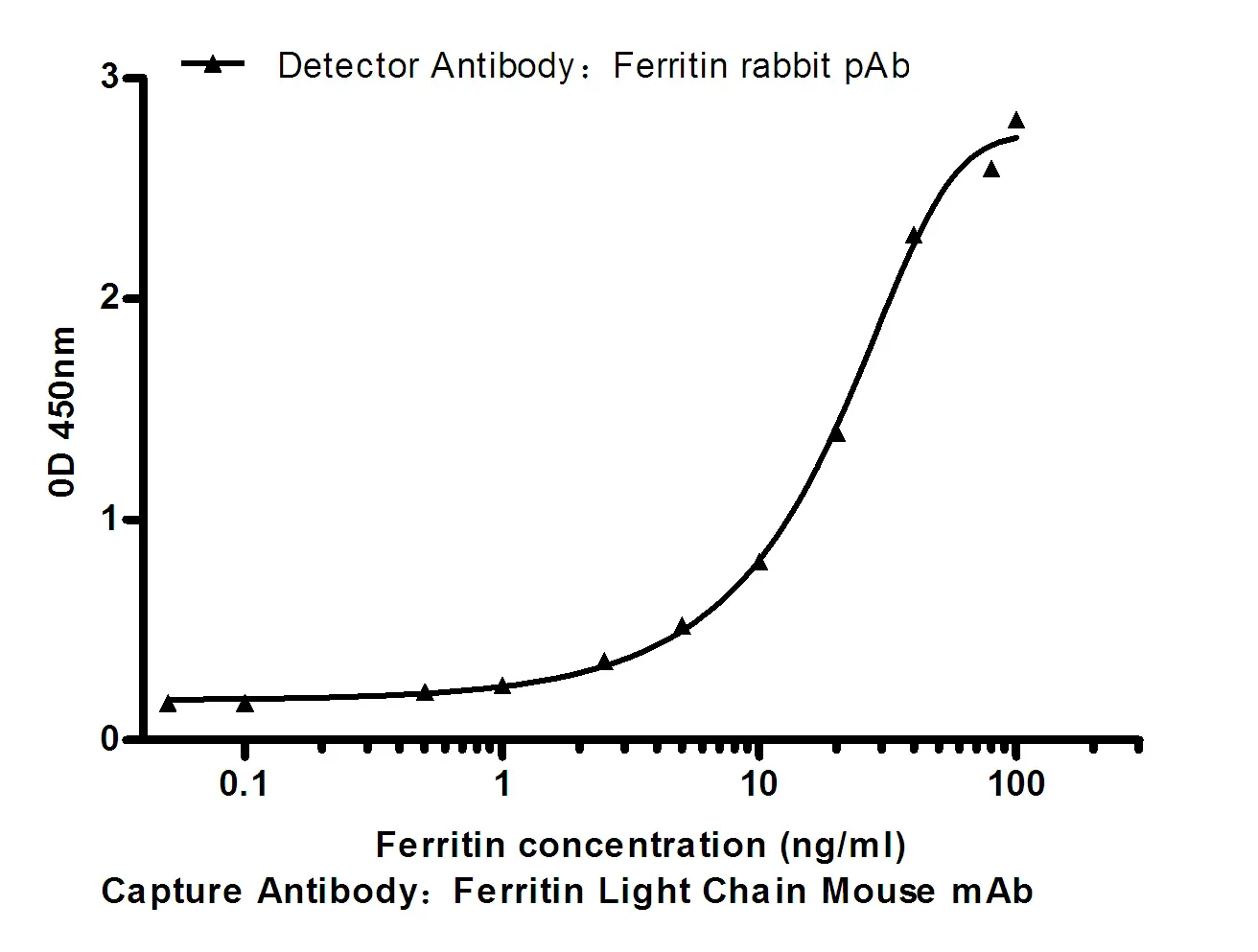
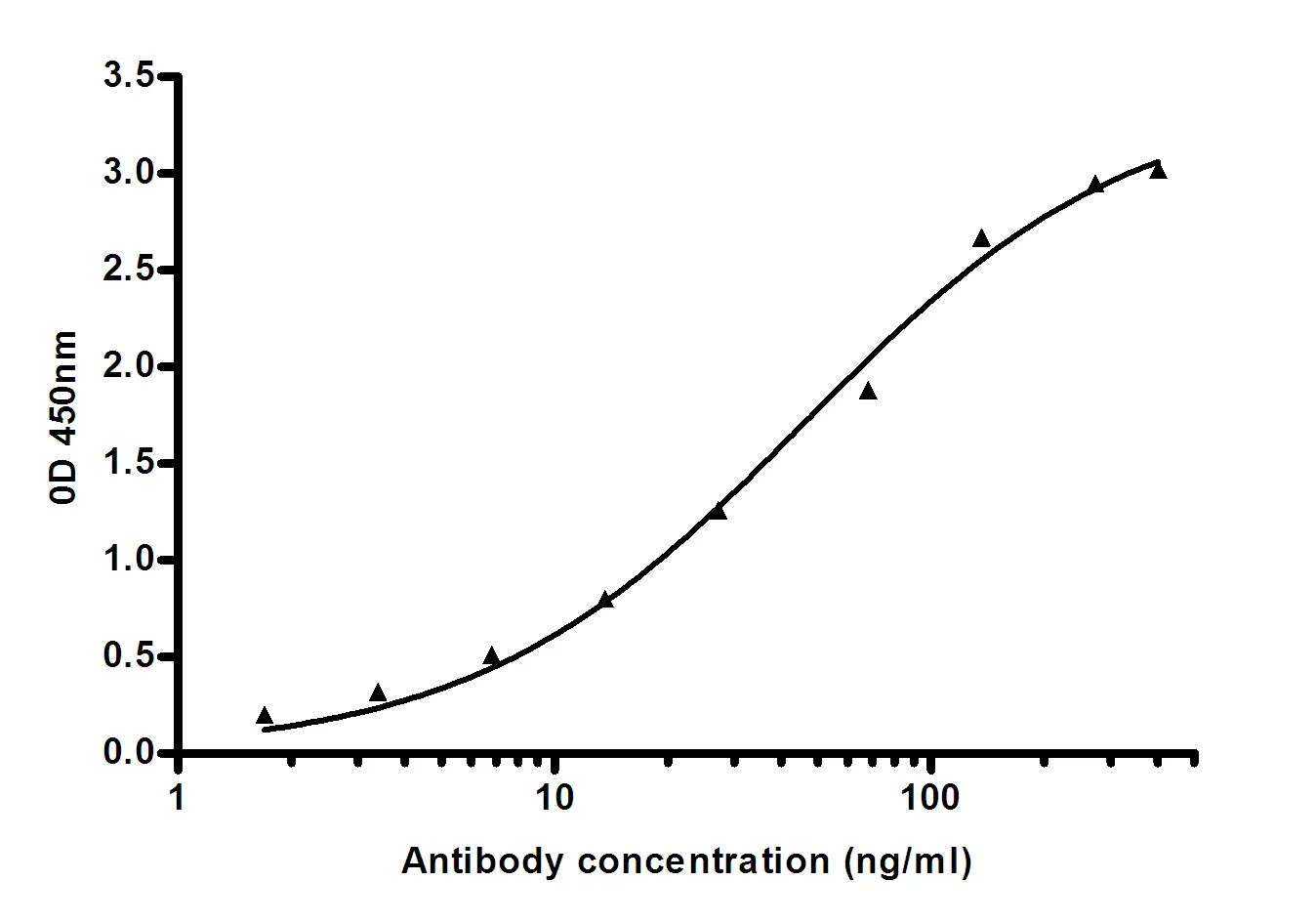
Application:WB,IHC,ICC/IF,ELISA

Reactivity:Human,Mouse,Rat
Conjugate:Unconjugated
Optional conjugates: Biotin, FITC (free of charge).
See other 26 conjugates.

Gene Name:PFKL Category: Polyclonal Antibody Tags: , , ,

Summary

Production Name

PFK-B Rabbit Polyclonal Antibody

Description

Rabbit polyclonal Antibody

Host

Rabbit

Application

WB,IHC,ICC/IF,ELISA

Reactivity

Human,Mouse,Rat


Performance

Conjugation

Unconjugated

Modification

Unmodified

Isotype

IgG

Clonality

Polyclonal

Form

Liquid

Storage

Store at 4°C short term. Aliquot and store at -20°C long term. Avoid freeze/thaw cycles.

Buffer

Liquid in PBS containing 50% glycerol, 0.5% protective protein and 0.02% New type preservative N.

Purification

Affinity purification


Immunogen

Gene Name

PFKL

Alternative Names

PFKL; 6-phosphofructokinase; liver type; Phosphofructo-1-kinase isozyme B; PFK-B; Phosphofructokinase 1; Phosphohexokinase

Gene ID

5211

SwissProt ID

P17858


Application

Dilution Ratio

WB 1:500-1:2000,IHC 1:100-1:300,ICC/IF 1:50-1:200,ELISA 1:10000-1:20000

Molecular Weight

85kDa


Background

This gene encodes the liver (L) subunit of an enzyme that catalyzes the conversion of D-fructose 6-phosphate to D-fructose 1,6-bisphosphate, which is a key step in glucose metabolism (glycolysis). This enzyme is a tetramer that may be composed of different subunits encoded by distinct genes in different tissues. Alternative splicing results in multiple transcript variants. [provided by RefSeq, Mar 2014],catalytic activity:ATP + D-fructose 6-phosphate = ADP + D-fructose 1,6-bisphosphate.,cofactor:Magnesium.,enzyme regulation:Allosteric enzyme activated by ADP, AMP, or fructose bisphosphate and inhibited by ATP or citrate.,miscellaneous:In human PFK exists as a system of 3 types of subunits, PFKM (muscle), PFKL (liver) and PFKP (platelet) isoenzymes.,pathway:Carbohydrate degradation; glycolysis; D-glyceraldehyde 3-phosphate and glycerone phosphate from D-glucose: step 3/4.,similarity:Belongs to the phosphofructokinase family. Two domains subfamily.,subunit:Tetramer. Muscle is M4, liver is L4, and red cell is M3L, M2L2, or ML3.,


Research Area

Glycolysis / Gluconeogenesis;Pentose phosphate pathway;Fructose and mannose metabolism;Galactose metabolism;
   💬 WhatsApp