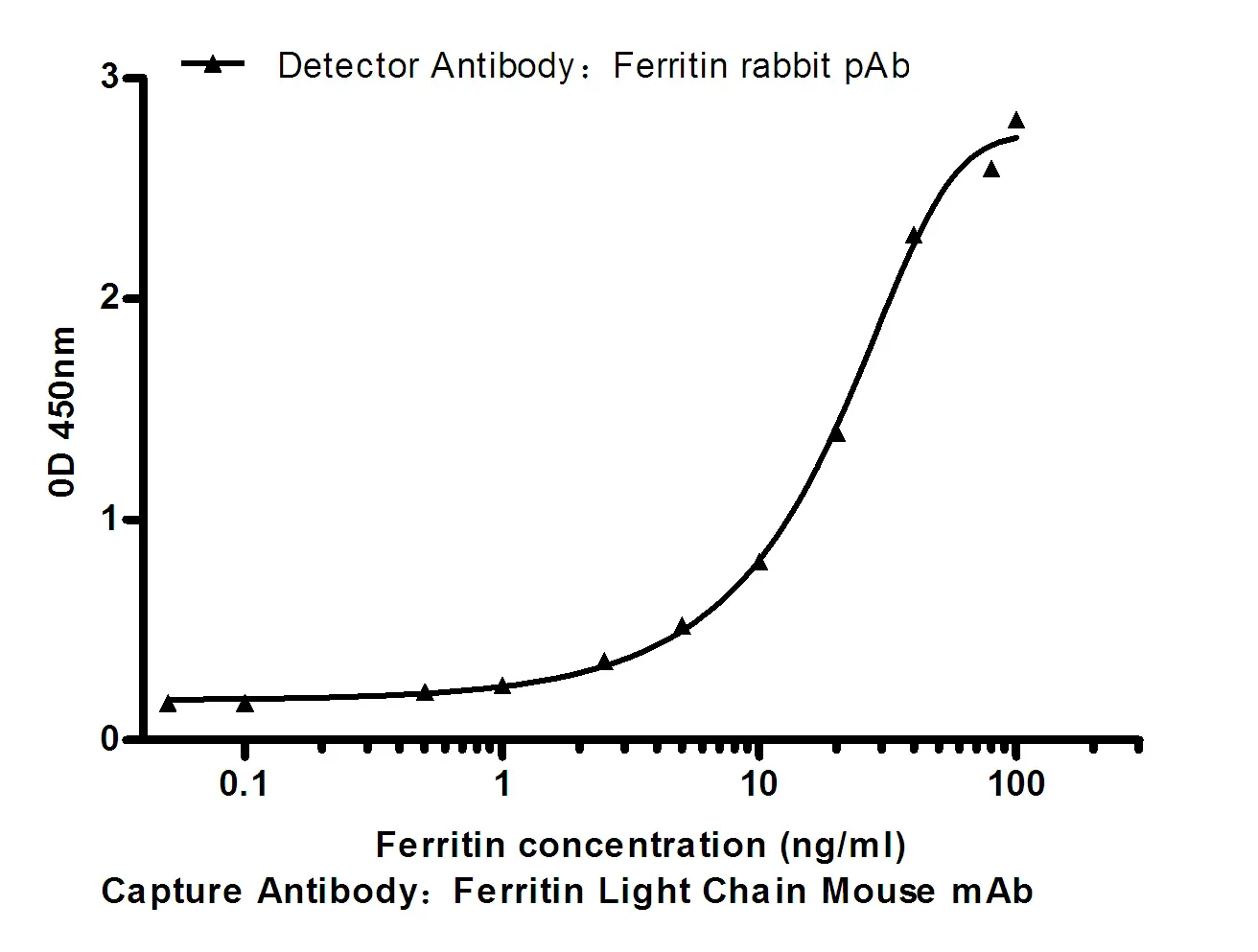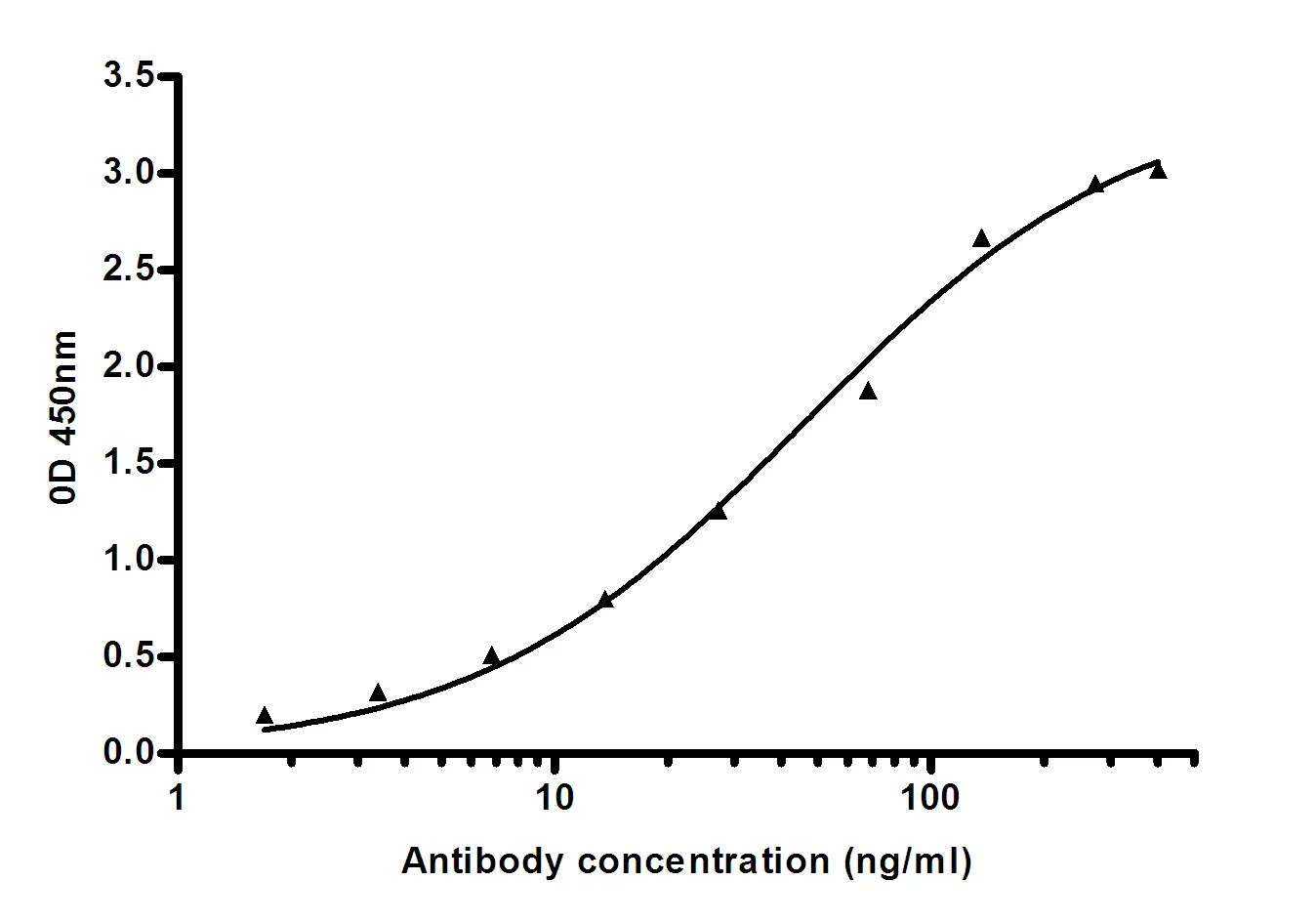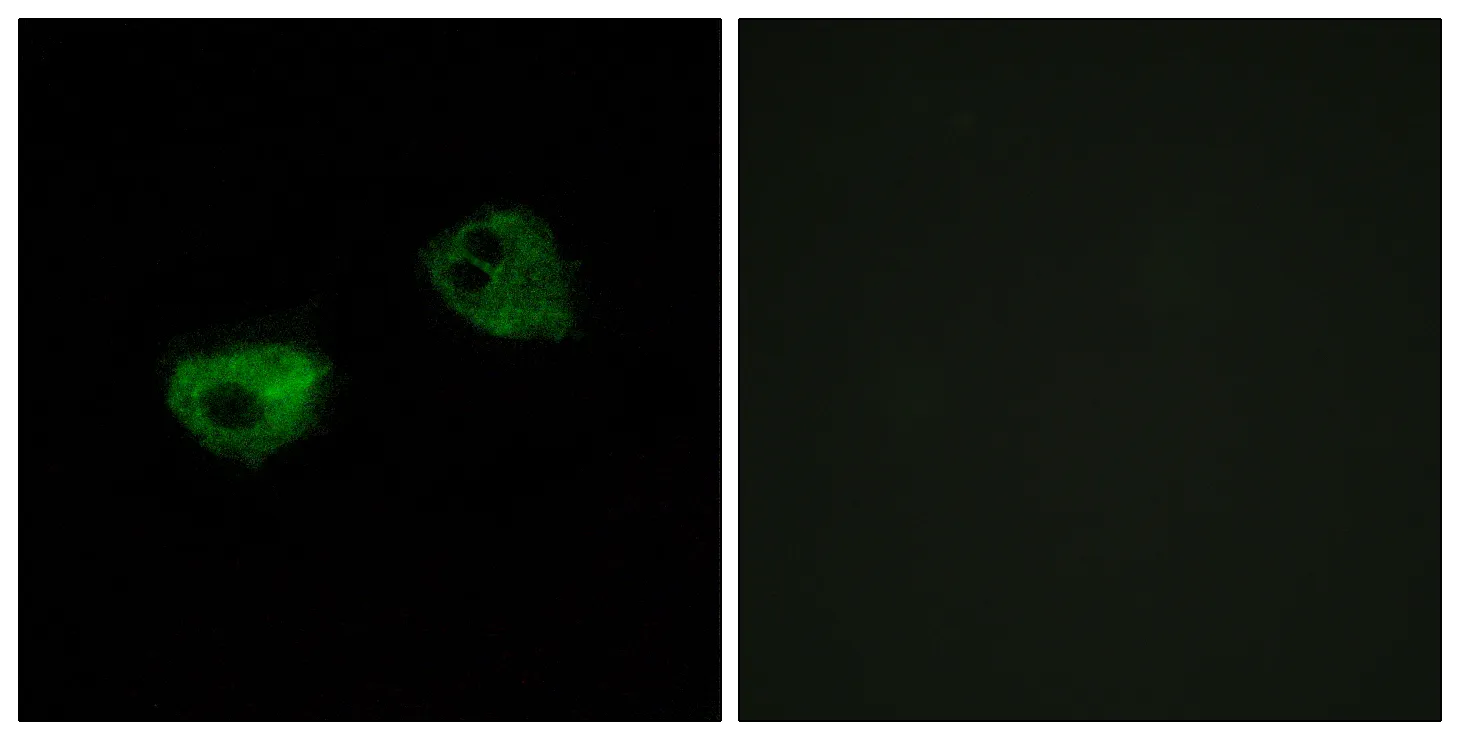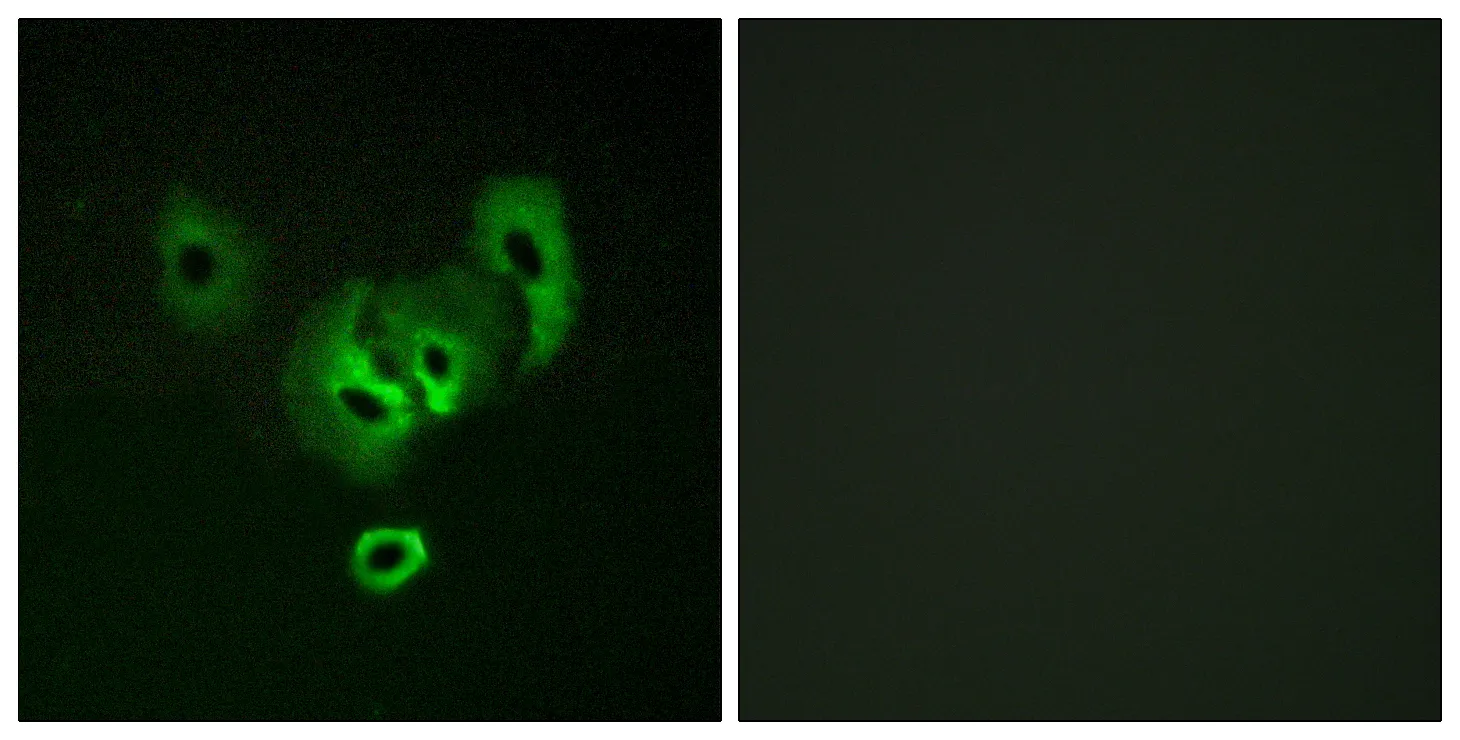

Summary
Performance
Immunogen
Application
Background
The protein encoded by this gene is a phospholipase that hydrolyzes fatty acids at the sn-1 position of phosphatidylserine and 1-acyl-2-lysophosphatidylserine. This secreted protein hydrolyzes phosphatidylserine in liposomes. Three transcript variants encoding different isoforms have been found for this gene.[provided by RefSeq, May 2011],function:Hydrolyzes the ester bond at the sn-1 position of glycerophospholipids and produces 2-acyl lysophospholipids. Hydrolyzes phosphatidylserine (PS) in the form of liposomes and 1-acyl-2 lysophosphatidylserine (lyso-PS), but not triolein, phosphatidylcholine (PC), phosphatidylethanolamine (PE), phosphatidic acid (PA) or phosphatidylinositol (PI). Isoform 2 hydrolyzes lyso-PS but not PS. Hydrolysis of lyso-PS in peritoneal mast cells activated by receptors for IgE leads to stimulate histamine production.,similarity:Belongs to the AB hydrolase superfamily. Lipase family.,tissue specificity:Widely expressed. Expressed in placenta, prostate and liver. Weakly or not expressed in skin, leukocytes, platelets, colon, spleen, lung, muscle and kidney.,
Research Area
Lipid metabolism; Metabolism; Pathways and Processes; Metabolic signaling pathways; Lipid and lipoprotein metabolism; Hydrolysis; Signaling Pathway; Lipid Signaling; Lipid Phosphatases; Cardiovascular; Lipids / Lipoproteins