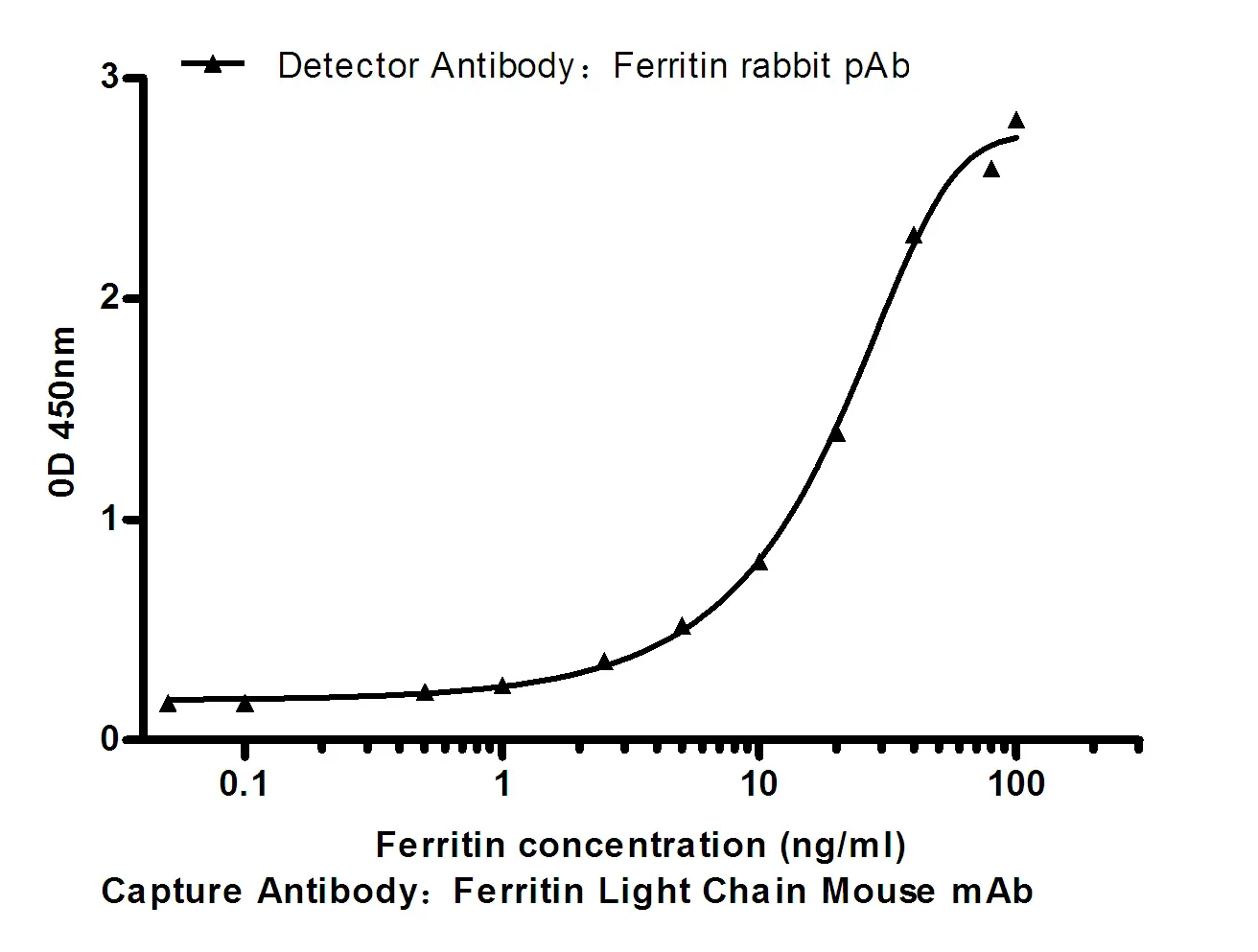
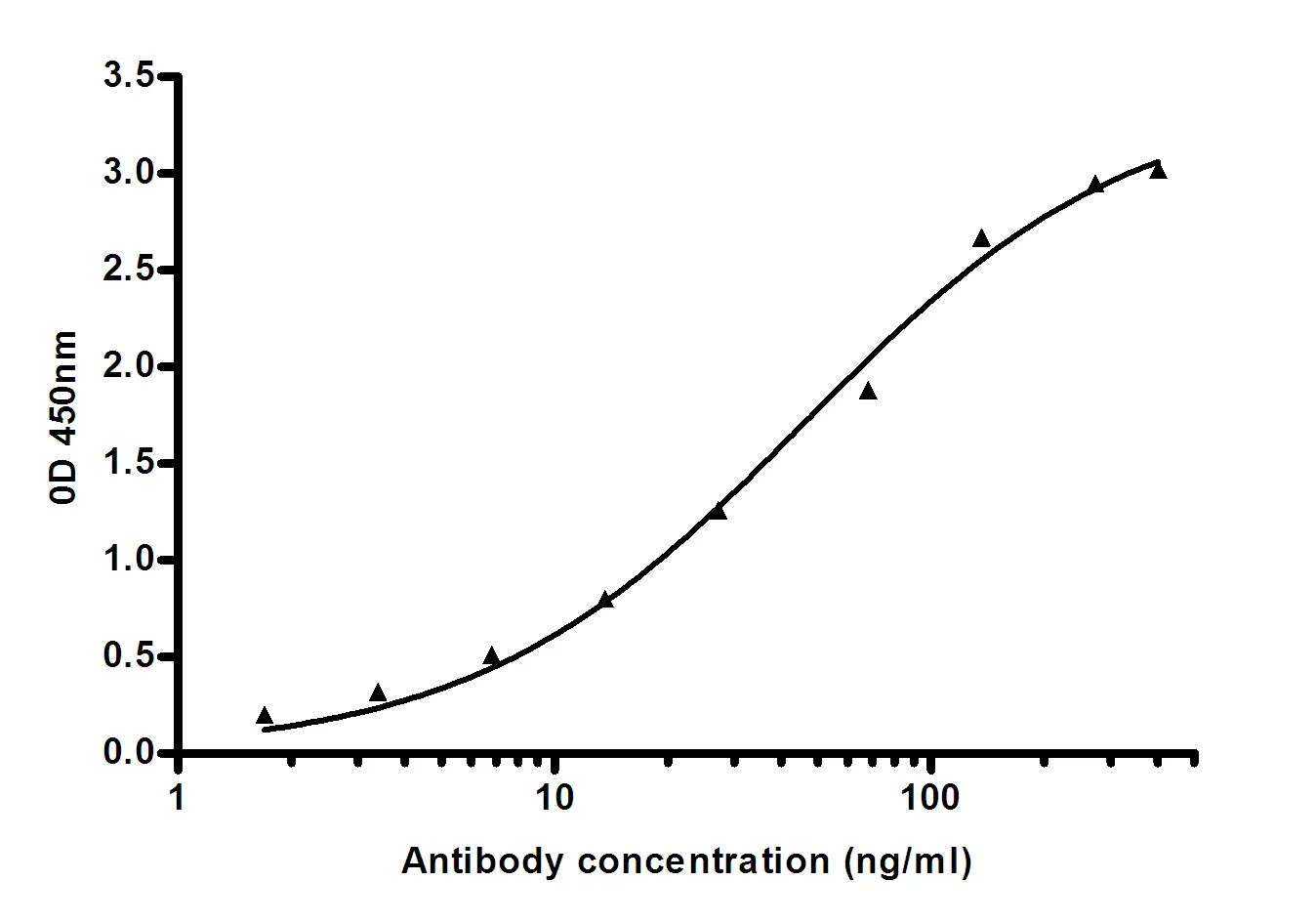
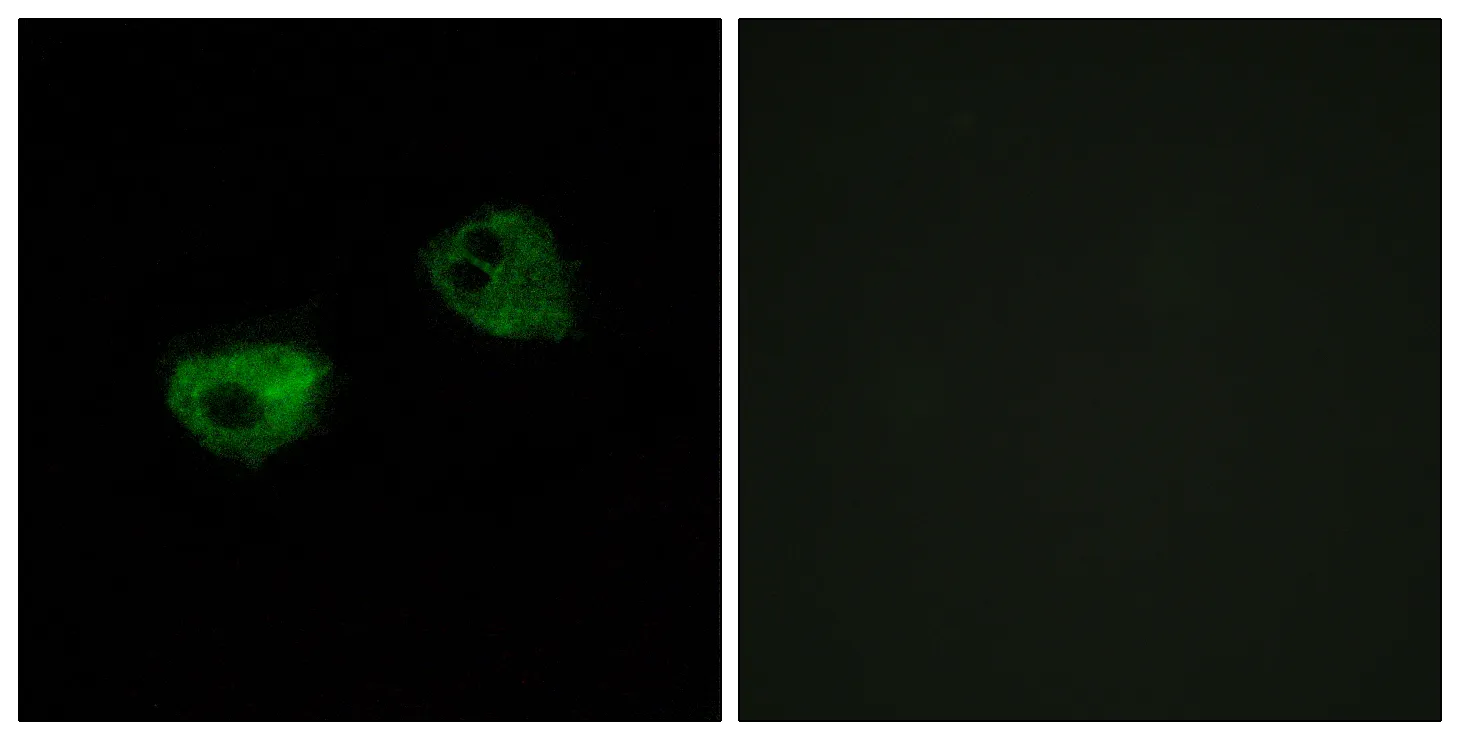
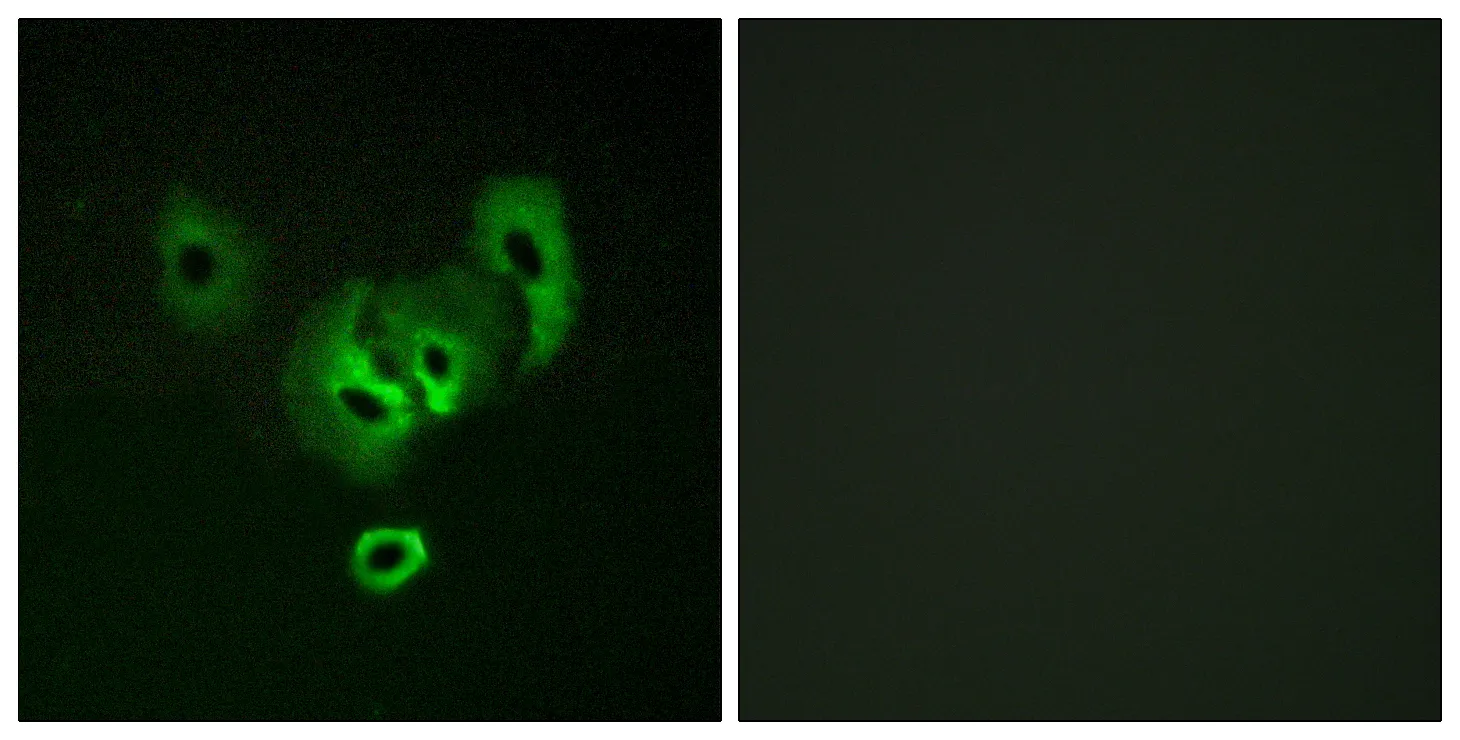
Summary
Performance
Immunogen
Application
Background
The protein encoded by this gene is the founding member of the protein tyrosine phosphatase (PTP) family, which was isolated and identified based on its enzymatic activity and amino acid sequence. PTPs catalyze the hydrolysis of the phosphate monoesters specifically on tyrosine residues. Members of the PTP family share a highly conserved catalytic motif, which is essential for the catalytic activity. PTPs are known to be signaling molecules that regulate a variety of cellular processes including cell growth, differentiation, mitotic cycle, and oncogenic transformation. This PTP has been shown to act as a negative regulator of insulin signaling by dephosphorylating the phosphotryosine residues of insulin receptor kinase. This PTP was also reported to dephosphorylate epidermal growth factor receptor kinase, as well as JAK2 and TYK2 kinases, which implicated the role ofcatalytic activity:Protein tyrosine phosphate + H(2)O = protein tyrosine + phosphate.,function:May play an important role in CKII- and p60c-src-induced signal transduction cascades.,PTM:Oxidized on Cys-215; the Cys-SOH formed in response to redox signaling reacts with the alpha-amido of the following residue to form a 4-amino-3-isothiazolidinone serine cross-link, triggering a conformational change that inhibits substrate binding and activity. The active site can be restored by reduction.,similarity:Belongs to the protein-tyrosine phosphatase family. Non-receptor class 1 subfamily.,similarity:Contains 1 tyrosine-protein phosphatase domain.,
Research Area
Adherens_Junction;Insulin_Receptor;