
PUMA Rabbit Polyclonal Antibody($99/20μL)

PUMA Rabbit Polyclonal Antibody($99/20μL)

Cat: APRab16691
Size:20μL Price:$99
Size:50μL Price:$118
Size:100μL Price:$220

Size:200μL Price:$380
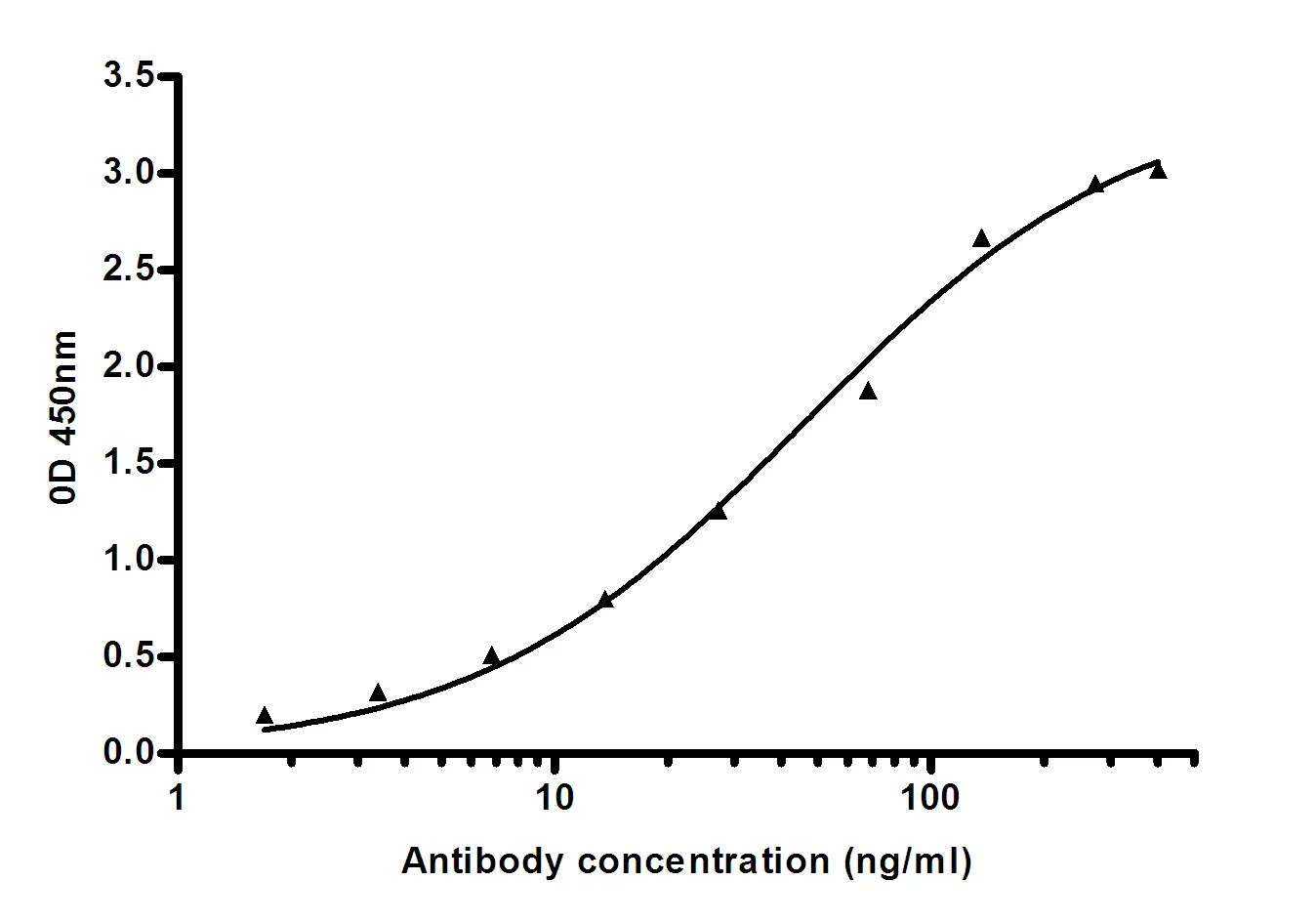
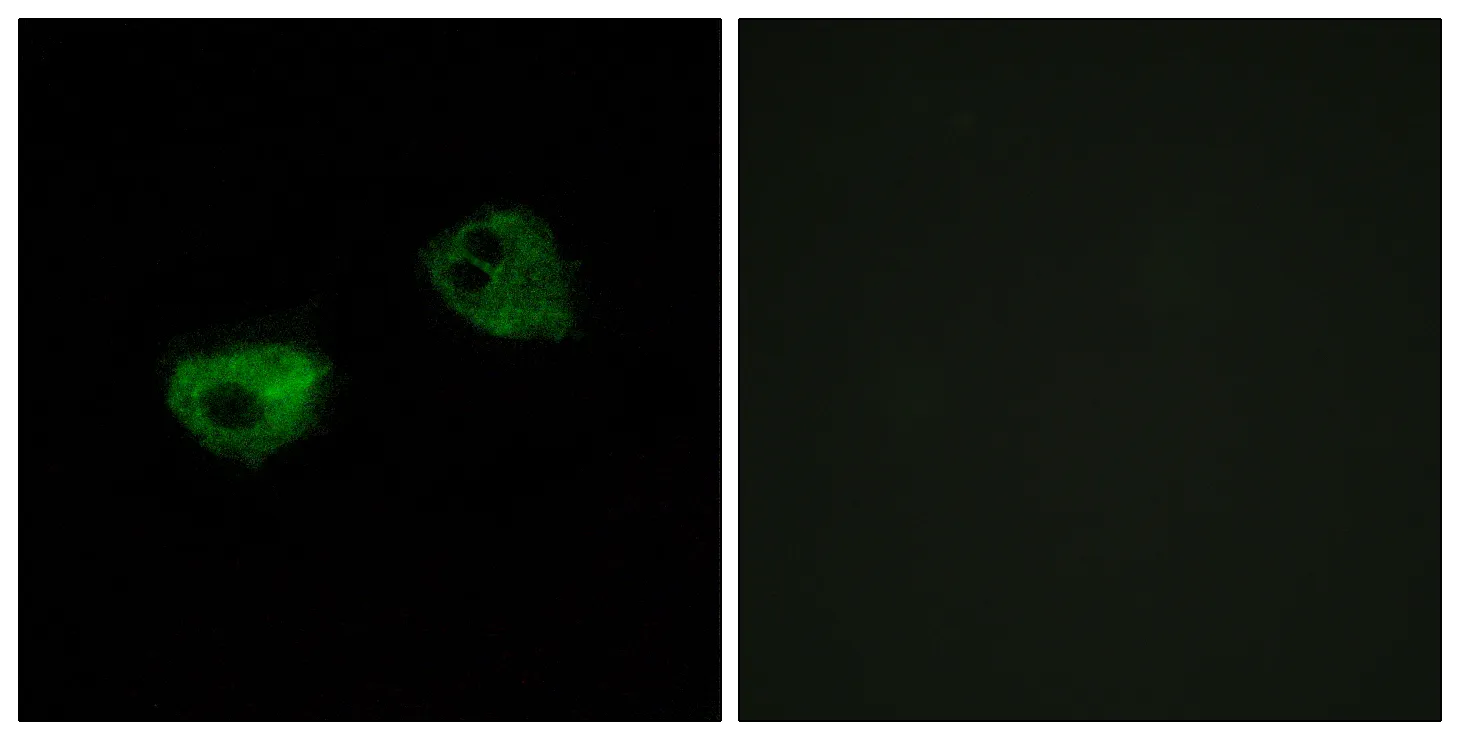
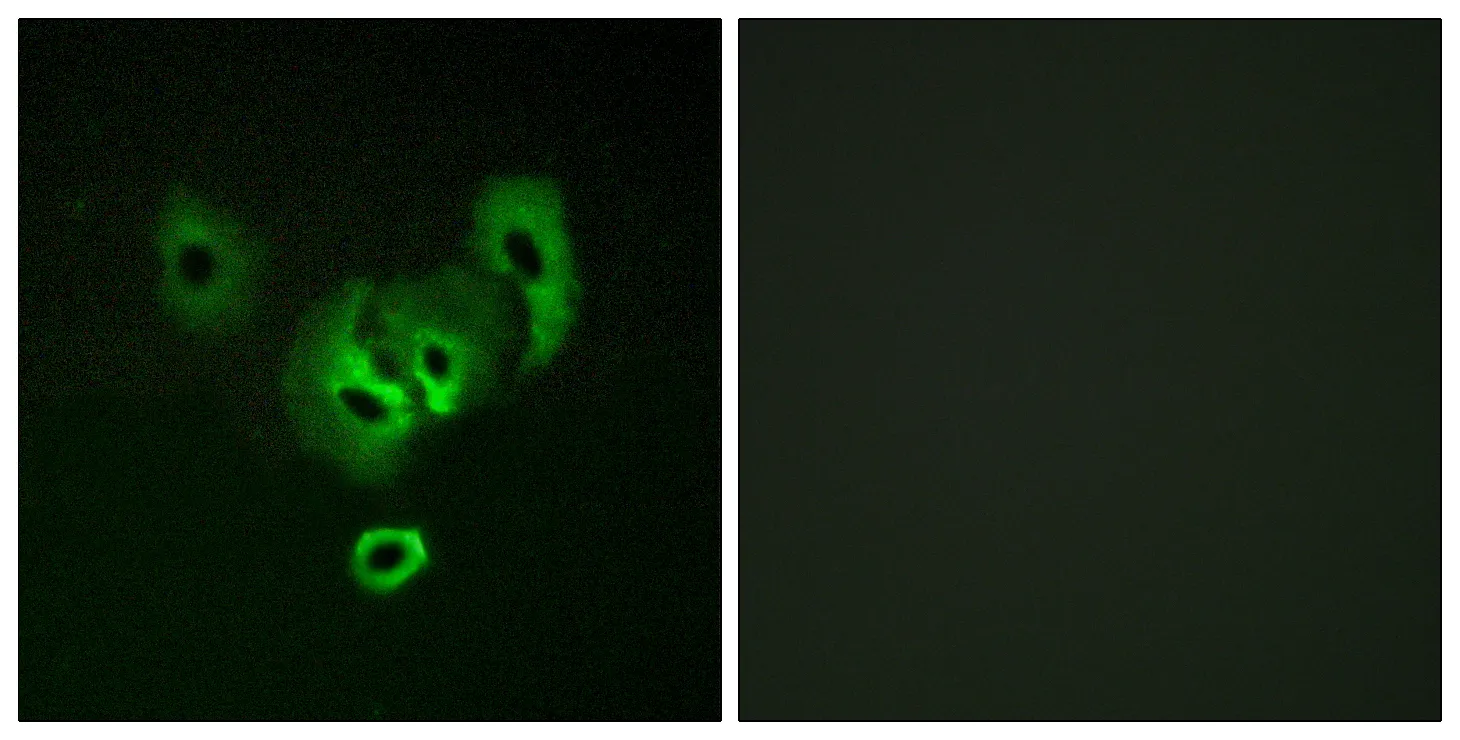
Application:WB,ICC/IF,ELISA

Reactivity:Human,Mouse,Rat
Conjugate:Unconjugated
Optional conjugates: Biotin, FITC (free of charge).
See other 26 conjugates.

Gene Name:BBC3 Category: Polyclonal Antibody Tags: ,

Summary

Production Name

PUMA Rabbit Polyclonal Antibody

Description

Rabbit polyclonal Antibody

Host

Rabbit

Application

WB,ICC/IF,ELISA

Reactivity

Human,Mouse,Rat


Performance

Conjugation

Unconjugated

Modification

Unmodified

Isotype

IgG

Clonality

Polyclonal

Form

Liquid

Storage

Store at 4°C short term. Aliquot and store at -20°C long term. Avoid freeze/thaw cycles.

Buffer

Liquid in PBS containing 50% glycerol, 0.5% protective protein and 0.02% New type preservative N.

Purification

Affinity purification


Immunogen

Gene Name

BBC3

Alternative Names

BBC3; PUMA; Bcl-2-binding component 3; JFY-1; p53 up-regulated modulator of apoptosis

Gene ID

27113

SwissProt ID

Q9BXH1


Application

Dilution Ratio

WB 1:500-1:2000,ICC/IF 1:100-1:300,ELISA 1:5000-1:20000

Molecular Weight

23kDa


Background

This gene encodes a member of the BCL-2 family of proteins. This family member belongs to the BH3-only pro-apoptotic subclass. The protein cooperates with direct activator proteins to induce mitochondrial outer membrane permeabilization and apoptosis. It can bind to anti-apoptotic Bcl-2 family members to induce mitochondrial dysfunction and caspase activation. Because of its pro-apoptotic role, this gene is a potential drug target for cancer therapy and for tissue injury. Alternative splicing results in multiple transcript variants. [provided by RefSeq, Dec 2011],function:Essential mediator of p53-dependent and p53-independent apoptosis.,induction:By DNA damage, glucocorticoid treatment, growth factor deprivation and p53.,similarity:Belongs to the Bcl-2 family.,subcellular location:Localized to the mitochondria in order to induce cytochrome c release.,subunit:Interacts with MCL1 and BCL2A1 (By similarity). Interacts with BCL2 and BCL2L1/BCL-XL.,tissue specificity:Ubiquitously expressed.,


Research Area

p53;Huntington's disease;
   💬 WhatsApp