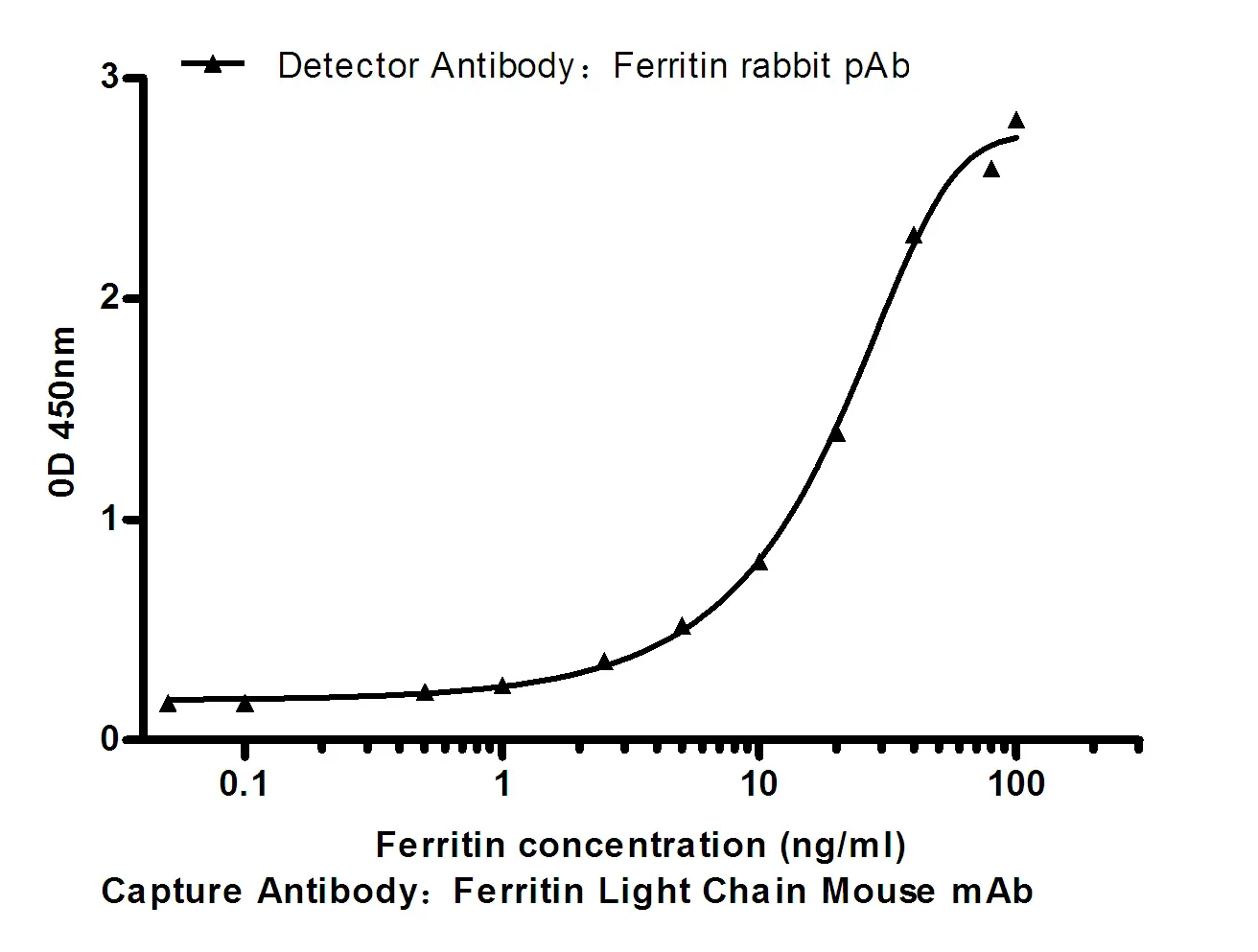
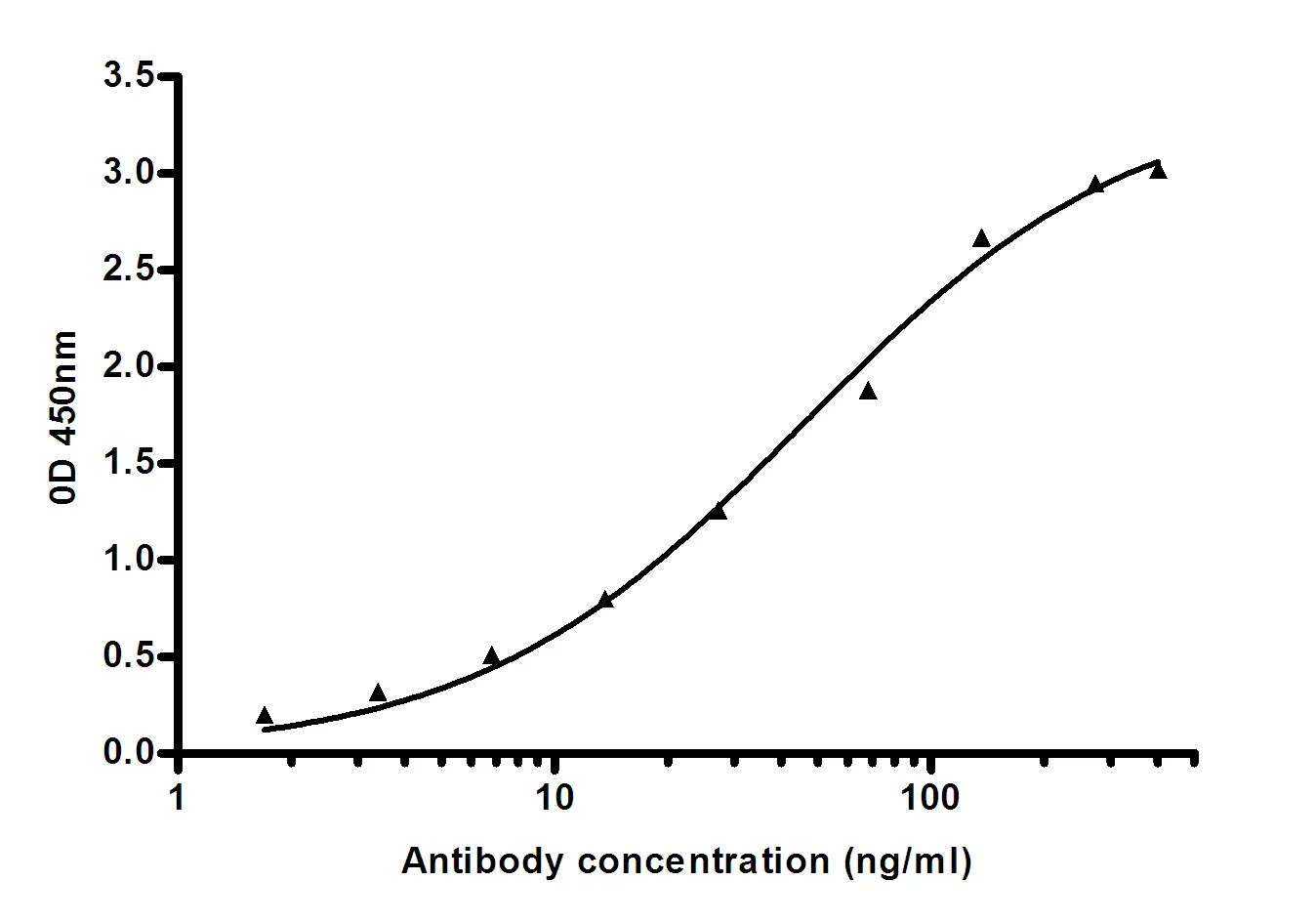
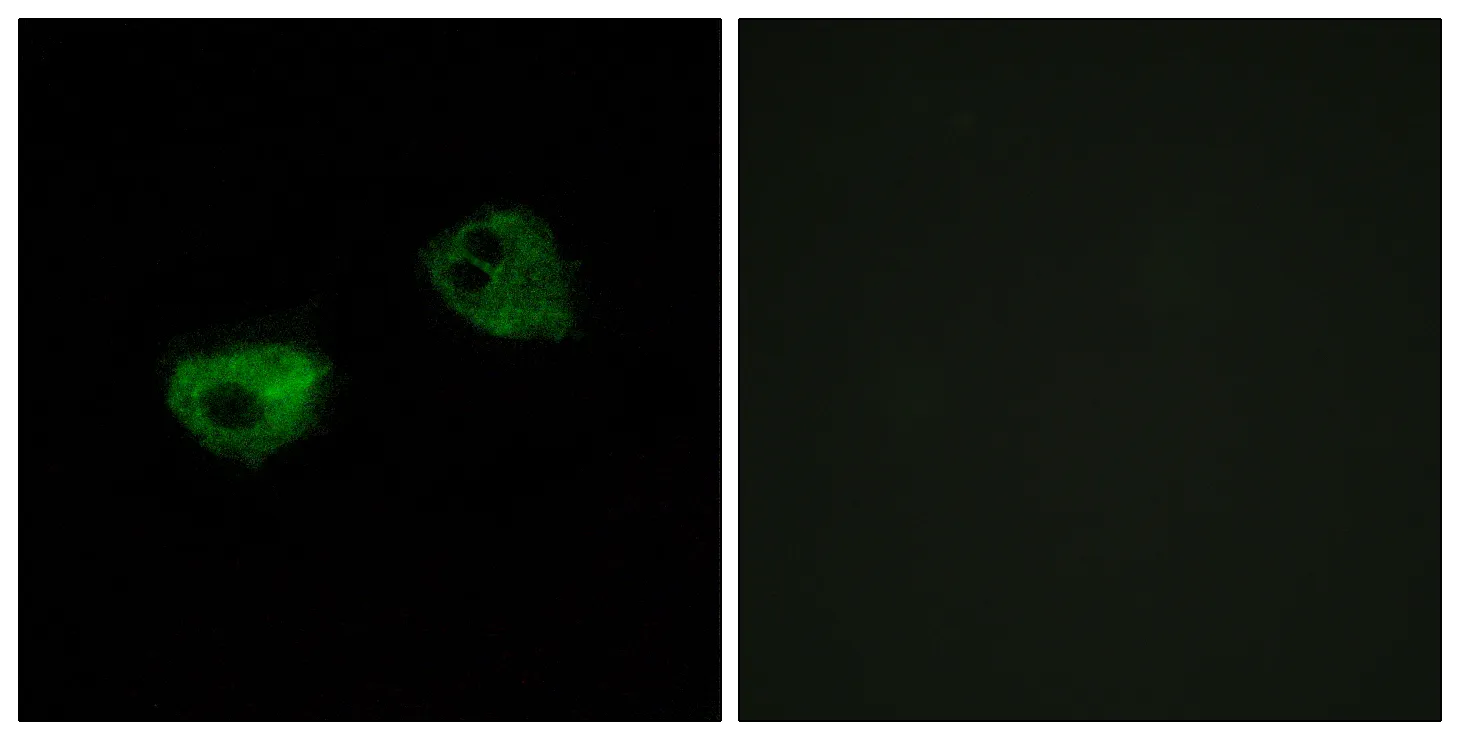
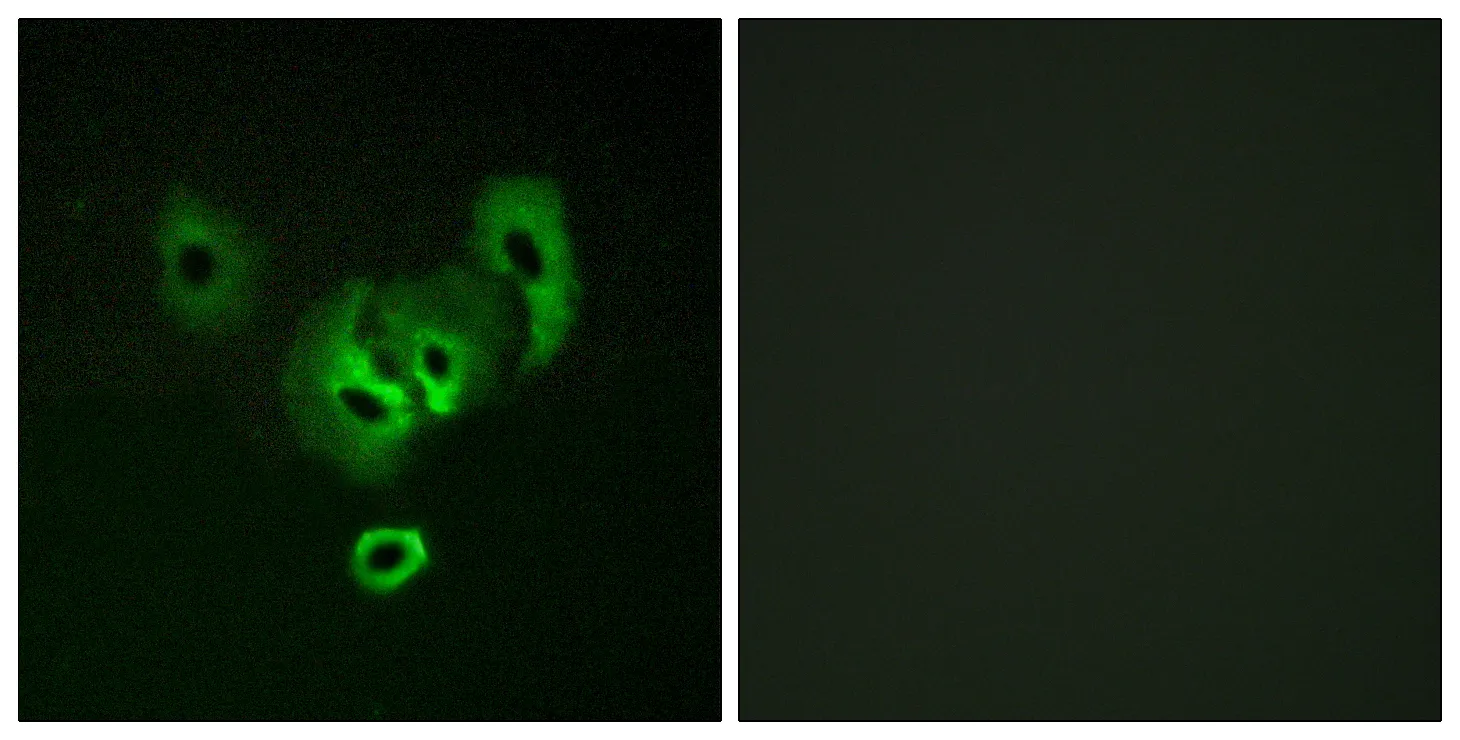
Summary
Performance
Immunogen
Application
Background
domain:The two Pro-rich regions are required for the suppression of AP1 transcription activity.,function:Appears to function in the signal transduction from Ras activation to actin cytoskeletal remodeling. Suppresses insulin-induced promoter activities through AP1 and SRE. Mediates Rap1-induced adhesion.,induction:Induced by all-trans-retinoic acid.,similarity:Belongs to the MRL family.,similarity:Contains 1 PH domain.,similarity:Contains 1 Ras-associating domain.,subcellular location:Colocalizes with ENA/VASP proteins at lamellipodia tips and focal adhesions, and F-actin at the leading edge. At the membrane surface, associates, via the PH domain, preferentially with the inositol phosphates, PtdIns(5)P and PtdIns(3)P. This binding appears to be necessary for the efficient interaction of the RA domain to Ras-GTPases.,subunit:Interacts, through the N-terminal Pro-rich region, with the WW domain of APBB1. Interacts with RAP1A, PFN1, VASP and ENAH.,tissue specificity:Widely expressed with high expression in thymus, spleen, lymph node, bone marrow and peripheral leukocytes.,domain:The two Pro-rich regions are required for the suppression of AP1 transcription activity.,function:Appears to function in the signal transduction from Ras activation to actin cytoskeletal remodeling. Suppresses insulin-induced promoter activities through AP1 and SRE. Mediates Rap1-induced adhesion.,induction:Induced by all-trans-retinoic acid.,similarity:Belongs to the MRL family.,similarity:Contains 1 PH domain.,similarity:Contains 1 Ras-associating domain.,subcellular location:Colocalizes with ENA/VASP proteins at lamellipodia tips and focal adhesions, and F-actin at the leading edge. At the membrane surface, associates, via the PH domain, preferentially with the inositol phosphates, PtdIns(5)P and PtdIns(3)P. This binding appears to be necessary for the efficient interaction of the RA domain to Ras-GTPases.,subunit:Interacts, through the N-terminal Pro-rich region, with the WW domain of APBB1. Interacts with RAP1A, PFN1, VASP and ENAH.,tissue specificity:Widely expressed with high expression in thymus, spleen, lymph node, bone marrow and peripheral leukocytes.,
Research Area
B_Cell_Antigen