

RN167 Rabbit Polyclonal Antibody($99/20μL)

RN167 Rabbit Polyclonal Antibody($99/20μL)

Cat: APRab17262
Size:20μL Price:$99
Size:50μL Price:$118
Size:100μL Price:$220

Size:200μL Price:$380
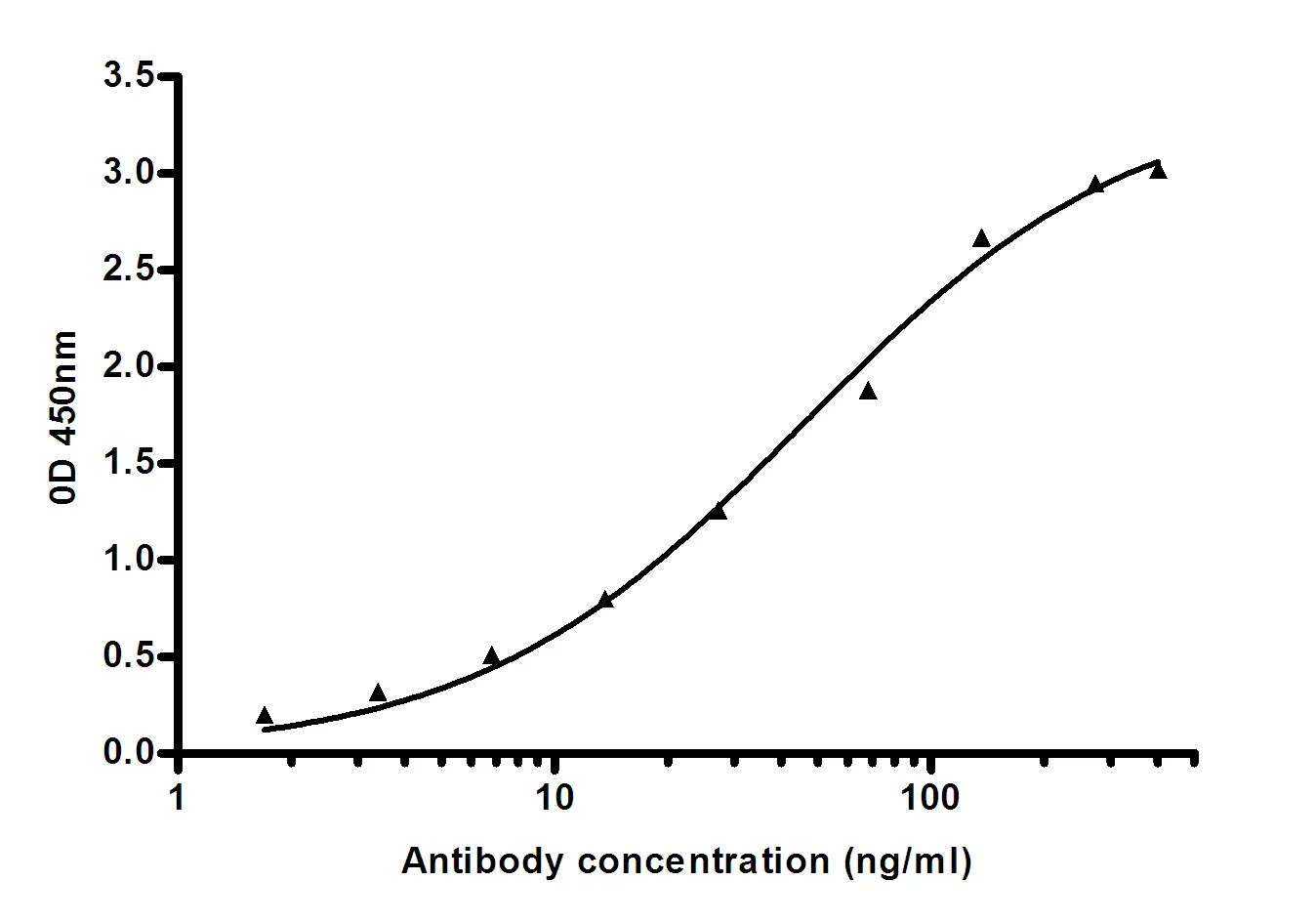
Application:WB,ELISA

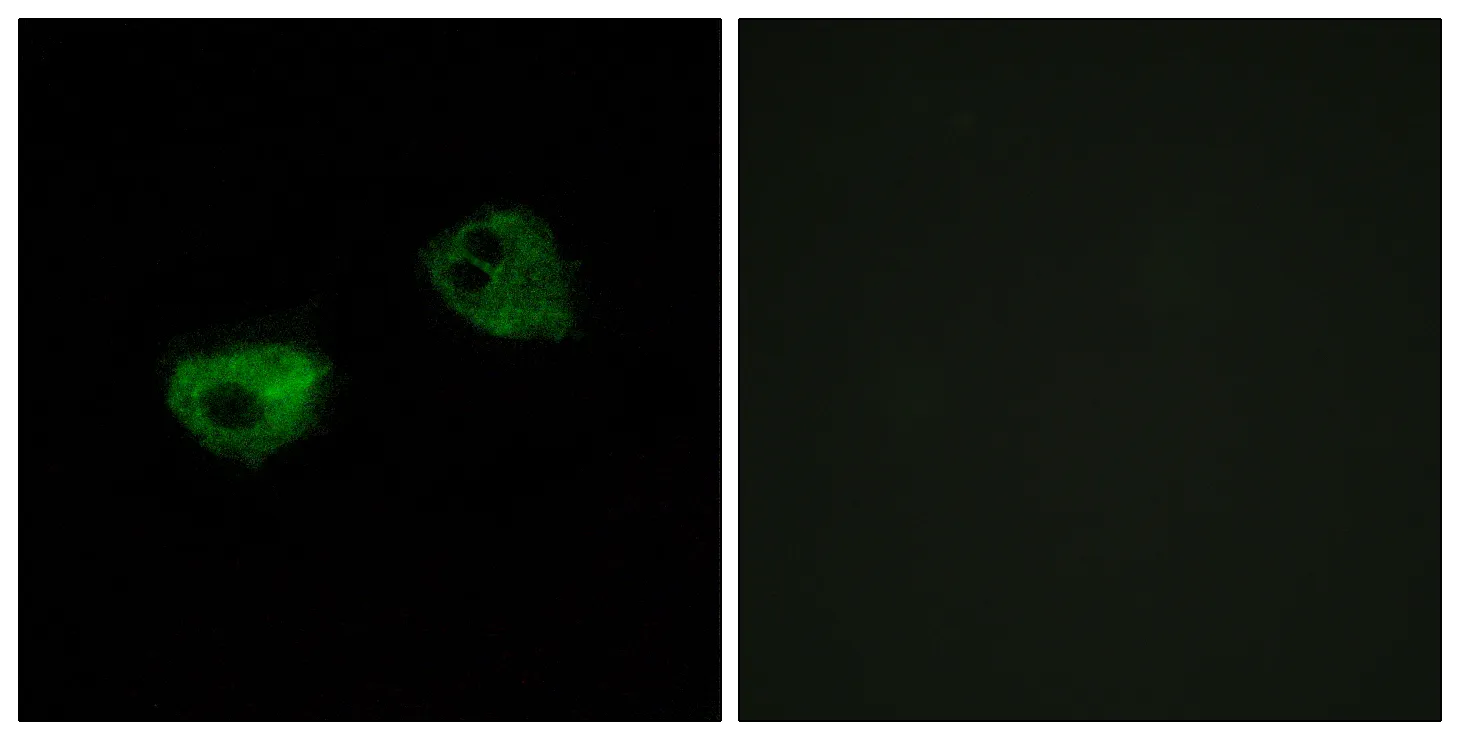
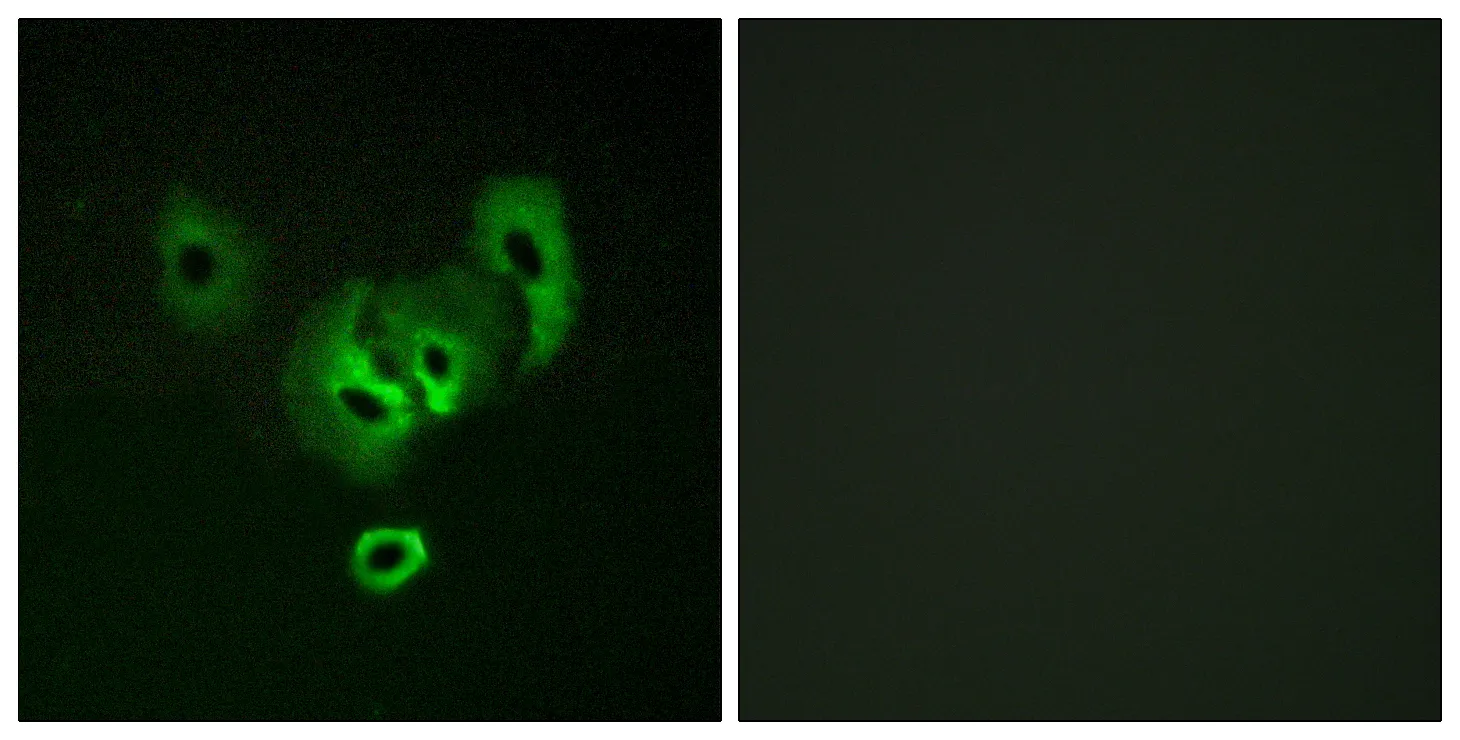
Reactivity:Human,Mouse,Rat
Conjugate:Unconjugated
Optional conjugates: Biotin, FITC (free of charge).
See other 26 conjugates.

Gene Name:RNF167 LP2254 Category: Polyclonal Antibody Tags:

Summary

Production Name

RN167 Rabbit Polyclonal Antibody

Description

Rabbit polyclonal Antibody

Host

Rabbit

Application

WB,ELISA

Reactivity

Human,Mouse,Rat


Performance

Conjugation

Unconjugated

Modification

Unmodified

Isotype

IgG

Clonality

Polyclonal

Form

Liquid

Storage

Store at 4°C short term. Aliquot and store at -20°C long term. Avoid freeze/thaw cycles.

Buffer

Liquid in PBS containing 50% glycerol, and 0.02% New type preservative N.

Purification

Affinity purification


Immunogen

Gene Name

RNF167 LP2254

Alternative Names

Gene ID

26001

SwissProt ID

Q9H6Y7


Application

Dilution Ratio

WB 1:500-1:2000,ELISA 1:5000-1:20000

Molecular Weight

38kDa


Background

ring finger protein 167(RNF167) Homo sapiens RNF167 is an E3 ubiquitin ligase that interacts with TSSC5 (SLC22A18; MIM 602631) and, together with UBCH6 (UBE2E1; MIM 602916), facilitates TSSC5 polyubiquitylation (Yamada and Gorbsky, 2006 [PubMed 16314844]).[supplied by OMIM, Mar 2008],function:May act as an E3 ubiquitin-protein ligase, or as part of the E3 complex, which accepts ubiquitin from specific E2 ubiquitin-conjugating enzymes, such as UBE2E1, and then transfers it to substrates, such as SLC22A18. May play a role in growth regulation involved in G1/S transition.,pathway:Protein modification; protein ubiquitination.,PTM:Auto-ubiquitinated in vitro in the presence of UBE2D1 and UBE2E1.,similarity:Contains 1 PA (protease associated) domain.,similarity:Contains 1 RING-type zinc finger.,subcellular location:Targeted to cytoplasmic membranes.,subunit:Interacts with SLC22A18.,tissue specificity:Strongly expressed in the kidney and liver (at protein level).,


Research Area
   💬 WhatsApp