
Rho D Rabbit Polyclonal Antibody($99/20μL)

Rho D Rabbit Polyclonal Antibody($99/20μL)

Cat: APRab17122
Size:20μL Price:$99
Size:50μL Price:$118
Size:100μL Price:$220

Size:200μL Price:$380
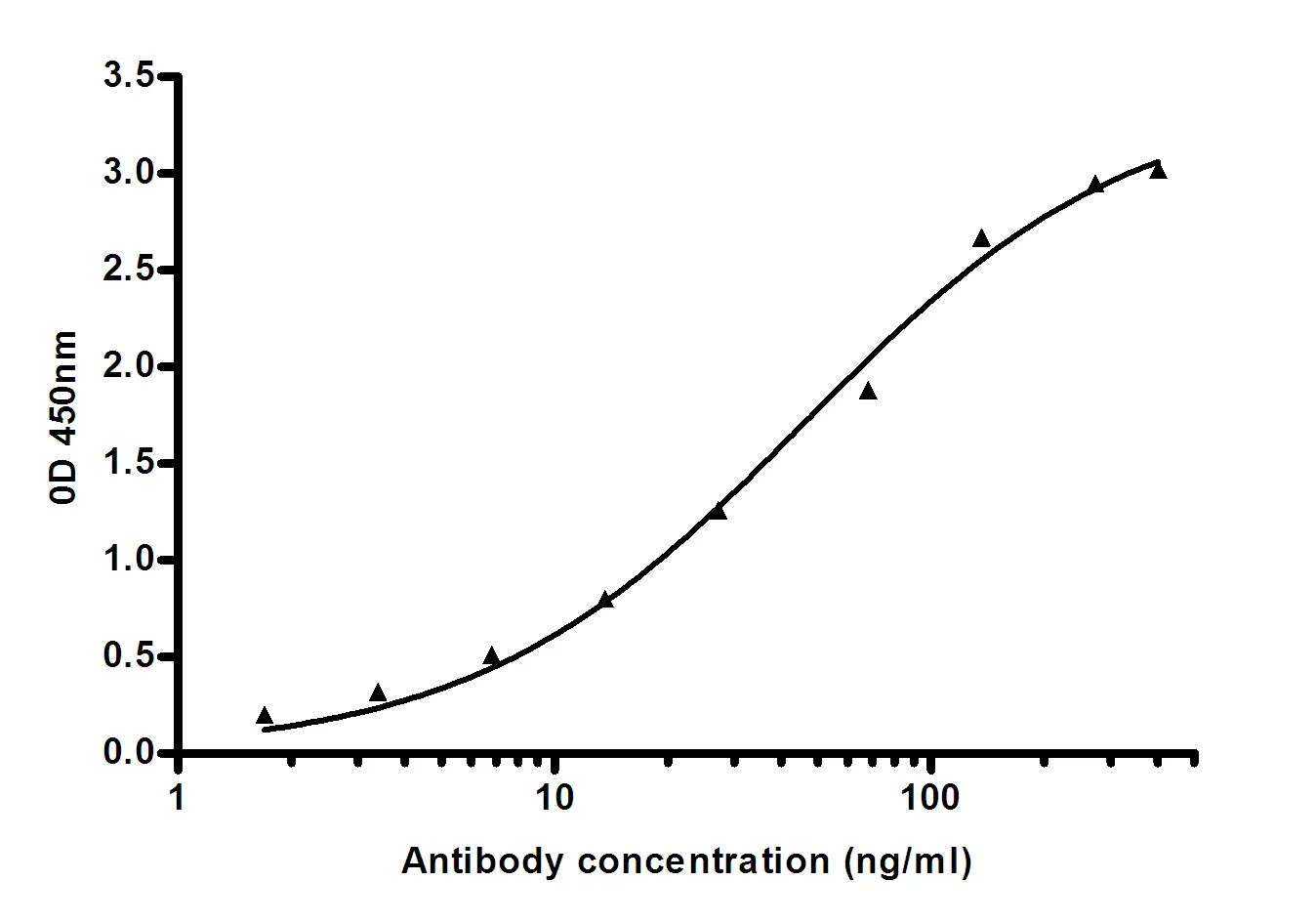
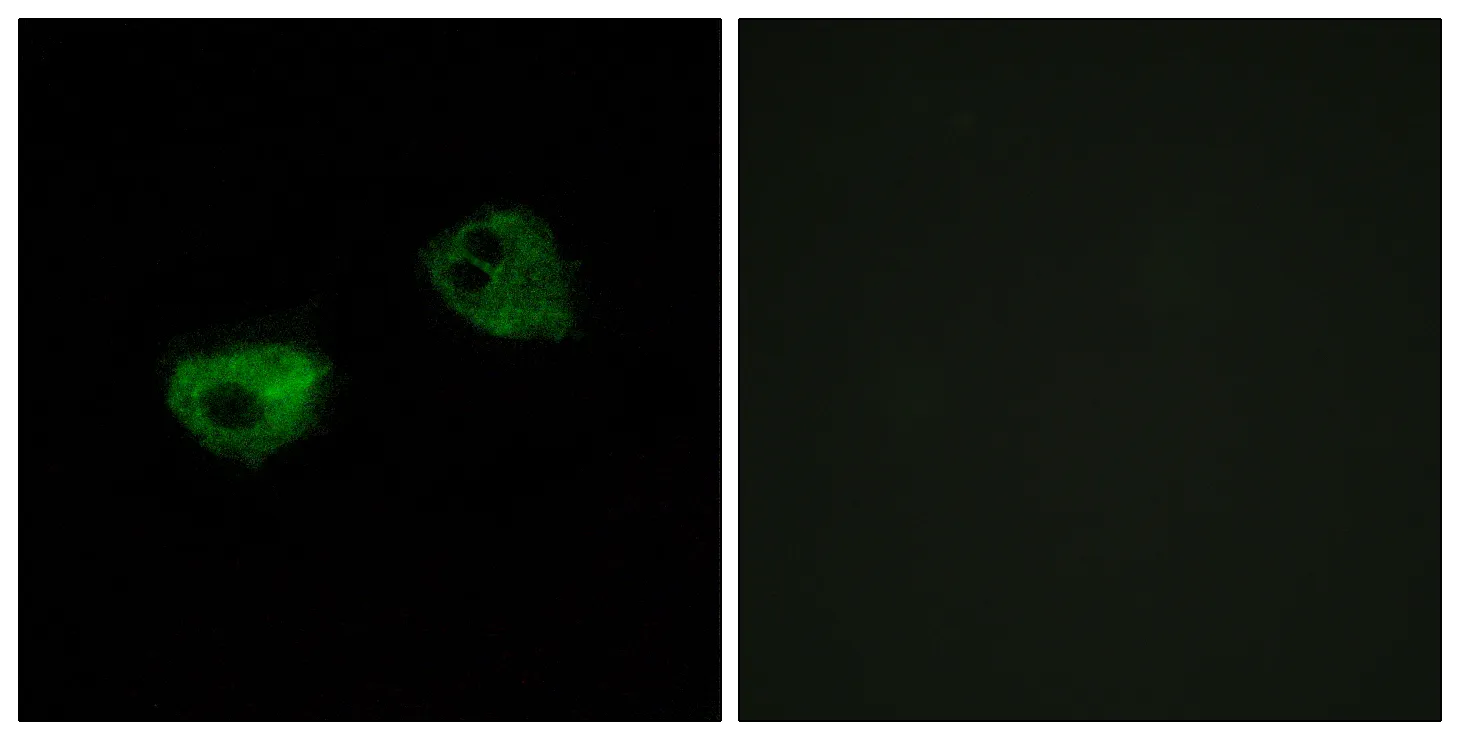
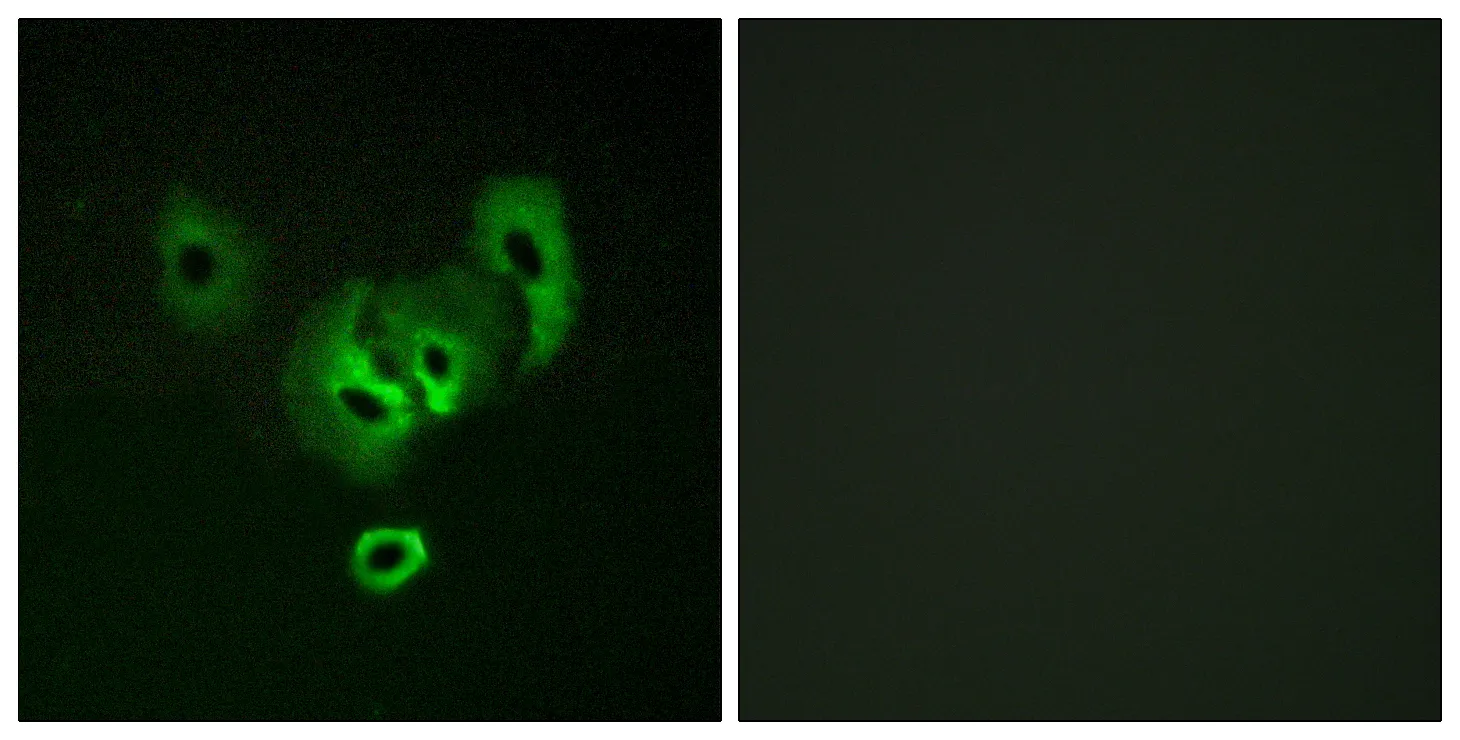
Application:WB,IHC,ELISA

Reactivity:Human,Rat,Mouse
Conjugate:Unconjugated
Optional conjugates: Biotin, FITC (free of charge).
See other 26 conjugates.

Gene Name:RHOD Category: Polyclonal Antibody Tags:

Summary

Production Name

Rho D Rabbit Polyclonal Antibody

Description

Rabbit polyclonal Antibody

Host

Rabbit

Application

WB,IHC,ELISA

Reactivity

Human,Rat,Mouse


Performance

Conjugation

Unconjugated

Modification

Unmodified

Isotype

IgG

Clonality

Polyclonal

Form

Liquid

Storage

Store at 4°C short term. Aliquot and store at -20°C long term. Avoid freeze/thaw cycles.

Buffer

Liquid in PBS containing 50% glycerol, 0.5% protective protein and 0.02% New type preservative N.

Purification

Affinity purification


Immunogen

Gene Name

RHOD

Alternative Names

RHOD; ARHD; Rho-related GTP-binding protein RhoD; Rho-related protein HP1; RhoHP1

Gene ID

29984

SwissProt ID

O00212


Application

Dilution Ratio

WB 1:500-1:2000,IHC 1:50-1:300,ELISA 1:2000-1:20000

Molecular Weight

25kDa


Background

Ras homolog, or Rho, proteins interact with protein kinases and may serve as targets for activated GTPase. They play a critical role in muscle differentiation. The protein encoded by this gene binds GTP and is a member of the small GTPase superfamily. It is involved in endosome dynamics and reorganization of the actin cytoskeleton, and it may coordinate membrane transport with the function of the cytoskeleton. Two transcript variants encoding different isoforms have been found for this gene. [provided by RefSeq, Jul 2014],function:Involved in endosome dynamics. May coordinate membrane transport with the function of the cytoskeleton. Participates in reorganization of actin cytoskeleton.,similarity:Belongs to the small GTPase superfamily. Rho family.,subunit:In the GTP-bound form, interacts with DIAPH2 isoform 3.,tissue specificity:Heart, placenta, liver, skeletal muscle, and pancreas and, with weaker intensity, in several other tissues.,


Research Area

Axon guidance;
   💬 WhatsApp