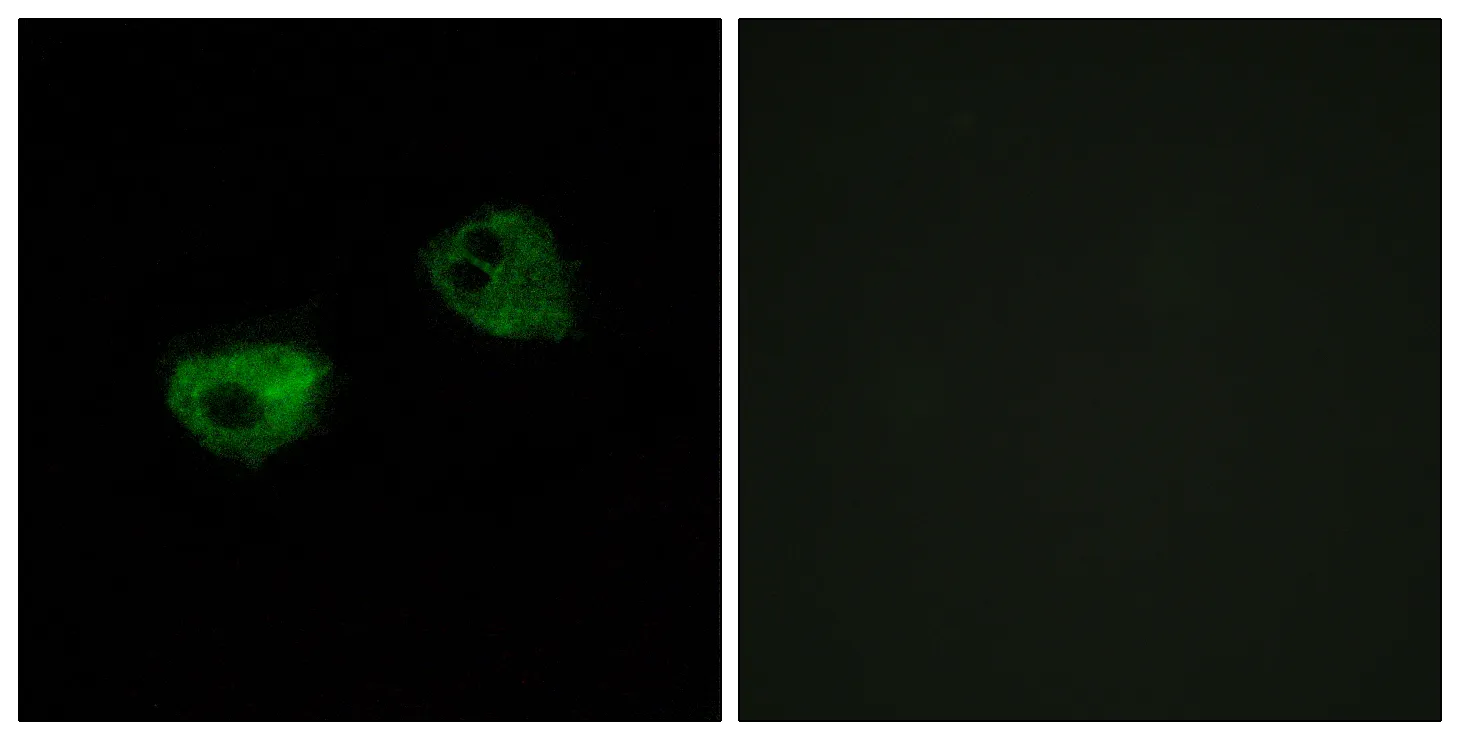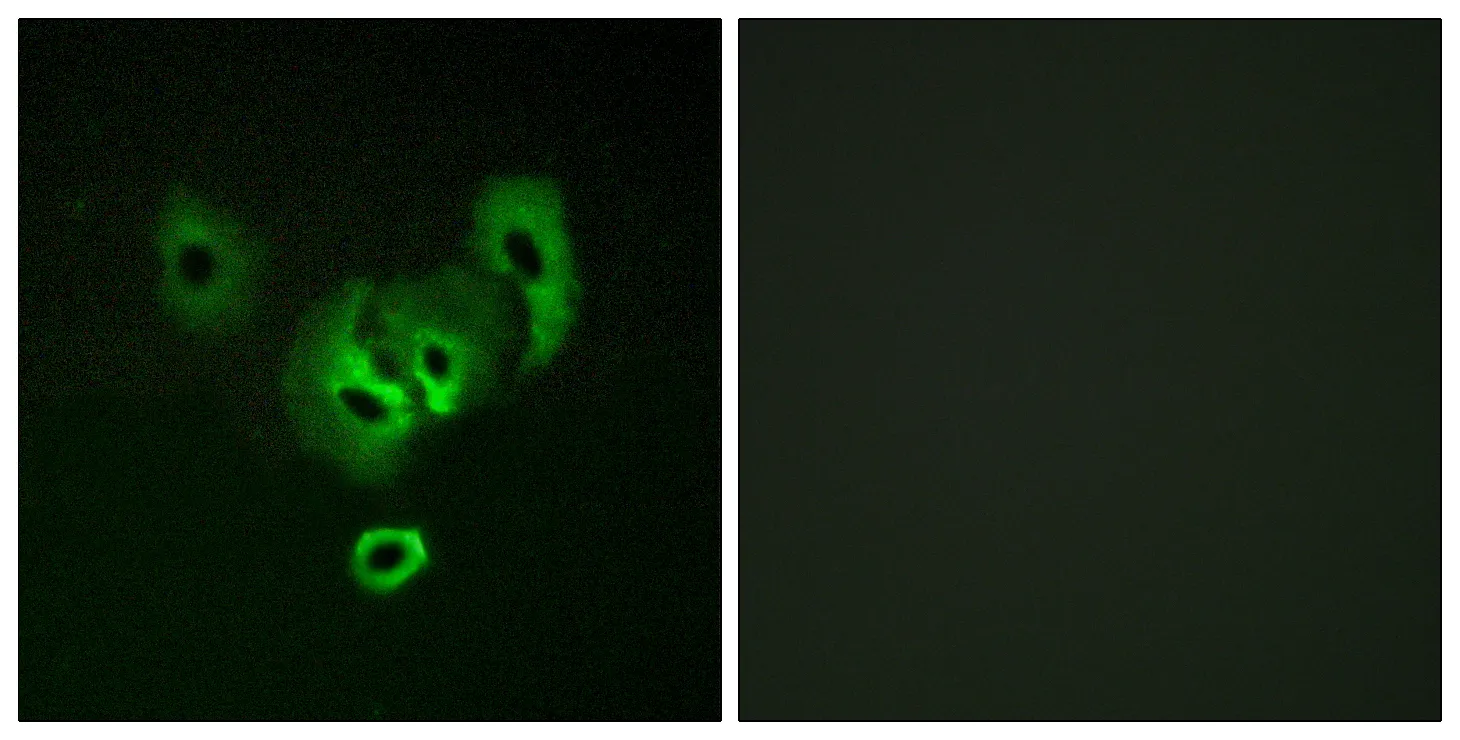

SCML2 Rabbit Polyclonal Antibody($99/20μL)

SCML2 Rabbit Polyclonal Antibody($99/20μL)

Cat: APRab17651
Size:20μL Price:$99
Size:50μL Price:$118
Size:100μL Price:$220

Size:200μL Price:$380
Application:WB,IHC,ELISA

Reactivity:Human,Rat,Mouse
Conjugate:Unconjugated
Optional conjugates: Biotin, FITC (free of charge).
See other 26 conjugates.

Gene Name:SCML2 Category: Polyclonal Antibody Tags: , , , ,

Summary

Production Name

SCML2 Rabbit Polyclonal Antibody

Description

Rabbit polyclonal Antibody

Host

Rabbit

Application

WB,IHC,ELISA

Reactivity

Human,Rat,Mouse


Performance

Conjugation

Unconjugated

Modification

Unmodified

Isotype

IgG

Clonality

Polyclonal

Form

Liquid

Storage

Store at 4°C short term. Aliquot and store at -20°C long term. Avoid freeze/thaw cycles.

Buffer

Liquid in PBS containing 50% glycerol, 0.5% protective protein and 0.02% New type preservative N.

Purification

Affinity purification


Immunogen

Gene Name

SCML2

Alternative Names

SCML2; Sex comb on midleg-like protein 2

Gene ID

10389

SwissProt ID

Q9UQR0


Application

Dilution Ratio

WB 1:500-1:2000,IHC 1:50-1:300,ELISA 1:2000-1:20000

Molecular Weight

77kDa


Background

This gene encodes a member of the Polycomb group proteins. These proteins form the Polycomb repressive complexes which are involved in transcriptional repression. The encoded protein binds histone peptides that are monomethylated at lysine residues and may be involved in regulating homeotic gene expression during development. [provided by RefSeq, Jun 2010],function:Putative Polycomb group (PcG) protein. PcG proteins act by forming multiprotein complexes, which are required to maintain the transcriptionally repressive state of homeotic genes throughout development.,PTM:Phosphorylated upon DNA damage, probably by ATM or ATR.,similarity:Belongs to the SCM family.,similarity:Contains 1 SAM (sterile alpha motif) domain.,similarity:Contains 2 MBT repeats.,tissue specificity:Highly expressed in placenta, thymus and testis. Detected at lower levels in brain, liver, skeletal muscle, pancreas and ovary.,


Research Area

Transcription; Other factors; Epigenetics and Nuclear Signaling; Chromatin Remodeling; Polycomb Silencing
   💬 WhatsApp